
The Honest Truth About Filing a Water Damage Insurance Claim in Cleveland
Water is on the floor in your Cleveland home and the clock started the second that pipe burst or the Lake Erie storm surge hit your basement. You are likely staring at soaked drywall and wondering how much this will cost and if your insurance company will cover the bill. Filing a water damage insurance claim in Cleveland is not always a straightforward process but knowing the steps can save you thousands of dollars. The 2026 insurance market in Northeast Ohio is complex and companies are more specific than ever about what they will and will not pay for. You need to act fast and document everything to ensure your home in Ohio City or Westlake gets back to normal.
Your first priority is stopping the water at its source. If you have a burst pipe in your upstairs bathroom and water is dripping through your kitchen ceiling, find your main water shut off valve immediately. Once the water stops flowing, you must begin the mitigation process. Insurance policies in Cuyahoga County generally require homeowners to take reasonable steps to prevent further damage. If you leave the water sitting for three days without calling for help, your insurance company might deny parts of your claim because you failed to mitigate the loss. This is why immediate action is the most important factor in a successful claim.
Why Speed is Your Best Friend When Pipes Burst in Cleveland
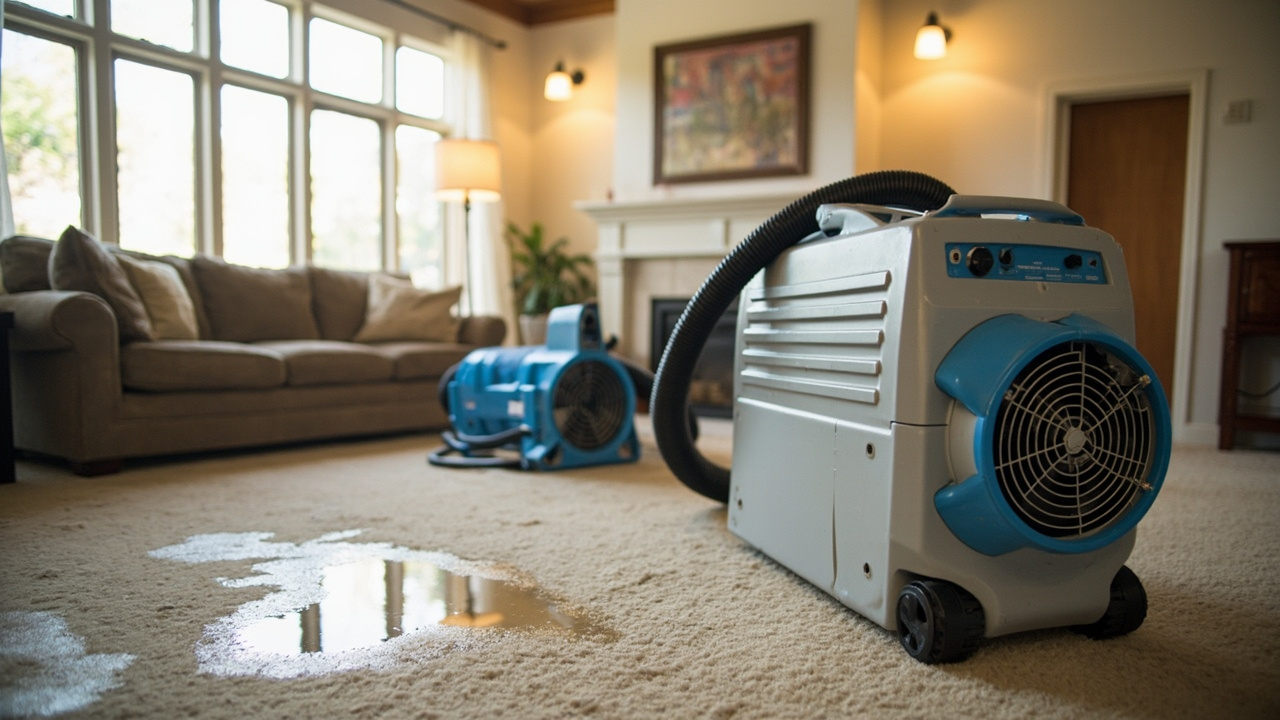
Water moves through building materials faster than most people realize. In a typical Cleveland home, water can travel several feet from the source within minutes. It wicks up into drywall and seeps under floorboards. By the time you notice a wet spot on your carpet, the subfloor underneath is likely saturated. Current standards in 2026 dictate that professional drying should begin within twenty four hours to prevent secondary damage like mold growth or structural warping. If you are dealing with a situation like an emergency Westlake burst pipe repair and professional water cleanup, every hour counts toward your final settlement amount.
Insurance adjusters look at the timeline of your response. They want to see that you contacted a professional restoration company immediately. If you wait, you risk the adjuster classifying the damage as a maintenance issue or gradual seepage rather than a sudden and accidental event. Sudden events are covered by most standard policies. Gradual issues are often excluded. You should never wait for an adjuster to arrive before starting the cleanup. Your policy gives you the right and the responsibility to protect your property from more harm. Get a reputable company on the ground to start the extraction and drying process as soon as you identify the problem.
Understanding Different Types of Coverage in Northeast Ohio
Not all water damage is the same in the eyes of an insurance carrier. You must understand what your specific policy covers before you assume the bill will be paid in full. Standard homeowners insurance in Cleveland typically covers sudden and accidental water discharge from a plumbing system or appliance. This includes things like a dishwasher hose failing or a water heater tank cracking. However, other types of water damage require specific endorsements or separate policies. For example, if you have a sewer line fail, you will need a sewer backup endorsement to cover the cleanup and repairs.
Groundwater flooding is another matter entirely. If Lake Erie rises or heavy rains cause water to seep through your foundation, a standard homeowners policy will likely not cover it. You would need flood insurance through the National Flood Insurance Program or a private flood carrier. Residents in low lying areas or near the lakefront should verify their coverage every year. If you are currently dealing with a sewage issue, you should check your policy for the specific limits on that endorsement before starting work. If you need help with a sewer problem, read about emergency steps when your sewer backs up in Parma to understand the cleanup process.
Current Claims Data for Cuyahoga County Homeowners
| Type of Water Damage | Standard Coverage Status | Typical Endorsement Needed |
|---|---|---|
| Burst Plumbing Pipe | Usually Covered | None |
| Sewer Line Backup | Often Excluded | Sewer and Drain Backup Rider |
| Seepage Through Foundation | Rarely Covered | Flood Insurance Policy |
| Slow Leak Over Months | Denied | N/A (Maintenance Issue) |
| Appliance Malfunction | Usually Covered | None |
Documenting Everything for a Smooth Claims Experience
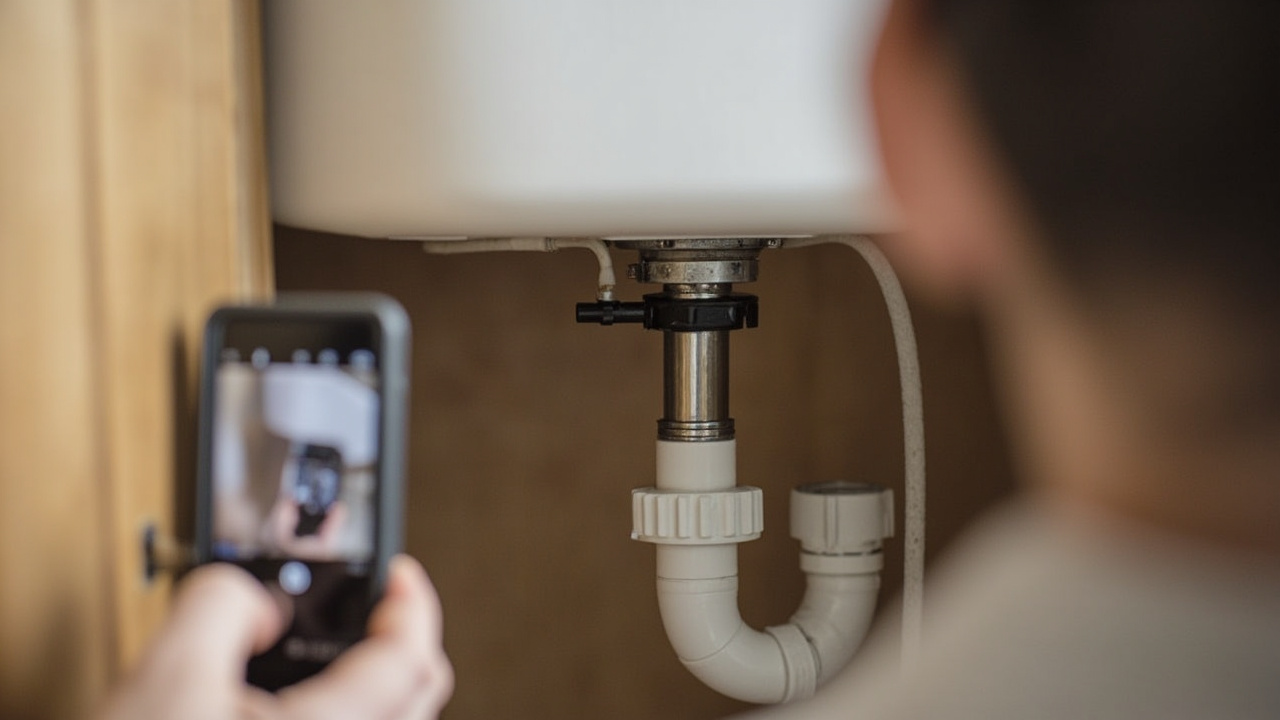
Documentation is the currency of the insurance world. Without proof, your claim is just a story. You need to take photos and videos of every affected room before any work begins. Capture the source of the water if possible. Take close up shots of the damaged materials and wide shots of the entire area. Keep any parts that failed like a broken pipe section or a faulty supply line. The insurance adjuster will want to see these items to verify the cause of loss. If you throw away the evidence, you may find yourself fighting an uphill battle for reimbursement.
Create a detailed inventory of all personal property that was touched by water. List the item, the age, and the estimated replacement cost. Do not throw away damaged furniture or electronics until the adjuster has given you written permission to do so. In 2026, many adjusters use remote video tools to inspect damage, so having high quality photos ready to upload can speed up your check by several days. If you are looking for guidance on choosing the right team to help with this, you can find more information on finding the best water damage restoration pros in Cleveland who understand the local insurance requirements.
Working With Your Insurance Adjuster in Northeast Ohio
The insurance adjuster is the person assigned by your carrier to determine the value of your claim. They may be a staff employee or an independent contractor. While they are usually professional, their job is to apply the policy language strictly. This is where having a professional restoration partner becomes invaluable. A certified restoration expert speaks the same language as the adjuster and uses the same estimating software like Xactimate or Symbility. They can provide the technical data needed to justify the drying equipment used and the man hours required to clean the space.
Your restoration contractor should follow the IICRC S500 standard for professional water damage restoration. This document outlines the scientifically proven methods for drying a home. When the contractor provides a report based on these standards, it is very difficult for an insurance company to argue against the necessity of the work. The goal is to reach a consensus on the scope of work so that you are not stuck with an unpaid balance. Always be polite but firm when speaking with your adjuster and ensure all communications are in writing whenever possible.
Common Pitfalls That Lead to Denied Claims in Cuyahoga County
Claim denials are often preventable if you know what the insurance company is looking for. One of the most common reasons for a denial in Cleveland is the presence of pre existing damage. In neighborhoods like Shaker Heights where homes are older, adjusters may claim that a water issue was caused by long term wear and tear rather than a sudden break. They look for signs of rot or rust that suggest the problem has been happening for a long time. If you own an older property, you must be diligent about maintenance to prove that a specific event caused the current damage. If mold has started to grow, it can complicate the claim further. Homeowners should look into professional mold remediation for Shaker Heights homeowners protecting your historic property to address these issues properly.
Another pitfall is failing to understand the difference between Actual Cash Value and Replacement Cost Value. Actual Cash Value pays you what the item was worth today after depreciation. Replacement Cost Value pays you what it costs to buy a new one. Many policies in 2026 start with an Actual Cash Value payment and then send a second check for the remaining balance once you prove the item has been replaced. If you do not understand this, you might think you are being underpaid when it is just the standard process for your policy type.
Typical Timeline for a Cleveland Water Restoration Claim
| Phase of the Claim | Approximate Timeframe | Key Action Required |
|---|---|---|
| Emergency Mitigation | First 24 to 72 Hours | Water extraction and equipment setup |
| Claim Filing and Inspection | 1 to 5 Days | Adjuster visits or remote video call |
| Drying Verification | 3 to 5 Days | Monitoring moisture levels daily |
| Estimate Approval | 1 to 2 Weeks | Contractor and adjuster agree on costs |
| Reconstruction | 2 to 4 Weeks | Replacing drywall, flooring, and paint |
Managing Your Deductible and Out of Pocket Expenses
Your deductible is the amount you agreed to pay before insurance kicks in. In 2026, many Cleveland homeowners have deductibles ranging from five hundred to two thousand dollars. You will usually pay this amount directly to your restoration contractor. Be wary of any company that claims they can waive your deductible. This is often considered insurance fraud and can get you into legal trouble. A legitimate company will help you maximize your claim within the rules of your policy but will never ask you to participate in a scheme to avoid your deductible.
There are also some things insurance may not cover. For example, the actual plumber’s bill to fix the broken pipe is often not covered, even if the thousands of dollars in water damage caused by that pipe is covered. The logic is that the pipe failed due to wear and tear, which is a maintenance responsibility. However, the resulting damage is a covered peril. Always have some emergency funds set aside for these small out of pocket costs that occur during a large restoration project. If your basement is flooded and you live in Lakewood, you can get specific local advice by visiting get help now for flooded basements in Lakewood and restore your property fast.
The Importance of Professional Moisture Monitoring
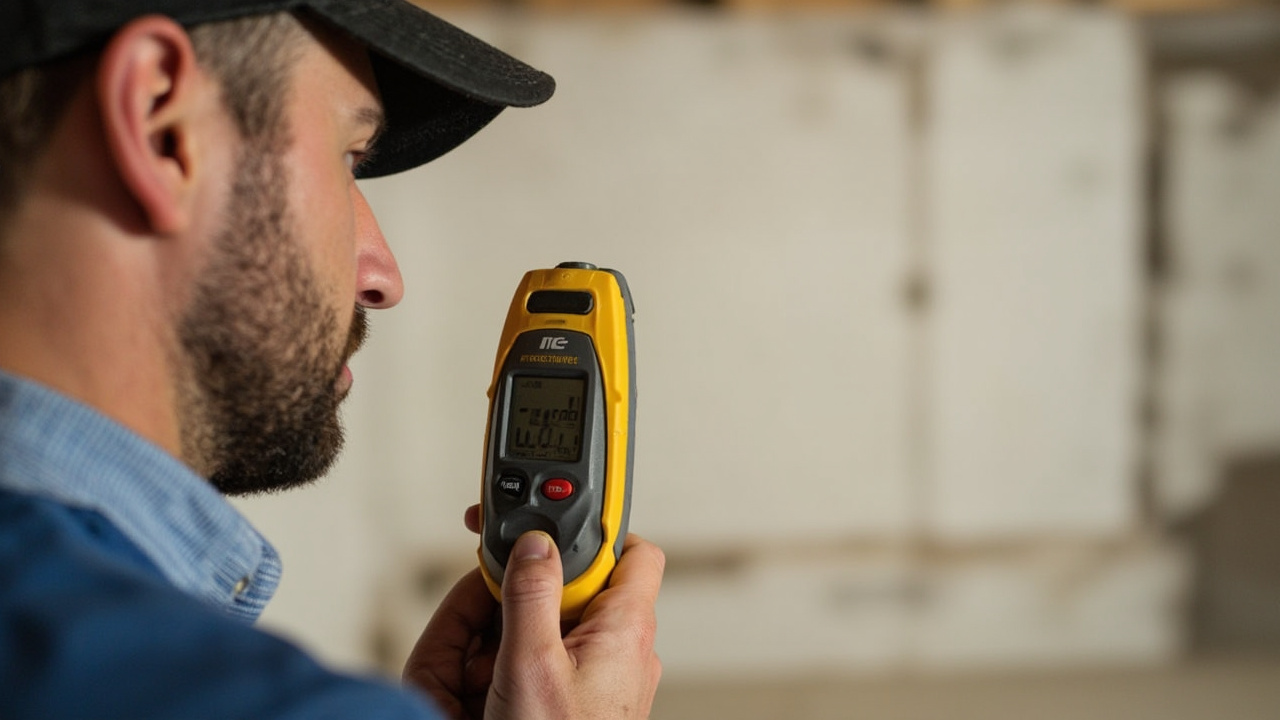
Insurance companies will only pay for drying equipment if there is data proving it was necessary. Professional restoration teams use moisture meters and thermal imaging cameras to track the progress of the drying process. They document the temperature and relative humidity of the air as well as the moisture content of the wood and drywall. This data is compiled into a drying log that serves as the final proof for your claim. If a company just drops off fans and leaves for three days, your insurance company may refuse to pay for the rental of that equipment. You need a team that takes daily readings and adjusts the equipment as needed to ensure the home is dried to the correct standard.
For more information on the regulations governing insurance in our state, you can visit the Ohio Department of Insurance website. They provide resources for homeowners to understand their rights and how to file complaints if a carrier is not acting in good faith. Staying informed is your best defense against a denied or underpaid claim.
Checklist for a Successful Water Damage Claim
- Shut off the main water valve immediately to stop the flow.
- Call a professional restoration company before calling your insurance agent.
- Take at least fifty photos of the damage from different angles.
- Record a video walkthrough of all affected areas.
- Keep the damaged part that caused the leak for the adjuster to see.
- Create a list of all personal items that were damaged by water.
- Do not throw away large items like furniture or carpet until authorized.
- Save all receipts for any out of pocket expenses like shop vacs or towels.
- Review your policy for sewer backup and flood endorsements.
- Ask your restoration contractor for a copy of the moisture drying logs.
Handling a water damage insurance claim in Cleveland does not have to be a nightmare. By moving quickly, documenting everything, and hiring a professional who knows how to work with adjusters, you can ensure your home is restored to its original condition. Remember that you have the final say in who works on your home. Do not feel pressured to use the preferred vendor suggested by the insurance company if you have found a local expert you trust more. Your home is your biggest investment and it deserves a high quality restoration that protects your property value for years to come.
If you are facing water damage right now, do not wait for the situation to get worse. Contact a local professional to get an inspection and start the drying process immediately. The faster you act, the better your chances of a full and fair insurance settlement.