


menu

Sanitization & Odor Removal in Cleveland – Complete Disinfection After Water Damage

Professional antimicrobial treatment and odor abatement services that eliminate bacteria, mold spores, and persistent odors from your Cleveland property after flooding, sewage backups, or hidden water intrusion.

Slider Image 1
Slider Image 2
Slider Image 3
Slider Image 4
Slider Image 5
Slider Image 7
Slider Image 8
Slider Image 9
Slider Image 10
Slider Image 11

Why Cleveland Water Damage Creates Dangerous Contamination and Lingering Odors

Water damage in Cleveland does not just destroy floors and walls. It introduces bacteria, mold spores, and chemical contaminants into your building. Cleveland's humid summers and freeze-thaw cycles create the perfect breeding ground for microbial growth after flooding or pipe bursts. Water sits in wall cavities and under flooring longer than you think, creating health hazards you cannot see or smell immediately.

Sewage backups from aging sewer lines in neighborhoods like Tremont and Ohio City bring Category 3 contamination into homes. This water contains human waste, bacteria, and pathogens that require professional disinfection and deodorization. Standard cleaning does not eliminate these risks. You need antimicrobial treatment that kills microorganisms at the source and odor control services that neutralize organic compounds, not just mask them.

Hidden moisture in crawl spaces and basements also creates persistent musty odors. Cleveland's clay soil does not drain well, so basement flooding is common. Even after visible water is removed, dampness remains in porous materials like drywall, insulation, and subflooring. Without proper sanitizing and deodorizing, mold colonies form within 24 to 48 hours. These colonies release mycotoxins and volatile organic compounds that degrade indoor air quality.

You cannot sanitize water damage with bleach and fans. You need targeted odor abatement and professional-grade disinfectants that penetrate structural materials. Horizon Water Damage Restoration Cleveland uses hospital-grade antimicrobial solutions and hydroxyl generators to restore safe, odor-free environments after contamination events.

Why Cleveland Water Damage Creates Dangerous Contamination and Lingering Odors
How Professional Sanitization and Odor Removal Eliminates Contamination

How Professional Sanitization and Odor Removal Eliminates Contamination

Sanitization after water damage is not a surface-level task. We use a multi-stage protocol that addresses microbial contamination, chemical residues, and odor-causing compounds embedded in structural materials. This process starts with identifying contamination categories. Category 1 water from supply lines requires basic disinfection. Category 2 water from appliances or toilet overflows contains bacteria and detergents. Category 3 water from sewage or flooding requires intensive antimicrobial treatment and disposal of porous materials.

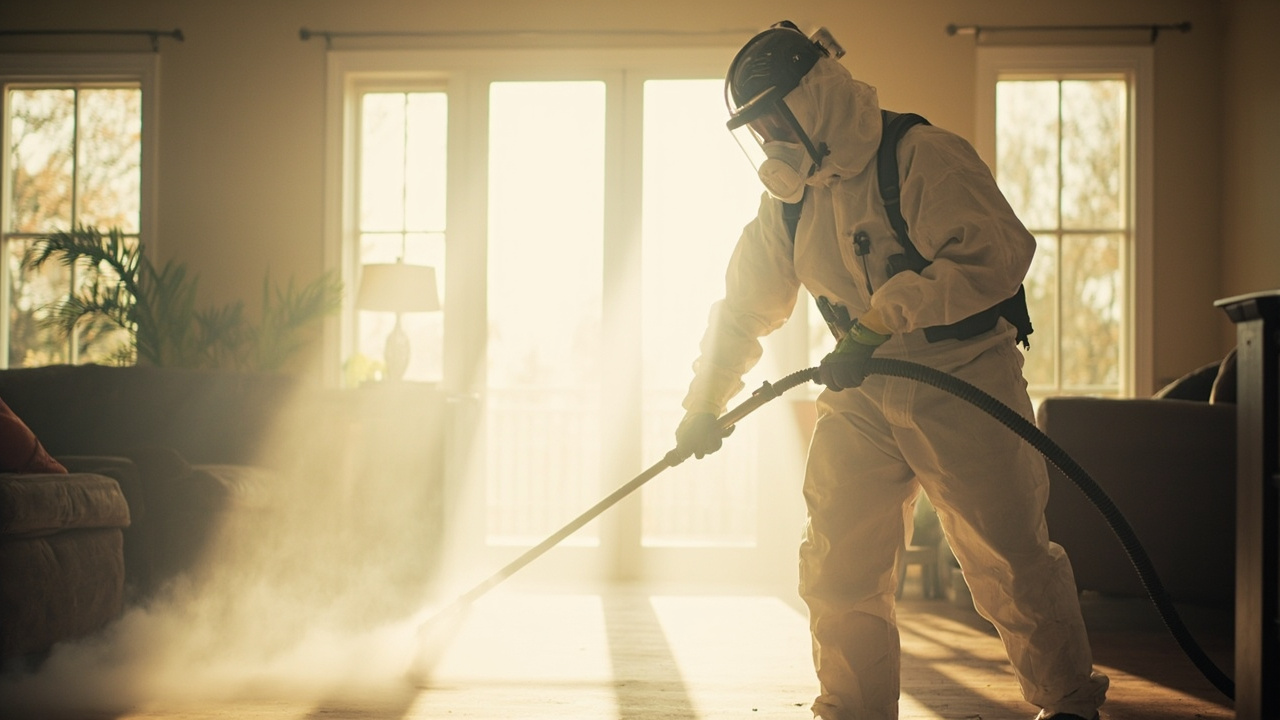
We apply EPA-registered disinfectants that kill bacteria, viruses, and mold spores on contact. These solutions are fogged into wall cavities, applied to subfloors, and used on all affected surfaces. We do not rely on household cleaners. We use quaternary ammonium compounds and hydrogen peroxide-based disinfectants that meet IICRC S500 standards for water damage restoration.

Odor removal requires more than air fresheners. We use hydroxyl generators and thermal fogging to neutralize odor molecules at the molecular level. Hydroxyl radicals break down volatile organic compounds released by bacteria, mold, and decomposing organic matter. Thermal fogging disperses odor-neutralizing agents into cracks, crevices, and ductwork where odors hide.

We also address the source. If mold is present, we perform containment and removal before sanitizing. If sewage contamination occurred, we remove affected materials and treat surfaces with antimicrobial coatings. Our odor control services include HEPA air scrubbing to capture airborne particles and improve indoor air quality. This approach ensures you do not just cover up odors. You eliminate them permanently.

What Happens During Our Sanitization and Odor Removal Service

Sanitization & Odor Removal in Cleveland – Complete Disinfection After Water Damage
01

Contamination Assessment and Categorization

We inspect the property to determine contamination levels and water categories. We use moisture meters and thermal imaging to locate hidden water in walls, ceilings, and subfloors. We document affected areas and identify which materials require removal versus disinfection. This assessment determines the correct antimicrobial treatment protocol and ensures we address all contamination sources, not just visible damage.
02

Antimicrobial Application and Odor Neutralization

We apply EPA-registered disinfectants to all affected surfaces using spray equipment and foggers. We treat wall cavities, subfloors, HVAC ducts, and contents. Hydroxyl generators and thermal fogging neutralize odor compounds embedded in porous materials. HEPA air scrubbers capture airborne mold spores and bacteria. We monitor air quality and adjust treatment protocols based on real-time data to ensure complete sanitizing and deodorizing.
03

Verification and Clearance Testing

After treatment, we verify that contamination has been eliminated. We conduct odor checks and air quality testing to confirm safe conditions. We document all work with photos and moisture readings. We provide a detailed report showing that antimicrobial treatment and odor abatement were completed according to industry standards. You receive documentation for insurance claims and peace of mind that your property is safe to occupy.

Why Cleveland Residents Trust Us for Sanitization After Water Damage

Sanitization is not a DIY project. It requires training, equipment, and knowledge of microbiology and building science. Horizon Water Damage Restoration Cleveland specializes in disinfection and deodorization after contamination events. We understand how Cleveland's older housing stock, combined with high humidity, creates unique challenges for water damage restoration.

Many Cleveland homes in neighborhoods like Detroit-Shoreway and Edgewater have basements with stone foundations and limited ventilation. These spaces retain moisture and develop persistent odors after flooding. We know which antimicrobial solutions work on different substrates and how to treat crawl spaces without damaging historic materials.

We also understand local health codes and building regulations. Cleveland requires proper disposal of contaminated materials and documentation of remediation work. We handle permitting, waste disposal, and coordination with local inspectors. You do not have to navigate these requirements on your own.

Our odor control services go beyond temporary fixes. We do not spray perfumes or use ozone generators that damage electronics and rubber seals. We use hydroxyl technology that is safe for occupied spaces and eliminates odors without creating harmful byproducts. This is the same technology used in hospitals and restoration projects after fires and floods.

We also work directly with insurance companies to streamline claims. We document contamination with photos, moisture readings, and detailed reports. We provide itemized estimates that align with Xactimate pricing. Our goal is to remove the burden from you while ensuring your property is restored to a safe, odor-free condition.

What You Can Expect From Our Sanitization and Odor Removal Service

Rapid Response and Same-Day Service

Contamination spreads quickly. Bacteria multiply every 20 minutes in standing water. Mold spores colonize within 24 to 48 hours. We respond to calls in Cleveland within two hours and begin antimicrobial treatment the same day. Our trucks carry EPA-registered disinfectants, hydroxyl generators, and HEPA air scrubbers. We do not wait for equipment to be ordered or delivered. We start sanitizing and deodorizing immediately to prevent further contamination and health risks.

Thorough Contamination Evaluation

We inspect every affected area with moisture meters and thermal imaging cameras. We test for hidden water in wall cavities, under flooring, and in HVAC ducts. We categorize contamination levels and identify which materials require antimicrobial treatment versus removal. You receive a detailed assessment that explains the scope of work, contamination risks, and the correct odor abatement protocol. We do not guess. We use diagnostic tools to create an evidence-based treatment plan.

Complete Odor Elimination and Safe Air Quality

You will not smell musty odors or chemical residues after we complete sanitization. We use hydroxyl generators and thermal fogging to neutralize odor molecules at the source. HEPA air scrubbers capture airborne particles and improve indoor air quality. We verify results with odor checks and air quality testing before closing the project. Your property will be safe to occupy and free from the bacteria, mold spores, and volatile organic compounds that cause health problems.

Documentation and Post-Treatment Support

We provide detailed reports with photos, moisture readings, and documentation of all antimicrobial treatment and odor control services. These reports are formatted for insurance claims and meet industry standards for water damage restoration. We also offer post-treatment support. If odors return or you have questions about air quality, we come back to investigate. Our goal is not just to complete the job but to ensure your property remains safe and odor-free long after we leave.

Frequently Asked Questions

You Have Questions,
We Have Answers

What is the strongest odor eliminator? +

Hydroxyl generators and ozone machines are the strongest odor eliminators for severe contamination. Professionals use these for fire damage, decomposition, or heavy mold. They chemically neutralize odor molecules at the source instead of masking them. Enzyme cleaners work best for organic matter like urine or sewage. In Cleveland homes dealing with basement flooding or moisture issues, these tools tackle stubborn mildew and dampness. Over-the-counter products like activated charcoal or baking soda help with minor odors, but deep contamination requires thermal fogging or vapor treatments. You need source removal first. Sprays and candles only hide the problem temporarily.

What do nursing homes use to get rid of urine smell? +

Nursing homes use enzymatic cleaners combined with hydrogen peroxide solutions to break down urine crystals and bacteria. These products digest organic waste at the molecular level. They also deploy air scrubbers with HEPA and carbon filters to control airborne particles. For fabrics and mattresses, facilities use encapsulation treatments that crystallize odor molecules. Cleveland facilities managing older buildings with porous flooring often apply vapor barriers after cleaning. Professional-grade quaternary ammonium compounds sanitize surfaces while neutralizing ammonia. The key is treating subfloors and padding, not just visible surfaces. Proper ventilation and humidity control prevent odor from returning in humid Ohio summers.

How do I permanently get rid of a bad smell in my house? +

Find the source first. Odors return unless you remove the contaminated material causing them. Check for hidden mold in crawlspaces, dead rodents in walls, or sewage backup in basement drains. Cleveland homes with older plumbing often have biofilm buildup in drain lines. Use enzymatic cleaners for organic sources, then seal porous surfaces like concrete with odor-blocking primers. Run HEPA air scrubbers to capture airborne particles. Replace contaminated insulation, drywall, or carpeting if cleaning fails. Thermal fogging pushes deodorizing vapor into cracks and voids. Masking with air fresheners wastes money. You need professional assessment if DIY methods fail after 48 hours.

What do nurses use to block smells? +

Nurses apply mentholated ointment under their nostrils or use scented masks to block overwhelming odors during wound care or code situations. Vicks VapoRub and peppermint oil are common choices. Some use activated charcoal mask inserts that filter air. This helps with immediate exposure but does not solve the underlying contamination. For cleaning tasks, they rely on hospital-grade disinfectants containing quaternary ammonium or sodium hypochlorite. These sanitize while reducing odor. In your Cleveland home, you face similar challenges with sewage backups or hoarding situations. Personal protection helps during cleanup, but you need source removal and proper ventilation to eliminate smells permanently.

What kills all smells? +

Nothing kills all smells universally. Different odors require specific treatments. Ozone oxidizes most organic molecules but damages lungs and materials if misused. Hydroxyl generators work safely on smoke, mold, and decomposition. Enzymatic cleaners digest proteins in urine, feces, and food waste. Activated charcoal absorbs airborne molecules. Thermal fogging reaches hidden voids. Cleveland homes facing flood damage or animal contamination need layered approaches. You must identify the source, remove contaminated materials, treat surfaces with appropriate chemistry, and control humidity. Attempting one-size-fits-all solutions wastes time. Professionals assess the contaminant type before selecting treatment methods for complete odor elimination.

What do realtors use to make a house smell good? +

Realtors use staging tricks like baking cookies, brewing coffee, or placing vanilla extract on lightbulbs before showings. These create temporary pleasant associations. For vacant properties, they deploy plug-in air fresheners or essential oil diffusers. Smart realtors address underlying issues first. They hire professionals to clean carpets, seal pet odors with enzymatic treatments, and repaint with odor-blocking primers. Cleveland properties with basement mustiness or old HVAC systems benefit from duct cleaning and dehumidifiers. Buyers notice stale air, cigarette smoke, and pet urine immediately. Masking fails during inspections. You get better offers when odors are eliminated, not hidden. Professional remediation pays off at closing.

What is the old lady's smell called? +

The term is nonenal. Aging skin produces this compound after age 40, creating a musty, grassy scent. It comes from oxidized fatty acids in sebum. The smell clings to fabrics, bedding, and upholstery in homes with poor ventilation. Cleveland homes with limited airflow during winter months concentrate this odor. You manage it through regular laundering, air circulation, and enzymatic fabric treatments. Activated charcoal absorbs airborne nonenal molecules. Hydrogen peroxide solutions break down residue on mattresses and furniture. The odor is not harmful but becomes noticeable in closed spaces. Improving ventilation and using HEPA air purifiers reduce accumulation effectively.

How do professionals remove pee smell? +

Professionals use moisture meters to locate all contaminated areas, including padding and subfloors. They extract urine salts with hot water extraction, then apply enzymatic digesters that break down uric acid crystals. Blacklight inspection reveals hidden spots invisible to the eye. For concrete, they use alkaline cleaners followed by sealers. Cleveland basements with pet damage often require padding replacement and subfloor treatment. Ozone or hydroxyl treatments neutralize airborne ammonia after surface cleaning. Thermal fogging reaches cracks in hardwood. You cannot just shampoo carpets. Urine penetrates deep, and crystals reactivate with humidity. Professional remediation includes antimicrobial treatments to prevent bacterial growth.

What do morticians use to block smells? +

Morticians use formaldehyde-based embalming fluids, but for odor control they rely on commercial-grade deodorizers containing glutaraldehyde or phenol compounds. They apply absorbent powders and vapor barriers during preparation. Facilities use industrial air scrubbers with activated carbon filters and negative air pressure systems to contain smells. For decomposition scenes, professionals use the same hydroxyl generators and enzymatic cleaners restoration companies deploy. Cleveland homes dealing with unattended death require biohazard remediation, not standard cleaning. These situations involve blood, bodily fluids, and tissue breakdown. You need licensed professionals with proper PPE, disposal permits, and trauma scene experience. DIY attempts risk disease exposure and incomplete decontamination.

What is the hardest smell to get rid of in a house? +

Decomposition and fire smoke are the hardest odors to eliminate. They penetrate porous materials like drywall, insulation, and wood framing. Fire creates sticky residue that off-gasses for months. Decomposition saturates structural cavities with volatile organic compounds and bacteria. Cleveland homes with structure fires or unattended deaths often require gut renovations. Professionals use thermal fogging, ozone treatments, and hydroxyl generators after removing contaminated materials. Sealers like shellac-based primers encapsulate remaining odor. HVAC systems spread contamination, requiring duct cleaning or replacement. You cannot mask these smells. Incomplete remediation means odors return with temperature and humidity changes. Proper assessment determines salvageable materials.

How Cleveland's Aging Sewer Systems and Humid Climate Increase Contamination Risks

Cleveland's combined sewer system creates frequent backups during heavy rain. Neighborhoods near the Cuyahoga River and Lake Erie experience basement flooding from overwhelmed storm drains. This water often contains sewage, requiring Category 3 antimicrobial treatment and complete disinfection. Cleveland's humid summers also slow evaporation, allowing bacteria and mold to colonize quickly. Without proper sanitizing and deodorizing, contaminated properties remain hazardous for weeks. Professional odor abatement is not optional after sewage backups. It is a health requirement.

Cleveland residents understand the importance of hiring local contractors who know the city's infrastructure and building codes. We work with properties throughout Cuyahoga County, from historic homes in Cleveland Heights to commercial buildings downtown. We understand local permit requirements, waste disposal regulations, and insurance protocols specific to Ohio. Our familiarity with Cleveland's older housing stock and clay soil drainage issues allows us to provide more effective disinfection and deodorization services than national franchises unfamiliar with the area.
Water Damage Restoration Services in The Cleveland Area

Horizon Water Damage Restoration Cleveland proudly serves the entire Cleveland area and its surrounding communities. Our team is strategically located to ensure a rapid response to your water damage emergency. We are committed to being there for you when you need us most. Please view the map to see our service area and feel free to reach out to us with any questions or for immediate assistance.

Address:
Horizon Water Damage Restoration Cleveland, 3224 Prospect Ave E, Cleveland, OH, 44115

Additional Services We Offer

Our news updates

Latest Articles & News from The Blogs

South Euclid basements face a relentless battle against groundwater due to the heavy clay soil common across the Cleveland metro…

Why South Euclid homeowners need more than a standard dehumidifier for wet basements

South Euclid basements face a relentless battle against groundwater due to the heavy clay soil common across the Cleveland metro…

Why your air conditioner is leaking through the ceiling in Broadview Heights

AC Condensate Leak Water Damage Solutions for Cleveland Homeowners A yellow stain appearing on your second floor ceiling often signals…

Can Water Get Trapped Under the Tile in Your Woodmere Kitchen

Water trapped under kitchen tile is a hidden threat for many Woodmere homeowners. You might see a beautiful porcelain or…

Contact Us

Do not let contamination and odors linger after water damage. Call Horizon Water Damage Restoration Cleveland at (216) 547-1277 for immediate antimicrobial treatment and odor abatement. We respond within two hours and restore safe, odor-free environments.