




Westlake sits in the Lake Erie snowbelt where freeze-thaw cycles punish plumbing systems from December through March. When temperatures swing 40 degrees in 48 hours, pipes burst without warning. The city's mature housing stock in neighborhoods like Dover Village and Clague Estates contains original copper and galvanized lines that fail under thermal stress. Clay soil underneath Westlake foundations creates drainage problems that funnel snowmelt straight into basements.
Spring brings rapid thaws that overwhelm sump pumps, especially in low-lying areas near Porter Creek and Cahoon Creek. Summer storms roll off Lake Erie with intensity, dumping inches of rain in minutes and backing up storm sewers throughout the Columbia Road corridor. Westlake's tree canopy drops debris that clogs gutters, sending roof runoff cascading into wall cavities where it saturates insulation and drywall. The combination of Great Lakes weather patterns and aging infrastructure creates perfect conditions for water intrusion. Properties here need extraction and drying protocols that account for high humidity, cold basement temperatures, and the aggressive mold growth that thrives in Northeast Ohio's damp climate.
When water floods your home at 2 AM, you need a crew that answers the phone and shows up ready to work. Horizon Water Damage Restoration Cleveland maintains equipment and technicians on standby for Westlake emergencies. We dispatch from our Cleveland facility with truck-mounted extraction units, commercial dehumidifiers, and thermal imaging cameras that map hidden moisture in walls and subfloors. Our technicians hold IICRC certifications in water damage restoration and applied structural drying, which means they follow science-based protocols to prevent secondary damage and mold colonization.
We understand how Cuyahoga County insurance claims work. Our estimators document every affected surface with photos and moisture readings that satisfy adjuster requirements. We work directly with your insurance company to justify equipment placement, explain drying timelines, and advocate for full coverage of mitigation costs. Most Westlake homeowners never realize their policy covers emergency board-up, content pack-out, and temporary storage until we walk them through the claims process.
Our response protocol prioritizes damage containment. We isolate affected areas with plastic barriers to prevent contamination spread. We extract standing water immediately, then position air movers and dehumidifiers based on psychrometric calculations that account for Westlake's basement temperatures and ambient humidity. We monitor moisture levels daily until materials return to dry standard, which prevents the mold blooms that plague rushed jobs. Every project gets assigned a dedicated project manager who coordinates scheduling, answers questions, and ensures your property gets restored correctly the first time.

Water damage accelerates exponentially in the first 24 hours. We answer emergency calls around the clock and dispatch technicians to Westlake properties within 90 minutes. Our trucks carry extraction equipment, moisture meters, and containment supplies to start mitigation immediately. Fast response prevents flooring replacement, wall demolition, and mold remediation costs that triple when water sits overnight.

We document damage with the precision insurance adjusters require. Our estimators photograph affected areas, map moisture migration with thermal imaging, and create detailed scope documents that justify every piece of equipment and labor hour. We communicate directly with your insurance company, handle paperwork, and fight for coverage when adjusters lowball estimates. Most clients never pay out of pocket beyond their deductible.
Our technicians complete rigorous training in water damage restoration and applied structural drying through the Institute of Inspection, Cleaning and Restoration Certification. They understand moisture physics, building science, and microbial growth prevention. Certification means they follow proven protocols instead of guesswork, which prevents callback issues and ensures materials dry completely before reconstruction begins.
We know which Westlake neighborhoods have cast iron drain stacks prone to failure, which subdivisions suffer sump pump overload during spring thaws, and which architectural styles hide water damage in wall cavities. Local knowledge speeds diagnosis and prevents missing hidden moisture that causes problems weeks after the initial flood. We have restored hundreds of properties across Cuyahoga County and understand regional construction methods.
Water intrusion comes in many forms, from catastrophic floods to slow leaks that saturate materials over months. Horizon provides the full spectrum of water damage remediation services for residential and commercial properties in Westlake. Our emergency response teams handle sudden crises like burst pipes, appliance failures, and sewage backups that require immediate extraction and containment. Our restoration division manages complex projects involving structural drying, mold prevention, content cleaning, and reconstruction coordination.
Every water loss gets evaluated individually. Clean water from supply lines requires different treatment protocols than contaminated water from washing machine overflows or toilet backups. Category 3 water from sewage systems demands antimicrobial treatment and material disposal that protects occupant health. We classify water sources, assess contamination levels, and deploy appropriate safety measures and cleaning procedures. Our technicians use moisture meters and thermal cameras to find hidden water in wall cavities, under flooring, and inside ceiling assemblies where it causes structural damage. We extract standing water with truck-mounted vacuums, then position commercial dehumidifiers and air movers that create airflow patterns optimized for drying specific building materials. The goal is returning your property to pre-loss condition while preventing mold growth and secondary damage.
When pipes burst or basements flood, every minute matters. Our emergency water removal service deploys immediately with truck-mounted extraction units that pull thousands of gallons from flooring and carpeting. We contain affected areas with plastic sheeting to prevent water migration into unaffected rooms. Technicians use submersible pumps for standing water, then switch to weighted extraction tools that pull moisture from carpet padding and subfloors. We salvage contents, move furniture to dry areas, and document damage for insurance claims while extraction proceeds.
Removing standing water is just the beginning. Structural drying targets moisture trapped in drywall, insulation, framing lumber, and concrete. We position commercial dehumidifiers that pull humidity from the air while air movers create circulation patterns that draw moisture from building materials. Technicians monitor progress with moisture meters, adjusting equipment placement based on daily readings. Drying typically takes three to seven days depending on materials affected and ambient conditions. We continue until moisture levels return to dry standard, preventing mold growth and material deterioration.
Sewage backups and toilet overflows contain bacteria, viruses, and pathogens that threaten health. Our sewage cleanup service treats contaminated water as a biohazard requiring specialized protocols. Technicians wear protective equipment while extracting waste, bagging contaminated materials for disposal, and applying antimicrobial treatments to affected surfaces. We remove porous materials like carpet and drywall that cannot be adequately disinfected. Hard surfaces get cleaned with hospital-grade disinfectants that eliminate pathogens. Air scrubbers with HEPA filters remove airborne contaminants during the cleaning process.
Westlake's location in the Lake Erie snowbelt creates water damage scenarios that catch homeowners unprepared. Winter freeze-thaw cycles stress plumbing systems in ways that mild climates never experience. Supply lines in exterior walls freeze when temperatures drop, then burst when thawing releases pressure. Crawl spaces and unheated basements see condensation form on cold pipes, dripping onto insulation and subfloors. Ice dams build on north-facing rooflines where snow accumulates, backing water under shingles and into attic spaces.
Spring snowmelt overwhelms drainage systems throughout older Westlake neighborhoods. Sump pumps run continuously during rapid thaws, and when they fail or lose power, basements flood fast. Clay soil common to Cuyahoga County doesn't absorb water readily, so surface runoff pools against foundations and seeps through cracks. Summer storms intensify these problems with rain rates that exceed gutter capacity. Downspouts clogged with debris from Westlake's mature tree canopy dump roof runoff straight against foundation walls. The combination of aggressive weather and aging housing stock creates constant vulnerability to water intrusion.
Westlake winters swing between deep freezes and sudden thaws that expand and contract water inside pipes. Copper and PEX lines in exterior walls or unheated spaces freeze solid, then rupture when ice melts and pressure spikes. A single burst pipe can flood a home with gallons per minute, saturating drywall, insulation, and flooring before the main shutoff gets closed.
Rapid snowmelt sends water rushing toward foundations faster than soil can absorb it. Sump pumps in Westlake basements run nonstop during March and April thaws. When pumps fail, discharge lines freeze, or power outages disable equipment, basements flood within hours. Finished lower levels lose carpet, drywall, and furniture to water that enters through floor cracks and foundation seams.
Snow accumulation on Westlake roofs melts from interior heat, then refreezes at the cold eave line. Ice builds up and blocks drainage, forcing meltwater under shingles. Water penetrates roof decking and soaks attic insulation, then drips through ceiling drywall into living spaces. Homeowners often discover ice dam damage only after stains appear on ceilings or walls weeks into winter.
Appliances age silently until supply hoses rupture or tanks corrode through. Washing machine failures dump 40 gallons into laundry rooms, flooding through flooring into basements or adjacent rooms. Water heater tanks rust from the inside and fail without warning, releasing 40 to 80 gallons across basement floors. These failures typically happen when homeowners are away, allowing water to spread unchecked for hours.
Water damage emergencies create chaos and panic. When you call Horizon, you reach a trained dispatcher who gathers essential information and dispatches a crew immediately. Our team arrives with extraction equipment, moisture detection tools, and containment supplies ready to start mitigation. The first priority is stopping water at the source and removing standing water before it spreads or soaks deeper into materials. Technicians assess the extent of damage, categorize water contamination, and create a containment zone to prevent unaffected areas from getting wet.
We explain the restoration process in plain terms so you understand what happens next and why each step matters. Our project manager walks you through insurance documentation requirements, discusses timelines for drying and repairs, and answers questions about displaced contents or temporary accommodations. You receive daily updates on drying progress with moisture readings that show measurable improvement. We coordinate directly with your insurance adjuster, provide documentation they require, and advocate for coverage of all necessary mitigation work. When materials reach dry standard, we present options for reconstruction and connect you with qualified contractors if repairs extend beyond our scope. The goal is returning your property to pre-loss condition while minimizing stress and out-of-pocket costs.
Our dispatch center operates 24 hours a day, seven days a week. When you call with a water emergency, we gather property details and dispatch a crew within 90 minutes to Westlake locations. Technicians arrive with truck-mounted extraction units, moisture meters, and thermal imaging cameras. They locate the water source, shut off supply if necessary, and assess how far moisture has spread. You receive an immediate verbal overview of damage severity and the mitigation approach. We photograph affected areas, document moisture readings, and begin extraction while assessment continues.
A dedicated project manager coordinates your restoration from start to finish. You get direct phone contact, not a call center. Daily site visits include moisture monitoring and equipment adjustments to optimize drying. Your project manager explains what readings mean, how long drying should take, and what happens if hidden moisture appears. We update you before making decisions that affect timelines or costs. Insurance coordination includes sending documentation directly to adjusters and explaining coverage details in straightforward language.
We continue drying until materials meet industry dry standards, not arbitrary timelines. Moisture meters track progress in flooring, walls, and structural components. Dehumidifiers and air movers run continuously, repositioned as needed based on airflow patterns and moisture readings. When all materials reach acceptable levels, we document completion with final readings and photographs. You receive a complete project file showing initial damage, daily monitoring logs, and certification that drying is complete. This documentation satisfies insurance requirements and protects against future claims disputes.
Water damage restoration follows scientific protocols designed to prevent secondary damage and mold growth. Our three-phase process moves from emergency response to controlled drying to final verification, ensuring thorough moisture removal and complete documentation.
Technicians arrive with truck-mounted extraction equipment that removes standing water from flooring and carpeting. Submersible pumps handle deep water in basements while weighted extraction tools pull moisture from carpet padding and porous subfloors. We contain affected areas with plastic barriers to prevent water migration. Contents get moved to dry areas or elevated onto blocks. Initial moisture mapping with thermal cameras identifies hidden water in wall cavities and ceiling assemblies. Extraction continues until no standing water remains and surface moisture drops to manageable levels.
Commercial dehumidifiers and air movers get positioned based on psychrometric calculations that account for temperature, humidity, and material types. Equipment creates controlled airflow patterns that draw moisture from building materials into the air, where dehumidifiers remove it. Technicians monitor ambient conditions and adjust equipment placement daily. Drying chambers may be created for concentrated moisture areas. Antimicrobial treatments prevent mold growth on damp surfaces. Monitoring continues until moisture meters show all materials returning to dry standard, which typically takes three to seven days.
Materials get tested with moisture meters to confirm they meet dry standards for their type. Wood framing, drywall, concrete, and flooring each have specific moisture content targets. Thermal imaging confirms no hidden pockets of moisture remain in wall cavities or ceiling spaces. We document final readings with photographs and written reports. Equipment gets removed and the site cleaned. You receive complete project documentation showing initial damage, daily monitoring logs, and certification of drying completion. This documentation satisfies insurance requirements and provides baseline readings if future issues arise.
Proper water damage restoration requires understanding moisture physics, building materials, and microbial growth conditions. The Institute of Inspection, Cleaning and Restoration Certification sets industry standards for applied structural drying based on psychrometric principles and material science. Water exists in three states during restoration: standing water that requires extraction, absorbed water within materials that requires evaporation, and airborne moisture that requires dehumidification.
Building materials absorb and release moisture at different rates. Drywall wicks water vertically through its paper facing and gypsum core. Wood framing absorbs moisture across the grain faster than along it. Carpet releases moisture readily while padding holds it tenaciously. Concrete appears dry on the surface while remaining saturated inches deep. Each material requires specific drying approaches and monitoring protocols.
Temperature and humidity control the drying rate through vapor pressure differential. Warm, dry air pulls moisture from wet materials into the atmosphere where dehumidifiers remove it. Air movement accelerates evaporation by replacing saturated air at material surfaces with drier air. Technicians use psychrometric charts to calculate optimal temperature and humidity levels for maximum drying efficiency. Equipment placement follows airflow patterns that create circulation across all affected surfaces without creating dead zones where moisture lingers.
Mold prevention drives urgency in water damage response. Mold spores exist everywhere but remain dormant without moisture. When materials stay wet beyond 48 hours, spores activate and colonize. Temperature between 60 and 80 degrees provides ideal growth conditions, which describes most Westlake homes year-round. Organic materials like drywall paper, wood, and carpet backing provide nutrition. Prevention requires dropping moisture levels below growth thresholds within 48 hours of water intrusion. This narrow window makes immediate response and scientific drying protocols essential for avoiding mold remediation costs that dwarf water damage restoration expenses.
Ohio requires water damage restoration contractors to follow IICRC S500 standards for commercial projects and recommends them for residential work. These standards specify documentation requirements, contamination categories, safety protocols, and drying goals. Compliance protects property owners and ensures insurance coverage. Technicians must classify water as Category 1 (clean), Category 2 (gray water with contamination), or Category 3 (black water with sewage or toxins). Each category requires different handling and disposal procedures. Following standards protects occupants from exposure to contaminants and prevents liability issues if someone gets sick from inadequate cleaning.
The IICRC S500 standard provides science-based protocols for water damage restoration. It defines acceptable moisture levels for different materials, specifies equipment requirements, and establishes documentation standards that insurance companies accept. Certified technicians follow these protocols instead of guessing, which prevents incomplete drying that leads to mold growth and structural damage. Standard compliance also protects against insurance disputes over proper mitigation procedures.
Water damage restoration costs vary based on water category, affected square footage, material types, and drying duration. Clean water from supply lines costs less to mitigate than sewage contamination requiring disposal and disinfection. Finished basements with carpet, drywall, and contents require more labor than empty concrete basements. Equipment runs continuously until materials dry, so properties with high ambient humidity or cold temperatures take longer and cost more to restore.
Structural drying typically requires three to seven days depending on materials affected and environmental conditions. Hardwood flooring dries faster than carpet with padding. Drywall releases moisture within days while concrete takes weeks to fully dry. Westlake's cold basements and high humidity slow evaporation rates compared to warm, dry climates. Technicians monitor daily and adjust timelines based on actual moisture readings, not predetermined schedules. Rushing drying causes problems that emerge weeks later.
IICRC standards classify water damage by contamination level and loss size. Category 1 clean water from supply lines requires extraction and drying. Category 2 gray water from appliances may contain contaminants requiring cleaning. Category 3 black water from sewage demands material disposal and disinfection. Class 1 losses affect limited areas while Class 4 losses involve specialty materials requiring advanced drying. Proper classification determines safety protocols and disposal requirements.
Professional explanation of water damage restoration services in Westlake, Ohio. Covers emergency water extraction procedures, structural drying protocols, insurance documentation requirements, and local factors affecting Westlake properties including freeze-thaw pipe failures, basement flooding, and storm damage. Discusses IICRC certification standards, moisture detection technology, and mitigation timelines. Provides guidance on emergency response procedures and choosing qualified water damage restoration contractors in the Cleveland metro area.
Horizon Water Damage Restoration Cleveland serves residential and commercial properties throughout Westlake and the greater Cleveland metro area. Our service territory extends across Cuyahoga County, covering established neighborhoods and newer developments from the Lake Erie shoreline to the southern suburbs. We maintain close proximity to Westlake, which allows rapid emergency response to properties in Dover Village, Clague Estates, Bassett Village, and the Columbia Road corridor.
Water damage patterns vary across Westlake based on topography and housing age. Homes near Porter Creek and Cahoon Creek face flooding risks during heavy rains when waterways overflow their banks. The low-lying areas along Hilliard Boulevard experience basement seepage when spring snowmelt saturates the ground. Older neighborhoods near Dover Center Road contain homes built in the 1950s and 1960s with original plumbing systems prone to failure. These properties often have galvanized supply lines or cast iron drain stacks that corrode from the inside and fail without warning.
Westlake's western boundary adjoins Bay Village and Rocky River, communities we serve with the same rapid response protocols. To the south, North Olmsted and Fairview Park present similar housing stock and water damage vulnerabilities. Our Cleveland base provides quick access to all these communities via Interstate 90 and the Crocker Road interchange. We know which Westlake subdivisions have combined storm and sanitary sewers that back up during heavy rains. We understand which architectural styles common to Westlake hide plumbing in exterior walls where freeze damage occurs.
Commercial properties along Crocker Park and the Detroit Road corridor require specialized approaches. Multi-story buildings with tenant spaces need containment strategies that prevent water migration between floors. Retail locations demand after-hours work to minimize business interruption. Office buildings require coordination with property managers and multiple stakeholders. We adapt mitigation strategies to building type and occupancy while maintaining the same rigorous drying standards. Service territory coverage extends throughout the Cleveland metro, but Westlake properties receive prioritized dispatch due to proximity and our extensive project history in Cuyahoga County's western suburbs.
Water damage restoration costs in Westlake typically range from a few hundred dollars for minor extraction to several thousand for extensive structural drying and repairs. The price depends on the water category (clean, gray, or black water), affected square footage, and how long water sat before cleanup. Basement flooding from Lake Erie weather systems or sump pump failures often costs more because of concrete and foundation involvement. Most companies offer free inspections to assess damage before quoting. Emergency extraction within the first 24 hours usually prevents mold growth and reduces overall restoration costs significantly.
Water damage restoration is absolutely worth it in Westlake. Skipping professional restoration leads to hidden moisture in wall cavities and subfloors, which triggers mold growth within 24 to 48 hours. Westlake's humid summers accelerate this process. Untreated water damage also compromises structural integrity, ruins insulation, and creates electrical hazards. Your home's resale value drops dramatically if moisture issues appear on inspection reports. Professional restoration removes all moisture, prevents secondary damage, and provides documentation for insurance claims. The upfront cost is far less than replacing framing, remediating toxic mold, or losing equity in your property.
Water damage repair timelines in Westlake depend on severity and materials affected. Minor incidents take 3 to 5 days for drying and repairs. Significant flooding affecting drywall, insulation, and flooring requires 1 to 2 weeks. Structural damage from prolonged exposure or basement flooding near the Rocky River can extend timelines to several weeks. Professional restoration teams use commercial dehumidifiers and air movers to accelerate drying, which takes 3 to 5 days under ideal conditions. Repairs begin once moisture readings return to normal. Winter freezing conditions can slow drying times in unheated spaces.
Water damage restoration costs in Westlake typically range from a few hundred dollars for minor extraction to several thousand for extensive structural drying and repairs. The price depends on the water category (clean, gray, or black water), affected square footage, and how long water sat before cleanup. Basement flooding from Lake Erie weather systems or sump pump failures often costs more because of concrete and foundation involvement. Most companies offer free inspections to assess damage before quoting. Emergency extraction within the first 24 hours usually prevents mold growth and reduces overall restoration costs significantly.
Water damage restoration is absolutely worth it in Westlake. Skipping professional restoration leads to hidden moisture in wall cavities and subfloors, which triggers mold growth within 24 to 48 hours. Westlake's humid summers accelerate this process. Untreated water damage also compromises structural integrity, ruins insulation, and creates electrical hazards. Your home's resale value drops dramatically if moisture issues appear on inspection reports. Professional restoration removes all moisture, prevents secondary damage, and provides documentation for insurance claims. The upfront cost is far less than replacing framing, remediating toxic mold, or losing equity in your property.
Water damage repair timelines in Westlake depend on severity and materials affected. Minor incidents take 3 to 5 days for drying and repairs. Significant flooding affecting drywall, insulation, and flooring requires 1 to 2 weeks. Structural damage from prolonged exposure or basement flooding near the Rocky River can extend timelines to several weeks. Professional restoration teams use commercial dehumidifiers and air movers to accelerate drying, which takes 3 to 5 days under ideal conditions. Repairs begin once moisture readings return to normal. Winter freezing conditions can slow drying times in unheated spaces.
Repairing water-damaged flooring in Westlake costs $3 to $10 per square foot, depending on material type. Hardwood floors often require sanding and refinishing if caught early, but cupping or buckling means replacement. Laminate and engineered wood rarely survive water exposure. Tile floors may need grout replacement and subfloor drying. Carpet padding absorbs water quickly and almost always needs replacement to prevent mold in Westlake's humid climate. Subfloor damage adds significant costs because concrete or plywood must dry completely before installing new flooring. Emergency extraction within hours saves most flooring materials.
Insurance typically covers water restoration in Westlake if damage results from sudden, accidental incidents like burst pipes, appliance malfunctions, or storm-related roof leaks. Policies exclude gradual damage from neglected maintenance or flooding from external sources, which requires separate flood insurance near the Rocky River or Lake Erie. Your restoration company should document everything and communicate directly with your adjuster. Most Westlake homeowners have replacement cost policies that cover emergency extraction, drying, and repairs minus your deductible. Review your policy's water damage exclusions before filing claims to avoid surprises.
Insurance pays for water damage if it meets your policy's covered perils. Sudden pipe bursts, water heater failures, and storm damage qualify. Gradual leaks, poor maintenance, and surface water flooding do not. Westlake's freeze-thaw cycles cause pipe failures that insurers usually cover if you maintained heat. Sewer backups require separate endorsements. Document damage immediately with photos and contact your insurer within 24 hours. Professional restoration companies in Westlake work directly with adjusters and provide detailed moisture reports and repair estimates, which strengthens claims and speeds approval. Never delay mitigation because insurers expect prompt action.
Water damage costs add up quickly because restoration requires specialized equipment, skilled labor, and multiple phases. Industrial dehumidifiers and air movers run continuously for days, consuming significant electricity. Technicians must extract water, remove damaged materials, treat for microbial growth, dry structural components, and rebuild. Westlake's older homes near Clague Road often have hidden moisture in plaster walls and hardwood subfloors, requiring invasive drying techniques. Category 3 black water from sewage demands hazmat protocols and disposal fees. Insurance billing and documentation add administrative costs. Speed matters because every delay increases mold risk and structural deterioration.
Mold begins growing within 24 to 48 hours after water damage in Westlake. High humidity from Lake Erie accelerates this timeline, especially in basements and crawl spaces with poor ventilation. Porous materials like drywall, insulation, and carpet provide ideal conditions for spore colonization once moisture exceeds 60 percent. Westlake's summer humidity makes mold growth almost certain if you delay professional drying. Visible mold indicates a larger hidden problem behind walls or under flooring. This is why emergency water extraction and dehumidification within the first 24 hours prevents costly mold remediation and health risks later.
Call a water restoration company immediately when you discover standing water, saturated carpets, or active leaks you cannot stop. In Westlake, basement flooding from sump pump failures or heavy rains near the Rocky River requires immediate professional extraction. Call if you smell musty odors, see discoloration on walls or ceilings, or notice warping floors. Do not wait for visible mold. Professionals assess hidden moisture with thermal cameras and moisture meters, preventing structural damage you cannot see. Emergency response within the first few hours dramatically reduces restoration costs and prevents permanent damage to your property.
Filing a water damage claim in Westlake typically does not increase your premiums directly because it is a covered peril, not negligence. However, multiple claims within three to five years can label you high-risk, resulting in rate increases or non-renewal. Insurance companies share claim histories through databases, affecting future coverage options. Small claims under $2,500 are often better paid out-of-pocket to protect your claims history. Large losses from burst pipes or storm damage justify filing because restoration costs exceed most deductibles. Consult your agent before filing to weigh the financial impact on your long-term insurance costs.
Repairing water-damaged flooring in Westlake costs $3 to $10 per square foot, depending on material type. Hardwood floors often require sanding and refinishing if caught early, but cupping or buckling means replacement. Laminate and engineered wood rarely survive water exposure. Tile floors may need grout replacement and subfloor drying. Carpet padding absorbs water quickly and almost always needs replacement to prevent mold in Westlake's humid climate. Subfloor damage adds significant costs because concrete or plywood must dry completely before installing new flooring. Emergency extraction within hours saves most flooring materials.
Insurance typically covers water restoration in Westlake if damage results from sudden, accidental incidents like burst pipes, appliance malfunctions, or storm-related roof leaks. Policies exclude gradual damage from neglected maintenance or flooding from external sources, which requires separate flood insurance near the Rocky River or Lake Erie. Your restoration company should document everything and communicate directly with your adjuster. Most Westlake homeowners have replacement cost policies that cover emergency extraction, drying, and repairs minus your deductible. Review your policy's water damage exclusions before filing claims to avoid surprises.
Insurance pays for water damage if it meets your policy's covered perils. Sudden pipe bursts, water heater failures, and storm damage qualify. Gradual leaks, poor maintenance, and surface water flooding do not. Westlake's freeze-thaw cycles cause pipe failures that insurers usually cover if you maintained heat. Sewer backups require separate endorsements. Document damage immediately with photos and contact your insurer within 24 hours. Professional restoration companies in Westlake work directly with adjusters and provide detailed moisture reports and repair estimates, which strengthens claims and speeds approval. Never delay mitigation because insurers expect prompt action.
Water damage costs add up quickly because restoration requires specialized equipment, skilled labor, and multiple phases. Industrial dehumidifiers and air movers run continuously for days, consuming significant electricity. Technicians must extract water, remove damaged materials, treat for microbial growth, dry structural components, and rebuild. Westlake's older homes near Clague Road often have hidden moisture in plaster walls and hardwood subfloors, requiring invasive drying techniques. Category 3 black water from sewage demands hazmat protocols and disposal fees. Insurance billing and documentation add administrative costs. Speed matters because every delay increases mold risk and structural deterioration.
Mold begins growing within 24 to 48 hours after water damage in Westlake. High humidity from Lake Erie accelerates this timeline, especially in basements and crawl spaces with poor ventilation. Porous materials like drywall, insulation, and carpet provide ideal conditions for spore colonization once moisture exceeds 60 percent. Westlake's summer humidity makes mold growth almost certain if you delay professional drying. Visible mold indicates a larger hidden problem behind walls or under flooring. This is why emergency water extraction and dehumidification within the first 24 hours prevents costly mold remediation and health risks later.
Call a water restoration company immediately when you discover standing water, saturated carpets, or active leaks you cannot stop. In Westlake, basement flooding from sump pump failures or heavy rains near the Rocky River requires immediate professional extraction. Call if you smell musty odors, see discoloration on walls or ceilings, or notice warping floors. Do not wait for visible mold. Professionals assess hidden moisture with thermal cameras and moisture meters, preventing structural damage you cannot see. Emergency response within the first few hours dramatically reduces restoration costs and prevents permanent damage to your property.
Filing a water damage claim in Westlake typically does not increase your premiums directly because it is a covered peril, not negligence. However, multiple claims within three to five years can label you high-risk, resulting in rate increases or non-renewal. Insurance companies share claim histories through databases, affecting future coverage options. Small claims under $2,500 are often better paid out-of-pocket to protect your claims history. Large losses from burst pipes or storm damage justify filing because restoration costs exceed most deductibles. Consult your agent before filing to weigh the financial impact on your long-term insurance costs.
Horizon Water Damage Restoration Cleveland proudly serves the entire Cleveland area and its surrounding communities. Our team is strategically located to ensure a rapid response to your water damage emergency. We are committed to being there for you when you need us most. Please view the map to see our service area and feel free to reach out to us with any questions or for immediate assistance.
Address:
Westlake, OH, 44145

Homeowners in Orange Village often face unique challenges when it comes to chimney maintenance. The weather patterns in Northeast Ohio create a harsh environment for masonry structures. In 2026, we have seen an increase in…
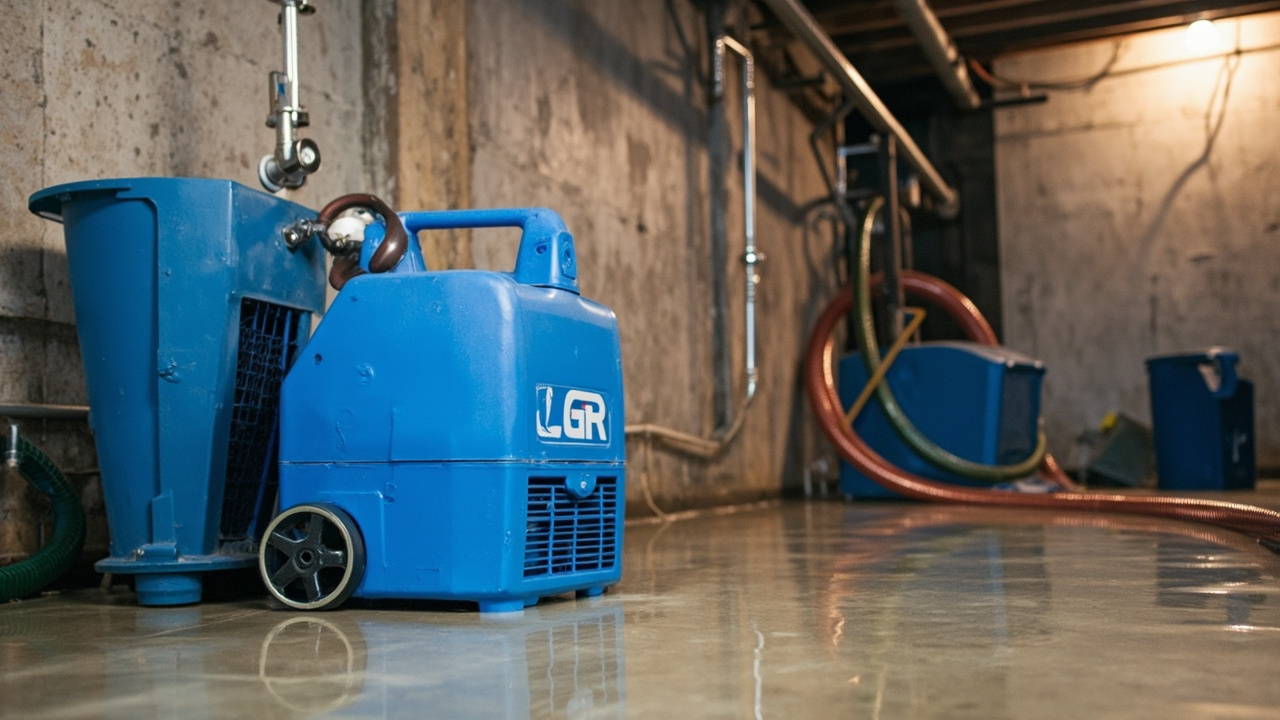
South Euclid basements face a relentless battle against groundwater due to the heavy clay soil…
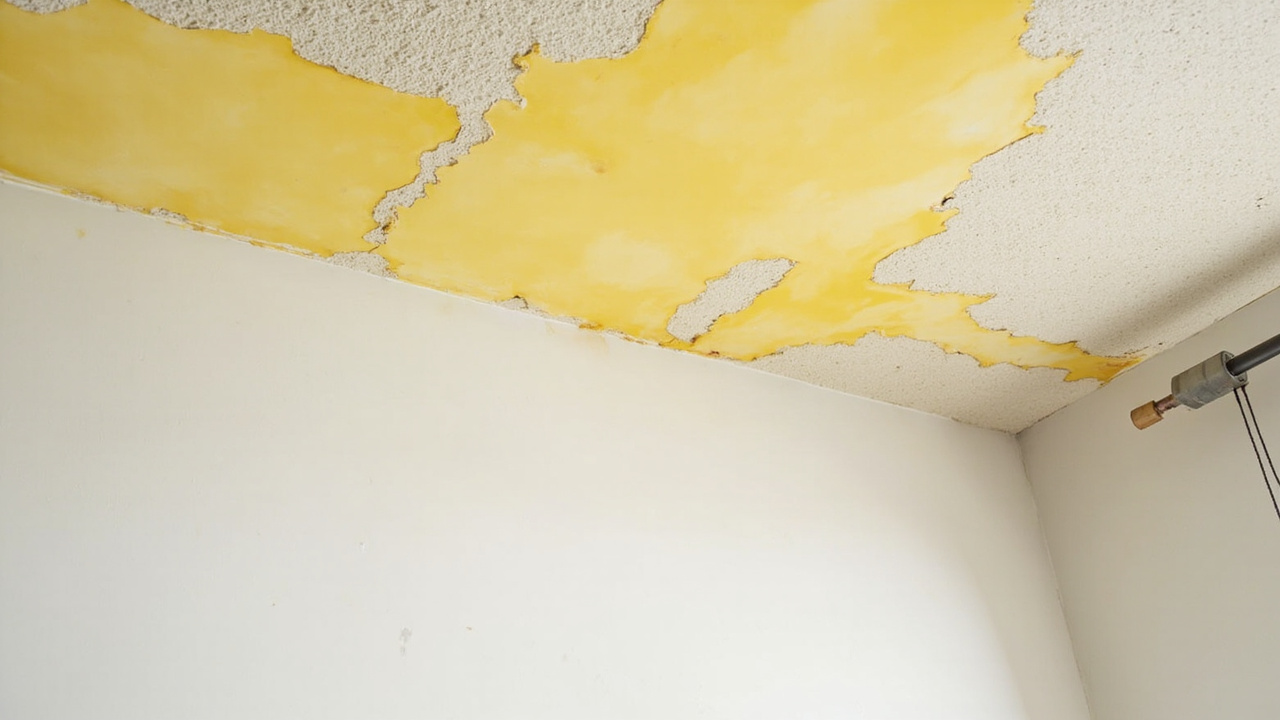
AC Condensate Leak Water Damage Solutions for Cleveland Homeowners A yellow stain appearing on your…
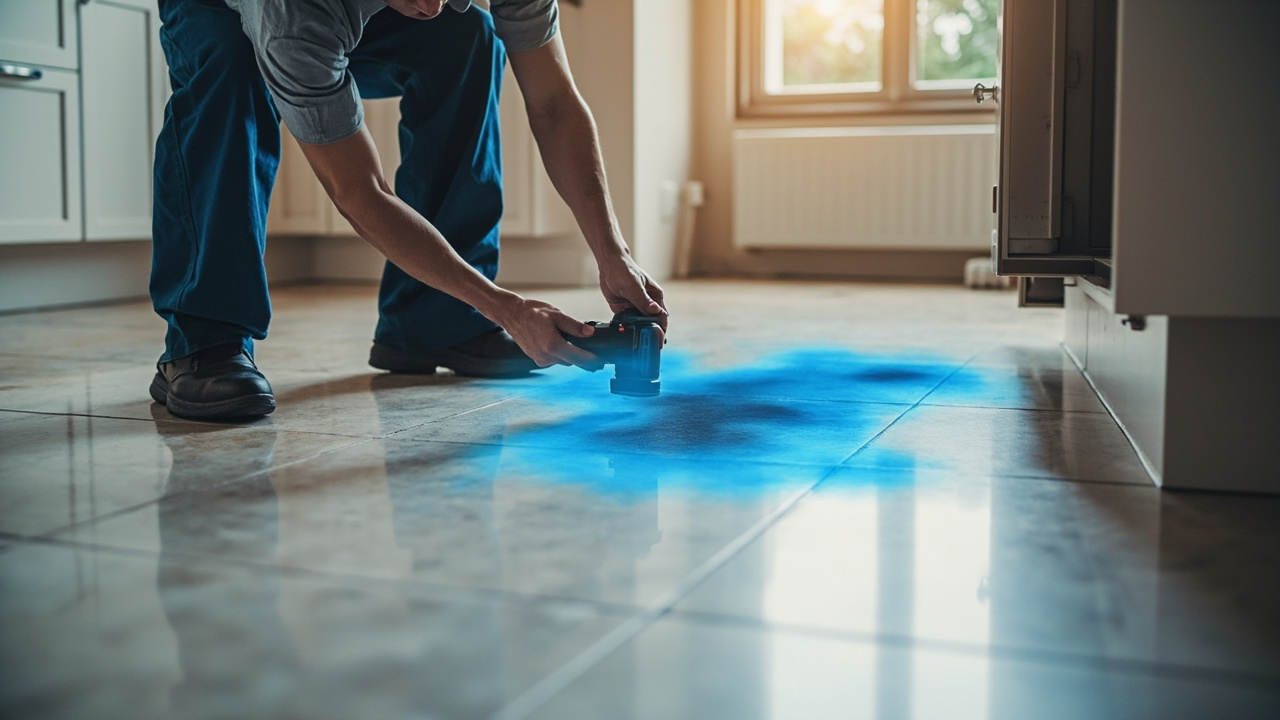
Water trapped under kitchen tile is a hidden threat for many Woodmere homeowners. You might…
Water spreads fast and causes expensive secondary damage when left untreated. Our emergency crews dispatch immediately to Westlake properties with extraction equipment and drying systems ready to deploy. Call (216) 547-1277 now for rapid response. We answer 24/7 and work directly with your insurance company.