





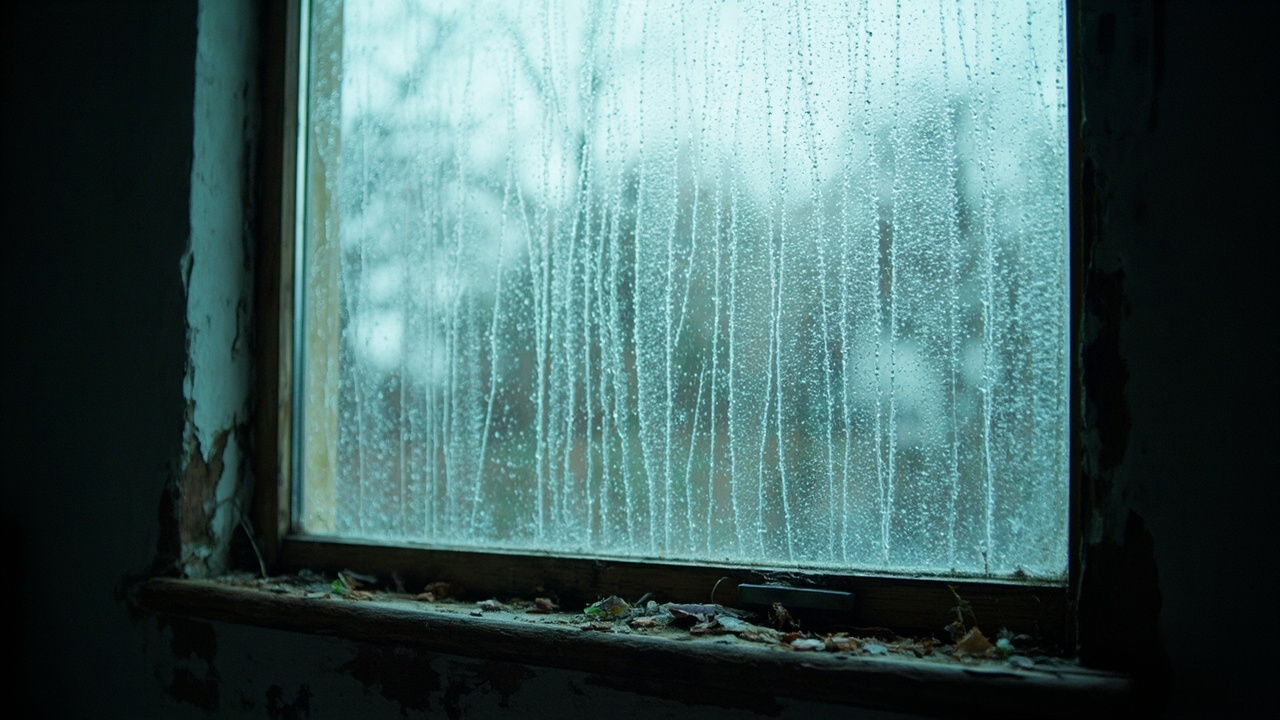

Cleveland sits 14 miles south of Lake Erie, which pumps moisture into the air every time cold air masses pass over its relatively warm water. This lake-effect humidity keeps indoor dew points elevated even in winter, when most cities experience dry indoor air. When your furnace heats your home to 70 degrees but outdoor temperatures drop to 20 degrees, your window glass becomes a condensation magnet. The temperature differential creates weeping window panes that drip water onto sills and walls. In older Cleveland neighborhoods where homes lack continuous vapor barriers, this moisture migrates into wall cavities and creates hidden mold problems that do not surface until spring. Lake-effect humidity is not a seasonal issue here. It is a structural design challenge that requires active moisture management year-round.
Cleveland's housing stock includes thousands of homes built before modern building codes required vapor barriers and insulated sheathing. If you live in Lakewood, Shaker Heights, or University Circle, your home likely predates these requirements. Local restoration professionals understand how these older homes behave in humid conditions. We know where moisture accumulates in balloon-framed walls. We know which foundation types are prone to groundwater intrusion. We know how Cleveland's clay soil shifts and cracks foundation walls. National restoration chains do not bring this knowledge. They send technicians trained on generic protocols that do not account for Cleveland's unique moisture challenges. When you hire local, you get expertise tailored to your city's climate and construction history.