


menu

Large Scale Water Extraction in Cleveland – Industrial-Grade Solutions That Minimize Downtime and Protect Your Bottom Line

When commercial flooding strikes your Cleveland facility, every minute of downtime costs money. Our high-volume water pumping systems and industrial water extraction equipment remove thousands of gallons fast, getting your operations back online while protecting structural integrity and meeting Ohio building code requirements.

Slider Image 1
Slider Image 2
Slider Image 3
Slider Image 4
Slider Image 5
Slider Image 7
Slider Image 8
Slider Image 9
Slider Image 10
Slider Image 11

Why Cleveland Commercial Properties Face Unique Large-Scale Water Risks

Cleveland's position on Lake Erie creates persistent humidity that accelerates water damage in commercial structures. When a main line ruptures or a roof fails during heavy lake-effect storms, the volume overwhelms standard extraction methods. A 50,000-square-foot warehouse can accumulate tens of thousands of gallons in hours.

The freeze-thaw cycles common to Northeast Ohio stress aging commercial infrastructure. Underground pipes in older industrial districts like the Flats or near Downtown experience higher failure rates. When those systems fail, you need industrial water extraction capacity that matches the scale of the problem.

Commercial water removal is not residential work scaled up. A flooded manufacturing floor requires different equipment than a basement. Production lines, inventory, and electrical systems demand faster response times. Business continuity depends on bulk water removal services that operate at commercial volume.

Ohio building codes require specific documentation for insurance claims on commercial properties. Large loss water mitigation involves more than extraction. It requires moisture mapping, thermal imaging, and detailed loss documentation that satisfy carriers and protect your claim.

The clay soil throughout Cuyahoga County compounds foundation water intrusion. When commercial buildings experience bulk flooding, that water migrates through foundation walls and floor slabs. High volume water pumping must address both standing water and subsurface moisture to prevent structural compromise and mold proliferation that shuts down operations.

Why Cleveland Commercial Properties Face Unique Large-Scale Water Risks
How Industrial-Grade Extraction Differs From Residential Water Removal

How Industrial-Grade Extraction Differs From Residential Water Removal

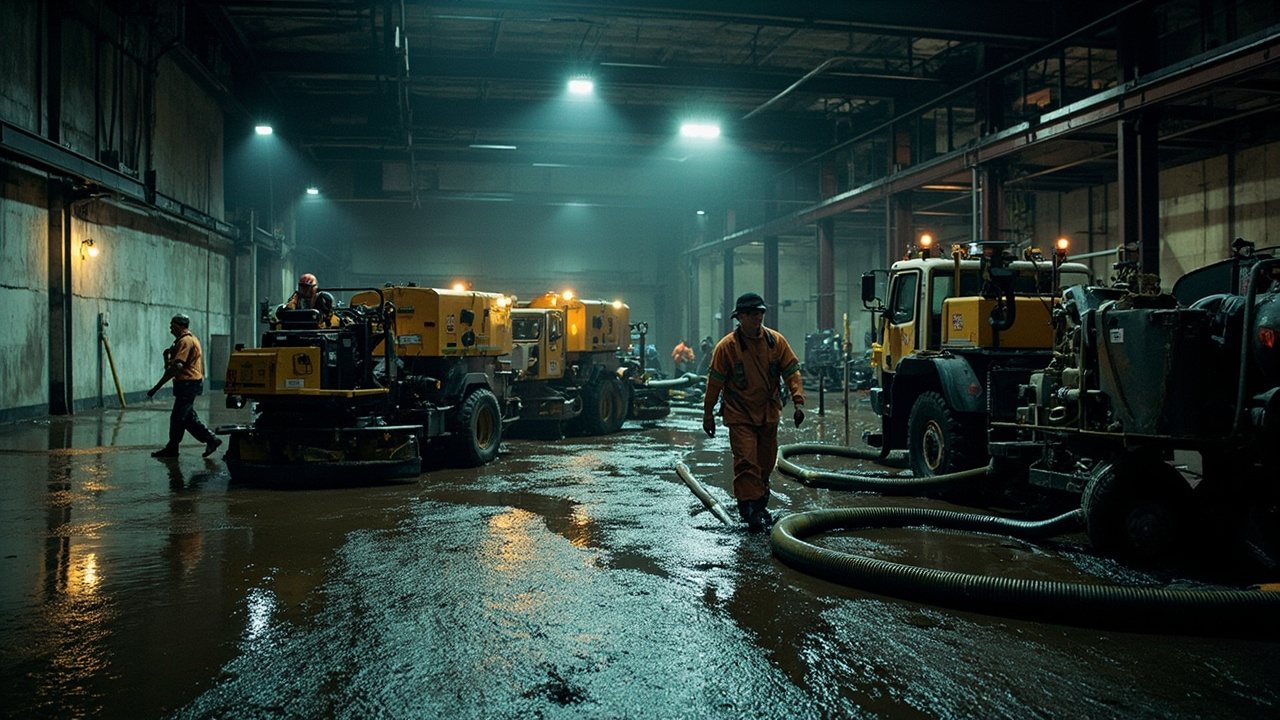
Commercial water removal requires truck-mounted extraction units that process 200-plus gallons per minute. Portable extractors work for homes. They fail in warehouses. We deploy diesel-powered pumps that handle debris-laden water without clogging.

Large loss water mitigation starts with zone isolation. We section your facility into extraction zones based on water depth, floor type, and operational priority. Critical production areas get addressed first. This phased approach minimizes total downtime and allows partial operation during mitigation.

Industrial water extraction involves specialized tooling. We use ride-on extraction units for large floor areas, submersible trash pumps for deep standing water, and weighted extraction wands that maintain floor contact on smooth concrete. The equipment matches the substrate and water volume.

Documentation separates professional large-scale water extraction from emergency pumping. We photograph pre-extraction conditions, log moisture readings at 10-foot intervals, and map affected areas using CAD overlays. This data supports your insurance claim and provides baseline metrics for drying verification.

High volume water pumping creates disposal challenges. A flooded 100,000-square-foot facility generates water volumes that exceed municipal storm drain capacity. We coordinate with Cleveland Water Department for approved discharge points and use tanker trucks when necessary to transport contaminated water to treatment facilities. This prevents code violations that delay your certificate of occupancy and complicate claims.

We integrate with your facility management team. You know your building. We provide the extraction capacity and technical expertise. That collaboration speeds decision-making and reduces business interruption.

Our Commercial Water Extraction Protocol

Large Scale Water Extraction in Cleveland – Industrial-Grade Solutions That Minimize Downtime and Protect Your Bottom Line
01

Rapid Site Assessment

We arrive with industrial moisture meters and thermal cameras to map water distribution across your facility. This assessment identifies extraction priorities, safety hazards like electrical risks, and structural concerns. We provide you with a written scope and timeline within 60 minutes of arrival. You get immediate answers about operational impact, not vague estimates.
02

Staged Water Removal

Our crews deploy truck-mounted pumps and portable extraction units based on your operational priorities. We remove standing water first, then address absorbed moisture in concrete and subflooring. Real-time moisture monitoring lets us adjust equipment placement and drying strategy as conditions change. You receive progress updates every four hours during active extraction.
03

Verification and Documentation

We test moisture levels against IICRC S500 standards to confirm your facility meets dry-standard thresholds. You receive a complete mitigation report with before and after readings, equipment logs, and photographic documentation. This package supports your insurance claim and provides the documentation needed for regulatory compliance and operational restart.

Why Cleveland Businesses Trust Our Large-Scale Extraction Capacity

Horizon Water Damage Restoration Cleveland maintains extraction equipment staged for immediate commercial deployment. When you call, we dispatch truck-mounted pumps and industrial air movers without waiting for rental company availability. Our equipment is maintained in-house and ready.

We understand Cleveland's commercial building stock. The older industrial structures near the Cuyahoga River have different water management challenges than newer facilities in suburbs like Strongsville or Westlake. Historic buildings downtown require extraction methods that protect unreinforced masonry and aging floor systems. We adjust our approach based on your building type and construction era.

Our technicians hold IICRC certifications in commercial water damage restoration and applied structural drying. This training matters when you are dealing with occupied buildings, sensitive equipment, or contaminated water. We follow OSHA confined space protocols and coordinate with your EHS team on safety procedures.

Local relationships matter during large loss events. We work directly with Cleveland-area insurance adjusters and third-party administrators who handle commercial claims. This familiarity speeds approval processes and reduces claim disputes. Your adjuster knows our documentation standards meet their requirements.

Ohio Revised Code 3781 governs commercial building restoration. We maintain detailed work logs that satisfy state requirements for commercial water damage claims over $50,000. This compliance protects your claim and prevents disputes over covered losses.

You need a contractor who understands liability. Water extraction in occupied commercial buildings creates slip hazards and electrical risks. We maintain comprehensive general liability coverage and workers compensation insurance. You receive certificates of insurance before we start work.

What Your Business Can Expect From Our Commercial Water Extraction Service

Response Time and Deployment Speed

We arrive on-site within two hours of your call for Cleveland-area commercial properties. Our crews bring truck-mounted extraction equipment capable of processing thousands of gallons per hour. You get immediate water removal, not a consultation appointment. For facilities requiring multiple crews or specialized equipment, we coordinate deployment to minimize your operational downtime. Emergency calls receive priority dispatch regardless of time or day.

Assessment and Loss Documentation

Our initial assessment includes moisture mapping using thermal imaging and penetrating moisture meters. We document water source, affected areas, and contamination level. You receive a written scope that outlines extraction strategy, equipment requirements, and estimated timeline. This documentation starts your insurance claim file and provides the technical detail adjusters need to approve emergency services. We photograph conditions before extraction begins to establish baseline damage.

Extraction Quality and Verification

We extract water to IICRC S500 standards for commercial structures. This means moisture levels in building materials return to normal ranges, not just removal of standing water. Our verification process includes post-extraction moisture readings at grid intervals across affected areas. You receive documented proof that your facility meets insurance dry-down standards. This verification prevents disputes over incomplete work and protects against future mold claims.

Post-Extraction Monitoring and Support

Large-scale water events require follow-up monitoring to confirm complete drying. We schedule return visits to verify moisture levels remain stable after equipment removal. This monitoring catches hidden moisture pockets that can cause delayed damage. You receive final clearance documentation when your facility passes all moisture benchmarks. Our reports satisfy insurance requirements and provide the closure documentation needed to resume normal operations without future liability concerns.

Frequently Asked Questions

You Have Questions,
We Have Answers

How to purify water on a large scale? +

Large scale water purification for commercial facilities requires multi-stage filtration systems including sedimentation, coagulation, and activated carbon treatment. In Cleveland, industrial operations often use reverse osmosis or UV disinfection to meet EPA standards. The process depends on source water quality and intended use. For emergency water extraction scenarios after flooding, you need rapid deployment pumps and dehumidification systems first, then assess if purification is necessary. Commercial restoration focuses on removing contaminated water quickly to prevent structural damage and microbial growth. Consult certified water damage professionals for proper protocols.

How to soak up large amounts of water? +

Soaking up large water volumes in commercial spaces requires industrial extraction equipment, not household methods. Use truck-mounted extractors with 200-plus CFM capacity for warehouses or retail spaces. Submersible pumps handle standing water, while weighted extraction wands pull moisture from carpet and concrete. In Cleveland's humid climate, pair extraction with commercial dehumidifiers running at 150-pint-plus capacity to prevent secondary damage. Deploy air movers to accelerate evaporation across affected surfaces. Document moisture levels with thermal imaging. For business continuity, speed matters. Professional crews complete extraction in hours, minimizing downtime and reducing liability exposure.

How to remove large amounts of water? +

Remove large water volumes using submersible pumps for standing water over two inches, then transition to truck-mounted extractors for embedded moisture. In commercial settings, deploy multiple extraction units simultaneously across affected zones. Cleveland facilities with basement flooding need sump pump systems with battery backup due to power outages during storms. Use weighted wands on carpets and upholstery, then place air movers strategically to create airflow patterns. Monitor with moisture meters to verify complete removal. Contaminated water requires proper disposal per Ohio EPA regulations. Professional extraction teams reduce drying time by 50 percent compared to consumer equipment.

What is an example of a large scale water diversion project? +

The California Aqueduct represents large scale water diversion, moving 4.4 million acre-feet annually over 444 miles. Closer to Cleveland, the Great Lakes Water Diversion Project regulates withdrawal from Lake Erie under interstate compact agreements. These systems use massive pumping stations, canals, and reservoirs. For commercial water damage restoration, diversion means redirecting water flow away from structures using berms, sandbags, or temporary pumping systems. Cleveland businesses near the Cuyahoga River implement flood diversion plans during spring thaw events. The principle scales down but requires engineered solutions for protecting inventory and equipment.

How to purify 100 gallons of water? +

Purifying 100 gallons requires appropriate systems based on contamination type. For potable water, use a 100-gallon bladder tank with inline carbon filtration and UV sterilization. Commercial operations need NSF-certified equipment. Boiling works but is impractical at this volume. Chemical treatment with calcium hypochlorite requires precise dosing. In Cleveland emergency scenarios after pipe breaks or flooding, 100 gallons serves a small office temporarily. Businesses should maintain bottled water reserves instead. Water damaged by sewage backup cannot be safely purified onsite. Focus on rapid extraction and disposal. Professional remediation teams handle contaminated water according to IICRC S500 standards.

Can you drink any water with LifeStraw? +

LifeStraw filters bacteria and parasites from freshwater sources but does not address chemical contaminants, heavy metals, or viruses effectively. It works for backcountry hiking, not commercial water damage situations. Cleveland facilities facing flooding deal with sewage backups, industrial chemicals, and petroleum products from streets. These require professional remediation, not portable filters. LifeStraw cannot handle gray or black water classifications common in commercial losses. Business owners need Category 2 and 3 water extracted and disposed of properly. Insurance adjusters will not accept filtration as adequate remediation. Deploy certified restoration contractors with proper equipment and protocols.

How do I get rid of standing water in my yard? +

Standing water in commercial yards signals drainage problems requiring grading correction or French drain installation. Cleveland's clay soil compounds drainage issues during spring rains. Immediate removal needs sump pumps or trash pumps for large volumes. Create temporary swales directing water away from building foundations. Check downspouts and ensure proper discharge beyond the yard perimeter. For parking lots, clean catch basins and repair cracked asphalt allowing pooling. Persistent problems need civil engineering assessment. Document standing water for insurance purposes if it threatens structures. Professional site work prevents recurring issues and protects property values.

How do you extract heavy water? +

Heavy water extraction refers to deuterium oxide production through chemical exchange processes or electrolysis, used in nuclear reactors and research. This is specialized industrial chemistry, not water damage restoration. If you mean extracting large water volumes, commercial restoration uses truck-mounted systems generating 200 to 400 CFM suction. Cleveland facilities with severe flooding need trailer-mounted extractors handling thousands of gallons hourly. Weighted extraction tools apply 200-plus pounds of pressure to pull moisture from materials. The term heavy water in restoration contexts means high-volume removal requiring industrial equipment. Professional teams mobilize appropriate gear based on facility size and damage extent.

How to get rid of water weight super fast? +

This question addresses personal health, not commercial water extraction. Water weight reduction involves dietary sodium reduction, hydration management, and medical consultation. Commercial facilities need actual water removal from structures after flooding, pipe breaks, or roof leaks. Cleveland businesses cannot afford downtime waiting for natural evaporation. Professional water extraction removes thousands of gallons within hours using industrial equipment. Deploy submersible pumps, truck-mounted extractors, and commercial dehumidifiers immediately. Document losses for insurance claims. Speed prevents mold growth starting within 24 to 48 hours. Focus on business continuity and liability reduction through rapid professional response.

How Lake Erie Weather Patterns Increase Commercial Flooding Risk in Cleveland

Cleveland's lake-effect precipitation creates unique challenges for commercial water extraction. Winter storms dump heavy snow that melts rapidly during temperature swings, overwhelming roof drains and gutters. Spring brings sustained rainfall that saturates soil and stresses foundation waterproofing. Commercial buildings in low-lying areas near the Cuyahoga River or lakefront face elevated flooding risk during these weather events. Bulk water removal services must account for continued water intrusion while extraction is underway, requiring staged pumping that matches inflow rates.

Commercial properties in Cleveland must meet Ohio Building Code Chapter 14 for flood-resistant construction and water damage restoration. Our industrial water extraction methods comply with these requirements and provide the documentation needed for code compliance verification. We work with Cleveland Division of Building and Housing inspectors on commercial restoration projects requiring permits. This local regulatory knowledge prevents delays and ensures your facility meets all municipal requirements before reopening.
Water Damage Restoration Services in The Cleveland Area

Horizon Water Damage Restoration Cleveland proudly serves the entire Cleveland area and its surrounding communities. Our team is strategically located to ensure a rapid response to your water damage emergency. We are committed to being there for you when you need us most. Please view the map to see our service area and feel free to reach out to us with any questions or for immediate assistance.

Address:
Horizon Water Damage Restoration Cleveland, 3224 Prospect Ave E, Cleveland, OH, 44115

Additional Services We Offer

Our news updates

Latest Articles & News from The Blogs

South Euclid basements face a relentless battle against groundwater due to the heavy clay soil common across the Cleveland metro…

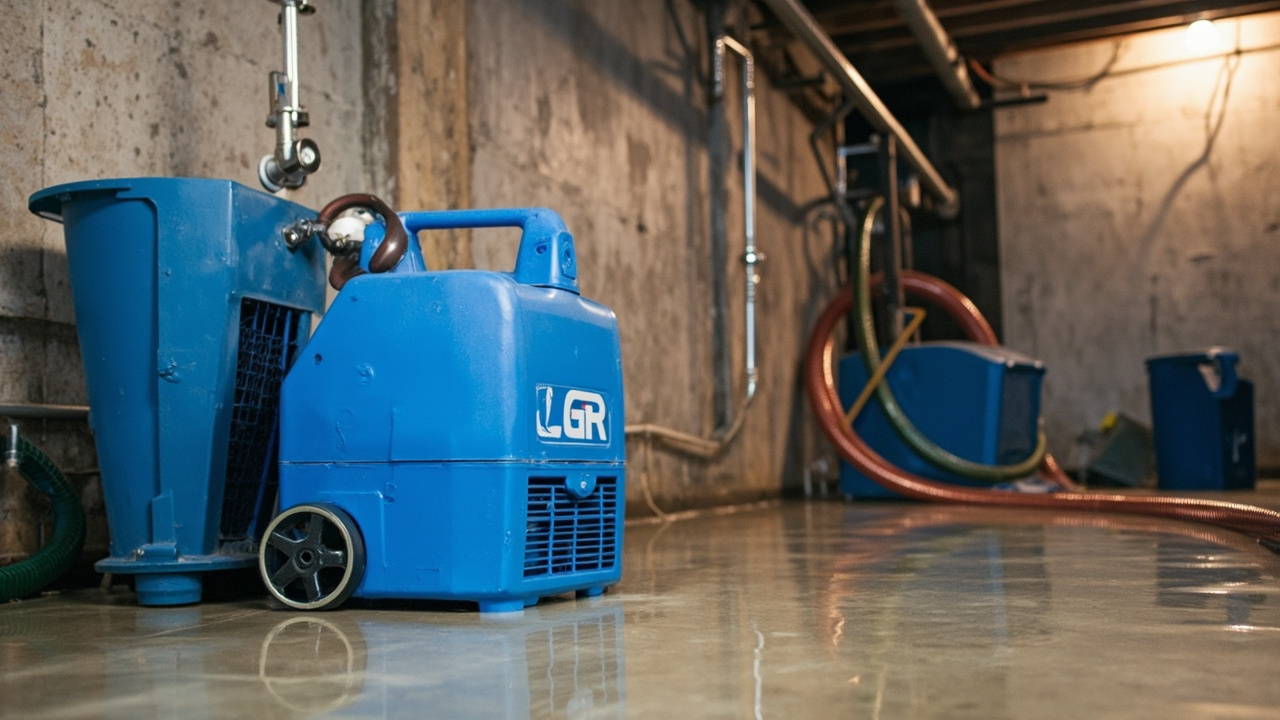
Why South Euclid homeowners need more than a standard dehumidifier for wet basements

South Euclid basements face a relentless battle against groundwater due to the heavy clay soil common across the Cleveland metro…

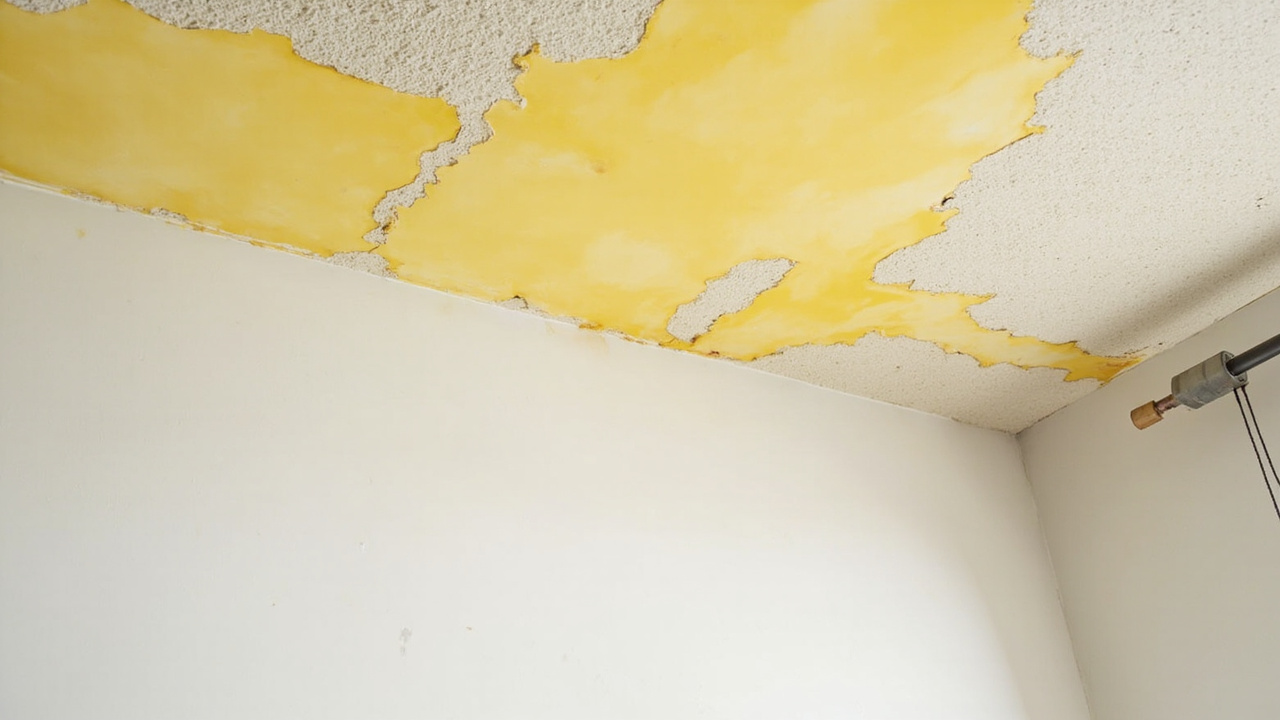
Why your air conditioner is leaking through the ceiling in Broadview Heights

AC Condensate Leak Water Damage Solutions for Cleveland Homeowners A yellow stain appearing on your second floor ceiling often signals…

Can Water Get Trapped Under the Tile in Your Woodmere Kitchen

Water trapped under kitchen tile is a hidden threat for many Woodmere homeowners. You might see a beautiful porcelain or…

Contact Us

Commercial water damage costs you money every hour your facility stays offline. Call (216) 547-1277 now for immediate large-scale water extraction deployment. Our industrial pumps and experienced crews are ready to minimize your downtime and protect your business.