




menu

Hidden Moisture Detection in Cleveland – Expert Technology That Finds Water Damage Before It Destroys Your Home

Our thermal imaging cameras and hygrometers detect hidden moisture detection problems behind walls, under floors, and in ceilings where the naked eye cannot see, preventing mold growth and structural decay in Cleveland homes.

Slider Image 1
Slider Image 2
Slider Image 3
Slider Image 4
Slider Image 5
Slider Image 7
Slider Image 8
Slider Image 9
Slider Image 10
Slider Image 11

Why Hidden Water is Such a Dangerous Problem in Cleveland Homes

You smell something musty. Your utility bills climbed for no reason. Maybe you noticed a slight discoloration on the ceiling or felt a cold spot on the floor. These are the warning signs of hidden moisture, and they happen all the time in Cleveland.

The problem is Lake Erie's humidity. Cleveland sits on the southern shore, which means moisture levels in the air stay elevated year-round. That constant dampness seeps into every crack, gap, and void in your home's structure. When temperatures swing from freezing winters to humid summers, that trapped moisture condenses inside wall cavities, under flooring systems, and behind tile surrounds.

Most homeowners do not discover the damage until drywall crumbles, floor joists rot, or black mold spreads across an entire bathroom. By then, a minor leak has become a major remediation project.

Detecting invisible leaks requires more than a visual inspection. Water travels along floor joists, pools on top of vapor barriers, and hides behind finished surfaces. You might have a slow plumbing leak, a roof penetration failure, or foundation seepage that has been active for months without any visible sign.

Finding trapped water early is the difference between a quick repair and a gut renovation. Locating concealed dampness stops secondary damage like wood rot, insulation failure, and hazardous mold colonization. Identifying unseen water intrusion protects your investment and your family's health.

Cleveland's older housing stock, with plaster walls and outdated plumbing, makes spotting hidden water damage even harder. You need diagnostic equipment that sees what you cannot.

Why Hidden Water is Such a Dangerous Problem in Cleveland Homes
How We Use Advanced Equipment to Find Every Drop of Hidden Moisture

How We Use Advanced Equipment to Find Every Drop of Hidden Moisture

We do not guess. We use calibrated moisture meters, thermal imaging cameras, and infrared technology to map exactly where water is hiding in your Cleveland home.

Our technicians start with a moisture meter equipped with penetrating pins and non-invasive scanning pads. The penetrating probe measures moisture content in wood framing, drywall, and subflooring by sending an electrical current between two pins. Readings above 16 percent indicate active moisture. Readings above 20 percent signal an urgent problem.

For areas we cannot penetrate, like tile walls or finished ceilings, we use non-invasive electromagnetic scanners. These tools detect moisture up to three-quarters of an inch below the surface without damaging your finishes.

Next, we deploy thermal imaging cameras. These cameras detect temperature variations caused by evaporation and thermal bridging. Wet insulation shows up as a cold spot. Active leaks create temperature gradients that appear as color shifts on the infrared display. We can trace the water migration path from the source through studs, along joists, and into adjacent rooms.

Hygrometers measure relative humidity in wall cavities and crawl spaces. Elevated humidity levels above 60 percent indicate trapped moisture that will eventually condense and cause rot.

We document every reading with time-stamped photographs and moisture maps. This gives you a clear picture of the problem and a roadmap for the fix. It also provides documentation for insurance claims.

Horizon Water Damage Restoration Cleveland uses this technology on every moisture detection call because we know how fast hidden water destroys Cleveland homes. We find the problem, trace it to the source, and stop it before it spreads.

What Happens During a Professional Moisture Detection Inspection

Hidden Moisture Detection in Cleveland – Expert Technology That Finds Water Damage Before It Destroys Your Home
01

Initial Assessment and Scanning

We walk your property with you to understand your concerns and identify areas of suspected moisture intrusion. Then we begin scanning all adjacent and surrounding areas with thermal imaging cameras and moisture meters. We check walls, floors, ceilings, and any area where plumbing or exterior building envelope components are present. This phase creates a baseline moisture map of your home.
02

Detailed Moisture Mapping

After identifying moisture anomalies, we use penetrating moisture meters to confirm the exact moisture content in building materials. We trace the moisture migration path to locate the source, whether it is a leaking pipe, roof intrusion, foundation seepage, or HVAC condensation issue. We photograph thermal images and record all moisture readings in a detailed report that shows affected areas and severity levels.
03

Diagnosis and Action Plan

We review all findings with you and explain what caused the moisture intrusion, where the water traveled, and what materials are affected. You receive a written report with moisture maps, thermal images, and recommended next steps. If drying and remediation are needed, we outline the scope and timeline. If a plumbing or roofing repair is required first, we coordinate with licensed contractors to ensure the source is fixed before restoration begins.

Why Cleveland Homeowners Trust Us for Accurate Moisture Detection

Cleveland's housing mix presents unique challenges. You have century-old homes in neighborhoods like Ohio City and Tremont with plaster walls, balloon framing, and cast iron plumbing. You have post-war bungalows in Parma and Lakewood with slab foundations and outdated vapor barriers. You have newer construction in suburbs like Westlake and Strongsville with complex HVAC systems and spray foam insulation.

Each building type hides moisture differently. Plaster does not show water stains the way drywall does. Spray foam insulation traps moisture against sheathing. Slab foundations allow water to wick up through concrete and into flooring systems without any visible sign.

We have worked in all of these structures. We understand how water moves through different building assemblies and where it hides. That experience lets us find problems faster and with greater accuracy than a generalist restoration company.

Our technicians are trained in building science, not just equipment operation. We know that a cold spot on a thermal camera could be a plumbing leak, an air infiltration point, or a thermal bridge from poor insulation. We interpret the data correctly because we understand the physics of moisture migration and heat transfer.

We also know Cleveland's weather patterns. We understand that ice dams form on north-facing rooflines during freeze-thaw cycles. We know that foundation walls in clay soil experience hydrostatic pressure after heavy rain. We recognize that crawl spaces flood when sump pumps fail during spring storms.

This local expertise means fewer false positives and faster diagnosis. You get answers, not guesswork. Horizon Water Damage Restoration Cleveland has built our reputation on accurate detection and honest communication. We do not upsell. We tell you what we find and what it means.

What You Should Expect When You Call for Moisture Detection

Fast Response Time

We arrive within hours, not days. Hidden moisture spreads quickly, and mold can colonize damp materials in as little as 24 to 48 hours. When you call, we dispatch a technician with diagnostic equipment immediately. Most Cleveland-area inspections are scheduled the same day or the next morning. We do not make you wait while water damage worsens. Speed matters because every hour of delay increases the scope and cost of the eventual repair.

Thorough Diagnostic Inspection

Our technicians spend the time necessary to scan your entire property. We do not rush. A complete moisture inspection includes thermal imaging of all exterior walls, scanning around plumbing fixtures, checking under sinks and appliances, inspecting attic insulation, and testing crawl space humidity levels. We also check for secondary indicators like efflorescence on foundation walls, rust stains on fasteners, and delamination in flooring. You receive a written report with all findings, moisture readings, and thermal images included.

Clear Answers and Documentation

You will know exactly what is wrong, where the water is coming from, and what needs to happen next. We explain findings in plain language, not jargon. If you need the report for an insurance claim, we provide detailed documentation that meets adjuster requirements. Our moisture maps and thermal images give your insurer the proof needed to approve your claim. We also provide referrals to licensed plumbers or roofers if a source repair is needed before drying and restoration can begin.

Follow-Up Moisture Testing

After the source is repaired and affected materials are dried, we return to verify that moisture levels have returned to normal. This follow-up testing confirms that the problem is resolved and prevents future mold growth. We do not consider the job complete until moisture readings are below 15 percent and humidity levels are stable. If you are working with a contractor on repairs, we coordinate testing schedules to ensure all work meets drying standards before walls are closed up.

Frequently Asked Questions

You Have Questions,
We Have Answers

Why does my phone say moisture detected when there is no moisture? +

Your phone detects moisture through electrical resistance sensors in the charging port. False positives happen when the port contacts get dirty, corroded, or exposed to high humidity. Cleveland's humidity swings, particularly during spring and fall, can trigger the sensor even without direct water exposure. Try gently cleaning the port with a dry toothbrush and letting it air out for 30 minutes. If the warning persists after cleaning, you may have internal corrosion from previous exposure. Residual moisture inside your phone casing can linger for days, especially if you recently used it near steam or in a damp basement.

Do moisture detectors really work? +

Professional moisture meters work reliably when used correctly. Pin-type meters measure electrical resistance between two probes, accurate for wood and drywall. Pinless meters use electromagnetic scanning to detect moisture beneath surfaces without penetration. Accuracy depends on calibration, material type, and operator training. Cheap consumer-grade detectors often give false readings because they lack material-specific settings. In Cleveland homes, humidity from Lake Erie can skew readings if meters are not adjusted for ambient conditions. Professional restoration technicians use multiple detection methods, including thermal imaging and humidity mapping, to confirm moisture presence before starting remediation work.

How to find where moisture is coming from in a house? +

Start by checking obvious sources like roof leaks, basement seepage, and plumbing fixtures. In Cleveland, ice dams during winter and foundation water intrusion from clay soil saturation cause most hidden moisture problems. Look for discoloration, peeling paint, musty odors, or warped flooring. Check under sinks, around toilets, and near water heaters. Inspect your attic after heavy snow for ice dam damage. Use a flashlight in crawl spaces and basements after rain. Professional moisture meters can pinpoint exact locations behind walls and under floors. Thermal imaging reveals temperature differences caused by evaporating water, showing you exactly where moisture hides.

How to detect moisture behind walls? +

Professional moisture meters penetrate drywall to measure water content without removing the wall. Pin-type meters use small probes inserted through the surface. Pinless meters scan from the outside using electromagnetic waves. Thermal imaging cameras detect temperature differences caused by wet insulation and framing. In Cleveland homes with plaster walls, moisture often travels horizontally through lath before showing visible signs. Check baseboards for separation, paint bubbles, or soft spots. Tap the wall and listen for hollow sounds indicating deteriorated drywall. Professional inspections combine multiple technologies to map moisture without demolition, saving you money on unnecessary wall removal.

How Lake Erie Humidity and Cleveland's Clay Soil Create Hidden Moisture Problems

Cleveland sits in a unique moisture zone. Lake Erie keeps relative humidity elevated year-round, often above 70 percent in summer months. That constant moisture vapor infiltrates homes through foundation cracks, poorly sealed windows, and unvented crawl spaces. When humid air contacts cold surfaces like basement walls or air conditioning ducts, it condenses into liquid water. Meanwhile, Cleveland's expansive clay soil shifts with seasonal moisture changes, creating foundation cracks and allowing groundwater seepage. These two factors combine to create a high-risk environment for concealed water intrusion that most homeowners never see until structural damage appears.

Horizon Water Damage Restoration Cleveland understands these local conditions because we work in them every day. We know that homes in Shaker Heights and Cleveland Heights experience basement seepage during spring runoff. We know that older homes in Lakewood and Rocky River have undersized gutters that overflow during heavy rain and saturate foundation walls. We also understand that Cleveland's freeze-thaw cycles cause roof flashing failures and ice dam leaks. This local knowledge helps us identify moisture sources faster and recommend solutions that work in Cleveland's climate, not just in theory.
Water Damage Restoration Services in The Cleveland Area

Horizon Water Damage Restoration Cleveland proudly serves the entire Cleveland area and its surrounding communities. Our team is strategically located to ensure a rapid response to your water damage emergency. We are committed to being there for you when you need us most. Please view the map to see our service area and feel free to reach out to us with any questions or for immediate assistance.

Address:
Horizon Water Damage Restoration Cleveland, 3224 Prospect Ave E, Cleveland, OH, 44115

Additional Services We Offer

Our news updates

Latest Articles & News from The Blogs

South Euclid basements face a relentless battle against groundwater due to the heavy clay soil common across the Cleveland metro…

Why South Euclid homeowners need more than a standard dehumidifier for wet basements

South Euclid basements face a relentless battle against groundwater due to the heavy clay soil common across the Cleveland metro…

Why your air conditioner is leaking through the ceiling in Broadview Heights

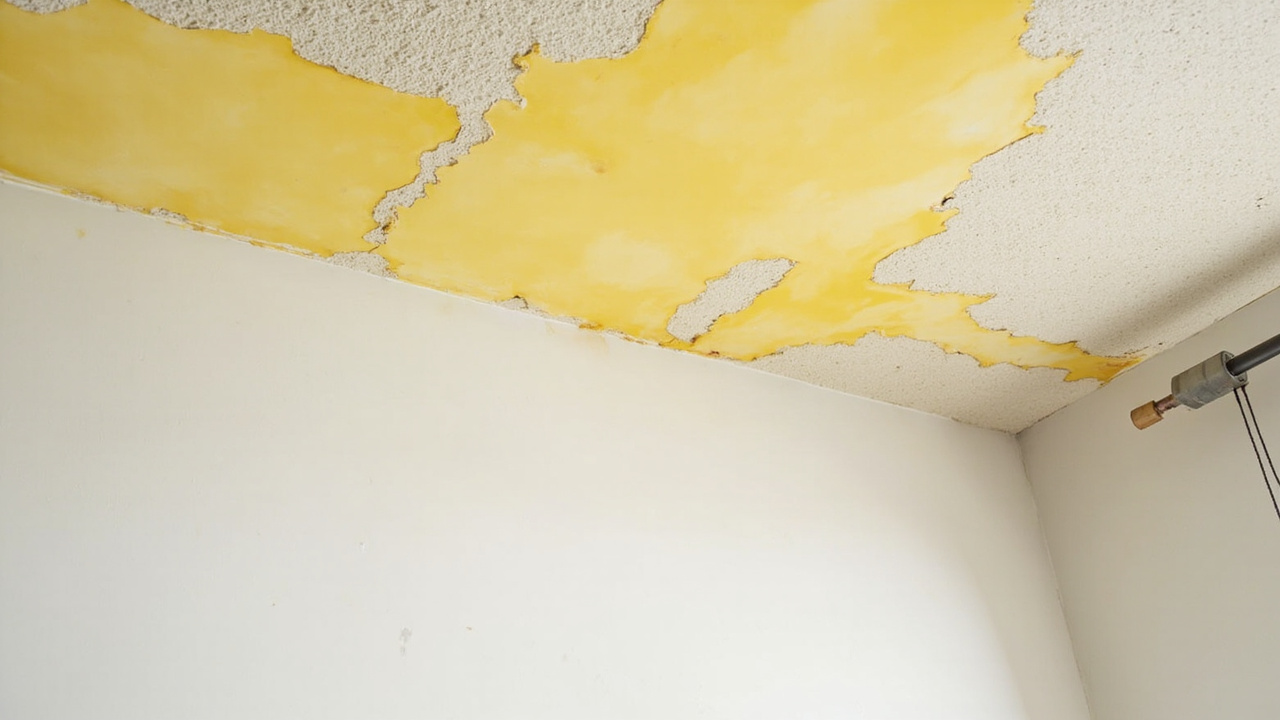
AC Condensate Leak Water Damage Solutions for Cleveland Homeowners A yellow stain appearing on your second floor ceiling often signals…

Can Water Get Trapped Under the Tile in Your Woodmere Kitchen

Water trapped under kitchen tile is a hidden threat for many Woodmere homeowners. You might see a beautiful porcelain or…

Contact Us

Do not wait for visible damage. Call Horizon Water Damage Restoration Cleveland now at (216) 547-1277 for professional moisture detection. We bring the equipment and expertise to find hidden water today, so you can stop the damage before it spreads.