




menu

Soggy Insulation in Cleveland – Expert Diagnosis and Fast Removal Before Mold Takes Hold

Cleveland homeowners facing wet insulation, water damaged insulation, or saturated insulation need immediate professional assessment to prevent structural rot, toxic mold growth, and skyrocketing energy bills in this humid lake-effect climate.

Slider Image 1
Slider Image 2
Slider Image 3
Slider Image 4
Slider Image 5
Slider Image 7
Slider Image 8
Slider Image 9
Slider Image 10
Slider Image 11

Why Soggy Insulation Is a Critical Problem in Cleveland Homes

You walk into your attic or basement and notice a damp smell. You touch the insulation and it feels heavy, cold, and wet. That soggy insulation is not just ineffective. It is actively creating conditions for mold, wood rot, and energy loss.

Cleveland's proximity to Lake Erie creates a perfect storm for insulation saturation. Lake-effect moisture combined with freeze-thaw cycles means roofs, gutters, and foundations take a beating. When ice dams form on your roof in winter, meltwater backs up under shingles and soaks attic insulation. When spring rains hit poorly graded yards, water seeps through basement walls and saturates fiberglass batts. When summer humidity spikes, condensation forms in poorly ventilated crawl spaces and dampens insulation below your floors.

Soaked insulation loses its R-value immediately. It cannot trap air, which means it cannot insulate. Your furnace runs longer. Your AC struggles. Your energy bills climb. But the real danger is biological. Wet insulation becomes a breeding ground for black mold, which releases spores into your air supply. You breathe those spores. Your family breathes those spores. Damp insulation also holds moisture against wood framing, which leads to rot, weakened joists, and structural failure over time.

Many Cleveland homeowners assume they can dry out saturated insulation with fans or dehumidifiers. That does not work. Once fiberglass or cellulose insulation absorbs water, it compresses and loses its structure. You need professional removal, controlled drying, and replacement with moisture-resistant materials.

Why Soggy Insulation Is a Critical Problem in Cleveland Homes
How We Remove and Replace Water Damaged Insulation

How We Remove and Replace Water Damaged Insulation

We do not guess. We measure. Every soggy insulation job starts with moisture mapping using thermal imaging cameras and pin-type moisture meters. We identify the source of the water intrusion first, because replacing insulation without fixing the leak is a waste of your money.

Once we locate the source, whether it is a roof penetration, a cracked foundation, or failed vapor barrier, we isolate the affected area with containment barriers and negative air pressure. This prevents cross-contamination of clean spaces with mold spores or fiberglass particles during removal.

We remove water damaged insulation by hand, not with blowers that scatter contaminated debris. Fiberglass batts are bagged in heavy-duty contractor bags. Blown-in cellulose is vacuumed with HEPA-filtered equipment. If we find visible mold growth on framing or sheathing, we apply antimicrobial treatments approved for structural use.

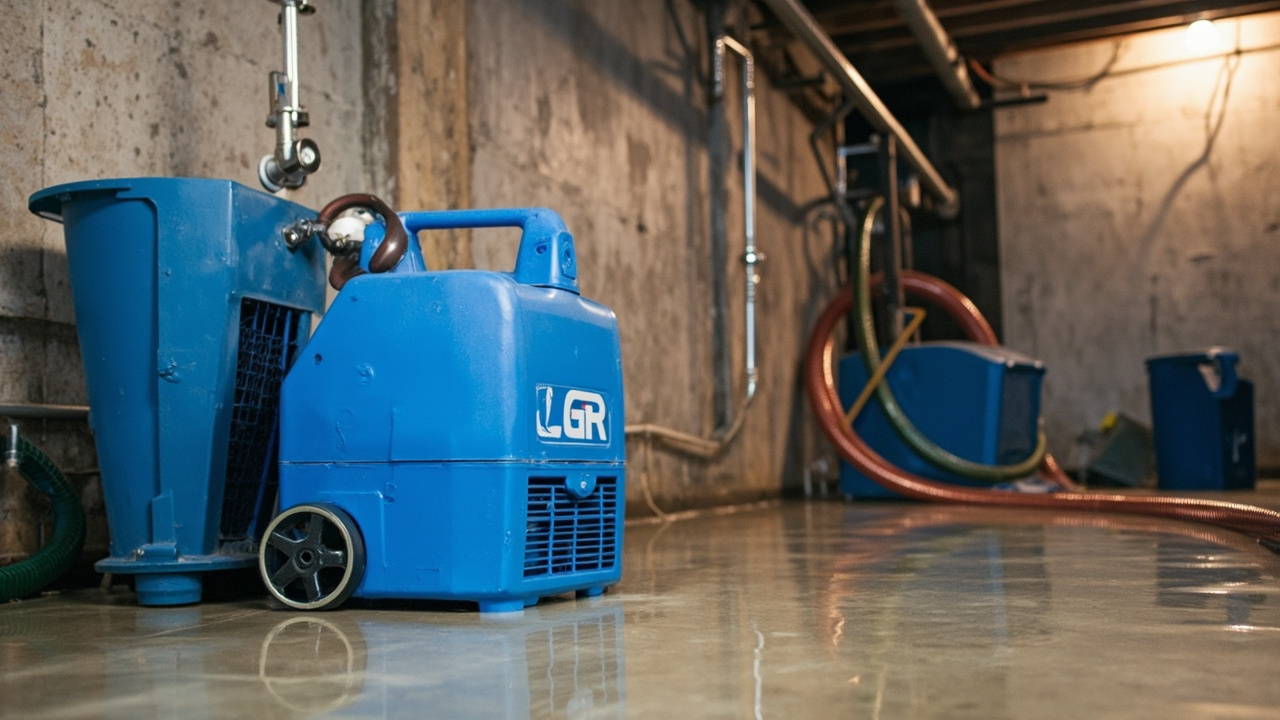
After removal, we dry the cavity completely using commercial-grade air movers and dehumidifiers. We recheck moisture levels in wood framing until readings drop below 15 percent, the threshold for mold growth. If framing shows signs of rot, we document it and recommend structural repairs before reinstallation.

Reinstallation depends on the location and risk level. For attics with a history of ice dams, we install closed-cell spray foam or rigid foam board with sealed seams. For basements prone to seasonal seepage, we use foam board insulation that resists moisture absorption. For crawl spaces, we combine vapor barriers with encapsulation systems that keep ground moisture away from insulation entirely.

We do not leave the job until the space is dry, sealed, and insulated to code. That means proper ventilation in attics, sealed rim joists in basements, and moisture barriers in crawl spaces.

What Happens When You Call Us About Soaked Insulation

Soggy Insulation in Cleveland – Expert Diagnosis and Fast Removal Before Mold Takes Hold
01

Emergency Moisture Assessment

We arrive within hours to inspect the affected area with thermal imaging and moisture detection tools. You get a written assessment that identifies the water source, the extent of insulation damage, and the presence of mold or structural rot. We document everything with photos and moisture readings so you understand exactly what needs to happen next.
02

Containment and Safe Removal

We seal off the work area with plastic sheeting and negative air scrubbers to prevent contamination of your living spaces. Saturated insulation is removed by hand or HEPA vacuum depending on type. All debris is bagged and removed from your property the same day. We treat exposed framing with antimicrobial solutions if mold is present, then begin controlled drying.
03

Drying and Reinstallation

We dry the cavity to below 15 percent moisture content using industrial dehumidifiers and air movers. Once dry, we reinstall insulation using materials appropriate for your risk level, whether that is spray foam, rigid board, or moisture-resistant fiberglass. You get a space that is dry, properly insulated, and protected against future water intrusion with the right vapor barriers and ventilation.

Why Cleveland Homeowners Choose Atlas Water Damage Restoration Providence

Cleveland is not Phoenix. You cannot treat insulation problems the same way here. Lake-effect snow, ice dams, and high water tables demand a different approach. We know Cleveland construction. We have worked in century-old homes in Ohio City with plaster walls and no vapor barriers. We have serviced split-levels in Parma built in the 1960s with undersized gutters. We have crawled through bungalow attics in Lakewood where roof pitch makes access difficult.

We know the local building code requirements for insulation R-values. We know which Cleveland neighborhoods have combined sewers that back up during heavy rains. We know how to navigate the permit process with the city building department when structural repairs are needed. That local knowledge saves you time and money.

We also understand the insurance side. Many Cleveland homeowners carry policies through State Farm, Progressive, or Nationwide with specific claim procedures. We document everything with digital photos, moisture logs, and detailed estimates formatted for insurance adjusters. We work directly with your adjuster to answer questions and expedite approval so you are not stuck waiting weeks for a check.

Our crews are trained in IICRC water damage restoration protocols. That means we follow industry standards for drying, mold remediation, and insulation replacement. You are not hiring a handyman with a truck. You are hiring certified technicians with the tools and training to do this work correctly.

We also carry full liability insurance and workers compensation coverage. If someone gets hurt on your property, you are protected. If we damage something during the job, we fix it. That is not common with every contractor in Cleveland, especially the ones advertising on Craigslist.

Speed matters with soggy insulation. Mold begins growing within 48 hours of water exposure. We answer calls seven days a week and dispatch crews the same day when possible.

What You Can Expect From Start to Finish

Fast Response Time

We answer your call within minutes, not hours. If you have an active leak or visible mold, we treat it as an emergency and dispatch a crew the same day. For non-emergency assessments, we schedule within 24 hours. Our goal is to stop further damage as quickly as possible. You get a two-hour arrival window so you are not stuck waiting around all day. Our technicians call 30 minutes before arrival to confirm you are home and ready.

Thorough On-Site Inspection

We do not quote over the phone. Every job gets a full on-site inspection with thermal imaging and moisture meters. We test insulation in multiple locations to map the extent of water damage. We check for mold growth on framing and sheathing. We identify the source of the water intrusion, whether it is a roof leak, foundation crack, or plumbing failure. You get a written report with photos, moisture readings, and a detailed scope of work before we start anything.

Complete Drying and Replacement

We do not leave the job half-finished. Soggy insulation is removed completely, not just the visibly wet sections. We dry the cavity to safe moisture levels using commercial equipment. We treat mold if present. We reinstall insulation using materials that match or exceed the original R-value. You get a space that performs better than before the water damage occurred, with proper vapor barriers and ventilation to prevent future problems.

Post-Job Moisture Monitoring

Water damage does not always reveal itself immediately. We offer optional follow-up moisture checks at 30 and 60 days after reinstallation to confirm the space remains dry. If you notice any new staining, odors, or temperature changes, we come back out to investigate at no additional diagnostic fee. Our goal is to make sure the problem is solved permanently, not just temporarily patched. You also get a written summary of the work performed for your records and insurance files.

Frequently Asked Questions

You Have Questions,
We Have Answers

Will wet insulation ever dry out? +

Wet insulation rarely dries properly on its own. Fiberglass and cellulose materials hold moisture and lose effectiveness when saturated. In Cleveland's humid climate, especially during summer months along Lake Erie, wet insulation stays damp for weeks or months. This creates ideal conditions for mold growth and structural damage. Even if the surface appears dry, moisture trapped inside compromises R-value and promotes rot in surrounding wood framing. The material often clumps, sags, and loses its insulating properties permanently. Professional extraction and replacement is the only reliable fix after water intrusion.

How to fix wet insulation? +

Remove all water-damaged insulation immediately. Wet material cannot be salvaged. Use protective gear including gloves, respirator, and eye protection. Bag the soggy insulation in contractor bags for disposal. Address the water source first, whether it's a roof leak, pipe burst, or condensation issue. Dry out the cavity completely using industrial fans and dehumidifiers. Cleveland's freeze-thaw cycles can worsen hidden moisture problems in walls and attics. Inspect framing for rot or mold before installing new insulation. Choose appropriate R-values for Northeast Ohio's climate zones. Professional restoration ensures proper moisture mitigation and prevents future problems.

Why is my insulation getting wet? +

Several sources cause wet insulation in Cleveland homes. Roof leaks from ice dams are common during harsh winters when snow melts and refreezes at eaves. Plumbing leaks from aging copper or galvanized pipes hidden in walls saturate insulation before you notice water stains. Basement flooding from heavy spring rains affects rim joist insulation. Poor attic ventilation creates condensation that drips onto insulation below. HVAC condensation line clogs can saturate ceiling insulation. High humidity from Lake Erie moisture infiltration affects homes without proper vapor barriers. Identifying the exact source is critical before fixing the insulation damage.

Will mold grow on wet insulation? +

Yes. Mold grows on wet insulation within 24 to 48 hours in Cleveland's humid conditions. Fiberglass batting, while not a food source itself, collects dust, dirt, and organic particles that feed mold spores. Cellulose insulation, made from recycled paper, provides direct nutrients for mold colonies. Once spores establish, they spread rapidly throughout walls and attics. Black mold, aspergillus, and other toxic varieties thrive in dark, damp insulation cavities. The spores become airborne through HVAC systems, creating health risks. Wet insulation must be removed immediately to prevent widespread contamination and expensive remediation.

How long does it take wet insulation to dry an attic? +

Wet attic insulation rarely dries completely without intervention. In Cleveland's climate, expect four to eight weeks for surface drying under ideal conditions with proper ventilation. However, deep moisture remains trapped inside batting or blown-in material much longer. Summer humidity above 60 percent slows evaporation significantly. Winter cold prevents effective drying. Compressed or matted insulation never regains original loft or R-value. Mold typically starts growing before natural drying completes. Professional extraction with commercial dehumidifiers and air movers cuts drying time to days, not months. Waiting for natural drying allows structural damage and mold proliferation.

Does it matter if insulation gets wet during build? +

Yes, it matters significantly. Wet insulation during construction invites immediate problems. Water-saturated materials lose insulating capacity permanently. Fiberglass and cellulose compress and clump, creating gaps that reduce energy efficiency. Moisture trapped behind drywall or sheathing promotes mold growth before occupancy. In Cleveland's cold winters, this creates thermal bridges and ice dam risks. Building codes require dry conditions before closing walls. Responsible contractors protect materials with tarps and schedule installation after weather exposure. Installing wet insulation violates building standards and creates warranty issues. Always ensure materials are completely dry before enclosing cavities during construction.

How long does it take for mold to grow on wet insulation? +

Mold starts growing on wet insulation within 24 to 48 hours. Cleveland's average humidity levels above 60 percent accelerate this timeline. Once mold spores contact moisture and organic material, colonization begins rapidly. Visible mold patches appear within 72 hours under ideal conditions. However, hidden mold growth inside wall cavities or under batting starts before you see surface evidence. Temperature between 60 and 80 degrees provides perfect conditions year-round in Cleveland homes. Black mold and other toxic varieties establish quickly. This narrow window demands immediate response after water damage to prevent widespread contamination and health risks.

What does water damaged insulation look like? +

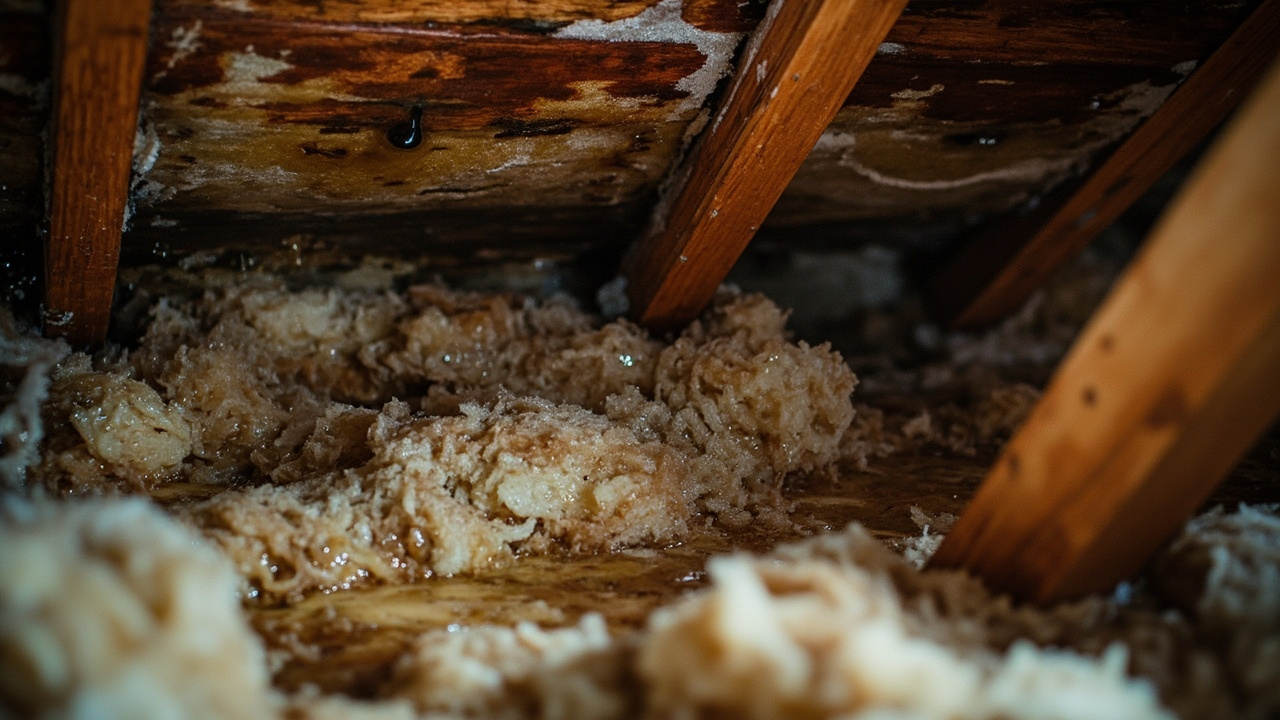
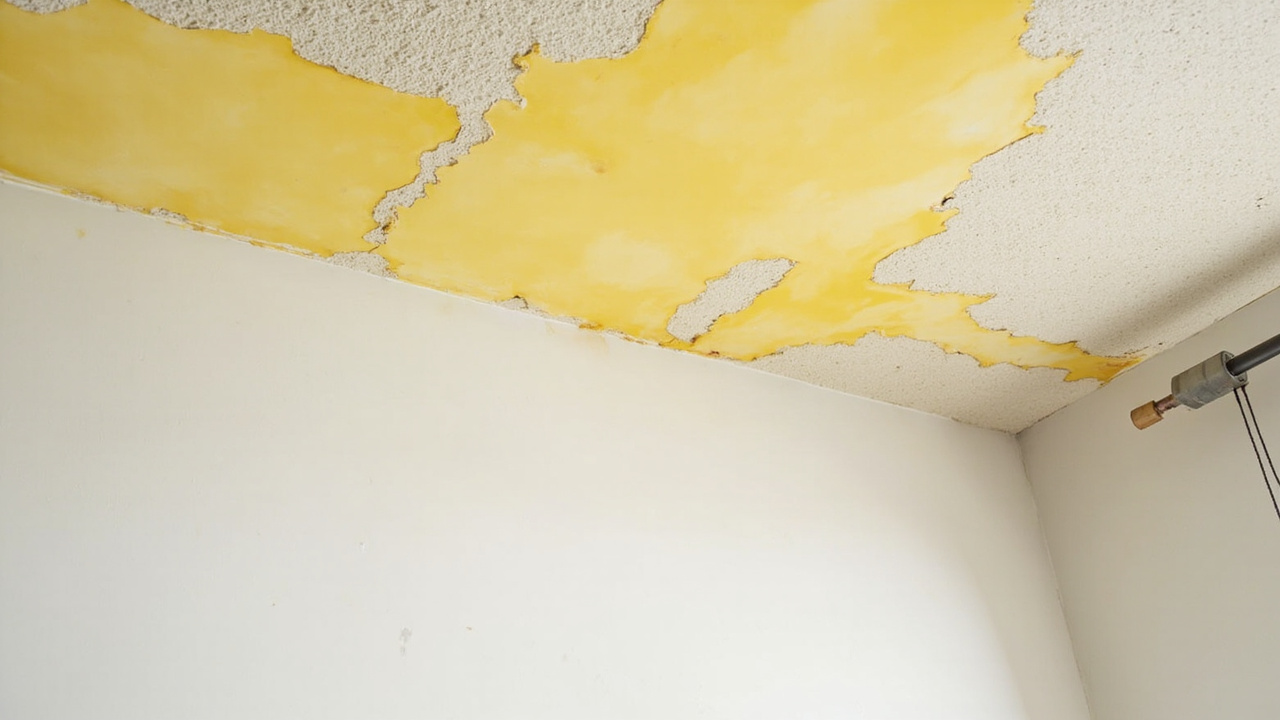
Water-damaged insulation shows distinct signs. Fiberglass batting appears discolored with yellow, brown, or gray staining. Material sags or compresses, losing its fluffy texture. You'll notice a musty, moldy odor even before seeing visible growth. Cellulose insulation clumps into hard masses and darkens significantly. White or black mold spots indicate advanced damage. The material feels heavy and dense instead of light. In Cleveland attics, ice dam damage creates obvious water trails and compressed sections. Wall insulation may show through as bulging drywall or peeling paint. Any discoloration, odor, or texture change signals replacement is needed.

Can mold grow under spray foam insulation? +

Yes, mold can grow under spray foam insulation despite its moisture resistance. If spray foam is applied over wet framing or existing mold, it seals in moisture and creates hidden growth. Poor installation with gaps allows humid air infiltration. In Cleveland basements, groundwater seepage through foundation walls can wick moisture under foam. The foam itself resists mold, but trapped moisture feeds growth on wood studs, sheathing, or concrete behind it. Closed-cell foam prevents drying, worsening the problem. This hidden damage often goes undetected for years. Proper surface preparation and moisture control before application prevents these issues.

Why is it hard to sell a house with spray foam insulation? +

Spray foam insulation complicates home sales because it's difficult to inspect behind. Buyers worry about hidden moisture damage, mold, or structural issues sealed under foam. Lenders sometimes require invasive inspections or appraisal adjustments. In Cleveland's older housing stock, spray foam applied to historic homes can trap moisture in brick or stone walls, causing deterioration. Future electrical or plumbing work becomes expensive since foam must be cut out and cannot be reused. Some buyers fear removal costs if problems arise. FHA loans may have restrictions. Proper documentation of professional installation and building code compliance helps address buyer concerns.

How Cleveland's Lake-Effect Climate Makes Soggy Insulation a Year-Round Risk

Cleveland sits less than three miles from Lake Erie at its closest points, which means lake-effect snow, high humidity, and dramatic temperature swings hit harder here than in inland Ohio cities. Winter ice dams form when heated attic air melts snow on your roof, and that meltwater refreezes at the eaves, backing up under shingles and soaking attic insulation. Spring rains overwhelm outdated gutter systems and saturate basement insulation through foundation cracks. Summer humidity condenses in poorly ventilated crawl spaces, creating damp insulation below your floors. This cycle repeats every year, which is why Cleveland homes need proactive insulation monitoring and fast response when water intrusion occurs.

Cleveland homes range from historic brick Victorians in Tremont to post-war Cape Cods in Westlake, and each style has unique vulnerabilities to water damage and insulation failure. We have worked in every neighborhood and know the common problem areas. Cleveland building codes require specific R-values for attic, wall, and basement insulation, and we make sure every reinstallation meets or exceeds those standards. Local inspectors know our work, which speeds up the permitting process when structural repairs are involved. When you hire a Cleveland-based team, you get someone who understands your home's construction and the climate challenges you face.
Water Damage Restoration Services in The Cleveland Area

Horizon Water Damage Restoration Cleveland proudly serves the entire Cleveland area and its surrounding communities. Our team is strategically located to ensure a rapid response to your water damage emergency. We are committed to being there for you when you need us most. Please view the map to see our service area and feel free to reach out to us with any questions or for immediate assistance.

Address:
Horizon Water Damage Restoration Cleveland, 3224 Prospect Ave E, Cleveland, OH, 44115

Additional Services We Offer

Our news updates

Latest Articles & News from The Blogs

South Euclid basements face a relentless battle against groundwater due to the heavy clay soil common across the Cleveland metro…

Why South Euclid homeowners need more than a standard dehumidifier for wet basements

South Euclid basements face a relentless battle against groundwater due to the heavy clay soil common across the Cleveland metro…

Why your air conditioner is leaking through the ceiling in Broadview Heights

AC Condensate Leak Water Damage Solutions for Cleveland Homeowners A yellow stain appearing on your second floor ceiling often signals…

Can Water Get Trapped Under the Tile in Your Woodmere Kitchen

Water trapped under kitchen tile is a hidden threat for many Woodmere homeowners. You might see a beautiful porcelain or…

Contact Us

Do not wait for mold to spread or energy bills to climb. Call Atlas Water Damage Restoration Providence at (216) 547-1277 now for a same-day inspection. We will identify the source, map the damage, and give you a written plan to fix it right.