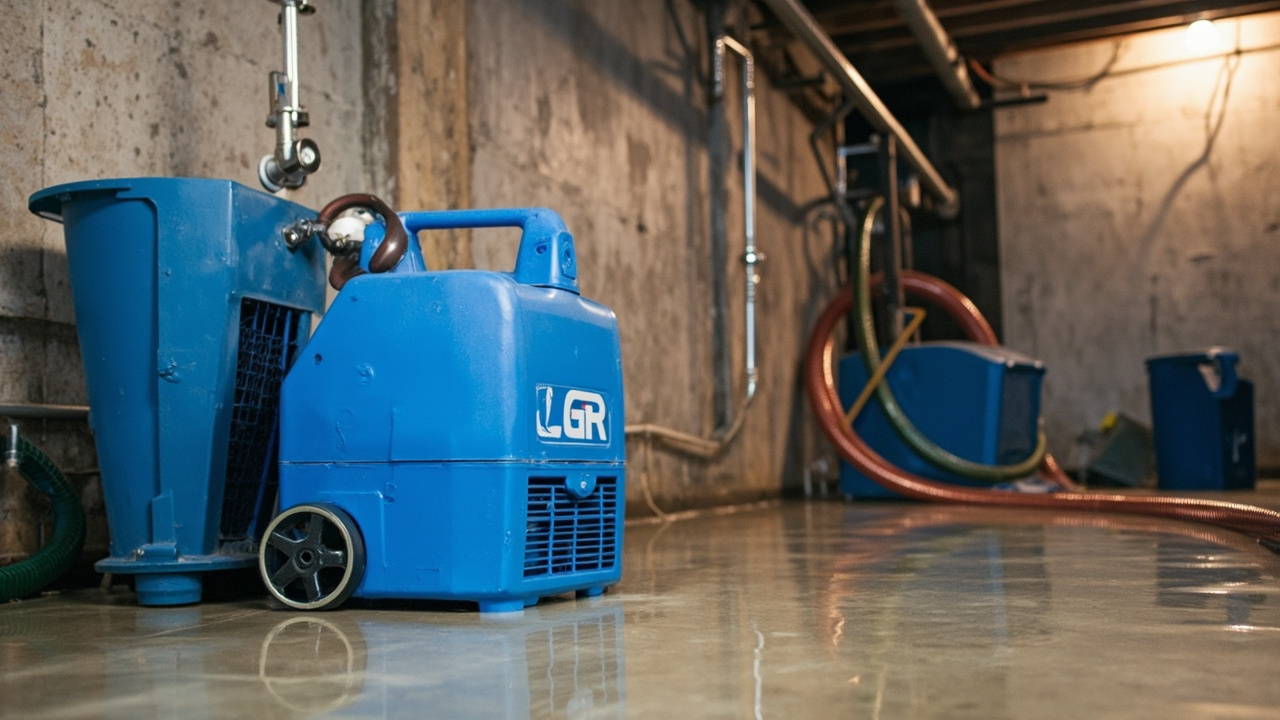





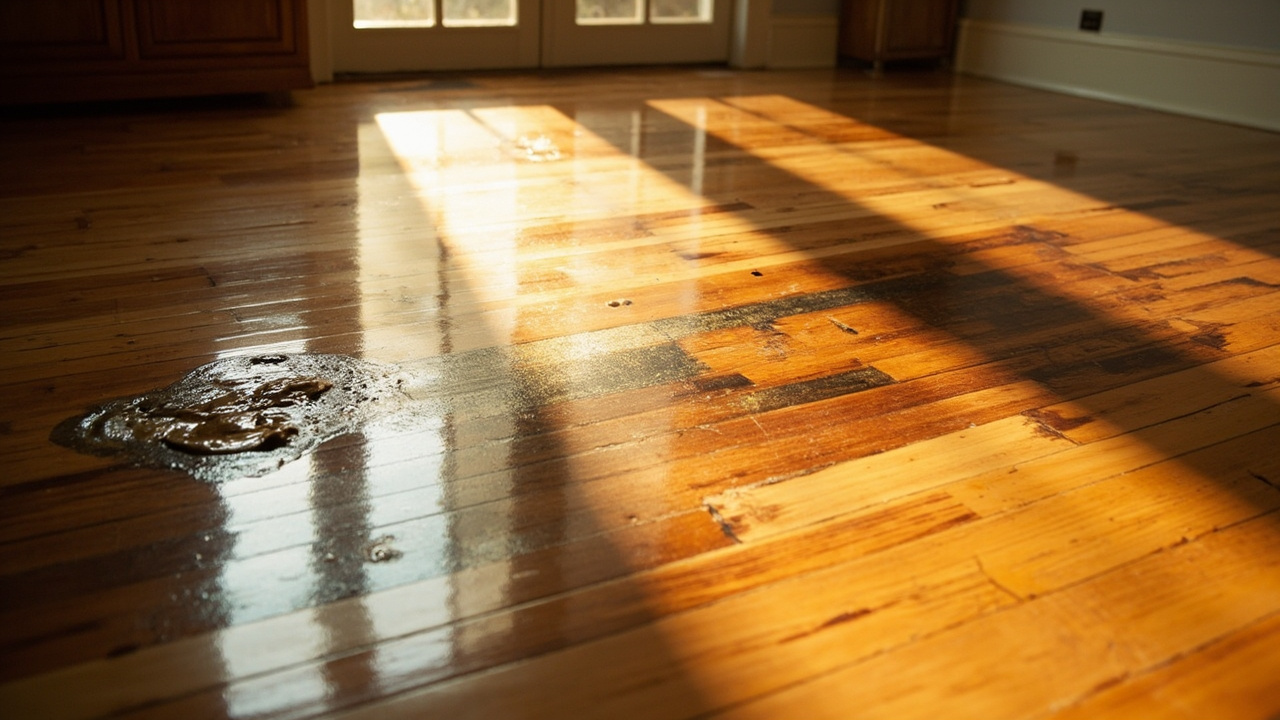


Cleveland's location on Lake Erie creates a microclimate that accelerates moisture problems in hardwood flooring. Average relative humidity stays above 70% from October through May, which slows natural evaporation after water intrusion occurs. When wet hardwood flooring sits in this environment, the moisture content in the wood equilibrates with the ambient humidity instead of drying out. This is why DIY drying attempts fail in Cleveland more often than in drier climates. The lake effect also means basements and crawl spaces stay damp year-round, creating ideal conditions for mold growth on subfloors after water damage. Professional dehumidification equipment is not optional here, it is required to overcome the natural humidity load and achieve proper drying.
Cleveland building codes and construction methods also influence how we approach wood floor water damage repair. Many homes built before 1980 lack vapor barriers under hardwood floors, which means water migrates directly into the subfloor and joists. Historic homes in neighborhoods like Shaker Heights and Cleveland Heights often feature quarter-sawn oak flooring that responds differently to moisture than modern engineered products. Our technicians understand these local construction variables and adjust drying protocols accordingly. We also work closely with local building inspectors when structural drying requires temporary permits or documentation. This local knowledge means faster approvals and fewer complications during insurance claims. Choosing a restoration company that understands Cleveland's specific challenges protects your investment and ensures compliant, effective repairs.