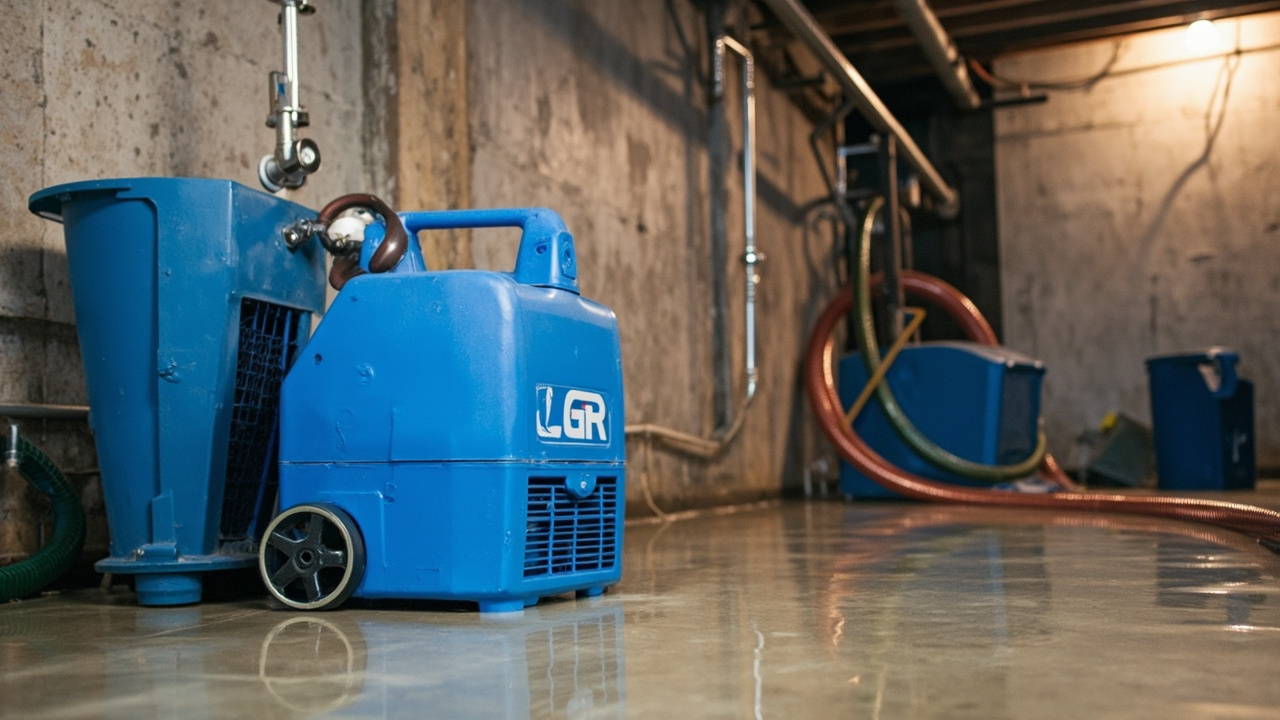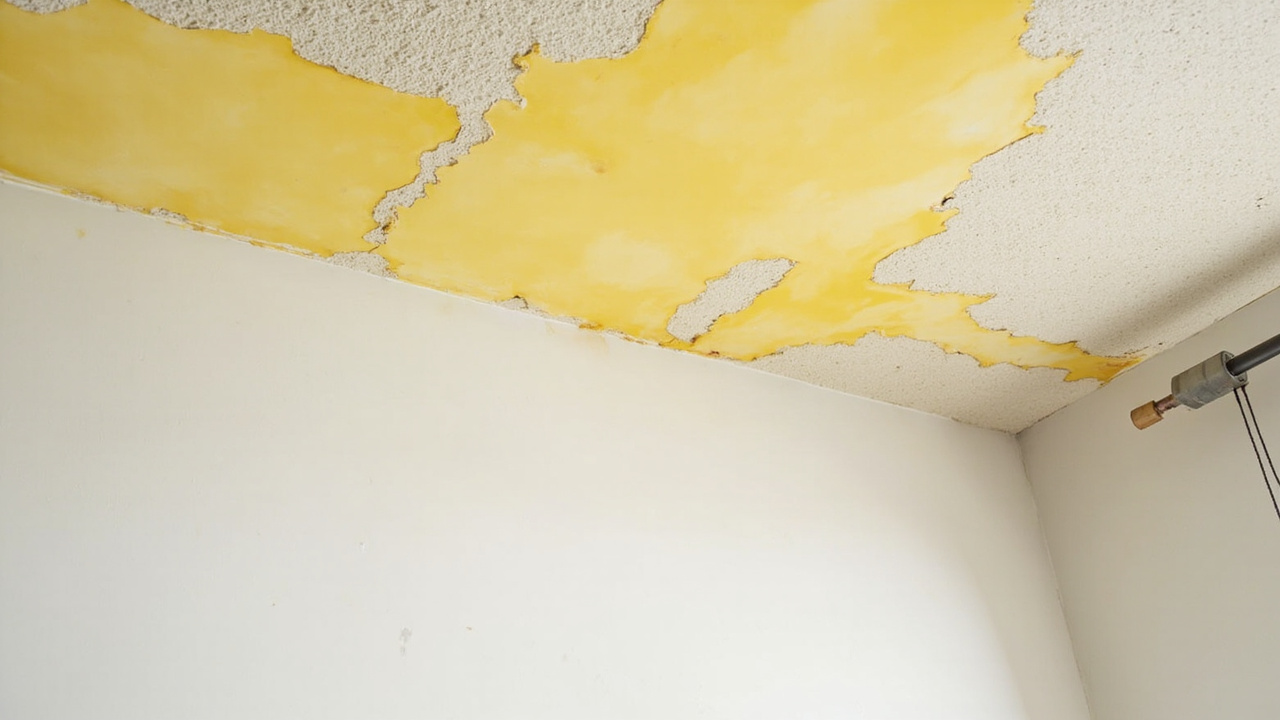





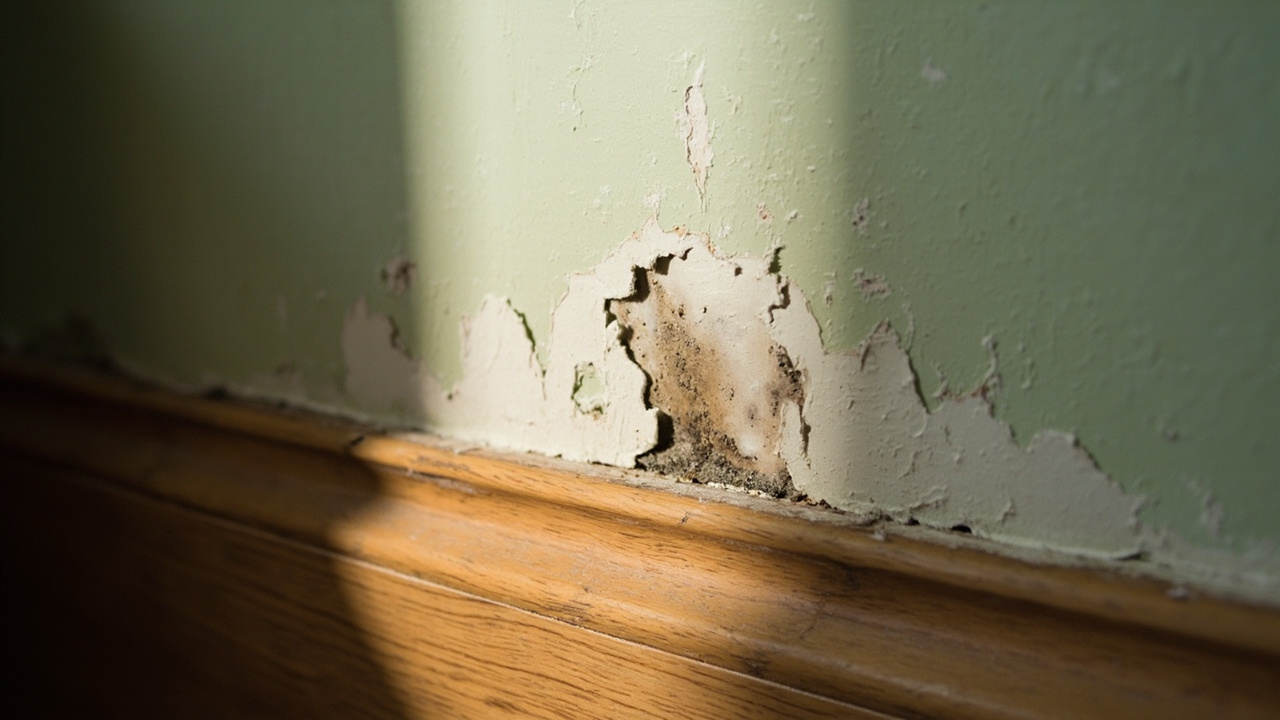


Cleveland's proximity to Lake Erie creates atmospheric conditions that keep relative humidity above 65 percent for much of the year. This persistent moisture saturates building materials in older homes lacking modern vapor barriers. Basements throughout Edgewater, Detroit-Shoreway, and Lakewood experience condensation on foundation walls during summer months when humid outdoor air contacts cool concrete surfaces. The symptoms of concealed mold often emerge in these below-grade spaces first, spreading through floor joists into main living areas as colonies mature. Detecting hidden mold before it compromises structural wood or triggers respiratory problems requires diagnostic tools capable of identifying moisture trapped within wall cavities and subflooring.
Cleveland Building and Housing codes require mold remediation projects to follow specific containment and disposal procedures when contamination exceeds ten square feet. Working with a local remediation company ensures compliance with these municipal requirements and prevents the permit violations that can complicate property sales. Horizon Water Damage Restoration Cleveland maintains relationships with city inspectors and understands the documentation required for projects in Cleveland's historic preservation districts. This local knowledge streamlines the approval process and ensures your remediation meets both health standards and historic building guidelines applicable to properties in neighborhoods like University Circle and Shaker Square.