




menu

Basement Waterproofing Guide Cleveland – Proven Solutions for Foundation Protection and Dry Basements Year-Round

Get expert basement sealing techniques and foundation waterproofing methods tailored to Cleveland's unique soil conditions and freeze-thaw cycles, with practical leaky basement repair strategies you can trust.

Slider Image 1
Slider Image 2
Slider Image 3
Slider Image 4
Slider Image 5
Slider Image 7
Slider Image 8
Slider Image 9
Slider Image 10
Slider Image 11

Why Cleveland Basements Fail Without Proper Waterproofing

Cleveland's clay-heavy soil creates hydrostatic pressure against foundation walls that few other regions experience. When spring thaw follows winter freeze, that pressure multiplies. Water finds the weakest point in your foundation and pushes through.

You see the signs first as dampness near the floor joints. Then comes the musty smell. Eventually, you notice efflorescence on the concrete or actual pooling after heavy rain. These are not cosmetic problems. They signal structural vulnerability that compounds every season you ignore it.

The freeze-thaw cycle here is relentless. Water seeps into microscopic cracks, freezes, expands, and widens those cracks. By the time you see visible damage, the problem has existed for months or years. Cleveland's average annual precipitation of 39 inches means your basement faces constant moisture exposure.

Wet basement solutions require understanding the specific failure mode. Is water entering through wall cracks, floor joints, or window wells? Is it rising through the slab due to poor drainage? Each entry point demands a different waterproofing approach.

How to waterproof a basement correctly means addressing the root cause, not just treating symptoms. Surface sealants fail because they trap moisture inside the concrete, accelerating spalling and deterioration. Proper foundation waterproofing methods work with hydrostatic pressure, not against it.

The clay soil in Cleveland's Edgewater and Tremont neighborhoods holds water longer than sandy soils. Your sump pump runs more frequently. Your dehumidifier works overtime. These are clues that your current basement sealing techniques are insufficient for the load they face.

Why Cleveland Basements Fail Without Proper Waterproofing
The Engineering Behind Effective Basement Waterproofing

The Engineering Behind Effective Basement Waterproofing

Waterproofing a basement correctly requires a systems approach. You need drainage, vapor barriers, and structural sealing working together. Single-component solutions create temporary relief followed by accelerated failure.

Interior drainage systems intercept water at the footing level before it enters living space. We install perforated drain tile around the foundation perimeter, connecting to a sump basin with redundant pump systems. The tile sits in washed gravel that filters sediment and maintains flow capacity even in Cleveland's clay conditions.

Exterior waterproofing addresses the problem at the source. We excavate to the footing, clean the foundation wall, apply rubberized membrane, and install dimple board drainage mat. The dimple board creates an air gap that relieves hydrostatic pressure and channels water down to perimeter drains. This method costs more upfront but provides superior long-term protection.

Crack injection using polyurethane or epoxy resin stops active leaks through foundation walls. Polyurethane expands to fill voids and remains flexible during seasonal movement. Epoxy creates a rigid structural bond suitable for non-moving cracks. Choosing the wrong injection material for your crack type guarantees failure.

Vapor barriers on interior walls prevent moisture transmission without trapping water inside the concrete. We use reinforced polyethylene with sealed seams, mechanically fastened above the water table line. This allows the foundation to breathe while blocking humidity from entering finished spaces.

Proper grading and gutter systems complement below-grade waterproofing. We ensure soil slopes away from the foundation at minimum six inches over ten feet. Downspouts discharge at least ten feet from the structure. These simple measures reduce hydrostatic load by 40 percent.

How Professional Basement Waterproofing Works in Cleveland Homes

Basement Waterproofing Guide Cleveland – Proven Solutions for Foundation Protection and Dry Basements Year-Round
01

Foundation Inspection and Diagnosis

We evaluate your foundation from footing to grade level, identifying water entry points and failure mechanisms. Moisture meters measure concrete saturation levels. Hydraulic pressure tests determine if water enters through cracks or porous concrete. We inspect exterior grading, downspout discharge, and interior drainage capacity. This diagnostic phase prevents wasting resources on solutions that do not address your specific problem. Cleveland's clay soil requires different approaches than sandy or rocky substrates.
02

System Design and Installation

Based on diagnostic findings, we design a waterproofing system matched to your failure mode and budget. Interior systems involve cutting a perimeter channel, installing drain tile and sump pump, then restoring the floor. Exterior work requires excavation, membrane application, and proper backfill with drainage aggregate. Crack repairs happen under controlled conditions using professional-grade injection equipment. We coordinate all trades and maintain dust containment protocols. Installation timelines range from two days for interior systems to five days for full exterior waterproofing.
03

Testing and Documentation

After installation, we flood-test the system to verify proper drainage and pump operation. Sump pumps cycle under load to confirm adequate capacity. We document all work with photographs and provide detailed maintenance instructions. You receive a written explanation of what we installed, why we chose that approach, and what maintenance the system requires. For exterior waterproofing, we provide grading verification showing proper slope away from the foundation. This documentation proves valuable during home sales or insurance claims.

Why Cleveland Property Owners Trust Local Waterproofing Expertise

Cleveland's building stock includes homes from the 1890s through modern construction. Each era used different foundation materials and techniques. Historic homes in Ohio City feature limestone foundations that require specialized waterproofing approaches. Post-war homes in Parma use poured concrete with different failure modes than block foundations common in Lakewood.

We understand these distinctions because we work in these neighborhoods daily. A limestone foundation needs lime-based mortars and breathable coatings. Modern concrete accepts epoxy injection and membrane systems. Using the wrong material on the wrong substrate accelerates deterioration.

Local soil conditions dictate system design. The clay content in Cleveland soil creates expansive pressure that sandy soils never generate. Your waterproofing system must account for this constant loading. Companies unfamiliar with local geology apply generic solutions that fail within years.

Cleveland's freeze-thaw cycles exceed 50 per winter. Water in foundation cracks expands nine percent when frozen. That expansion stress cracks concrete and displaces foundation walls. Effective crack repair must accommodate seasonal movement, not fight against it. Rigid repairs crack again within one freeze cycle.

Building codes in Cuyahoga County require specific drainage provisions for new construction. Existing homes often lack these modern safeguards. We bring older foundations up to current standards, improving performance and home value simultaneously.

Horizon Water Damage Restoration Cleveland maintains relationships with local building inspectors and understands permit requirements for waterproofing work. We handle code compliance so you avoid violations that complicate insurance claims or home sales. This local knowledge saves time and prevents costly mistakes.

The Lake Erie shoreline creates unique moisture conditions in neighborhoods like Edgewater and Bratenahl. Elevated water tables and frequent fog increase basement humidity beyond typical inland levels. Your waterproofing approach must address ambient moisture, not just liquid water intrusion.

What Professional Basement Waterproofing Delivers

Project Timeline and Access Requirements

Interior drainage systems require clearing the basement perimeter to allow equipment access. We need 24 inches of clearance along affected walls. Installation takes two to four days depending on basement size and complexity. Exterior waterproofing requires excavation access around the foundation perimeter. We coordinate with utility locates and protect landscaping where possible. Exterior projects take four to seven days including excavation, membrane application, and restoration. Crack injection repairs finish in one day for most residential applications. We provide detailed timelines during the estimate phase so you can plan around the work. Emergency repairs for active flooding start within hours of your call.

Comprehensive Foundation Assessment Process

We start with a visual inspection of interior and exterior foundation conditions. Moisture meters measure concrete saturation levels and identify hidden water intrusion. We evaluate grading, gutter function, and downspout discharge. Interior drainage capacity gets tested if existing systems are present. Crack patterns tell us about structural movement versus settling. We inspect sump pits for proper sizing and pump operation. Efflorescence patterns reveal long-term moisture paths through the concrete. This assessment identifies all contributing factors, not just obvious leaks. You receive a written report explaining what we found and why specific solutions will work for your situation. The assessment fee applies toward work if you proceed with our recommendations.

Long-Term Performance and Dry Basement Results

Properly installed waterproofing systems eliminate water intrusion and reduce basement humidity to healthy levels. You gain usable storage space and protect mechanicals from moisture damage. Mold growth stops once the moisture source disappears. Your dehumidifier runs less frequently, reducing energy costs. Finished basements stay dry during heavy rain and spring thaw. The musty smell vanishes within weeks as trapped moisture evaporates. Structural integrity improves as hydrostatic pressure no longer stresses foundation walls. Property value increases because dry basements matter during home sales. You avoid the recurring costs of replacing water-damaged belongings or repairing flooded furnace systems. Long-term performance depends on proper maintenance, which we teach during project completion.

System Maintenance and Support

Waterproofing systems require minimal maintenance when installed correctly. Sump pumps need annual testing and cleaning to maintain reliability. We recommend battery backup systems to handle power outages during storms. Exterior drainage systems benefit from periodic inspection to ensure downspouts discharge properly and grading remains effective. Interior drain tile systems are self-maintaining but the sump pit should be cleaned of sediment every two years. We provide detailed maintenance instructions specific to your installed system. Annual inspection services are available to verify continued performance and catch minor issues before they become major problems. We respond to questions about system performance and provide guidance on seasonal maintenance tasks. Our goal is decades of dry basement performance, not just solving the immediate problem.

Frequently Asked Questions

You Have Questions,
We Have Answers

What is the best waterproofing method for a basement? +

Interior drainage systems combined with sump pumps work best for Cleveland basements. This method handles high water tables and clay soil common in Northeast Ohio. A perimeter drain captures groundwater before it enters your space, directing it to a sump basin for removal. Pair this with exterior waterproofing membrane on foundation walls where accessible. Many Cleveland homes built before 1960 lack proper drainage, making interior systems the practical fix. Avoid relying solely on sealants. They fail when hydrostatic pressure builds from Lake Erie weather patterns and seasonal freeze-thaw cycles that crack foundations.

How much does it cost to waterproof a 1000 sq ft basement? +

You can expect costs ranging from foundation crack repairs at a few hundred dollars to full drainage systems requiring several thousand. Cleveland clay soil and old construction drive prices up. Factors include foundation depth, existing drainage, crawl space access, and pump requirements. Older homes near the Cuyahoga River often need more work due to settling. Some properties require exterior excavation if interior access is limited. Get three quotes from local contractors familiar with Cleveland building codes. Ask about sump pump backup systems, which matter during spring storms when power outages happen.

What are common waterproofing mistakes? +

Ignoring exterior grading causes most failures. Water must flow away from your foundation, not toward it. Cleveland homeowners often apply paint or sealant over damp walls without fixing the source. This traps moisture and creates mold. Installing inadequate sump pumps for Northeast Ohio rainfall leads to flooding during storms. Skipping footer drains during installation means water has nowhere to go. Failing to address foundation cracks before waterproofing wastes money. Many ignore downspout extensions, letting roof runoff pool at the foundation. Clay soil here requires proper compaction after any excavation work.

Why not use Drylok on basement walls? +

Drylok and similar coatings trap moisture inside your foundation walls. Cleveland clay soil creates constant hydrostatic pressure that pushes water through concrete. Paint cannot stop this force. It peels off or causes efflorescence, that white crusty buildup you see. The trapped moisture damages wall structure over time and creates perfect conditions for mold behind finished spaces. Drylok works only for minor dampness on above-grade walls, not basements below the water table. You need drainage systems that remove water, not products that hide it temporarily. Address the source before considering any sealant.

Is it better to waterproof a basement from inside or outside? +

Interior waterproofing wins for most Cleveland homes. Exterior excavation costs three times more and many properties lack yard access for equipment. Clay soil here makes digging difficult and expensive. Interior systems work year-round regardless of weather or landscaping. You get the same result, channeling water away before damage occurs. Exterior waterproofing makes sense only during new construction or major foundation repairs. Most Cleveland basements need interior perimeter drains with sump pumps. This approach handles our seasonal water table fluctuations and protects against sewer backup, common in older neighborhoods with combined systems.

What are common basement waterproofing problems? +

Hydrostatic pressure from Cleveland clay soil pushes water through foundation cracks and cold joints. Sump pump failures during spring storms cause flooding when you need protection most. Improper grading sends roof runoff directly to your foundation instead of away. Clogged footer drains back up during heavy rain. Efflorescence signals water moving through concrete, weakening structure. Window wells fill with water and leak inside. Old homes near Lake Erie face high water tables year-round. Foundation settling creates new cracks over time. Many Cleveland basements have inadequate or missing vapor barriers, allowing constant moisture.

Will insurance pay for basement waterproofing? +

Standard homeowners insurance does not cover waterproofing as preventive maintenance. Policies typically exclude groundwater damage and seepage. However, insurance may pay if a covered event caused the damage, like a burst pipe or sewer backup with proper endorsements. Cleveland flood insurance through FEMA covers specific flood events but not general dampness or poor drainage. Document everything if storm damage occurs. Many insurers require sump pump riders as separate coverage. Review your policy before spring storms hit. If you file a claim for water damage, insurance adjusters will check if you maintained proper drainage.

Can I waterproof my basement on my own? +

You can handle minor tasks like extending downspouts, regrading soil away from your foundation, and sealing small cracks. Installing a basic sump pump is manageable for handy homeowners. Anything involving foundation structure, footer drains, or interior drainage systems needs professionals. Cleveland building codes require permits for major waterproofing work. Clay soil conditions here create complications most DIYers cannot diagnose. You risk making problems worse by trapping moisture or creating new drainage issues. Foundation work affects your home's structural integrity. One mistake costs more to fix than hiring qualified contractors who understand local soil and water table challenges.

How long does waterproofing a basement last? +

Professionally installed interior drainage systems last 20 to 30 years with proper maintenance. Sump pumps need replacement every 7 to 10 years depending on workload. Exterior waterproofing membranes last 10 to 15 years before soil conditions and Cleveland freeze-thaw cycles degrade them. Quality matters more than warranty years. Systems must match Cleveland clay soil and seasonal water pressure. Check sump pumps twice yearly and clean discharge lines. Foundation coatings fail within 3 to 5 years under hydrostatic pressure. Maintenance extends system life significantly. Annual inspections catch small issues before they become expensive failures.

Why can't you DIY waterproofing? +

Foundation work requires understanding soil mechanics, hydrostatic pressure, and Cleveland building codes. You cannot see where water enters or how it moves through clay soil. Improper drainage creates new problems by redirecting water to weak points. Sump pump sizing depends on calculating your specific water volume and discharge needs. Footer drain installation requires precise slope and gravel placement. One mistake traps moisture permanently. Most failures happen because homeowners address symptoms, not causes. You lack excavation equipment, concrete knowledge, and code compliance expertise. Cleveland clay soil behaves differently than other regions. Professionals diagnose the whole system, not just the wet spot.

How Cleveland's Clay Soil and Freeze-Thaw Cycles Demand Specialized Waterproofing Approaches

Cleveland sits on glacial lake clay deposited thousands of years ago. This clay holds water like a sponge and expands when saturated. During winter, freezing temperatures penetrate two to three feet deep, turning soil moisture into ice that exerts tremendous pressure against foundation walls. When spring thaw arrives, that ice melts suddenly, creating temporary water tables that overwhelm inadequate drainage systems. This cycle repeats 50 or more times each winter. Generic waterproofing methods designed for sandy southern soils fail here because they do not account for expansive clay pressure. Successful foundation waterproofing methods in Cleveland must relieve hydrostatic pressure through proper drainage, not just block water with membranes.

Cleveland's housing stock spans 130 years of construction methods and foundation materials. Homes in Tremont and Ohio City often feature limestone foundations requiring specialized repair techniques incompatible with modern concrete systems. The local building department updates drainage requirements periodically, meaning older homes lack protections now considered standard. Horizon Water Damage Restoration Cleveland understands these regional nuances because we work exclusively in Northeast Ohio. We know which neighborhoods have high water tables, where clay content is highest, and how local soil behaves during seasonal changes. This knowledge prevents the trial-and-error approach that wastes your money and leaves your basement still wet. Choosing local expertise means getting solutions engineered for Cleveland conditions, not generic approaches from national chains.
Water Damage Restoration Services in The Cleveland Area

Horizon Water Damage Restoration Cleveland proudly serves the entire Cleveland area and its surrounding communities. Our team is strategically located to ensure a rapid response to your water damage emergency. We are committed to being there for you when you need us most. Please view the map to see our service area and feel free to reach out to us with any questions or for immediate assistance.

Address:
Horizon Water Damage Restoration Cleveland, 3224 Prospect Ave E, Cleveland, OH, 44115

Additional Services We Offer

Our news updates

Latest Articles & News from The Blogs

South Euclid basements face a relentless battle against groundwater due to the heavy clay soil common across the Cleveland metro…

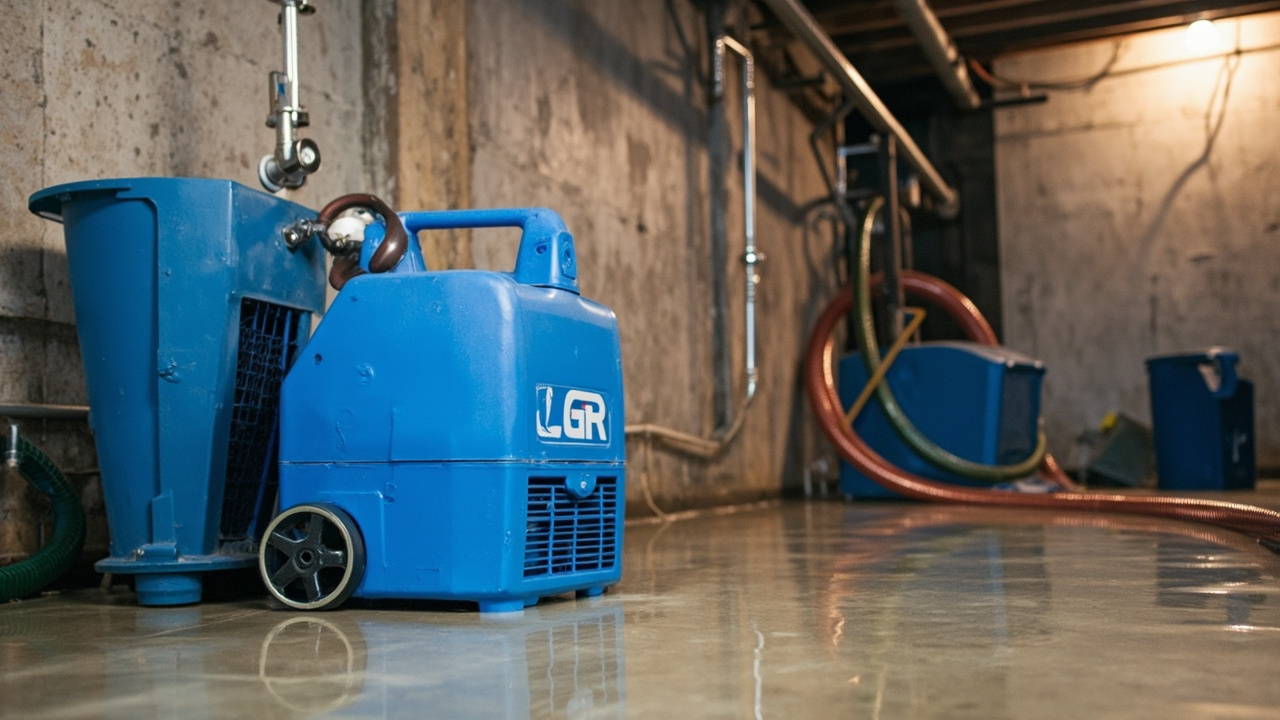
Why South Euclid homeowners need more than a standard dehumidifier for wet basements

South Euclid basements face a relentless battle against groundwater due to the heavy clay soil common across the Cleveland metro…

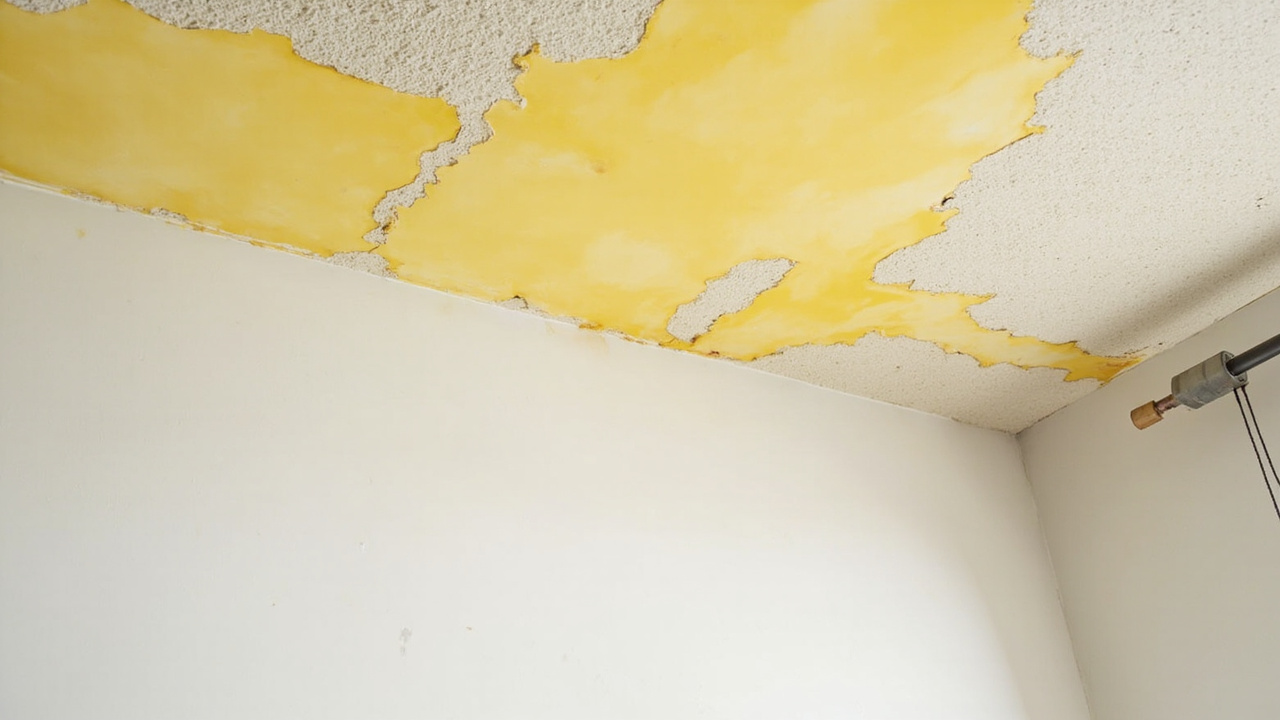
Why your air conditioner is leaking through the ceiling in Broadview Heights

AC Condensate Leak Water Damage Solutions for Cleveland Homeowners A yellow stain appearing on your second floor ceiling often signals…

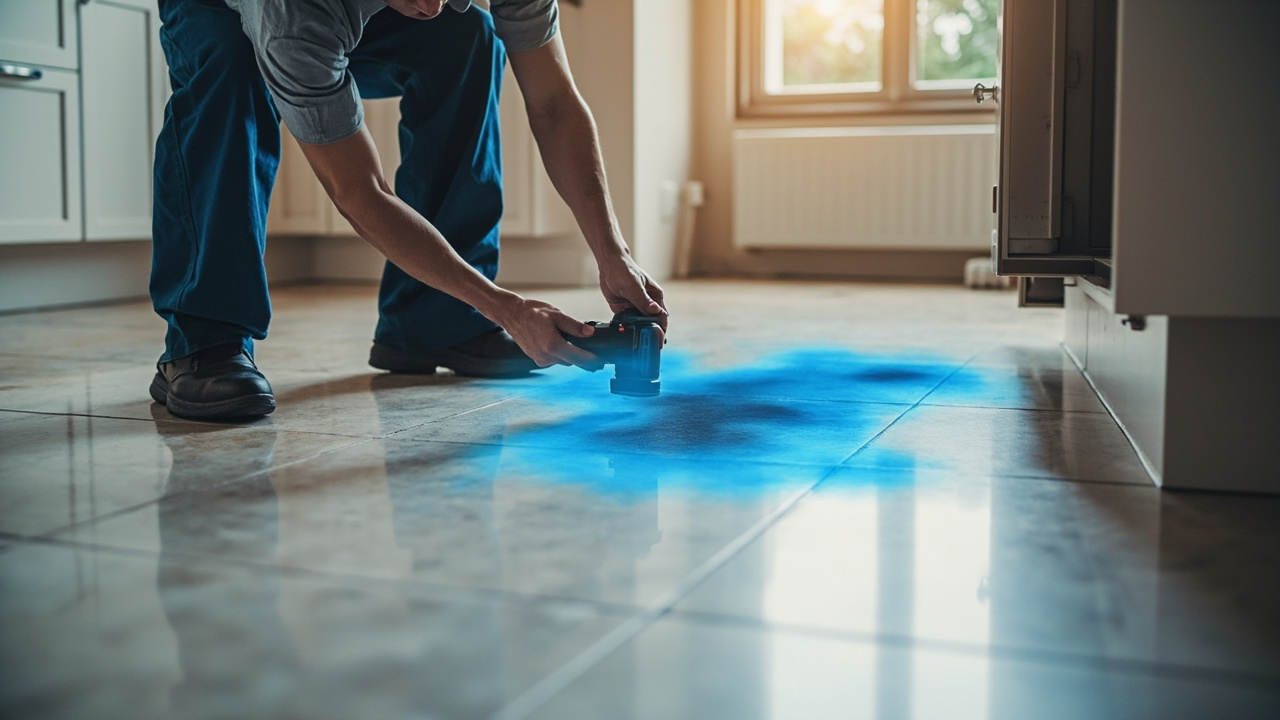
Can Water Get Trapped Under the Tile in Your Woodmere Kitchen

Water trapped under kitchen tile is a hidden threat for many Woodmere homeowners. You might see a beautiful porcelain or…

Contact Us

Call (216) 547-1277 now for a professional basement assessment. We identify your water entry points and provide solutions that work in Cleveland's challenging soil conditions. Do not wait for the next flood to take action.