




menu

Water Bug & Pest Infestations in Cleveland – Expert Moisture Control to Eliminate Roaches at the Source

When water damage creates the perfect breeding ground for oriental cockroaches and sewer roaches, we address the moisture problem that attracts them, not just the pests themselves.

Slider Image 1
Slider Image 2
Slider Image 3
Slider Image 4
Slider Image 5
Slider Image 7
Slider Image 8
Slider Image 9
Slider Image 10
Slider Image 11

Why Cleveland Homes Become Magnets for Water Bugs and Roaches

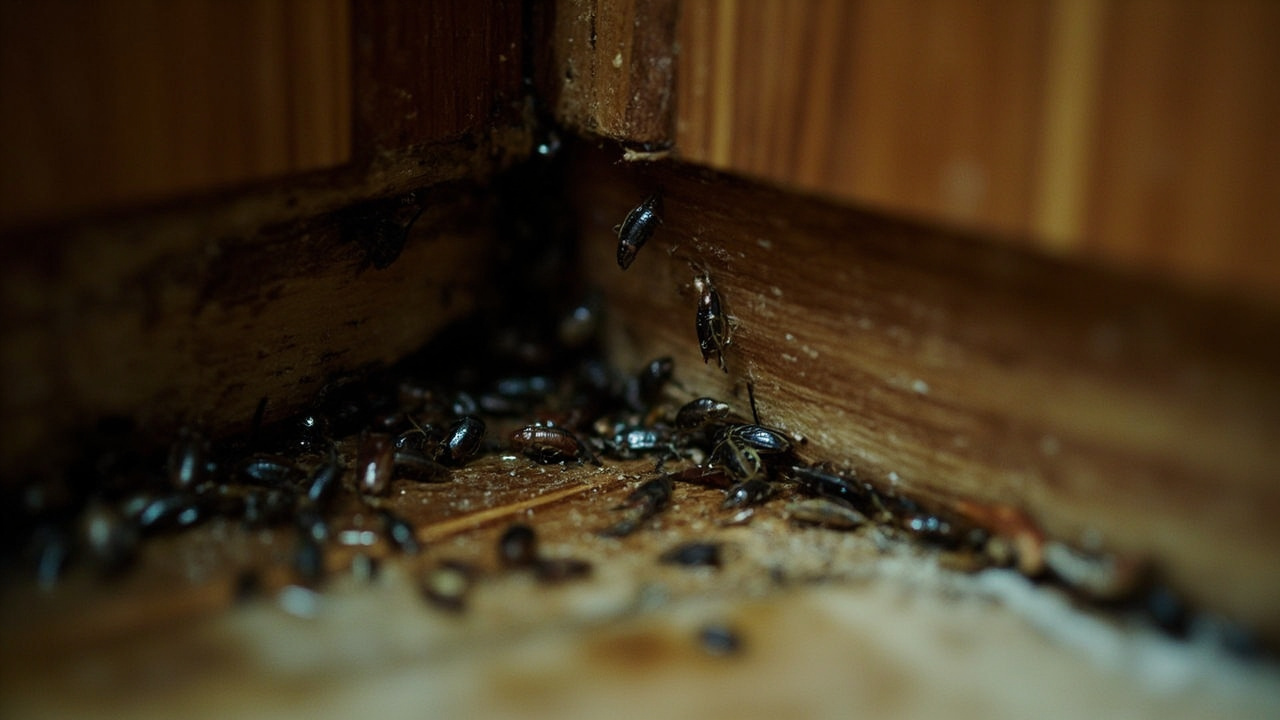
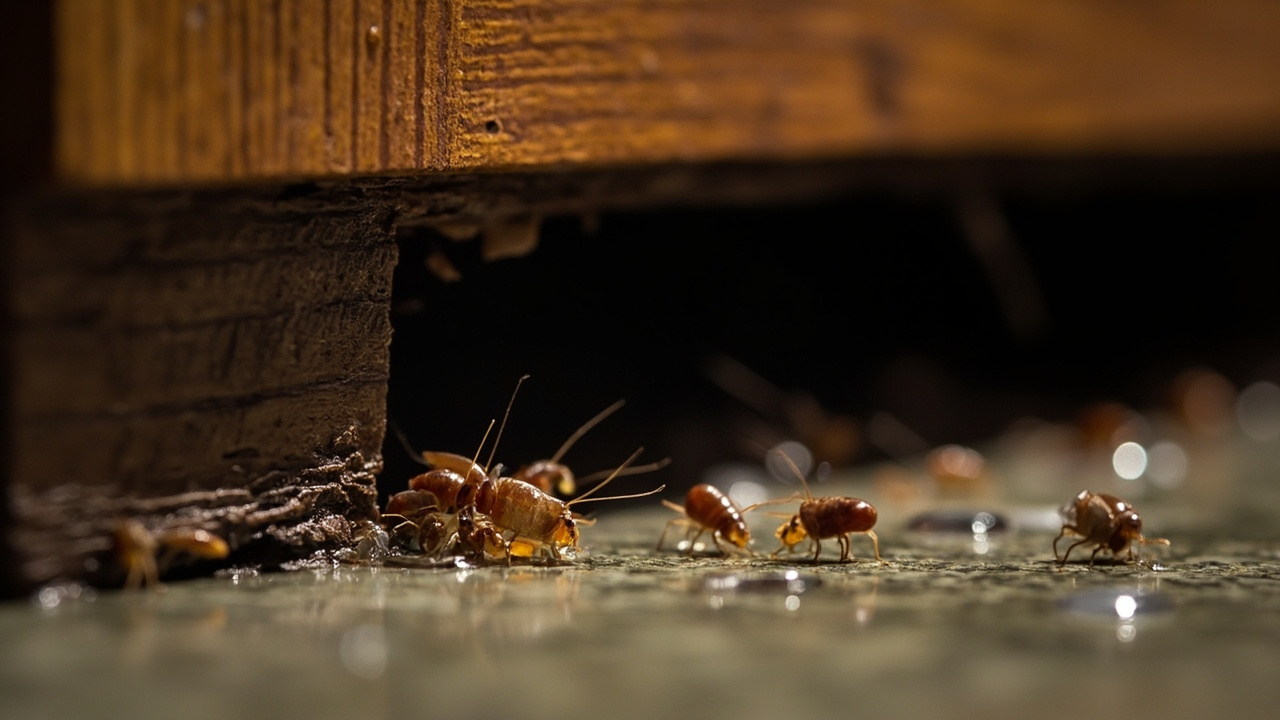
You spot a large, dark roach crawling near your basement drain at 2 a.m. Your stomach drops. Where there is one, there are more.

Cleveland's unique climate creates perfect conditions for moisture-related pest infestations. The city sits along Lake Erie, where humidity levels spike during summer months and freeze-thaw cycles pound foundations all winter. When snow melts in March and April, water seeps through aging mortar joints in brick homes common throughout Ohio City and Tremont. This creates damp crawl spaces and wet basements where oriental cockroaches thrive.

Water damage roaches appear when structural moisture goes unchecked. A slow leak behind your water heater, condensation on cold pipes, or a cracked foundation in Slavic Village can attract hundreds of damp environment insects within weeks. These pests need moisture to survive. They congregate near floor drains, sump pump pits, and anywhere water accumulates.

Sewer roach infestations often start after heavy spring rains overwhelm Cleveland's combined sewer system. When sewage backs up into basements in neighborhoods near the Cuyahoga River, it leaves behind organic matter and moisture that draws roaches by the dozens. You might see them near toilets, washing machine drains, or basement floor drains.

The problem is not just the bugs you see. For every roach visible during daylight hours, dozens hide in wall voids, under appliances, and inside water-damaged drywall. They carry bacteria from sewage and contaminate surfaces where you prepare food.

Pesticides alone will not solve this. If the moisture remains, the roaches return.

Why Cleveland Homes Become Magnets for Water Bugs and Roaches
How We Eliminate the Moisture That Attracts Water Bugs

How We Eliminate the Moisture That Attracts Water Bugs

Most pest control companies spray chemicals and leave. The roaches come back because the moisture source remains.

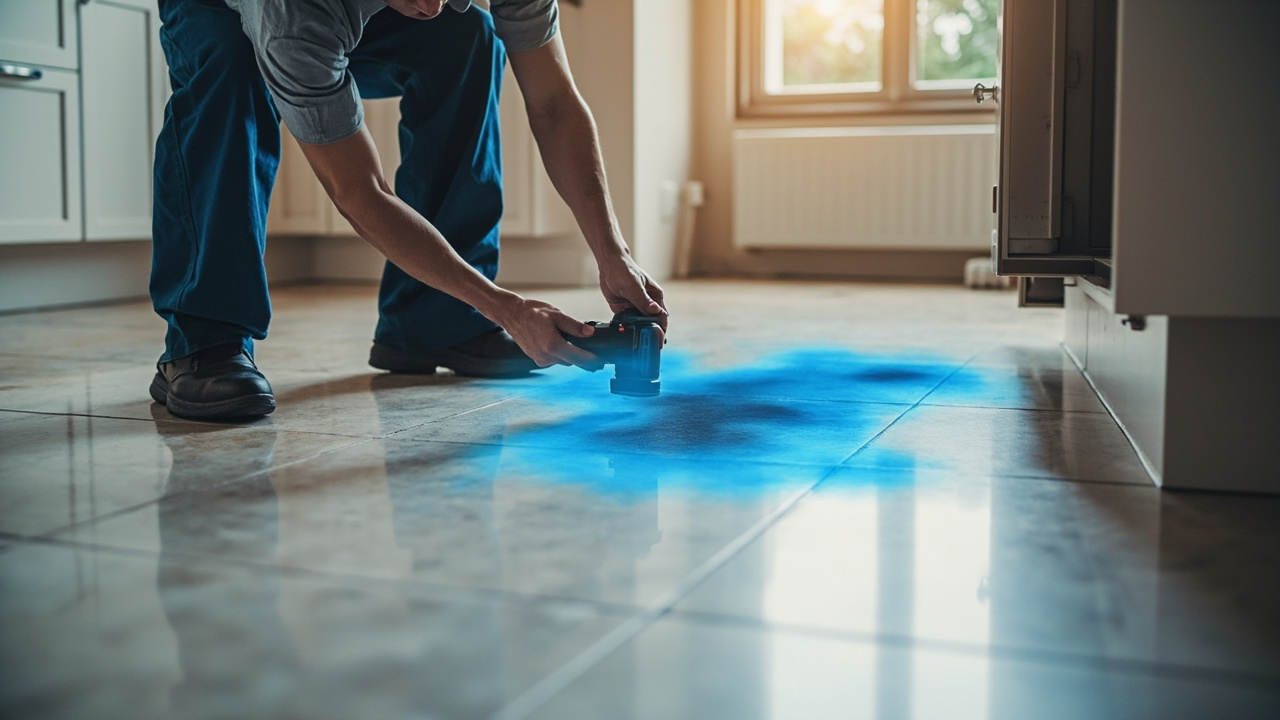
We attack the root cause. Our team uses thermal imaging cameras to detect hidden water intrusion behind walls and under floors. We measure relative humidity levels in your basement and crawl space with hygrometers to identify conditions that support roach populations. When humidity exceeds 60 percent, oriental cockroaches and other damp environment insects multiply rapidly.

We locate every source of unwanted water. Cracked sewer lines, failed sump pumps, condensation from uninsulated pipes, groundwater seepage through foundation walls. Each one creates habitat for water damage roaches. We document these with moisture meters that penetrate subflooring and drywall, giving precise readings of saturation levels.

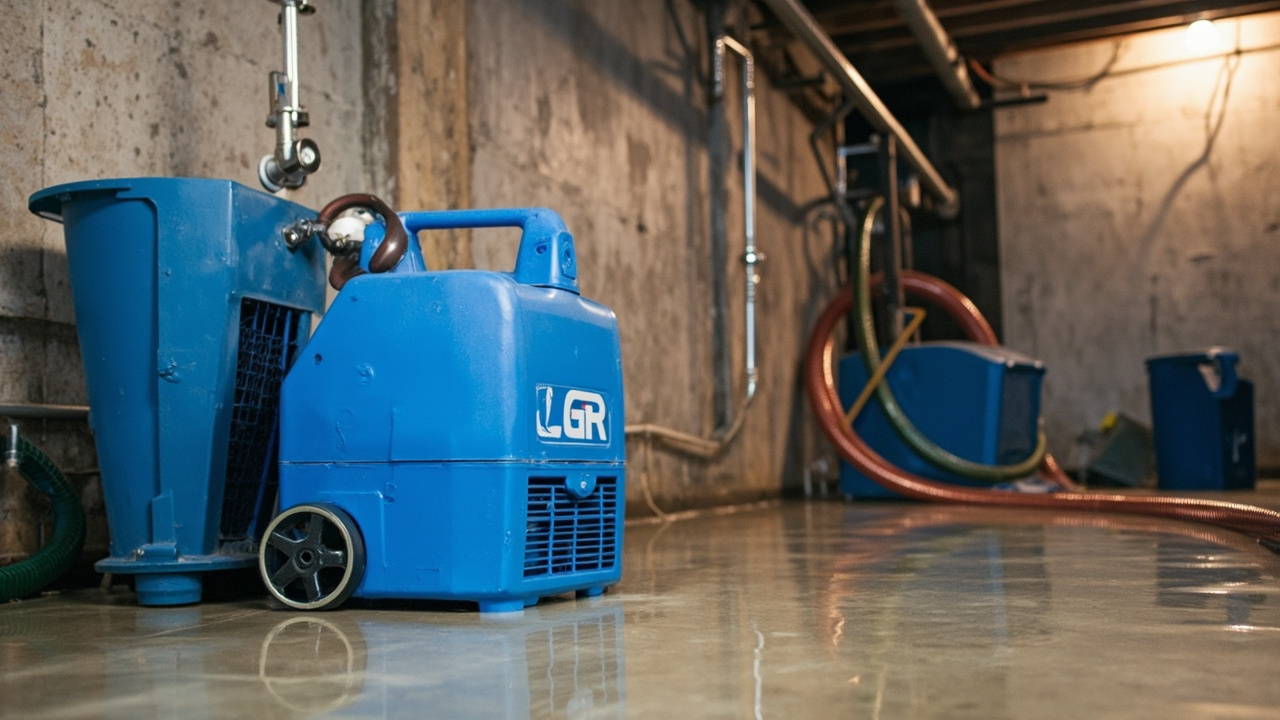
After identifying all moisture entry points, we extract standing water using truck-mounted pumps and commercial-grade vacuums. We remove water-damaged materials where roaches nest including soaked insulation, deteriorated drywall, and rotted wood framing. These materials cannot be saved and will continue attracting pests even after drying.

We deploy industrial dehumidifiers and air movers to bring humidity below 50 percent. This makes your space uninhabitable for moisture-dependent insects. We seal foundation cracks with hydraulic cement and polyurethane injection to stop groundwater intrusion. We insulate cold water pipes to prevent condensation drips that create damp zones.

When we finish the restoration, your home no longer provides the wet environment these pests require. Without moisture, they leave or die. This approach delivers permanent results that spraying alone cannot achieve.

What Happens When You Call About Roach Problems

Water Bug & Pest Infestations in Cleveland – Expert Moisture Control to Eliminate Roaches at the Source
01

Moisture Source Inspection

We arrive within hours to inspect every area where you have seen roaches. Using thermal imaging and moisture detection equipment, we identify hidden water damage in walls, floors, and crawl spaces. We trace sewer lines, check floor drains, and inspect pipe connections where leaks often go unnoticed for months. You receive a complete moisture map showing every problem area.
02

Water Removal and Remediation

We extract standing water and remove all moisture-damaged materials where roaches nest and breed. This includes cutting out wet drywall, removing soaked insulation, and eliminating rotted wood. We treat structural surfaces with antimicrobial solutions to eliminate organic matter that attracts pests. Industrial dehumidifiers run continuously until moisture levels drop below thresholds that support insect populations.
03

Long-Term Prevention Measures

We seal all entry points where water enters your foundation. We install vapor barriers in crawl spaces, insulate pipes to prevent condensation, and ensure proper drainage away from your home. We verify humidity levels remain low enough to prevent future infestations. You get a dry, pest-resistant environment that roaches cannot colonize. Follow-up moisture readings confirm the problem stays solved.

Why Cleveland Homeowners Choose Atlas Water Damage Restoration Providence

Cleveland's housing stock presents unique challenges. The city has thousands of homes built before 1940 with stone foundations, brick exteriors, and crawl spaces that were never designed to stay dry. In neighborhoods like Detroit Shoreway and Edgewater, Lake Erie's proximity keeps humidity elevated year-round. Standard pest control does not account for these factors.

We understand how Cleveland's infrastructure affects your home. The city's combined sewer system serves older neighborhoods where sanitary sewage and stormwater share pipes. During heavy rains, this system overloads and backs up into basements. We have remediated hundreds of sewer backups in areas from Kamm's Corners to Lee-Harvard, and we know how to prevent recurrence.

Our team recognizes the signs of freeze-thaw foundation damage common in Northeast Ohio. When water enters foundation cracks, freezes, and expands each winter, those cracks widen. By spring, they allow both groundwater and sewer roaches into your basement. We repair these structural issues properly using methods approved for Cleveland's clay soil conditions.

We work directly with your insurance company when water damage is covered. We document everything with photos, moisture readings, and detailed reports that adjusters need to process claims quickly. You avoid the runaround and the out-of-pocket costs that come from incomplete documentation.

Local building codes in Cuyahoga County require specific materials and methods for foundation waterproofing and drainage systems. We follow these codes exactly, which protects your home value and ensures repairs pass inspection if you sell your property later.

You need a company that solves the moisture problem permanently. That is what we do.

What to Expect When We Address Your Roach Problem

Rapid Response Time

We respond to your call within two hours during business hours and provide emergency service 24 hours a day. Water damage and pest problems both worsen rapidly. Every day you wait allows roach populations to grow and water to spread further into structural materials. Our team arrives with industrial moisture detection equipment and extraction tools ready to begin work immediately. We complete initial assessments the same day you call, and we start water removal within hours of that assessment. Speed matters when you are dealing with contaminated water that supports insect infestations.

Comprehensive Moisture Assessment

Our inspection goes far beyond looking for visible water. We use infrared thermal cameras to detect temperature differences that indicate hidden moisture behind walls and under floors. We measure humidity levels in your basement, crawl space, and living areas with calibrated hygrometers. We test subflooring, drywall, and insulation with penetrating moisture meters that show saturation percentages. This technology reveals the full scope of moisture intrusion that creates habitat for oriental cockroaches and other water bugs. You receive a detailed report with photos, moisture readings, and specific locations of every problem area. This documentation supports insurance claims and guides the remediation work.

Complete Moisture Elimination

We do not stop at surface drying. We remove all materials that have absorbed water and cannot be fully restored, including soaked drywall, wet insulation, and water-damaged wood. These materials harbor roach eggs and provide ongoing moisture even after surface drying. We run commercial dehumidifiers until humidity drops below 50 percent throughout your home. We verify dryness with follow-up moisture meter readings in structural materials. When we finish, your space meets the dry conditions required by insurance companies and building codes. More importantly, it no longer supports the damp environment insects that infested your home. The result is a space where roaches cannot survive.

Ongoing Moisture Monitoring

After remediation, we provide guidance on maintaining dry conditions that prevent future infestations. We show you how to monitor humidity levels in your basement and crawl space. We identify maintenance tasks like cleaning gutters and extending downspouts that keep water away from your foundation. We check our work with follow-up moisture readings to confirm humidity levels remain low. If you experience another water intrusion event, we respond quickly to address it before pests return. This proactive approach protects your investment in moisture remediation and gives you peace of mind that the roach problem will not recur.

Frequently Asked Questions

You Have Questions,
We Have Answers

What causes water bugs in your house? +

Water bugs enter your Cleveland home searching for moisture and food. Leaking pipes, damp basements, clogged gutters, and standing water create ideal conditions. Cleveland's humid summers and aging housing stock contribute to the problem. These pests follow plumbing lines through foundation cracks, gaps around pipes, or damaged window seals. Poor ventilation in crawl spaces and bathrooms also attracts them. If you have water damage from a burst pipe or flooding, water bugs will find it. They feed on organic matter in drains, garbage, and even paper products. Fix leaks immediately and control indoor humidity.

How do you know if you have a waterbug infestation? +

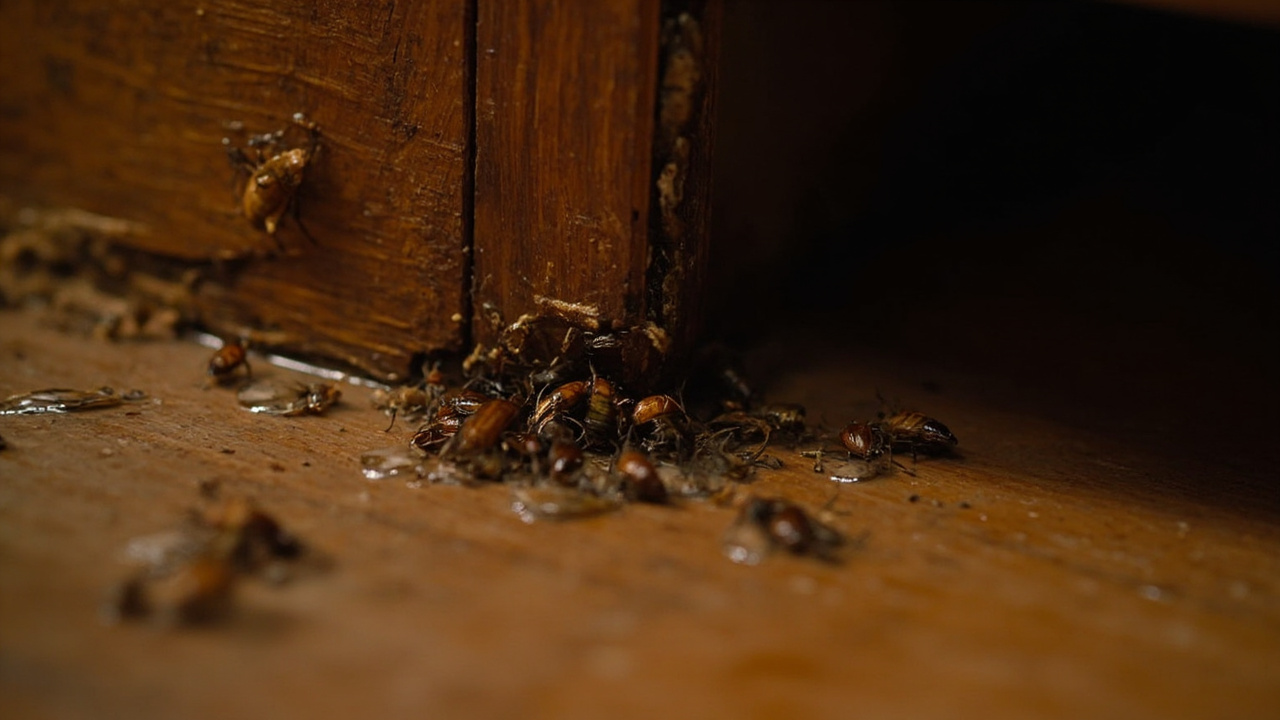
You will see live water bugs scurrying across floors at night, especially in kitchens and bathrooms. Look for dark droppings resembling coffee grounds or black pepper near baseboards and under sinks. A strong, musty odor signals a large infestation. Check for shed skins and egg casings in dark, moist areas like basement corners or behind appliances. Water bugs leave greasy smear marks along walls where they travel. In Cleveland homes with basement moisture issues, check near sump pumps and floor drains. If you spot one water bug, assume more are hiding.

Can your house be infested with water bugs? +

Yes. Water bugs reproduce quickly and establish colonies in wall voids, crawl spaces, and plumbing chases. A single female produces hundreds of offspring in months. Cleveland homes with older plumbing systems or basement moisture problems are vulnerable. Infestations concentrate near water sources but spread throughout the structure as populations grow. They hide in appliances, behind wallpaper, and inside cardboard boxes. Water damage from roof leaks or foundation seepage accelerates infestations. Without professional treatment, water bugs will not leave on their own. They adapt to indoor conditions and thrive year-round in heated Cleveland homes.

What do water bugs hate the most? +

Water bugs avoid strong scents like peppermint oil, cedar, and bay leaves, but these are temporary deterrents. They hate dry environments and lack of moisture. Bright light repels them since they are nocturnal. Diatomaceous earth damages their exoskeletons, causing dehydration. Boric acid disrupts their digestive systems. However, home remedies rarely eliminate established infestations. Water bugs will tolerate discomfort to access food and water. In Cleveland's variable climate, they retreat deeper into your home rather than leave. Professional treatment targets their hiding spots and breeding areas, which temporary repellents cannot reach.

How to permanently get rid of water bugs? +

Eliminate moisture sources first. Fix leaking pipes, improve basement ventilation, and repair foundation cracks. Remove standing water from crawl spaces and dehumidify damp areas. Seal entry points around pipes, windows, and doors with caulk or steel wool. Clean drains regularly and remove food debris. Professional pest control combines targeted insecticide treatments with insect growth regulators to disrupt reproduction. Treat wall voids, plumbing chases, and exterior perimeters. Cleveland homes often need ongoing moisture management due to regional humidity. Monitor problem areas monthly. One treatment rarely solves chronic infestations in older Cleveland housing stock.

Does pouring bleach down the drain get rid of roaches? +

Bleach kills roaches on contact but does not eliminate infestations. It flushes some insects from drains temporarily but does not reach nesting sites in wall voids or under flooring. Roaches and water bugs live in drain pipes, not just on surfaces. Bleach also damages pipes and creates toxic fumes when mixed with other cleaners. Cleveland's older plumbing systems can corrode from repeated bleach use. The smell may repel insects briefly, but they return when it dissipates. Use enzyme-based drain cleaners to remove organic buildup that attracts pests. Professional treatment targets breeding areas bleach cannot reach.

What time of year are water bugs most active? +

Water bugs remain active year-round in heated Cleveland homes but peak during late spring through early fall. Warm, humid weather from May through September drives outdoor populations indoors seeking moisture. Cleveland's summer humidity creates ideal conditions for breeding. You will see more activity during rainy periods when water bugs migrate from saturated soil into basements and crawl spaces. Winter forces outdoor populations to seek warmth, increasing indoor sightings. Homes with water damage or basement moisture problems experience consistent activity regardless of season. Peak reproduction occurs in summer when temperatures exceed 70 degrees.

How to find where water bugs are coming from? +

Inspect at night with a flashlight when water bugs are active. Check basement floor drains, sump pump areas, and utility penetrations where pipes enter walls. Examine gaps around kitchen and bathroom plumbing. Look for entry points near exterior hose bibs and AC condensate lines. In Cleveland homes, check foundation cracks and window well areas after rain. Water bugs follow moisture trails, so trace wet spots on basement walls to their source. Place sticky traps along baseboards to identify travel routes. Check behind refrigerators and under dishwashers where leaks occur. Exterior populations enter through weep holes in brick veneer.

Why shouldn't you squish cockroaches? +

Squishing cockroaches spreads bacteria and pathogens across your floor. Female roaches carry egg cases that release when crushed, spreading hundreds of eggs. The sudden pressure can expel bacteria from their bodies onto surfaces where children and pets contact it. Crushing releases pheromones that attract more roaches to the area. In Cleveland homes with asthma sufferers, crushed roach particles become airborne allergens. Use traps or vacuum them instead. Dead roaches should be disposed of in sealed bags outside your home. Professional treatment kills roaches without spreading contaminants throughout your living space.

What is the hardest pest to get rid of? +

Bed bugs are the hardest pest to eliminate. They hide in microscopic cracks, reproduce rapidly, and resist many insecticides. German cockroaches are a close second due to their short reproduction cycle and pesticide resistance. Carpenter ants require locating and treating hidden colonies in wall voids. Termites demand ongoing monitoring and barrier treatments. Water bugs are persistent but easier to control than bed bugs when moisture sources are eliminated. Cleveland's older housing stock with multiple hiding places complicates any pest treatment. Professional identification matters because treatment methods vary dramatically between species.

How Cleveland's Lake Effect Climate Drives Moisture and Roach Problems

Cleveland sits in a moisture belt created by Lake Erie. The lake moderates temperatures but increases humidity, especially in summer when warm air pulls moisture from the water. This elevated humidity seeps into basements and crawl spaces throughout Lakewood, Rocky River, and eastern suburbs. When humidity stays above 60 percent for extended periods, oriental cockroaches and other moisture-dependent insects establish colonies in your home. Winter brings different challenges. Heavy snow loads on roofs create ice dams that force meltwater under shingles and into attics. Spring snowmelt saturates the ground and pushes water through foundation walls weakened by freeze-thaw cycles. These seasonal moisture patterns make Cleveland homes particularly vulnerable to water damage roaches.

Cuyahoga County building codes require specific foundation waterproofing standards, but thousands of older Cleveland homes were built before these codes existed. We understand the construction methods used in homes throughout University Circle, Shaker Heights, and Cleveland Heights. We know how limestone foundations in older homes absorb groundwater differently than poured concrete. We recognize the drainage challenges created by Cleveland's clay soil, which does not absorb water quickly and pushes it against foundation walls. This local knowledge allows us to design moisture control solutions that work specifically for Cleveland homes, not generic approaches that fail in our climate.
Water Damage Restoration Services in The Cleveland Area

Horizon Water Damage Restoration Cleveland proudly serves the entire Cleveland area and its surrounding communities. Our team is strategically located to ensure a rapid response to your water damage emergency. We are committed to being there for you when you need us most. Please view the map to see our service area and feel free to reach out to us with any questions or for immediate assistance.

Address:
Horizon Water Damage Restoration Cleveland, 3224 Prospect Ave E, Cleveland, OH, 44115

Additional Services We Offer

Our news updates

Latest Articles & News from The Blogs

South Euclid basements face a relentless battle against groundwater due to the heavy clay soil common across the Cleveland metro…

Why South Euclid homeowners need more than a standard dehumidifier for wet basements

South Euclid basements face a relentless battle against groundwater due to the heavy clay soil common across the Cleveland metro…

Why your air conditioner is leaking through the ceiling in Broadview Heights

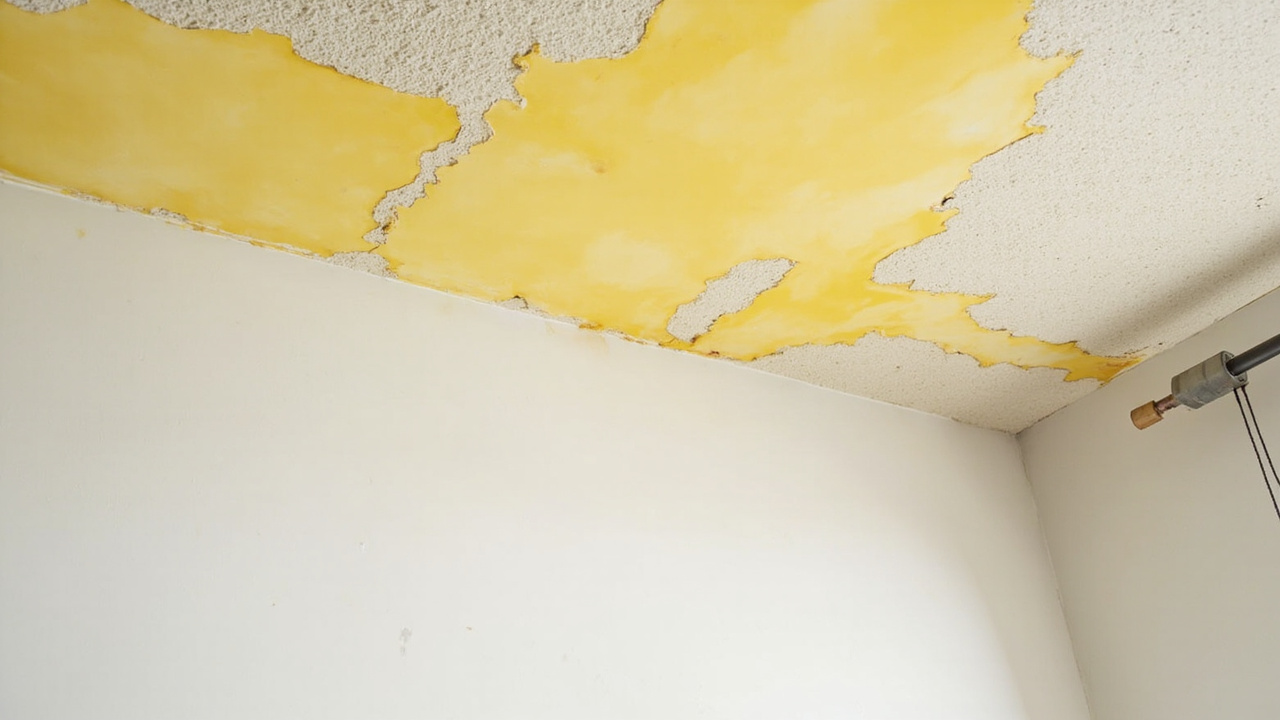
AC Condensate Leak Water Damage Solutions for Cleveland Homeowners A yellow stain appearing on your second floor ceiling often signals…

Can Water Get Trapped Under the Tile in Your Woodmere Kitchen

Water trapped under kitchen tile is a hidden threat for many Woodmere homeowners. You might see a beautiful porcelain or…

Contact Us

Water bugs in your home mean water damage you cannot see. Call Atlas Water Damage Restoration Providence at (216) 547-1277 right now. We locate the moisture source, remove it, and make your home uninhabitable for roaches.