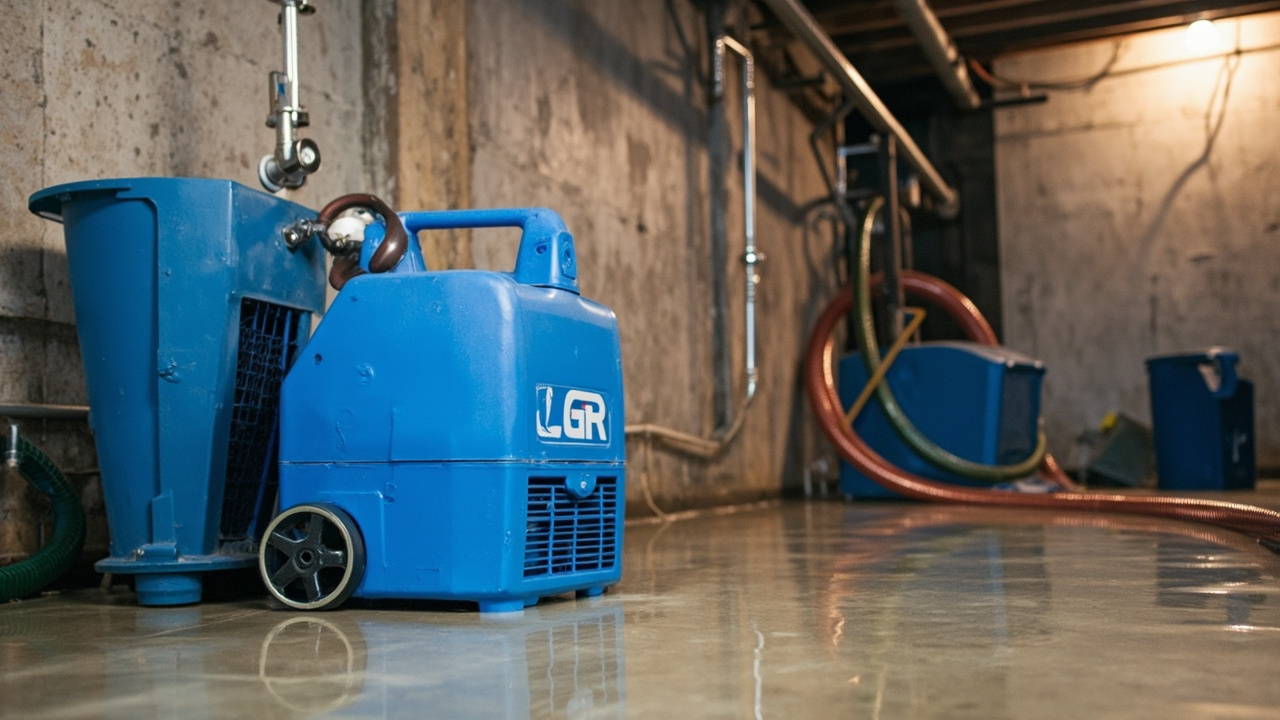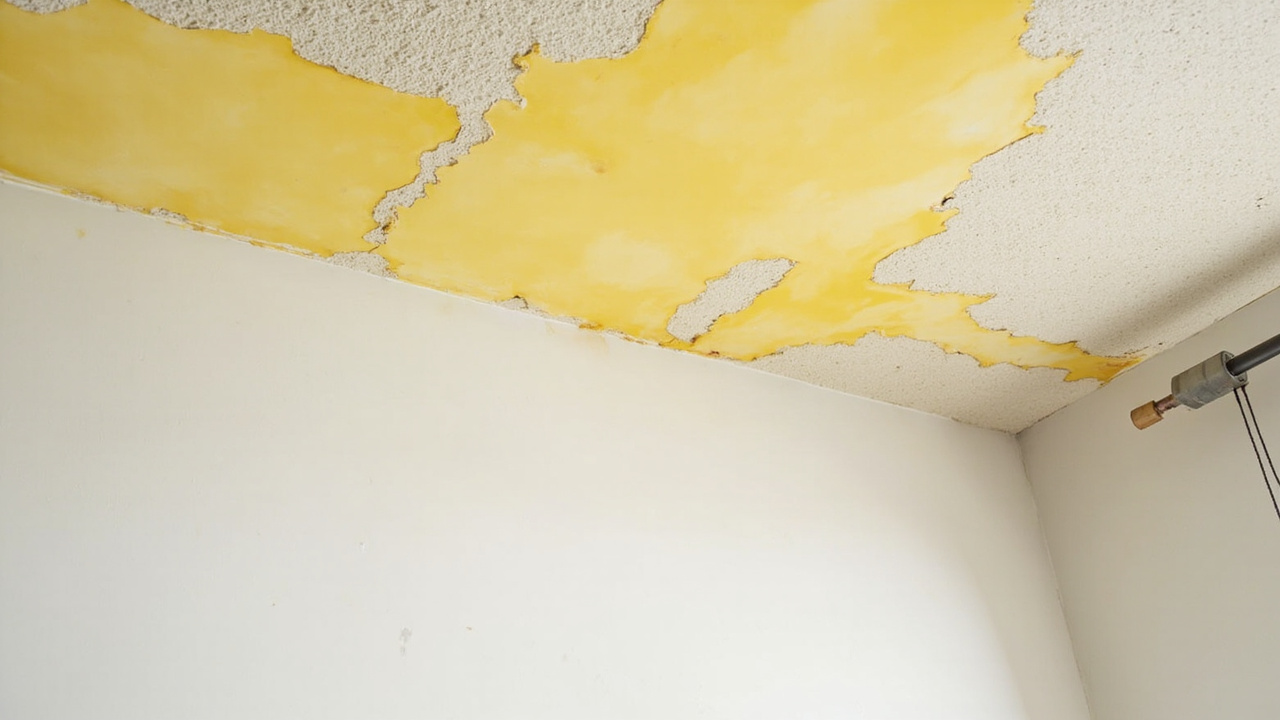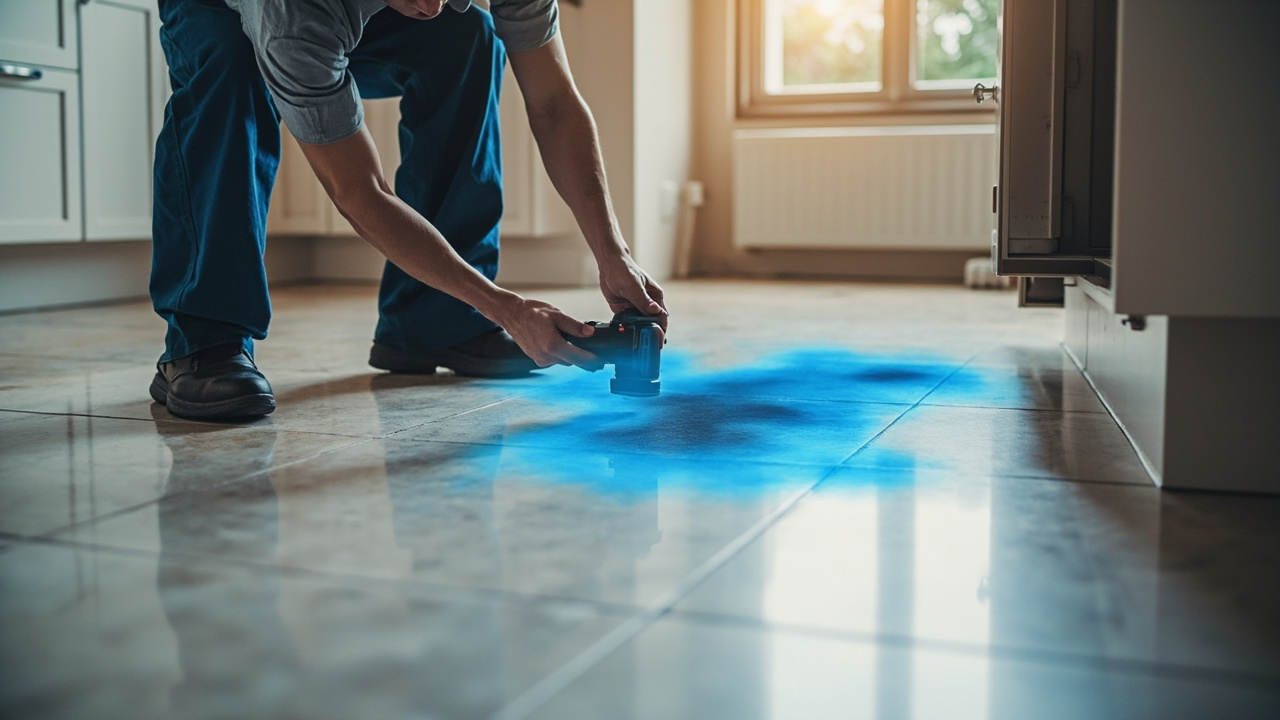







Lake Erie creates a microclimate that extends structural drying duration compared to inland cities. Summer humidity levels regularly exceed 70 percent, reducing the atmosphere's ability to absorb moisture from wet building materials. This high ambient humidity means water damage drying time in Cleveland averages 20 to 30 percent longer than the same damage in drier climates. Winter presents different challenges. Cold air holds less moisture, but unheated basements and crawl spaces in older Cleveland homes slow evaporation rates. We account for these seasonal variables when estimating your drying process length and selecting appropriate equipment for current weather conditions.
Cleveland's housing stock includes thousands of homes built before 1950 with construction methods that complicate modern drying techniques. Plaster walls, solid wood flooring, and stone foundations require different approaches than drywall and engineered lumber. We have dried water damage in Cleveland homes across every decade of construction from Victorian-era properties in Detroit Shoreway to mid-century builds in Brecksville. This experience base means we recognize material behaviors specific to your home's construction era and adjust drying strategies accordingly. Local expertise matters when determining time to dry out water damage because generic timelines do not account for Cleveland's unique combination of climate conditions and building characteristics.