




menu

Allergic Reactions in Home in Cleveland – Get Expert Mold Testing and Complete Remediation

We diagnose water damage allergy triggers fast, eliminate mold at the source, and restore clean indoor air for Cleveland families struggling with unexplained allergic reactions in home environments.

Slider Image 1
Slider Image 2
Slider Image 3
Slider Image 4
Slider Image 5
Slider Image 7
Slider Image 8
Slider Image 9
Slider Image 10
Slider Image 11

Why Cleveland Homes Trigger Year-Round Allergy Symptoms

You sneeze constantly indoors. Your eyes water. Your throat itches the moment you step inside. You blame pollen or dust, but the real culprit lives in your walls, attic, or basement.

Cleveland's humid continental climate creates perfect breeding conditions for household mold allergies. Summer humidity regularly tops 70 percent. Winter freeze-thaw cycles crack foundations and let moisture seep into crawl spaces. Spring rains overwhelm gutters on older homes in neighborhoods like Ohio City and Tremont. That water finds its way inside. It saturates drywall, soaks insulation, and pools under flooring.

Mold spores colonize wet materials within 24 to 48 hours. You do not see it yet, but you feel it. Indoor mold symptoms start mild: a scratchy throat, watery eyes, persistent coughing. Then they escalate. Chronic sinus infections. Asthma flare-ups. Skin rashes that never heal. Children and elderly family members suffer the worst mildew allergic reactions.

Most homeowners blame seasonal allergies or poor air quality. They buy air purifiers and change filters weekly. Nothing improves. The reason is simple. Surface cleaning does not fix mold exposure symptoms. You need to eliminate the moisture source and remove contaminated materials.

Water damage allergy triggers are not always visible. Mold grows behind baseboards, inside HVAC ducts, and under carpets. It spreads through spores you cannot see but breathe constantly. Cleveland's aging housing stock makes this worse. Homes built before 1980 often lack proper vapor barriers. Basements flood during spring storms. Roof leaks go unnoticed until ceiling stains appear.

If your symptoms worsen at home and improve when you leave, you have a moisture problem.

Why Cleveland Homes Trigger Year-Round Allergy Symptoms
How We Identify and Eliminate Mold at the Source

How We Identify and Eliminate Mold at the Source

We do not mask symptoms. We eliminate the cause.

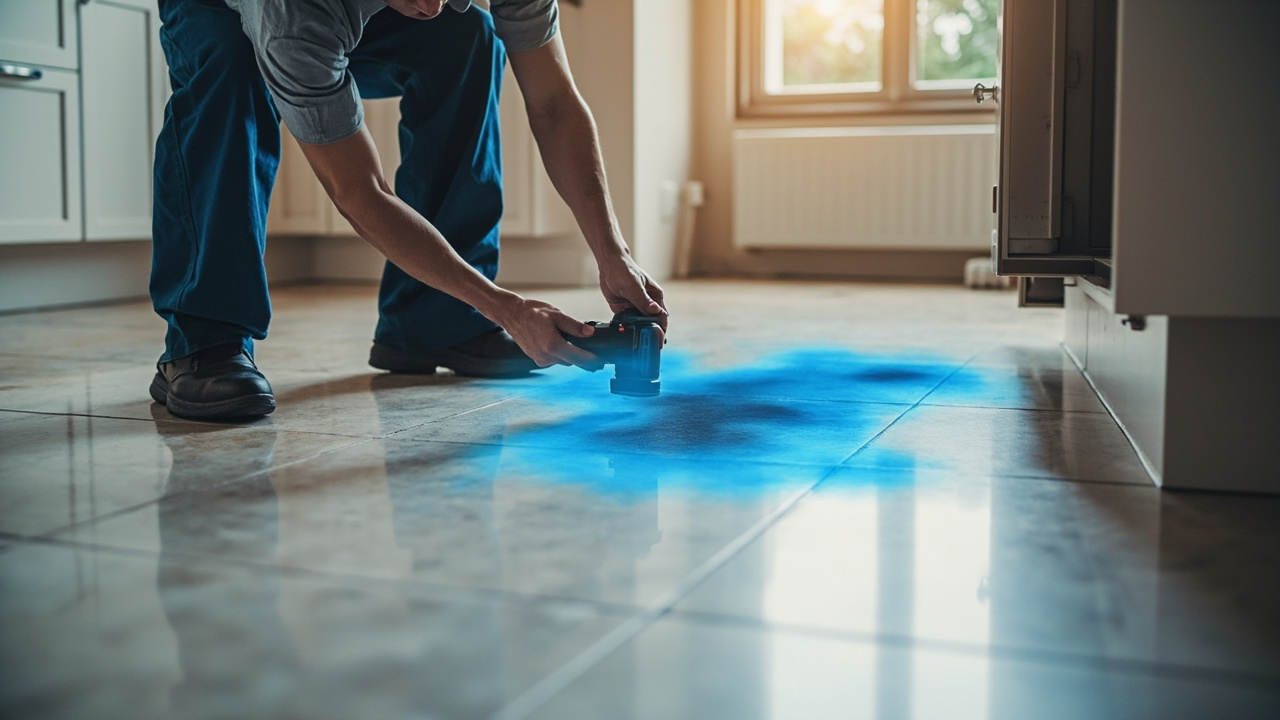
Our process starts with thermal imaging and moisture meters. We scan walls, ceilings, and floors to map hidden water intrusion. Infrared cameras reveal temperature differentials that indicate wet insulation or trapped moisture. Moisture meters quantify saturation levels in wood framing, drywall, and subflooring. This data tells us where mold is actively growing, not just where you see stains.

Next, we conduct air quality sampling. We collect spore samples from multiple rooms and send them to an independent lab. The lab identifies mold species and quantifies spore concentration. This confirms whether your indoor mold symptoms match elevated mold levels. It also rules out other allergens.

Once we confirm contamination, we establish containment zones. We seal off affected areas with polyethylene sheeting and create negative air pressure using HEPA-filtered air scrubbers. This prevents cross-contamination during removal. Mold spores are light. They travel through air currents and settle in clean areas if you do not control airflow.

We remove contaminated materials completely. Drywall, insulation, carpeting, and baseboards go into sealed disposal bags. We do not try to clean porous materials. Mold roots penetrate deep into cellulose and paper backing. Scrubbing the surface leaves roots alive. They regrow within weeks.

We treat non-porous surfaces with antimicrobial solutions. Framing lumber, concrete, and metal get cleaned and sealed. We address the moisture source next. We repair leaks, improve drainage, install vapor barriers, and upgrade ventilation. Without fixing the water problem, mold returns.

Finally, we verify clearance with post-remediation testing. We resample the air after work finishes. Lab results confirm spore levels dropped to normal background concentrations. Only then do we sign off on the job.

What Happens During Your Home Mold Assessment

Allergic Reactions in Home in Cleveland – Get Expert Mold Testing and Complete Remediation
01

Initial Inspection and Testing

We arrive within 24 hours of your call and conduct a room-by-room inspection using thermal imaging and moisture detection equipment. You show us where symptoms are worst, and we trace moisture paths through walls, floors, and ceilings. We collect air samples from symptomatic areas and outdoor control samples for lab comparison. This diagnostic phase takes 60 to 90 minutes and identifies contamination severity before we disturb anything.
02

Containment and Remediation

Once lab results confirm mold exposure symptoms, we isolate contaminated zones with physical barriers and negative air machines. We remove all affected porous materials, treat structural surfaces with EPA-registered antimicrobials, and dry everything to below 15 percent moisture content. HEPA vacuums capture airborne spores during demolition. We document every step with photos and moisture readings. Remediation timelines range from two days for isolated bathroom mold to seven days for whole-basement contamination.
03

Verification and Prevention

After cleaning and repairs, we conduct clearance testing to verify indoor air quality meets safe thresholds. You receive lab reports showing spore counts dropped to normal levels. We provide a detailed moisture control plan addressing gutters, grading, sump pumps, dehumidifiers, and ventilation improvements. You get written documentation proving remediation was complete and effective. Most families notice symptom relief within 48 hours once contaminated materials are removed and fresh air circulates properly.

Why Cleveland Families Trust Local Water Damage Experts

We understand Cleveland housing. We know which neighborhoods flood during spring storms. We recognize the basement moisture problems common in pre-1960 brick colonials. We know how Lake Erie humidity accelerates mold growth in attics with inadequate ridge venting.

Generic mold companies follow checklists. We adapt to local conditions. Homes in Shaker Heights have different ventilation challenges than bungalows in Lakewood. Older homes near the Cuyahoga River Valley face groundwater intrusion issues that newer suburbs do not. We account for these variables in every assessment.

We work directly with Cleveland-area allergists and pulmonologists. When patients present with unexplained respiratory symptoms, local doctors refer them to us for environmental testing. This collaboration ensures you get medical and environmental solutions working together. Your doctor treats symptoms while we eliminate triggers.

Our technicians live in Cleveland. We respond fast because we are already nearby. We do not dispatch crews from Columbus or Toledo. You call us at 7 a.m. with a flooded basement, and we arrive before 9 a.m. Speed matters with water damage. Every hour of delay increases mold colonization risk.

We carry full liability coverage and follow IICRC S520 mold remediation standards. These are not marketing claims. You can verify our credentials with the Institute of Inspection, Cleaning and Restoration Certification. We document every job with moisture readings, lab reports, and photo logs. If you file an insurance claim, we provide the documentation adjusters require.

Most importantly, we do not sell unnecessary services. If your allergic reactions stem from mildew on bathroom caulk, we tell you to clean it yourself. We only recommend full remediation when testing confirms a real health hazard. Trust is built on honesty, not upselling.

What to Expect When You Call for Help

Fast Response and Scheduling

We answer phones seven days a week and schedule inspections within 24 hours. Most appointments happen the same day or next morning. You do not wait a week while symptoms worsen. Our inspection window is two hours, not four. We respect your time. If active water damage is occurring, we arrive within two hours to stop it. Emergency calls get immediate dispatch. You are not placed in a queue. The technician you speak with coordinates your appointment directly and shows up when promised.

Thorough Diagnostic Process

Your initial assessment includes thermal imaging, moisture mapping, and air quality sampling. We do not guess. We test. You receive a written report detailing moisture levels, mold species identified by the lab, and contamination extent. We explain findings in plain language and show you thermal images highlighting problem areas. You see exactly what we see. We answer every question before proposing solutions. The assessment fee applies toward remediation if you proceed. You are never pressured into immediate decisions.

Complete Remediation and Verification

Remediation follows containment protocols that prevent spore spread to clean areas. We remove contaminated materials completely, treat structural surfaces, and dry everything thoroughly. HEPA air scrubbers run continuously during work. You receive daily updates and photos documenting progress. Post-remediation clearance testing confirms air quality returned to safe levels. You get lab-verified proof that the job was done right. Most projects finish in three to five days. We leave your home cleaner than we found it, with no construction debris or lingering odors.

Ongoing Moisture Control Support

We provide a customized moisture control plan addressing gutters, drainage, ventilation, and humidity management. You receive specific recommendations for dehumidifiers, sump pump upgrades, and seasonal maintenance. We offer optional follow-up inspections at six months and one year to verify conditions stay dry. If new moisture problems emerge within the first year, we return for a free assessment. Our goal is permanent resolution, not repeat business. You get phone and email support for any questions after project completion. We remain your resource for moisture and indoor air quality concerns.

Frequently Asked Questions

You Have Questions,
We Have Answers

What could be causing allergies in my house? +

Common indoor allergens include dust mites thriving in Cleveland's humid summers, pet dander, mold spores from basement moisture, cockroach droppings, and pollen tracked inside. Mold grows easily in older Cleveland homes with poor ventilation or past water damage. Dust accumulates in carpets, bedding, and upholstery. HVAC systems circulate these allergens throughout your house if filters go unchanged. Leaky basements and crawl spaces create perfect conditions for mold and dust mites. Check humidity levels, inspect for water stains, and examine areas with musty odors. The problem often starts with moisture issues common in Northeast Ohio's freeze-thaw cycles.

How do I figure out what I am allergic to in my house? +

Start with an allergist who can perform skin prick tests or blood work to identify specific allergens. Keep a symptom diary noting when reactions occur and where you are in your home. Professional indoor air quality testing measures mold spore counts and particulate levels. Home test kits check for specific mold types or dust mite populations. Inspect problem areas like basements, bathrooms, and attics for visible mold growth. Pay attention to seasonal patterns. Cleveland's high humidity in summer worsens dust mite allergies, while spring pollen infiltrates through windows and HVAC systems. Process of elimination helps narrow sources.

How to manage an allergic reaction at home? +

Remove yourself from the allergen source immediately. Take antihistamines for mild symptoms like sneezing or itching. Use a saline nasal rinse to clear irritants from nasal passages. Apply cool compresses for skin reactions. Shower and change clothes to remove allergens from your body. Run air purifiers with HEPA filters in affected rooms. For severe reactions involving difficulty breathing or swelling, call 911 right away. Keep epinephrine auto-injectors accessible if you have known severe allergies. Clean surfaces with damp cloths to trap allergens instead of spreading them. Monitor symptoms for worsening and seek medical care if needed.

How do you treat sneezing from allergies? +

Over-the-counter antihistamines like cetirizine or loratadine reduce sneezing within an hour. Nasal corticosteroid sprays provide longer-term relief by reducing inflammation. Avoid triggers by keeping windows closed during high pollen days common in Cleveland springs. Use allergen-proof pillow and mattress covers to block dust mites. Wash bedding weekly in hot water above 130 degrees. Run a dehumidifier to maintain humidity below 50 percent, which reduces dust mites and mold growth in basements. HEPA air purifiers remove airborne particles. Saline nasal irrigation flushes irritants before they trigger sneezing. Address underlying moisture problems causing mold growth.

How can I tell if my house is making me sick? +

Watch for symptoms that improve when you leave home and return when you come back. Persistent coughing, sneezing, watery eyes, headaches, fatigue, or respiratory issues signal indoor air quality problems. Visible mold growth, musty odors, or water stains indicate moisture issues common in Cleveland homes with aging foundations. Check for condensation on windows or excessive humidity. Notice if symptoms worsen in specific rooms like basements or bathrooms. Cleveland's older housing stock often harbors hidden mold in walls or crawl spaces. Professional indoor air quality testing measures mold spores, volatile organic compounds, and particulate matter to confirm contamination.

What are the hidden allergens in the house? +

Hidden allergens lurk in unexpected places. Dust mites concentrate in mattresses, box springs, and upholstered furniture you cannot easily clean. Mold grows behind wallpaper, inside wall cavities after plumbing leaks, and under carpets laid over concrete floors common in Cleveland basements. HVAC ductwork accumulates years of dust, dander, and mold spores that circulate when you run heating or cooling. Houseplants harbor mold in soil. Stored cardboard boxes attract cockroaches and collect dust. Bathroom exhaust fans clogged with dust spread allergens. Old carpets trap years of allergens deep in fibers that vacuuming cannot reach.

Can I test my house for allergies? +

Yes. Professional indoor air quality testing provides comprehensive allergen analysis. Certified hygienists collect air samples and surface swabs to measure mold spore counts, dust mite populations, and other particulates. Home test kits check for specific mold species or general allergen levels but lack professional accuracy. Testing identifies hidden sources like mold inside walls or HVAC systems. Cleveland homes built before 1980 often need testing due to outdated ventilation and moisture control. Results guide targeted remediation. Water damage restoration companies offering mold testing can assess your home and recommend solutions based on local climate factors affecting Northeast Ohio properties.

Can mold cause allergic reactions? +

Yes. Mold releases spores and mycotoxins that trigger allergic reactions in sensitive people. Symptoms include sneezing, runny nose, red eyes, skin rashes, and respiratory distress. Cleveland's humid climate and older homes create perfect mold conditions, especially in basements and crawl spaces. Common indoor molds include Cladosporium, Penicillium, Aspergillus, and Stachybotrys (black mold). Even non-toxic mold species cause allergies. Prolonged exposure worsens symptoms and can lead to chronic sinus infections or asthma. Mold grows after water damage, leaks, or high humidity above 60 percent. Professional mold remediation removes contamination at the source.

Do air purifiers help allergies? +

Yes, when used correctly. HEPA air purifiers capture 99.97 percent of particles 0.3 microns or larger, including pollen, dust mites, pet dander, and mold spores. Place units in bedrooms and high-traffic areas for maximum benefit. Choose purifiers sized appropriately for room square footage. Change filters according to manufacturer guidelines. Air purifiers work best combined with source control like fixing water leaks causing mold or using allergen-proof bedding. They cannot remove allergens embedded in carpets or furniture. Cleveland's seasonal pollen surges and humid summers make air purifiers valuable tools, but they supplement rather than replace proper moisture control and cleaning.

How do you flush an allergic reaction out of your system? +

Your body naturally processes and eliminates allergens through your immune system. Drink plenty of water to help flush your system and thin mucus secretions. Antihistamines block histamine receptors to reduce symptoms while your body clears the allergen. Saline nasal rinses physically remove allergens from nasal passages. Shower to wash allergens off skin and hair. Eat anti-inflammatory foods and avoid alcohol, which worsens inflammation. Most allergic reactions resolve within hours to a few days once exposure stops. Severe reactions require medical intervention with epinephrine, corticosteroids, or IV fluids. Prevention through allergen avoidance and addressing moisture problems remains the best approach.

How Lake Erie Humidity and Aging Basements Drive Cleveland Mold Problems

Cleveland sits 13 miles from Lake Erie, and that proximity keeps humidity elevated year-round. Summer dew points regularly hit 65 to 70 degrees, creating indoor relative humidity above 60 percent without dehumidification. Basements stay damp even when it is not raining. Combine that with the area's clay-heavy soil and aging infrastructure, and you get chronic moisture intrusion. Homes built before 1970 often lack proper foundation waterproofing or vapor barriers. Spring rains saturate the ground, hydrostatic pressure builds, and water seeps through basement walls and floor cracks. That moisture feeds mold growth year after year, triggering household mold allergies and mildew allergic reactions in families who never see visible mold.

Cleveland building codes now require improved moisture control in new construction, but most homes were built before these standards existed. Local restoration professionals who understand regional hydrology and construction methods deliver better outcomes than national franchises following generic protocols. We know which neighborhoods experience seasonal flooding, which soil types cause foundation movement, and how Lake Erie wind patterns affect attic ventilation. That local knowledge translates into accurate diagnostics and permanent fixes. Choosing a Cleveland-based water damage expert means working with someone who understands your home's specific vulnerabilities and can recommend solutions proven effective in this climate and geography.
Water Damage Restoration Services in The Cleveland Area

Horizon Water Damage Restoration Cleveland proudly serves the entire Cleveland area and its surrounding communities. Our team is strategically located to ensure a rapid response to your water damage emergency. We are committed to being there for you when you need us most. Please view the map to see our service area and feel free to reach out to us with any questions or for immediate assistance.

Address:
Horizon Water Damage Restoration Cleveland, 3224 Prospect Ave E, Cleveland, OH, 44115

Additional Services We Offer

Our news updates

Latest Articles & News from The Blogs

South Euclid basements face a relentless battle against groundwater due to the heavy clay soil common across the Cleveland metro…

Why South Euclid homeowners need more than a standard dehumidifier for wet basements

South Euclid basements face a relentless battle against groundwater due to the heavy clay soil common across the Cleveland metro…

Why your air conditioner is leaking through the ceiling in Broadview Heights

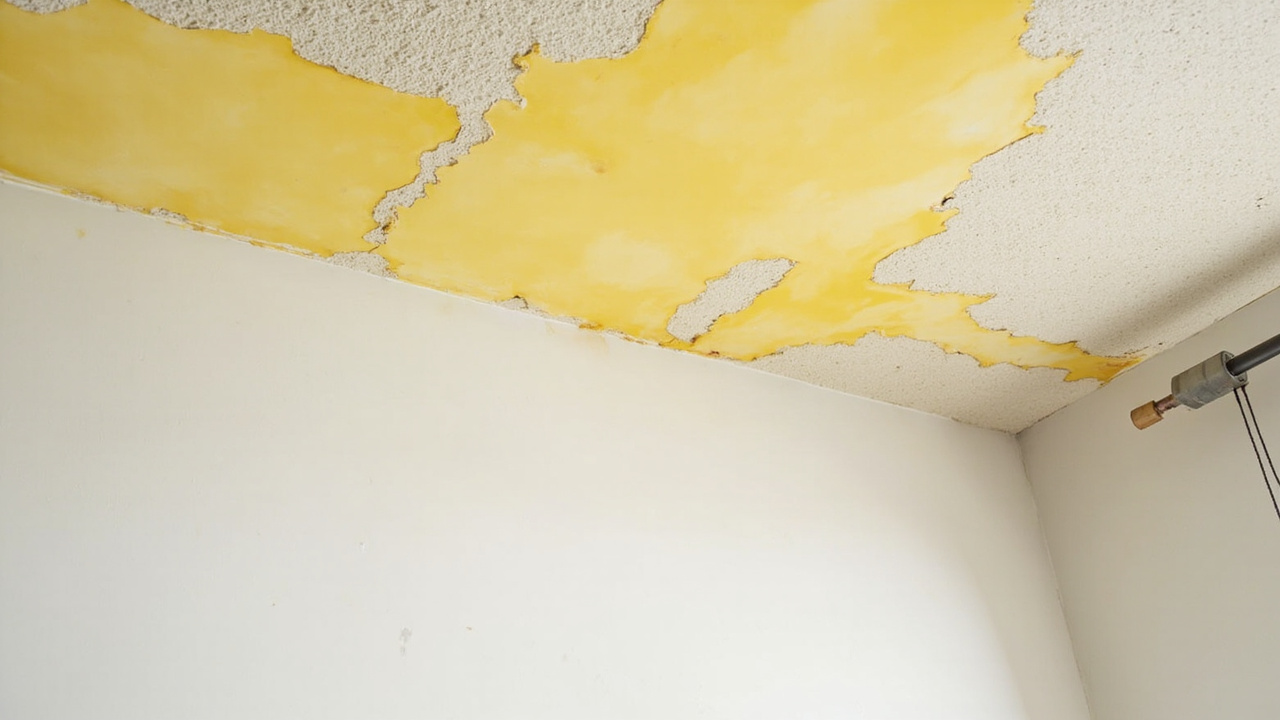
AC Condensate Leak Water Damage Solutions for Cleveland Homeowners A yellow stain appearing on your second floor ceiling often signals…

Can Water Get Trapped Under the Tile in Your Woodmere Kitchen

Water trapped under kitchen tile is a hidden threat for many Woodmere homeowners. You might see a beautiful porcelain or…

Contact Us

Call Horizon Water Damage Restoration Cleveland at (216) 547-1277 right now. We will schedule your mold assessment within 24 hours and identify exactly what is triggering your symptoms. You deserve to breathe clean air in your own home.