menu

School & University Restoration in Cleveland – Protecting Academic Operations with Minimal Campus Downtime

Horizon Water Damage Restoration Cleveland delivers industrial-scale educational facility water damage restoration engineered for rapid campus recovery, code compliance, and business continuity across K-12 schools, colleges, and universities in the greater Cleveland metro.

Slider Image 1
Slider Image 2
Slider Image 3
Slider Image 4
Slider Image 5
Slider Image 7
Slider Image 8
Slider Image 9
Slider Image 10
Slider Image 11

Why Water Damage Threatens Academic Buildings in Cleveland

Cleveland's freeze-thaw cycles create catastrophic risks for educational facilities. When temperatures swing from below freezing to sudden thaws, aging pipes in dormitories, science labs, and administrative buildings fail without warning. A single burst pipe in a multi-story academic building can flood lecture halls, damage critical research equipment, and force entire wings offline.

Educational institutions face compounding challenges beyond residential properties. Asbestos-containing materials in older campus structures built before 1980 require specialized handling during university flood cleanup services. Libraries hold irreplaceable archives vulnerable to mold colonization within 48 hours of water exposure. Laboratories contain sensitive instrumentation and chemical storage that demand immediate environmental controls.

Cleveland State University, Case Western Reserve University, and regional community colleges operate in buildings ranging from historic brick structures to modern glass-facade designs. Each architectural type presents distinct vulnerabilities. Historic masonry absorbs water through mortar joints, while contemporary HVAC systems in newer facilities can distribute contaminated water throughout ductwork, creating hidden mold reservoirs.

The operational stakes are significant. School disaster recovery services must address liability concerns, maintain ADA compliance during repairs, coordinate with state inspectors, and minimize instructional disruption. A flooded student union during exam week or water-damaged residence hall mid-semester creates cascading operational failures that extend far beyond the physical damage itself.

Academic building water damage repair requires contractors who understand educational timelines, regulatory oversight, and the scale of institutional operations. College campus water remediation cannot follow residential protocols when dealing with cafeterias serving thousands, networked IT infrastructure, or residence halls housing vulnerable populations.

Why Water Damage Threatens Academic Buildings in Cleveland
Our Commercial-Grade Restoration Methodology

Our Commercial-Grade Restoration Methodology

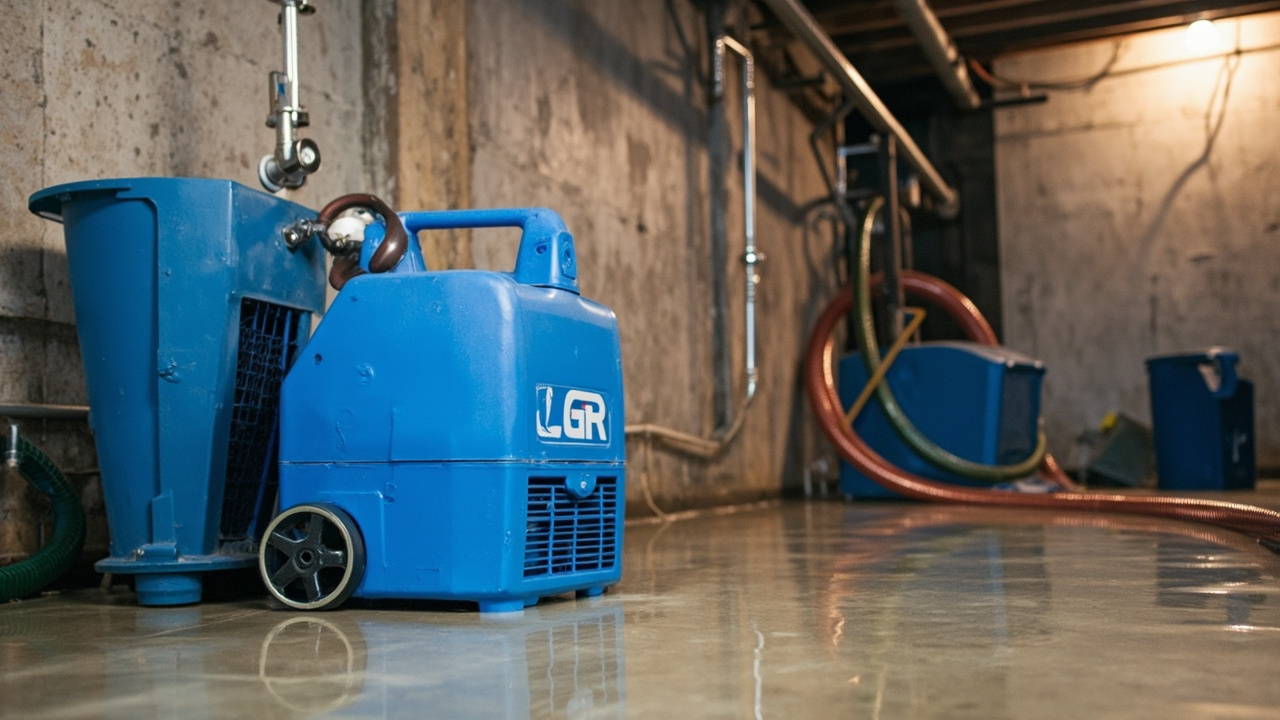
Horizon Water Damage Restoration Cleveland deploys commercial extraction equipment capable of removing thousands of gallons from lecture halls, gymnasiums, and multi-floor academic complexes. We use truck-mounted pumps with 200-foot hose reaches to access flooded basements without routing equipment through occupied corridors. Our industrial air movers generate 3,000 CFM airflow to dry institutional carpeting, while low-grain refrigerant dehumidifiers pull moisture from concrete substrates common in Cleveland educational construction.

Our process begins with moisture mapping using thermal imaging and penetrating pin meters. We document water migration patterns through wall cavities, identify saturation in ceiling tiles, and measure moisture content in wood framing to establish drying benchmarks. This data informs our containment strategy, which uses negative air machines with HEPA filtration to prevent cross-contamination between affected zones and active classrooms.

We understand building envelope interactions specific to Cleveland's climate. When water infiltrates through failed roof membranes or window assemblies, we coordinate temporary weatherproofing while executing interior drying. Our technicians recognize how steam heating systems in older campus buildings create condensation risks during winter restoration work, requiring adjusted drying protocols.

For university flood cleanup services, we deploy antimicrobial treatments approved for occupied educational environments. We follow IICRC S500 standards for water damage restoration, modified for institutional settings where air quality monitoring and documentation requirements exceed residential thresholds. Our technicians coordinate with facilities managers to maintain fire suppression systems, emergency exits, and building security during active restoration.

We extract water from server rooms without disrupting network operations, dry athletic facilities without damaging hardwood courts, and restore science labs while maintaining contamination protocols. This requires understanding mechanical systems, campus infrastructure, and the operational priorities that distinguish educational facility water damage restoration from standard commercial work.


Campus Restoration Execution Model

School & University Restoration in Cleveland – Protecting Academic Operations with Minimal Campus Downtime
01

Emergency Response Mobilization

Our team arrives within two hours of contact to establish incident command coordination with campus security and facilities staff. We perform triage assessment across affected buildings, identify immediate safety hazards like electrical risks or structural concerns, and deploy extraction equipment to stop water migration. We document pre-loss conditions with photo and video evidence required for institutional insurance claims while establishing communication protocols with administrative leadership.
02

Controlled Environment Drying

We install drying chambers in affected zones using polyethylene barriers and negative air scrubbers to isolate restoration areas from occupied spaces. Our technicians monitor temperature and humidity levels every four hours, adjusting equipment placement as drying progresses. We coordinate with campus HVAC operators to optimize building air exchanges without compromising energy management systems. Daily moisture readings track progress toward EPA-recommended drying standards for educational environments.
03

Operational Handoff and Certification

Final clearance testing includes air quality sampling, surface microbial analysis, and moisture verification in all building materials. We provide detailed documentation packages with thermal imaging comparisons, equipment logs, and restoration timelines for institutional records and regulatory compliance. Our team coordinates with campus environmental health and safety officers to certify spaces ready for reoccupancy, ensuring academic operations resume without liability exposure or ongoing contamination risks.

Why Cleveland Institutions Choose Local Restoration Experts

Cleveland educational facilities operate under Ohio Building Code requirements that mandate specific moisture control standards in occupied institutional buildings. Local restoration contractors understand how Cleveland's Building Department enforces Section 1203 ventilation requirements during reconstruction, and how Cuyahoga County health inspectors evaluate mold remediation in buildings serving minors.

Our familiarity with Cleveland's architectural landscape provides operational advantages. We know which campus buildings contain lead paint requiring EPA RRP certification during repairs. We understand how Cleveland's combined sewer system creates backflow risks during heavy rain events common to spring semester months. We recognize construction patterns in buildings erected during Cleveland's industrial expansion, when universities built with materials now classified as hazardous.

Horizon Water Damage Restoration Cleveland maintains relationships with local environmental testing laboratories that provide 24-hour turnaround on air quality analysis required by institutional risk management departments. We coordinate with Cleveland-based structural engineers when water damage affects load-bearing elements in multi-story academic buildings. Our subcontractor network includes electricians and plumbers licensed in Ohio who understand educational facility code requirements.

The regulatory environment for school disaster recovery services extends beyond building codes. We navigate OSHA requirements for worker safety in institutional settings, coordinate with state fire marshals when sprinkler systems activate, and document restoration work for insurance carriers familiar with Ohio educational institution policies.

Institutional decision-makers need contractors who communicate with trustees, respond to parental concerns, and understand fiduciary responsibilities unique to educational organizations. We provide detailed cost documentation, progress reporting, and stakeholder communication that aligns with governance structures of schools and universities. Our project managers speak the language of facilities directors who balance operational continuity against capital budget constraints, and who face scrutiny from boards demanding accountability and transparency in emergency spending.

What Cleveland Institutions Can Expect

Rapid Campus Response

Our commercial response team mobilizes within two hours for Cleveland educational facilities, arriving with industrial-scale extraction and drying equipment. We maintain equipment inventory sized for multi-building campuses, eliminating delays from equipment rental or transportation. Our project managers provide immediate incident briefings to campus leadership, establishing communication protocols that keep stakeholders informed throughout restoration. We work overnight and during academic breaks to minimize disruption to class schedules, understanding that dormitory closures or classroom relocations carry operational costs beyond physical repairs. Speed matters when each day of downtime affects enrollment, housing revenue, and institutional reputation.

Comprehensive Damage Assessment

Initial assessment includes moisture mapping of all affected areas using thermal cameras and moisture meters that penetrate concrete, masonry, and multi-layer floor assemblies common in institutional construction. We identify hidden water migration in wall cavities, above ceiling tiles, and within HVAC plenums. Our technicians document pre-existing conditions, photograph damaged property, and create detailed loss inventories required by institutional insurance carriers. We provide written scope of work documents that itemize affected building systems, estimate drying timelines, and identify code compliance issues requiring attention during reconstruction. Assessment reports include floor plans, equipment placement diagrams, and moisture reading logs that satisfy internal audit requirements and insurance adjuster protocols.

Institutional-Grade Restoration Quality

Final deliverables include complete environmental clearance testing, third-party verification of drying standards, and documentation packages meeting institutional record-keeping requirements. We restore buildings to pre-loss condition using materials and methods that match existing campus aesthetics and durability standards. Our work includes coordination with architects and campus planners when repairs intersect with capital improvement projects or deferred maintenance priorities. We understand the difference between residential-grade repairs and institutional construction that must withstand heavy use by student populations. Completed projects meet Ohio Building Code requirements, ADA accessibility standards, and fire safety regulations applicable to educational occupancies. You receive certified documentation proving regulatory compliance and environmental safety.

Post-Restoration Support and Planning

Our engagement extends beyond physical restoration to include preventive planning and facility assessment services. We provide campus-wide vulnerability audits identifying buildings at highest risk for water damage, recommend infrastructure upgrades to prevent future incidents, and develop emergency response plans tailored to your campus layout and operational priorities. We maintain project files and moisture data for institutional records, supporting future maintenance decisions and capital planning. Our team offers annual maintenance inspections of building envelopes, plumbing systems, and drainage infrastructure to catch problems before they escalate into emergency restoration events. You gain a restoration partner who understands your campus, maintains institutional knowledge, and provides ongoing support as building systems age and weather patterns shift.

Frequently Asked Questions

You Have Questions,
We Have Answers

How Cleveland's Lake Effect Weather Amplifies Campus Water Damage Risks

Cleveland's proximity to Lake Erie creates extreme precipitation events and rapid temperature fluctuations that stress aging campus infrastructure. Lake effect snow dumps sudden moisture loads on flat academic building roofs, overwhelming drainage systems designed decades before current climate patterns emerged. Spring thaws send meltwater through foundation cracks in buildings constructed when waterproofing technology was primitive. University flood cleanup services must address these seasonal patterns, particularly in January through March when freeze-thaw cycles cause the majority of catastrophic pipe failures. Educational facilities built in the 1960s and 1970s, when Cleveland's higher education system expanded rapidly, now face simultaneous infrastructure aging just as weather events intensify. College campus water remediation requires understanding how Lake Erie's humidity affects drying times and mold growth rates in buildings without modern HVAC dehumidification.

Water Damage Restoration Services in The Cleveland Area

Horizon Water Damage Restoration Cleveland proudly serves the entire Cleveland area and its surrounding communities. Our team is strategically located to ensure a rapid response to your water damage emergency. We are committed to being there for you when you need us most. Please view the map to see our service area and feel free to reach out to us with any questions or for immediate assistance.

Address:
Horizon Water Damage Restoration Cleveland, 3224 Prospect Ave E, Cleveland, OH, 44115

Additional Services We Offer

Our news updates

Latest Articles & News from The Blogs

South Euclid basements face a relentless battle against groundwater due to the heavy clay soil common across the Cleveland metro…

Why South Euclid homeowners need more than a standard dehumidifier for wet basements

South Euclid basements face a relentless battle against groundwater due to the heavy clay soil common across the Cleveland metro…

Why your air conditioner is leaking through the ceiling in Broadview Heights

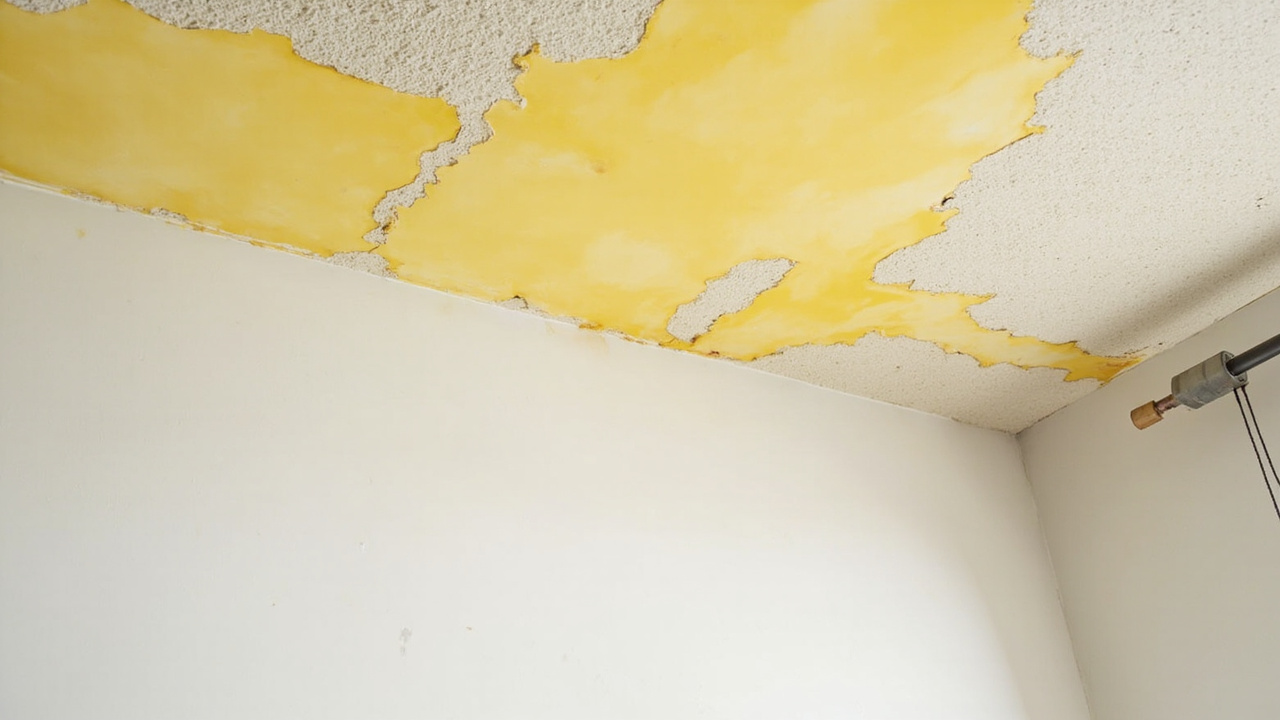
AC Condensate Leak Water Damage Solutions for Cleveland Homeowners A yellow stain appearing on your second floor ceiling often signals…

Can Water Get Trapped Under the Tile in Your Woodmere Kitchen

Water trapped under kitchen tile is a hidden threat for many Woodmere homeowners. You might see a beautiful porcelain or…

Contact Us

Cleveland educational institutions need restoration partners who understand institutional operations and regulatory requirements. Call Horizon Water Damage Restoration Cleveland at (216) 547-1277 for immediate campus emergency response or preventive facility assessments. We deliver commercial-scale solutions that minimize downtime and protect your academic mission.