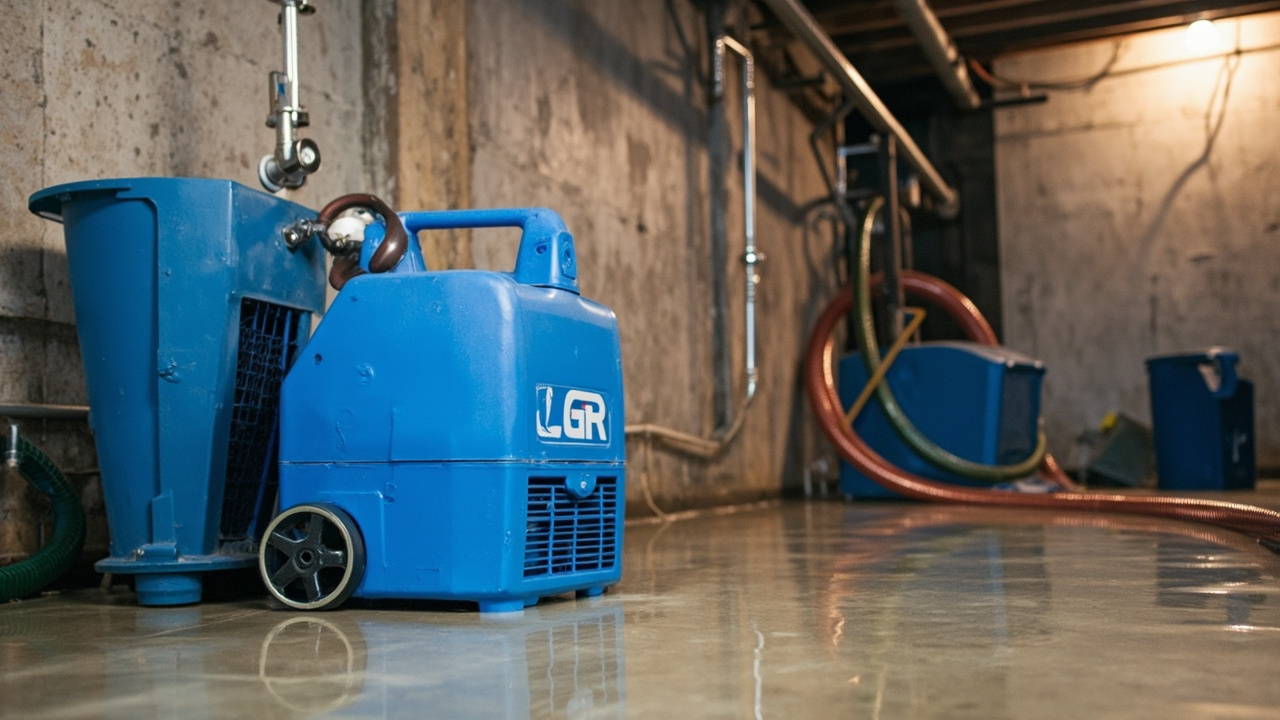





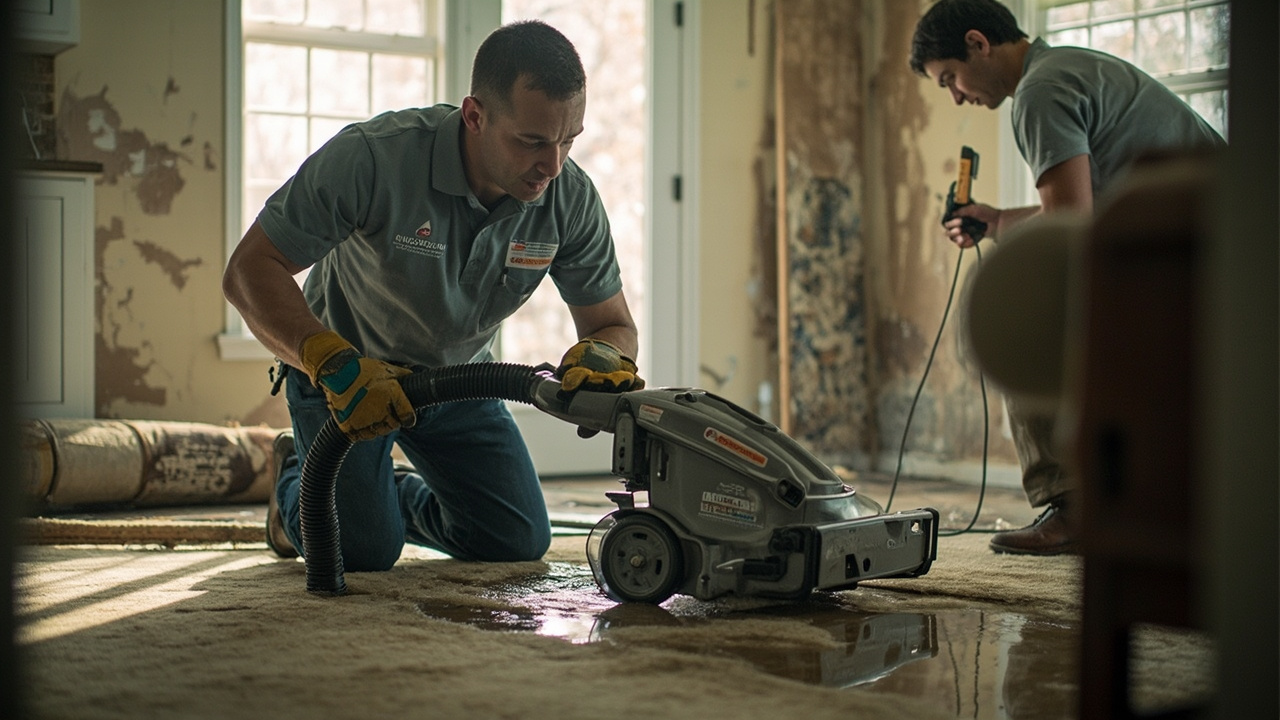
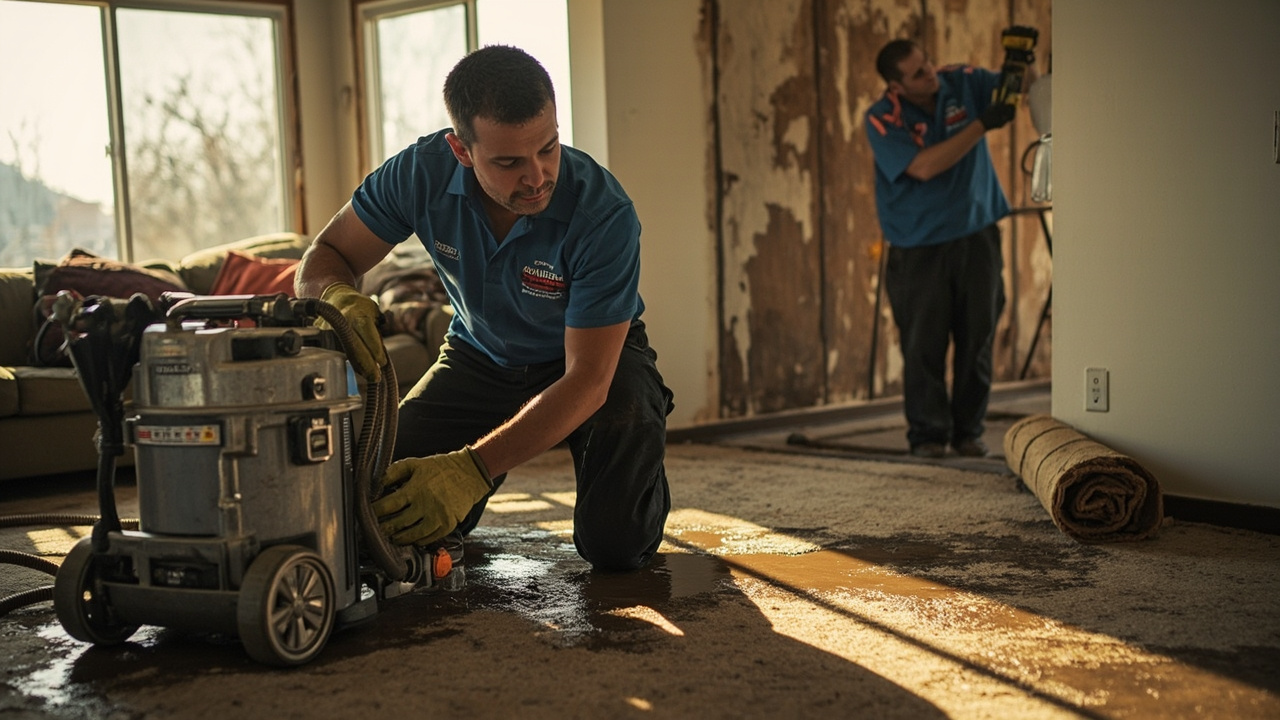
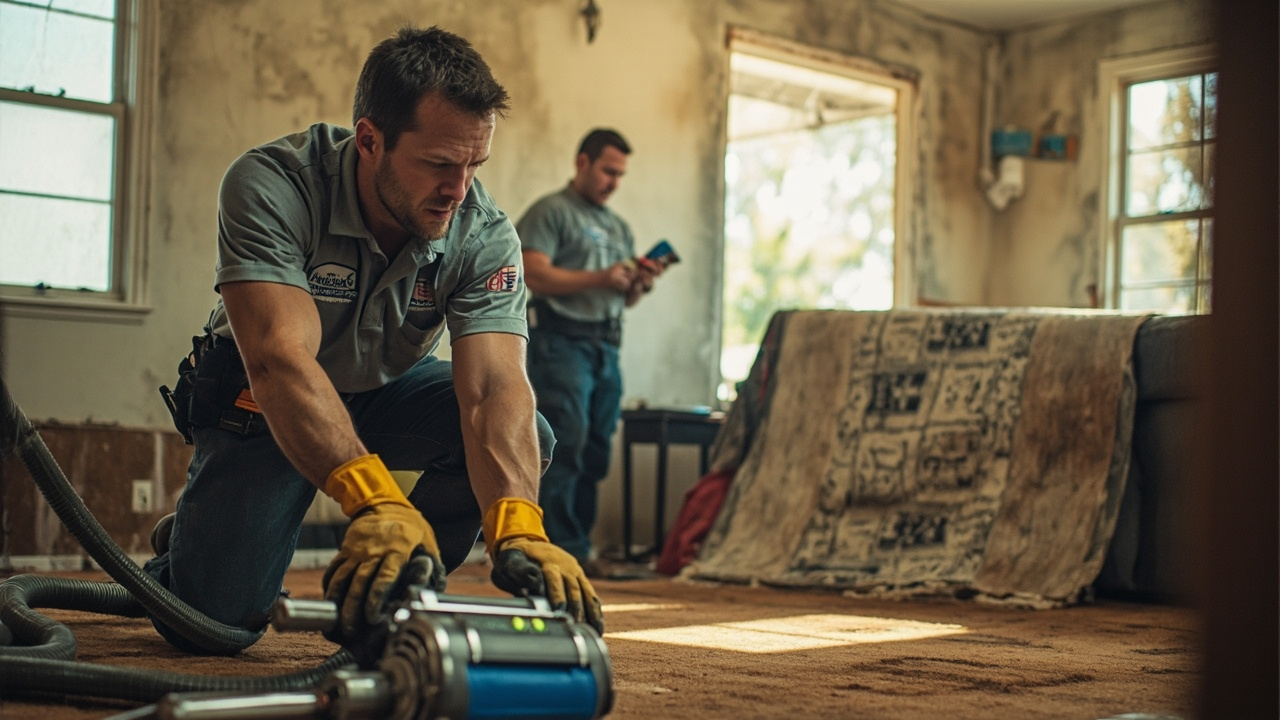
Cleveland's proximity to Lake Erie creates humidity levels that compound water damage severity. Summer dew points regularly exceed 65 degrees, creating ideal conditions for mold amplification in water-damaged materials. Winter freeze-thaw cycles crack foundations and burst pipes, while spring sees basements flood from rapid snowmelt and seasonal rain. The clay soil common throughout Cuyahoga County expands when wet and contracts when dry, creating foundation movement that opens pathways for water intrusion. These conditions make professional water damage mitigation essential, not optional. Inadequate drying in Cleveland's humid climate guarantees mold growth and structural decay.
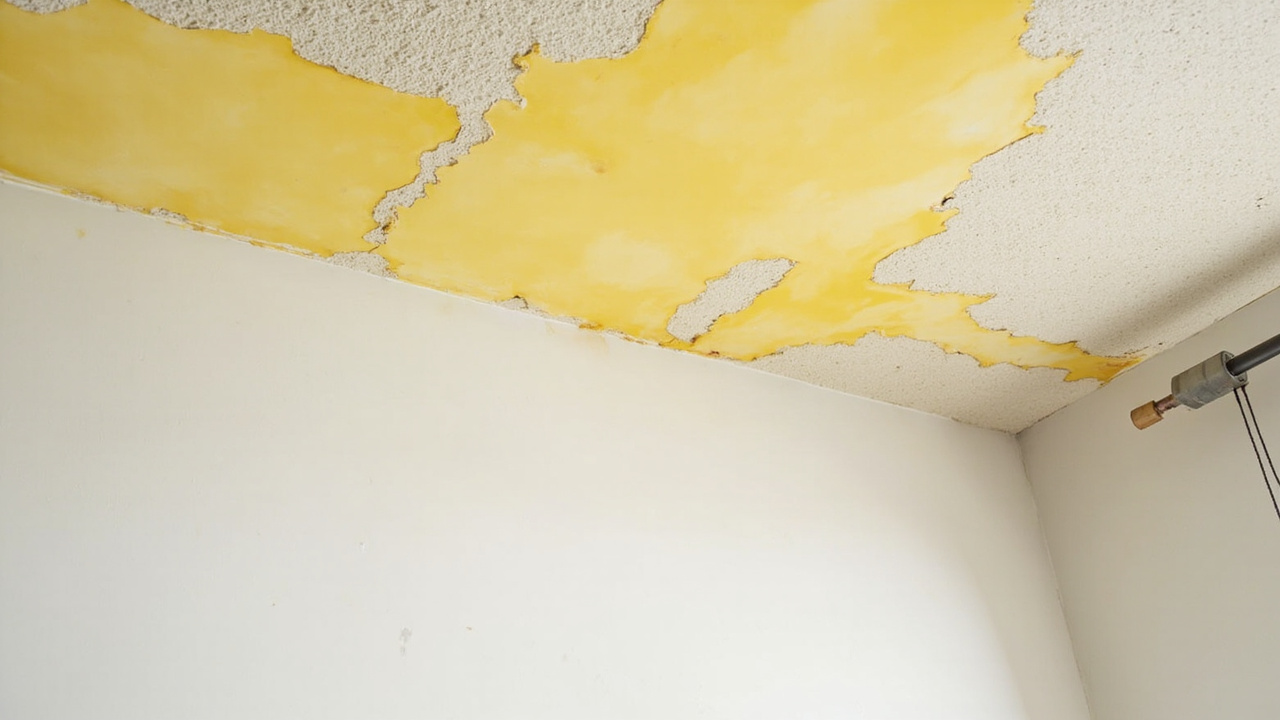
Cleveland building codes require specific protocols for water damage restoration in properties built before 1978 due to lead paint concerns. Demolition of water-damaged materials must follow EPA RRP rules. Our technicians hold required certifications and follow containment procedures that protect occupants and comply with local regulations. We understand Cuyahoga County health department requirements for category 3 water damage and coordinate inspections when required. This local regulatory knowledge prevents project delays and protects you from liability. National franchise operations often miss these local requirements, creating compliance issues that delay insurance claims and reconstruction timelines.