




menu

Sump Pump Maintenance Guide in Cleveland | Prevent Basement Flooding Before the Next Storm

Protect your Cleveland home from water damage with proven sump pump maintenance tips that address Lake Erie humidity, spring thaw cycles, and the unique drainage challenges of Northeast Ohio basements.

Slider Image 1
Slider Image 2
Slider Image 3
Slider Image 4
Slider Image 5
Slider Image 7
Slider Image 8
Slider Image 9
Slider Image 10
Slider Image 11

Why Cleveland Basements Demand Vigilant Sump Pump Care

Cleveland homeowners face a unique combination of water challenges that put extraordinary stress on sump pumps. Lake Erie's moisture drives humidity levels that keep basements damp year-round. Spring brings rapid snowmelt from heavy winter accumulation, often combined with rain that overwhelms drainage systems. Clay soil throughout Cuyahoga County absorbs water slowly, forcing groundwater against foundation walls.

Your sump pump is the only barrier between your finished basement and thousands of gallons of water. When it fails, you face flooded storage, ruined furnaces, mold growth within 48 hours, and foundation damage that costs far more than preventative maintenance ever would.

Most Cleveland residents never check their sump pump until it stops working. That is when you discover a seized float switch, a clogged discharge line frozen from February cold, or a pump that burned out from running continuously during April's heavy rains. A basic sump pump maintenance checklist prevents these failures before they flood your basement.

How to maintain a sump pump is not complicated, but it requires attention to local conditions. The freeze-thaw cycles common from October through April can crack discharge pipes. Basement humidity promotes algae growth in the sump pit. Power outages during summer storms leave pumps useless without battery backup.

Sump pump care tips focus on testing the system before you need it, not after water is already pooling around your water heater. Sump pump upkeep instructions should address seasonal threats specific to Northeast Ohio. Preventative sump pump maintenance is the difference between a dry basement and a disaster that interrupts your life for weeks.

Understanding what your pump faces in Cleveland helps you protect it properly.

Why Cleveland Basements Demand Vigilant Sump Pump Care
The Complete Cleveland Sump Pump Maintenance Protocol

The Complete Cleveland Sump Pump Maintenance Protocol

Effective sump pump maintenance addresses both the mechanical system and the environmental factors that threaten it. Start with monthly visual inspections of the sump pit. Remove any debris, sediment, or algae buildup that restricts water flow. Cleveland basements often accumulate fine clay particles that settle in the pit and reduce pump efficiency.

Test the float switch by pouring water into the pit until the pump activates. The float should move freely without sticking to the discharge pipe or pit walls. Humidity and mineral deposits cause float switches to bind, which is the most common failure point in older systems. Clean the float mechanism with vinegar to dissolve calcium buildup from hard groundwater.

Check the discharge line for obstructions. In Cleveland, this means inspecting the exterior outlet after winter to confirm ice did not crack the pipe or create blockages. The discharge should direct water at least 10 feet from your foundation, ideally into a drainage swale that moves water away from your property. Poor discharge placement just recycles water back to your sump pit.

Examine the check valve on the discharge pipe. This valve prevents water from flowing backward into the pit after the pump shuts off. A failed check valve forces your pump to re-pump the same water repeatedly, which shortens motor life and wastes energy during heavy rain events.

Test your backup power system quarterly. Spring and summer thunderstorms frequently knock out power in Cleveland. A battery backup or water-powered backup pump keeps your basement dry when the primary pump cannot run. Replace backup batteries every three years regardless of whether you have used them.

Clean the pump intake screen and impeller annually. Sediment and debris reduce flow rates and force the motor to work harder, which generates excessive heat and shortens pump lifespan. Professional maintenance includes disassembling the pump to inspect internal components for wear.

What a Professional Sump Pump Inspection Includes

Sump Pump Maintenance Guide in Cleveland | Prevent Basement Flooding Before the Next Storm
01

Pit and Pump Assessment

We inspect the sump pit for proper depth, structural integrity, and sediment accumulation. The pump is tested under load to measure flow rate and cycle time. We check amperage draw to identify motors that are struggling or nearing failure. The float switch is tested through multiple cycles to confirm reliable activation and shutoff at correct water levels.
02

Discharge System Evaluation

We trace the discharge line from the pump to the exterior outlet, checking for leaks, improper slope, or freeze damage. The check valve is tested to ensure it seals completely. We verify that exterior discharge locations comply with Cleveland building codes and actually move water away from your foundation rather than creating new drainage problems.
03

Backup System Verification

We test battery backup systems under simulated power loss to confirm they activate properly and deliver adequate runtime. Water-powered backup pumps are inspected for proper installation and municipal water pressure requirements. We provide specific recommendations for backup solutions if your system lacks redundancy, which is critical during Cleveland storm season.

Why Cleveland Homeowners Choose Local Water Damage Experts

Atlas Water Damage Restoration Providence understands how Northeast Ohio conditions affect sump pump performance because we have responded to hundreds of flooded basements throughout Cuyahoga County. We know that homes in Tremont and Ohio City face high water tables from their proximity to the Cuyahoga River floodplain. We know that older homes in Shaker Heights and Cleveland Heights often have undersized sump pits that cannot handle modern storm intensity.

Local expertise means we recognize when discharge lines are routed incorrectly because contractors did not account for ground freeze depth in Cleveland. We understand that homes built before 1970 often lack proper foundation drainage systems, which puts more stress on sump pumps. We have seen how Lake Erie weather patterns create sudden water surges that overwhelm marginal pumps.

Cleveland building codes require specific discharge methods that many homeowners and general handymen overlook. Discharging directly into sanitary sewers is prohibited and creates liability if discovered during a home sale. Discharging too close to your foundation or a neighbor's property violates municipal ordinances. We ensure your system meets local requirements while actually protecting your home.

Our technicians carry replacement parts for the pump brands most common in Cleveland homes. We understand local supplier networks and can source hard-to-find components for older systems. When replacement makes more sense than repair, we recommend appropriately sized pumps for your specific water volume and pit configuration.

We work directly with Cleveland homeowners insurance providers after flooding events. We document pre-existing conditions, photograph damage properly for claims, and provide detailed repair estimates that insurers accept without dispute. This local insurance knowledge speeds your recovery and maximizes your claim payout.

You need a water damage restoration company that understands your basement and your neighborhood, not just generic pump maintenance. That local knowledge prevents problems before they flood your home.

What to Expect from Professional Sump Pump Maintenance

Service Timeline and Availability

Routine maintenance appointments are scheduled at your convenience, typically completed in 60 to 90 minutes depending on system complexity and discharge line length. We recommend spring maintenance before storm season and fall maintenance before ground freeze. Emergency service is available 24 hours when you discover pump failure or hear unusual noises. Response time for emergencies averages under two hours throughout greater Cleveland because we maintain local technicians in multiple service areas. Same-day maintenance appointments are usually available during non-peak seasons.

Comprehensive System Evaluation

Your maintenance visit includes a written assessment of pump condition, remaining service life estimate, and discharge system functionality. We measure actual pumping capacity against manufacturer specifications to identify performance degradation before complete failure. You receive specific recommendations for repairs, upgrades, or replacement with clear explanations of why each recommendation matters for your home. We photograph any concerns and provide digital documentation you can reference later or share with insurance providers if needed. The evaluation includes backup system testing and battery condition assessment.

Quality of Maintenance Work

We clean sump pits completely, removing sediment and algae that restrict water flow. Pumps are tested under actual operating conditions, not just quick on-off cycles. Float switches are cleaned and adjusted for proper activation levels. Check valves are inspected for seal integrity and replaced if they show wear. Discharge lines are cleared of obstructions and tested for proper flow. All electrical connections are inspected for corrosion or looseness. We use professional-grade tools and replacement parts, not hardware store components that fail prematurely. You receive a detailed service report documenting all work performed.

Ongoing Protection and Follow-Up

We offer annual maintenance agreements that include priority scheduling, discounted service rates, and automatic seasonal reminders so you never miss critical maintenance timing. Emergency callback service is included if you experience problems between scheduled maintenance visits. We maintain detailed service records for your system, which helps us identify patterns or recurring issues that indicate underlying drainage problems. You receive seasonal maintenance tips specific to Cleveland weather conditions, including freeze protection guidance and storm preparation checklists. Our maintenance reduces pump failure risk significantly, but we respond immediately if problems occur despite proper upkeep.

Frequently Asked Questions

You Have Questions,
We Have Answers

What maintenance does a sump pump require? +

Your sump pump needs quarterly testing and annual deep cleaning. Pour a bucket of water into the pit to confirm the float switch activates and the pump drains properly. Clean debris from the intake screen and check the discharge line for clogs or ice buildup. Cleveland's freeze-thaw cycles can crack discharge pipes, so inspect them each spring. Test your backup battery system monthly if you have one. Replace the check valve every few years to prevent backflow. Clear the weep hole to maintain proper pressure balance.

What is the most common problem with sump pumps? +

The float switch fails most often. It gets stuck in the down position from debris or mechanical wear, preventing the pump from activating when water enters the pit. Cleveland's clay soil contributes sediment buildup that jams the float mechanism. The second most common issue is a clogged discharge line. Frozen pipes during winter or debris accumulation block water flow, causing the pump to run continuously without draining. Regular testing catches float problems before they cause basement flooding.

Can I put a chlorine tablet in my sump pump? +

No. Chlorine tablets damage rubber seals, gaskets, and check valves in your sump pump system. The chemical causes premature cracking and failure of mechanical parts. Chlorine also corrodes metal components and creates toxic fumes in your basement. If you want to address odors or bacteria, use white vinegar or a bleach solution specifically diluted for sump pump cleaning. Never drop solid chemicals into the pit. Cleveland's humid climate encourages bacterial growth, but proper ventilation and quarterly cleaning solve odor problems safely.

What is the typical lifespan of a sump pump? +

Most sump pumps last 7 to 10 years with proper maintenance. Cleveland homes often see shorter lifespans due to heavy seasonal use during spring thaw and summer storms. Pumps that run frequently during wet seasons wear out faster. Pedestal pumps typically outlast submersible models because the motor stays above water. Your pump may fail sooner if it handles high sediment loads from clay soil or runs dry due to low water tables. Replace any pump over 10 years old before it fails during a storm.

Does sump pump maintenance really matter? +

Yes. Regular maintenance prevents emergency flooding that costs thousands in repairs. Cleveland receives 39 inches of rain annually, and snowmelt adds significant groundwater pressure each spring. A maintained pump handles these seasonal surges reliably. Neglected pumps fail during peak demand when you need them most. Testing quarterly catches failing float switches, clogged lines, and weak backup batteries before they cause problems. Spending 30 minutes on maintenance every few months protects your foundation, finished basement, and stored belongings from water damage.

Can I put vinegar in my sump pump? +

Yes, but dilute it properly. Mix one cup of white vinegar with one gallon of water and pour it into the sump pit. Let it sit for 20 minutes, then flush with clean water. Vinegar kills bacteria and dissolves mineral deposits without damaging pump components. Cleveland's hard water leaves calcium buildup that reduces pump efficiency. Use this treatment twice yearly during your maintenance routine. Never pour straight vinegar into the pit. The acidity can corrode metal parts if concentrated.

What are the signs of a bad sump pump? +

Listen for unusual noises like grinding, rattling, or continuous running without water discharge. A pump that runs but fails to lower water level has a clogged discharge line or broken impeller. Visible rust on the pump housing signals corrosion damage. The float arm may stick or move sluggishly instead of triggering cleanly. Check for frequent cycling on and off, which indicates a failed check valve allowing backflow. Any burning smell means motor failure. Test your pump immediately if you notice these signs.

What is the #1 cause of basement flooding? +

Sump pump failure causes most basement flooding in Cleveland. Spring storms and rapid snowmelt overwhelm systems that are not maintained or properly sized. The second leading cause is foundation cracks from soil settling and freeze-thaw expansion in clay soil. Clogged or disconnected downspouts direct roof runoff against foundations instead of away from the house. Window well failures during heavy rain also contribute. Poor grading slopes water toward your foundation instead of away. Multiple factors often combine during major weather events.

What is the average cost to replace a sump pump? +

Expect to pay between $400 and $1,200 for sump pump replacement in Cleveland. A basic pedestal pump with installation runs $400 to $600. Submersible models with backup battery systems cost $800 to $1,200 installed. Prices increase if you need discharge line repairs, pit excavation, or electrical work. Complex installations in finished basements add labor costs. Get quotes from local contractors before emergency situations arise. Replacing a failing pump proactively costs less than emergency service during a flood.

What can I put in my sump pump to keep it from smelling? +

Pour a mixture of one cup white vinegar and one gallon water into the pit quarterly. This kills odor-causing bacteria without harming pump components. Ensure your pit has a sealed cover to contain sewer gas odors. Cleveland's humidity encourages bacterial growth in standing water. Clean the pit walls with a stiff brush during annual maintenance. Check that your discharge line drains completely and does not allow backflow. If odors persist, inspect for sewer line connections that may be venting through the sump pit.

How Lake Erie Humidity and Clay Soil Impact Cleveland Sump Pump Performance

Cleveland's location on Lake Erie creates year-round humidity that most sump pump maintenance guides ignore. This constant moisture promotes algae and bacterial growth inside sump pits, which clogs intake screens and creates foul odors in basements. The clay soil throughout Cuyahoga County drains poorly, keeping groundwater levels elevated even during dry weather. This means Cleveland sump pumps cycle more frequently than pumps in sandy soil regions, which accelerates wear on float switches and motor bearings. Spring snowmelt combines with clay soil saturation to create peak water volume that overwhelms undersized or poorly maintained pumps. Your sump pump upkeep instructions must address these local conditions or you will face premature failure during the storms that matter most.

Atlas Water Damage Restoration Providence has served Cleveland homeowners for years, responding to water emergencies throughout every neighborhood in Cuyahoga County. We understand the construction methods used in different eras of Cleveland housing development and how they affect basement water management. We know which streets flood first during heavy rain and which subdivisions face chronic groundwater problems. This local knowledge informs our maintenance recommendations, ensuring your sump pump system matches the specific challenges your property faces. Cleveland building inspectors recognize our work, insurance adjusters accept our documentation, and homeowners trust us because we have proven our expertise in hundreds of local basements during the worst flooding conditions Northeast Ohio produces.
Water Damage Restoration Services in The Cleveland Area

Horizon Water Damage Restoration Cleveland proudly serves the entire Cleveland area and its surrounding communities. Our team is strategically located to ensure a rapid response to your water damage emergency. We are committed to being there for you when you need us most. Please view the map to see our service area and feel free to reach out to us with any questions or for immediate assistance.

Address:
Horizon Water Damage Restoration Cleveland, 3224 Prospect Ave E, Cleveland, OH, 44115

Additional Services We Offer

Our news updates

Latest Articles & News from The Blogs

South Euclid basements face a relentless battle against groundwater due to the heavy clay soil common across the Cleveland metro…

Why South Euclid homeowners need more than a standard dehumidifier for wet basements

South Euclid basements face a relentless battle against groundwater due to the heavy clay soil common across the Cleveland metro…

Why your air conditioner is leaking through the ceiling in Broadview Heights

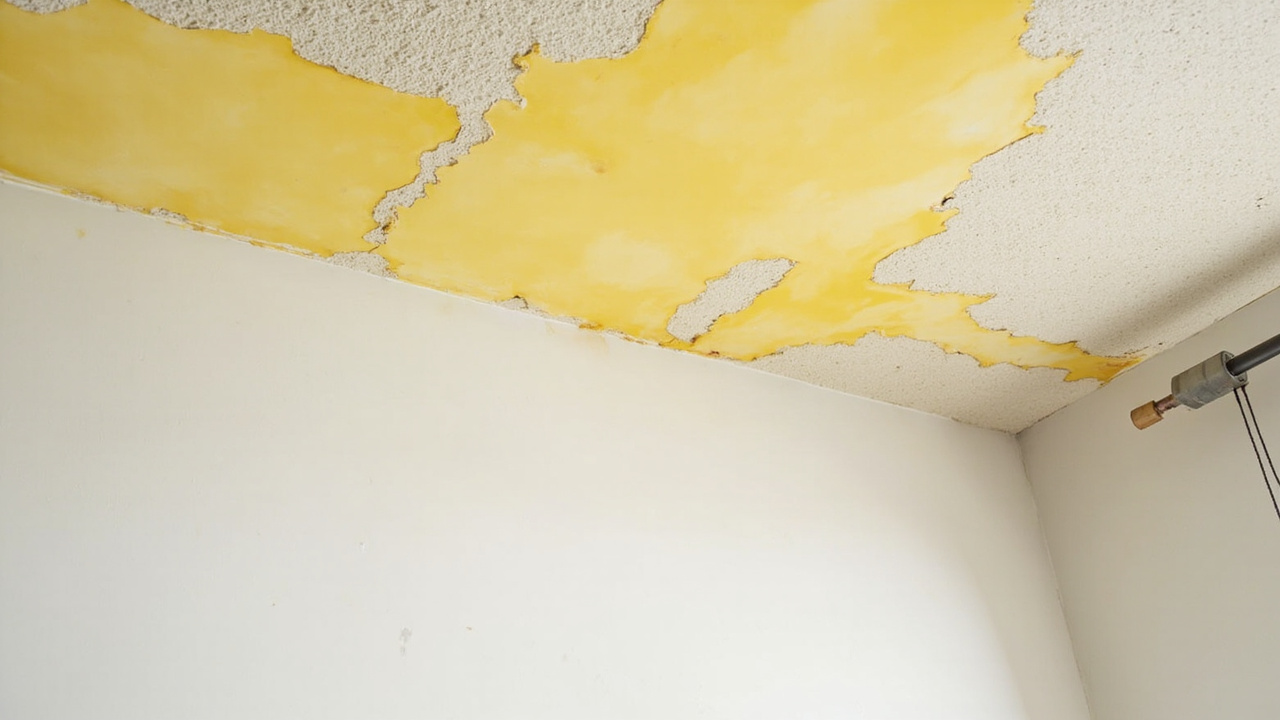
AC Condensate Leak Water Damage Solutions for Cleveland Homeowners A yellow stain appearing on your second floor ceiling often signals…

Can Water Get Trapped Under the Tile in Your Woodmere Kitchen

Water trapped under kitchen tile is a hidden threat for many Woodmere homeowners. You might see a beautiful porcelain or…

Contact Us

Do not wait until water is pooling in your basement to discover your sump pump failed. Call Atlas Water Damage Restoration Providence at (216) 547-1277 right now to schedule professional maintenance that prevents flooding. We respond quickly throughout Cleveland and provide the local expertise your home deserves.