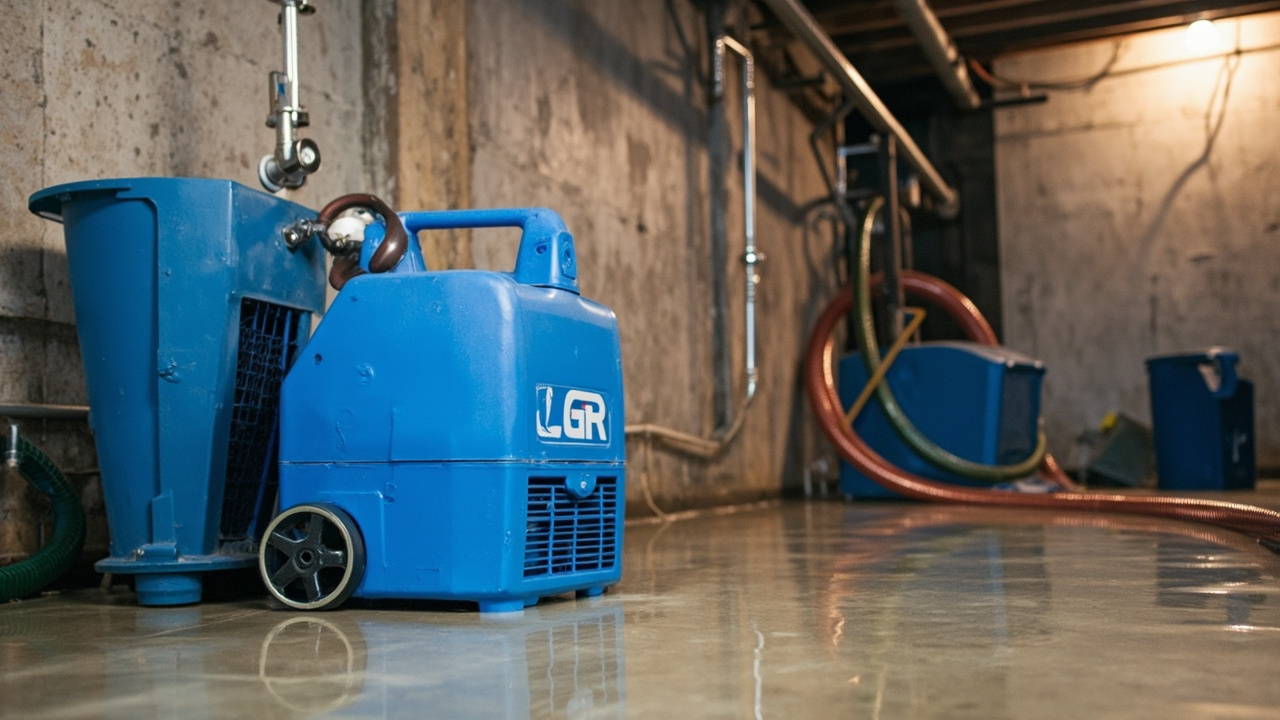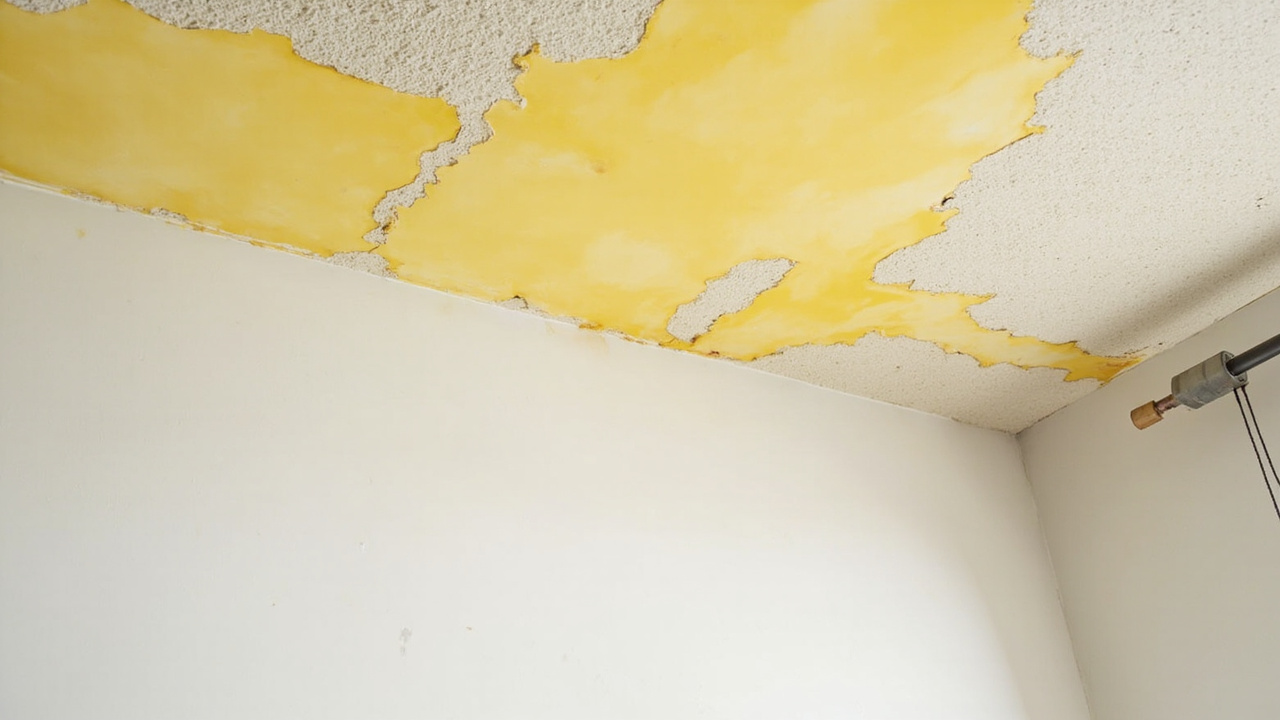





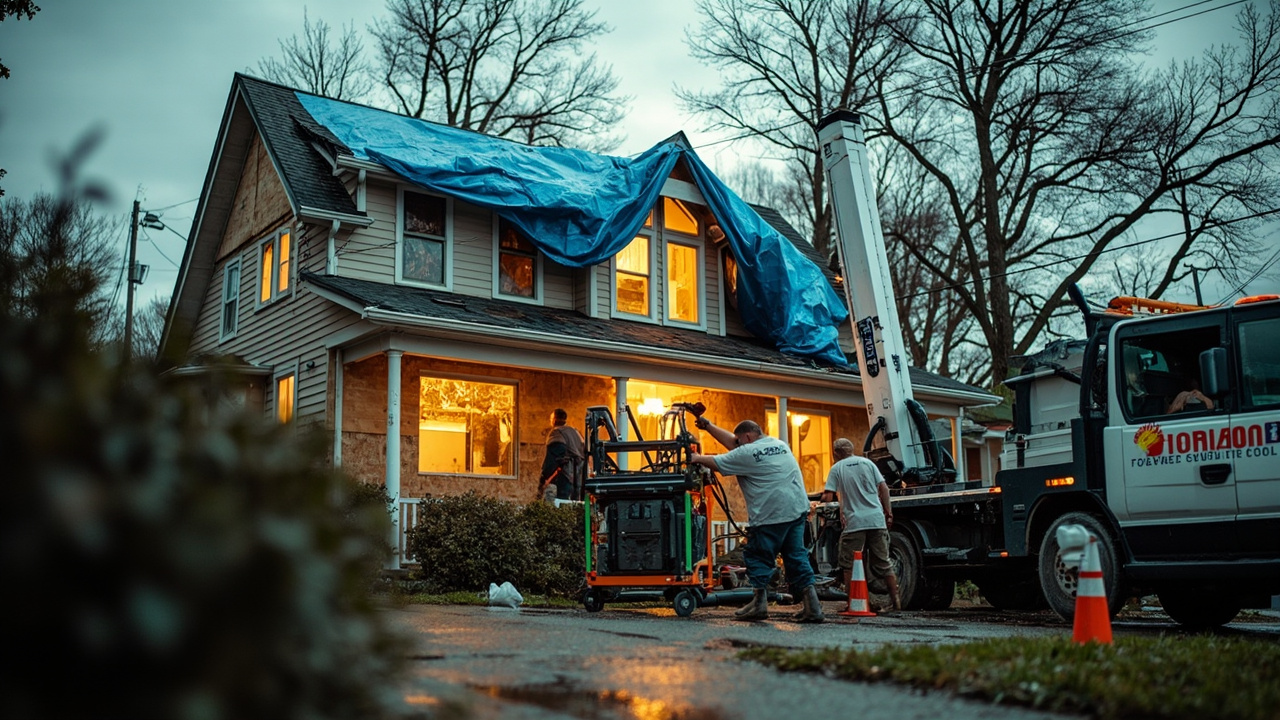
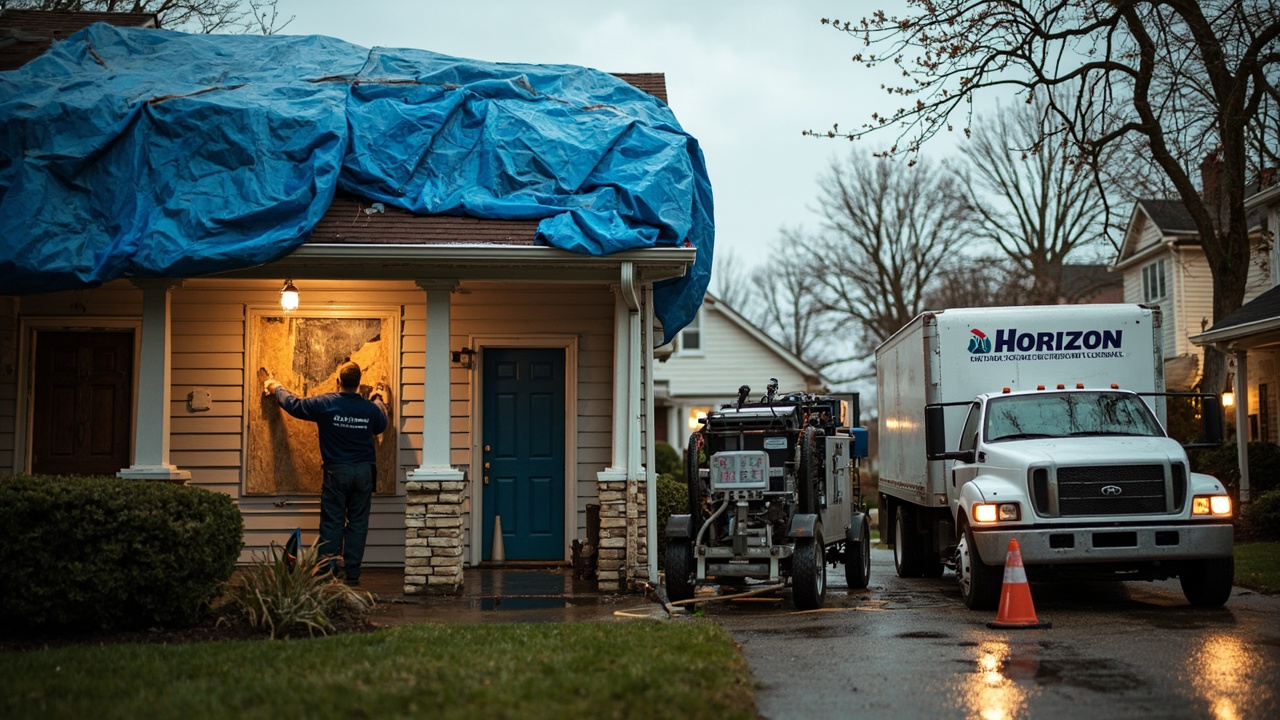
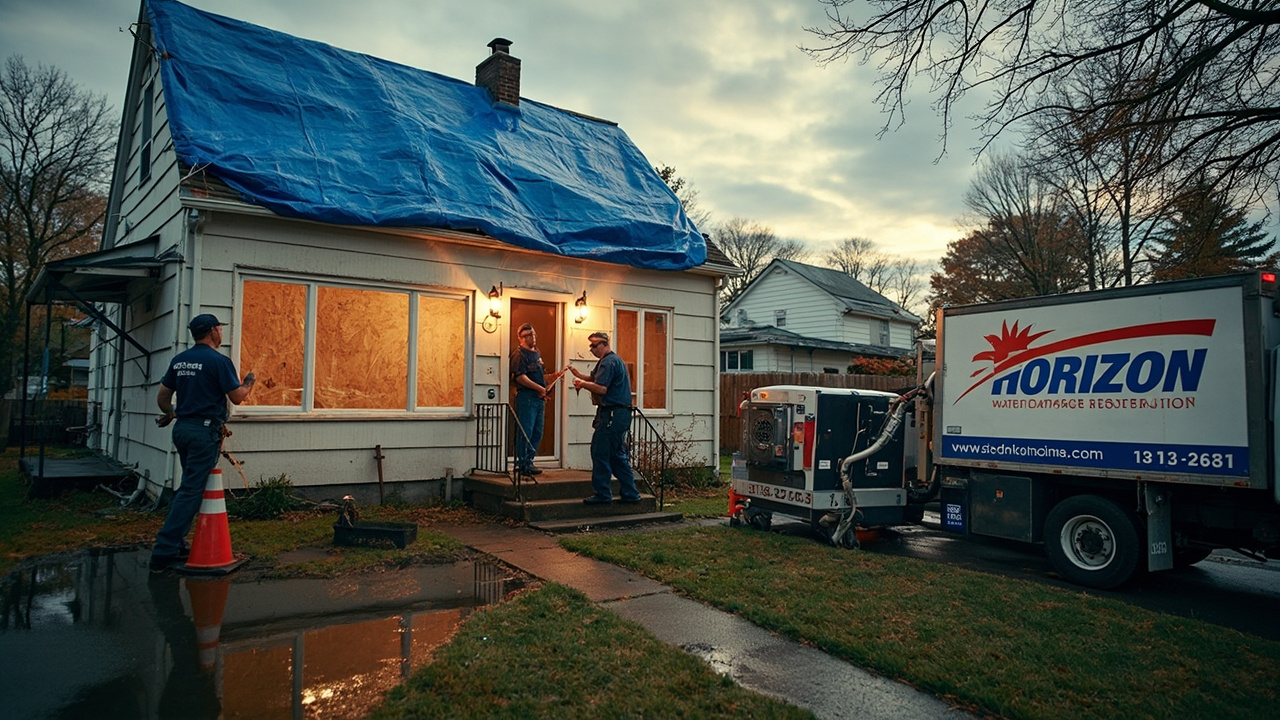
Cleveland's position on Lake Erie creates volatile weather transitions that accelerate property damage. Lake-effect systems dump heavy snow that melts rapidly during temperature swings, overwhelming gutters and creating ice dams. Summer thunderstorms produce wind-driven rain that penetrates building envelopes at horizontal angles, bypassing standard weatherproofing. The clay soil common throughout Cuyahoga County expands when saturated, creating hydrostatic pressure against foundation walls that forces water through cracks widened by freeze-thaw cycles. Storm damage mitigation in Cleveland requires equipment staging that accounts for these regional conditions, including high-capacity extraction for rapid snow melt and foundation-specific waterproofing for clay soil pressure.
Cleveland's building codes and historic district regulations affect storm damage restoration timelines, making rapid mitigation even more important. Properties in designated historic areas like Little Italy or Kamm's Corners require permits for exterior modifications, delaying permanent repairs. Effective storm damage cleanup during the mitigation phase preserves original materials and prevents demolition that would trigger lengthy approval processes. Local mitigation teams understand which temporary repairs satisfy city inspectors while protecting the property. This knowledge prevents insurance disputes over repair delays and ensures compliance with Cleveland's preservation ordinances during emergency storm damage services.