




menu

Flood Cleanup & Extraction in Cleveland – Fast Response to Stop Water Damage Before It Spreads

When floodwater invades your Cleveland property, every minute counts. Our emergency water extraction and flood damage restoration team arrives fast, removes standing water completely, and prevents mold and structural damage before it starts.

Slider Image 1
Slider Image 2
Slider Image 3
Slider Image 4
Slider Image 5
Slider Image 7
Slider Image 8
Slider Image 9
Slider Image 10
Slider Image 11

Why Cleveland Properties Need Immediate Flood Cleanup

Cleveland sits where Lake Erie's moisture collides with fluctuating weather patterns. Heavy spring rains, rapid snowmelt, and summer thunderstorms overwhelm aging storm drains in neighborhoods from Tremont to Ohio City. When floodwater breaches your foundation or pours through basement windows, you face more than just standing water.

Cleveland's older housing stock, built on fill dirt and near creeks like Doan Brook and the Rocky River, absorbs moisture fast. Floodwater carries sewage, chemicals, and debris. It seeps into floor joists, saturates drywall, and creates conditions for mold growth within 24 hours. Basements in Cleveland Flats and near Edgewater flood repeatedly because groundwater tables rise quickly after storms.

Emergency water extraction is not about mopping up puddles. It requires industrial pumps, moisture detection tools, and immediate action to prevent secondary damage. Flood damage restoration means removing contaminated materials, drying structural cavities, and sanitizing surfaces to eliminate health risks.

You cannot wait for water to recede on its own. By the time you see stains on your ceiling or smell mildew in your crawl space, the damage has spread behind walls. Water mitigation services stop the clock on deterioration. Professional water removal services extract thousands of gallons, dry hidden moisture pockets, and document everything for your insurance claim.

Cleveland homeowners who delay flood cleanup face collapsed ceilings, buckled hardwood floors, and mold remediation bills that triple initial costs. Water damage cleanup is not a weekend project. It requires expertise, equipment, and speed to protect your investment.

Why Cleveland Properties Need Immediate Flood Cleanup
How Professional Flood Cleanup Works

How Professional Flood Cleanup Works

Water mitigation services begin the moment you call. Our team arrives with truck-mounted extractors, submersible pumps, and thermal imaging cameras to map moisture spread. We do not guess. We measure.

First, we stop the source if possible. If a sump pump failed or a sewer backed up, we address it. Then we extract standing water using high-capacity pumps that remove thousands of gallons per hour. Surface water is just the start. Carpet pads, insulation, and subflooring hold water like sponges. We pull saturated materials immediately to prevent wicking and microbial growth.

Next comes structural drying. We deploy air movers and commercial dehumidifiers to create controlled airflow through walls, floors, and ceilings. Moisture meters track progress in real time. We monitor daily until readings hit safe levels, typically below 15% moisture content in wood framing.

Flood damage restoration includes antimicrobial treatment. Floodwater is contaminated water. It carries bacteria, pathogens, and chemicals. We apply EPA-registered disinfectants to all affected surfaces. We remove porous materials that cannot be sanitized, including drywall, insulation, and baseboards.

We document everything. Photos, moisture logs, and equipment placement reports go directly to your insurance adjuster. Most carriers require proof of immediate mitigation to avoid claim denials for preventable secondary damage.

Atlas Water Damage Restoration Providence uses infrared cameras to find hidden moisture in wall cavities and beneath flooring. We inject drying equipment into closed spaces and track humidity levels in each room. Emergency water extraction is not about speed alone. It is about thoroughness. Miss one wet pocket, and mold colonies appear within days.

What Happens During Emergency Flood Extraction

Flood Cleanup & Extraction in Cleveland – Fast Response to Stop Water Damage Before It Spreads
01

Immediate Water Removal

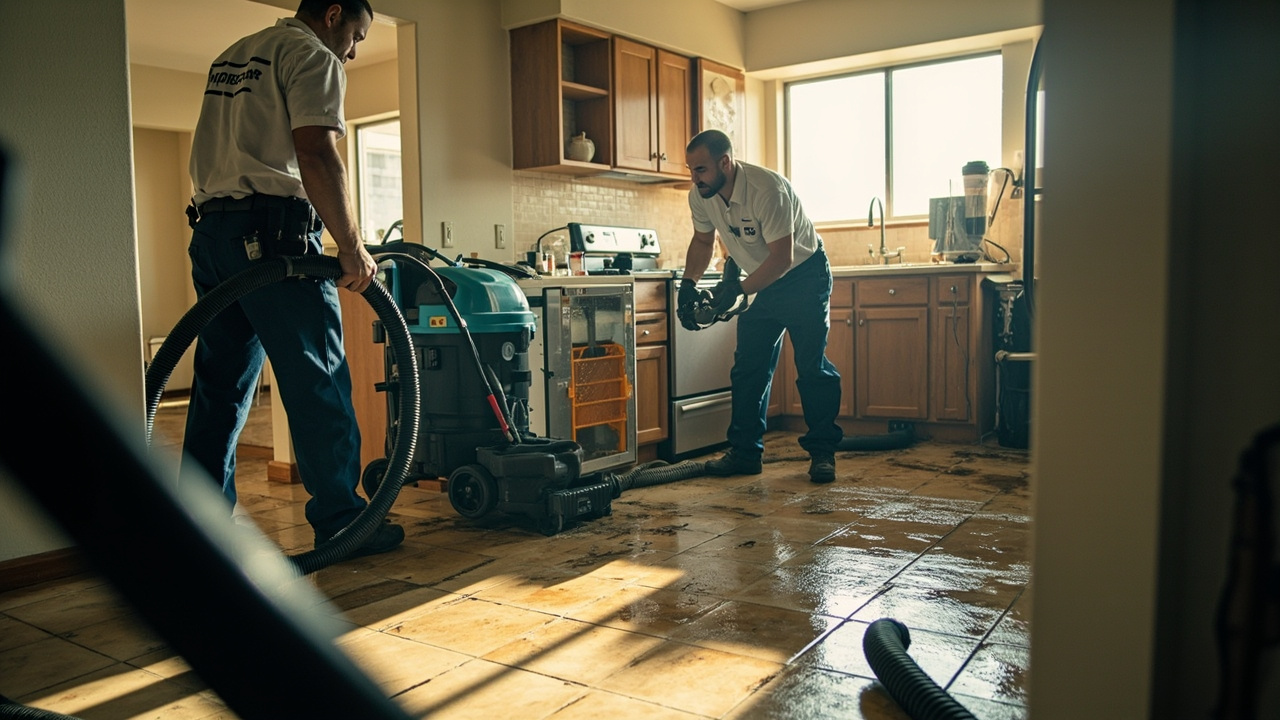
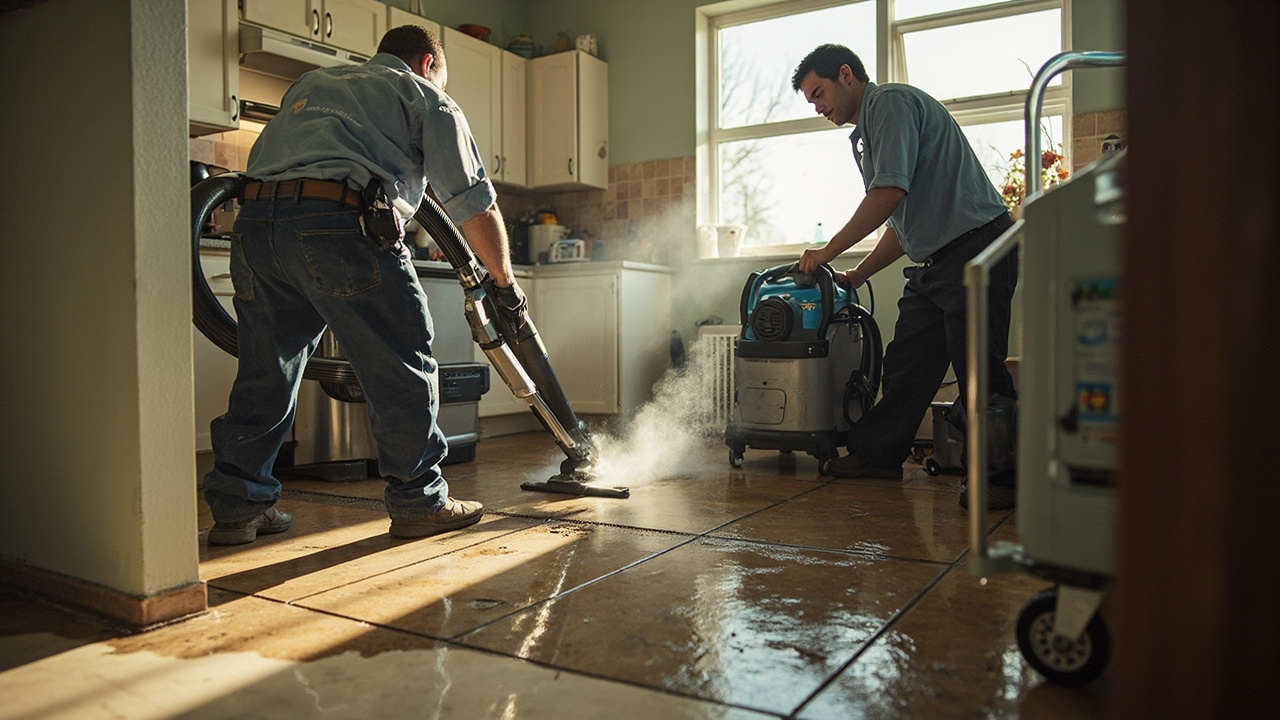
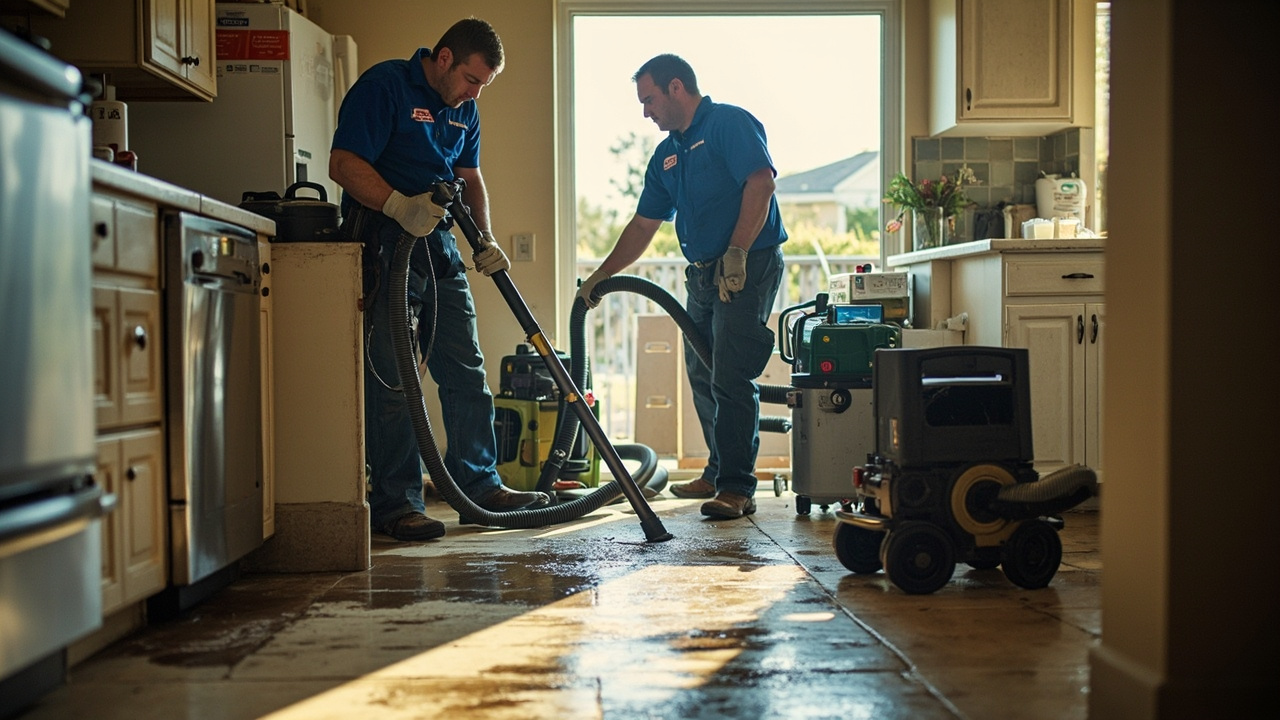
We arrive with truck-mounted extractors and submersible pumps to remove standing water from your property. High-capacity equipment clears thousands of gallons per hour, preventing further saturation of structural materials. We extract water from basements, crawl spaces, and living areas, prioritizing areas with the highest water volume to stop spreading damage.
02

Moisture Detection and Containment

Thermal imaging cameras and moisture meters locate hidden water in wall cavities, subflooring, and insulation. We map the full extent of saturation to ensure nothing is missed. Air movers and dehumidifiers are positioned to create controlled drying zones. Containment barriers prevent moisture migration to unaffected rooms, protecting your property from secondary damage during the drying process.
03

Sanitization and Restoration

After complete drying, we apply antimicrobial treatments to all exposed surfaces to eliminate bacteria and pathogens from floodwater contamination. Unsalvageable materials like soaked drywall and insulation are removed and disposed of properly. We rebuild affected areas to pre-loss condition, coordinating with your insurance adjuster to ensure full documentation and coverage. Your property is returned safe, dry, and restored.

Why Cleveland Property Owners Choose Local Flood Restoration Experts

Cleveland's flood risks are specific. Properties near the Cuyahoga River floodplain, homes in low-lying areas like Slavic Village, and older structures with combined sewer systems face repeated water intrusion. Out-of-town restoration companies do not understand these patterns. They treat every flood the same.

We know how Lake Erie weather affects your property. We understand how freeze-thaw cycles crack foundations, how outdated French drains fail during heavy rain, and how basement floors in pre-1950s homes lack vapor barriers. This knowledge shapes our approach. We do not just dry your property. We identify why it flooded and recommend permanent solutions.

Local building codes in Cleveland require specific procedures for flood-damaged structures. We follow Cuyahoga County health department guidelines for sewage contamination. We coordinate with city inspectors when structural repairs are needed. We work with adjusters from insurance carriers common in Northeast Ohio, so claims move faster.

Response time matters in water damage. We dispatch teams from Cleveland, not Columbus or Toledo. When floodwater is rising in your basement at 2 a.m., we arrive in under an hour, not three. Equipment stays on-site until moisture readings confirm complete drying, which can take five to seven days depending on saturation levels.

Atlas Water Damage Restoration Providence has restored Cleveland properties through every flood season since we opened. We have dried out century homes in Kamm's Corners, extracted water from commercial buildings in the Warehouse District, and salvaged hardwood floors in Shaker Heights. We know which materials can be saved and which must be removed. We do not guess. We measure, document, and prove results to your insurance company.

Trust is local. References come from your neighbors, not strangers three states away.

What to Expect From Professional Flood Cleanup Services

Rapid Emergency Response

Floodwater does not wait for business hours. We answer calls 24 hours a day, every day of the year. Our team mobilizes within 60 minutes of your call, arriving with industrial extraction equipment and moisture detection tools. Speed determines how much of your property we can save. Immediate water removal prevents flooring from buckling, walls from swelling, and mold from taking hold. We work through the night if needed to stop damage progression. You get a dedicated project manager who stays in contact from the first call through final walkthrough.

Thorough Damage Assessment

Before we begin extraction, we document everything. Photos, video, and detailed moisture readings create a record for your insurance claim. We use thermal imaging to find water you cannot see behind walls, under cabinets, and in ceiling cavities. We test for contamination levels to determine if the flood involved sewage or chemicals. You receive a written scope of work explaining what will be dried, what must be removed, and why. No surprises. No hidden damage discovered later. We communicate findings directly to your insurance adjuster with supporting documentation.

Complete Structural Drying

Drying is not about running fans for a few days. We create controlled drying environments using air movers, dehumidifiers, and heat when necessary. Moisture meters track progress in floor joists, wall studs, and concrete slabs. We do not pull equipment until readings confirm materials have returned to normal moisture levels. Most flood cleanup projects require five to seven days of continuous drying. We monitor daily and adjust equipment placement based on results. You get a final moisture report proving your property is completely dry and safe for reconstruction.

Post-Restoration Follow-Up

After restoration is complete, we schedule a final inspection to verify all work meets standards. We provide maintenance recommendations to prevent future flooding, including drainage improvements, sump pump upgrades, and waterproofing options. You receive all documentation needed for your records and insurance files. We offer follow-up moisture checks at no charge if you have concerns about recurring dampness. Our goal is not just to fix the current flood damage, but to help you prevent the next one. References and detailed invoices are provided for your peace of mind.

Frequently Asked Questions

You Have Questions,
We Have Answers

How much does flood removal cost? +

Flood removal costs vary based on water depth, affected square footage, and contamination level. Minor basement flooding with clean water might run lower, while Category 3 sewage contamination costs significantly more due to biohazard protocols. Cleveland homes with finished basements or older foundations face higher restoration expenses. Extraction, drying, antimicrobial treatment, and structural repairs all factor into your total. Most companies provide free inspections and work directly with your insurance adjuster to clarify coverage. Get multiple estimates and ask about hidden costs like mold remediation or HVAC duct cleaning before committing.

How much does it cost to get water pumped out of a basement? +

Basement water extraction pricing depends on volume, access difficulty, and water type. A few inches of clean water in an unfinished Cleveland basement costs less than extracting several feet of contaminated water. Equipment needs vary. Simple submersible pumps handle light jobs, while truck-mounted extractors and industrial dehumidifiers tackle major flooding. Many Cleveland restoration companies include extraction in comprehensive flood cleanup packages rather than charging separately. Emergency calls during storms or holidays may carry premium rates. Contact local providers for accurate quotes based on your specific situation and water source.

Does homeowners insurance cover water removal? +

Standard homeowners insurance typically covers sudden, accidental water damage like burst pipes or appliance failures. However, coverage excludes gradual damage from neglected maintenance or flooding from external sources like Lake Erie storm surges or overflowing rivers. Cleveland homeowners need separate flood insurance through FEMA for natural flood events. Your policy may cover extraction and drying if the water source qualifies. Review your declarations page and call your agent immediately after discovering damage. Document everything with photos before cleanup begins to support your claim.

Does flood insurance pay for clean up? +

Flood insurance through the National Flood Insurance Program covers cleanup costs for flooding caused by external water sources like Cleveland's frequent spring storms, Cuyahoga River overflow, or Lake Erie surges. This includes extraction, debris removal, and structural drying. Standard policies cover building structure and contents separately. NFIP policies have a 30-day waiting period, so purchase before storm season hits. Private flood insurance may offer faster payouts and higher limits. File claims promptly and keep detailed records of all damage and cleanup expenses to maximize your reimbursement.

Will insurance pay for a flooded basement? +

Coverage depends on the water source and your policy type. Standard homeowners insurance covers basement flooding from internal failures like sump pump breakdowns, water heater ruptures, or supply line breaks. Cleveland's clay soil and aging infrastructure make these common. However, insurance excludes flooding from external sources like heavy rainfall overwhelming window wells or sewer backups. You need separate sewer backup endorsements or flood insurance for those scenarios. Many Cleveland basements flood during spring thaws when frozen ground prevents drainage. Review your policy and add necessary endorsements before problems arise.

How much does it cost to lift a house in a flood zone? +

House lifting in flood zones requires structural engineering, hydraulic jacks, new foundation work, and utility disconnection. Projects range significantly based on home size, construction type, and elevation height needed. Cleveland's soil conditions and older home construction add complexity. Brick homes cost more than wood frame structures. This prevents future flooding but represents a major investment. FEMA offers mitigation grants in some flood-prone Cleveland neighborhoods. Most homeowners pursue elevation only after repeated flooding losses. Waterproofing and drainage improvements provide more affordable alternatives for many Cleveland properties.

How much does it cost to waterproof a 1500 sq ft basement? +

Basement waterproofing costs depend on your chosen method and Cleveland's specific soil and water table challenges. Exterior excavation and membrane installation costs more than interior drainage systems. A 1500 square foot basement might need interior French drains, sump pump upgrades, and vapor barriers at minimum. Cleveland's clay soil and Lake Erie proximity create hydrostatic pressure requiring robust solutions. Cracked foundation walls need repair before waterproofing. Get multiple quotes from Cleveland contractors familiar with local soil conditions. Quality waterproofing prevents future flood damage and protects your investment long-term.

How long does it take to clean up a flooded basement? +

Cleanup time varies with water depth, contamination level, and structural complexity. Minor Cleveland basement flooding with quick response might clear in 2-3 days. Major floods require 5-7 days or longer for complete drying and sanitizing. Finished basements take longer than bare concrete. High humidity from Lake Erie slows drying, requiring commercial dehumidifiers running continuously. Sewage contamination adds time for proper disinfection protocols. Delays happen when insurance adjusters need documentation before work proceeds. Starting immediately prevents mold growth, which begins within 24-48 hours in Cleveland's humid climate.

Will insurance cover a leaky basement? +

Insurance rarely covers chronic basement leaks from poor maintenance, foundation cracks, or inadequate waterproofing. Gradual seepage through Cleveland's older foundations qualifies as maintenance issues, not covered events. However, sudden failures like foundation wall collapse or supply line breaks typically qualify for coverage. The key distinction is sudden versus gradual. If you ignored warning signs like efflorescence or minor seepage, insurers deny claims. Document new leaks immediately and contact your agent before water causes extensive damage. Many Cleveland homes need proactive waterproofing rather than relying on insurance.

Is it worth going through insurance for water damage? +

Filing insurance claims makes sense for major flood damage exceeding your deductible by significant margins. Small claims under $5,000 may not justify potential rate increases or policy non-renewal. Cleveland's competitive insurance market means carriers scrutinize claims history. Consider your deductible amount, total damage cost, and whether the loss qualifies under your policy terms. Insurance helps with catastrophic flooding requiring structural repairs, but paying out of pocket for minor extraction preserves your claims history. Get professional damage assessments before deciding. Many restoration companies help evaluate whether insurance involvement benefits your situation.

How Cleveland's Combined Sewer System Increases Flood Contamination Risk

Cleveland's older neighborhoods use combined sewer systems that carry both stormwater and sewage in the same pipes. During heavy rain, these systems overflow, pushing raw sewage into basements through floor drains and toilets. This makes flood cleanup far more dangerous than simple rainwater intrusion. Contaminated floodwater requires Category 3 water damage protocols, meaning all porous materials must be removed and all surfaces sanitized with hospital-grade disinfectants. Homes in areas like Collinwood, Detroit-Shoreway, and parts of Lakewood face this risk every storm season. Professional water mitigation services are not optional when sewage is involved. DIY cleanup exposes you to E. coli, hepatitis, and other pathogens.

Cleveland building codes and Cuyahoga County health regulations require specific procedures for flood-damaged properties, especially when sewage contamination is present. Licensed restoration companies must follow IICRC S500 standards and document compliance for insurance and resale purposes. Atlas Water Damage Restoration Providence works directly with local adjusters and city inspectors to ensure your property meets all code requirements after flood damage. We understand Northeast Ohio insurance carriers and how to document claims for maximum coverage. Choosing a local restoration team means faster approvals, fewer disputes, and complete knowledge of regional requirements that out-of-state companies miss.
Water Damage Restoration Services in The Cleveland Area

Horizon Water Damage Restoration Cleveland proudly serves the entire Cleveland area and its surrounding communities. Our team is strategically located to ensure a rapid response to your water damage emergency. We are committed to being there for you when you need us most. Please view the map to see our service area and feel free to reach out to us with any questions or for immediate assistance.

Address:
Horizon Water Damage Restoration Cleveland, 3224 Prospect Ave E, Cleveland, OH, 44115

Additional Services We Offer

Our news updates

Latest Articles & News from The Blogs

South Euclid basements face a relentless battle against groundwater due to the heavy clay soil common across the Cleveland metro…

Why South Euclid homeowners need more than a standard dehumidifier for wet basements

South Euclid basements face a relentless battle against groundwater due to the heavy clay soil common across the Cleveland metro…

Why your air conditioner is leaking through the ceiling in Broadview Heights

AC Condensate Leak Water Damage Solutions for Cleveland Homeowners A yellow stain appearing on your second floor ceiling often signals…

Can Water Get Trapped Under the Tile in Your Woodmere Kitchen

Water trapped under kitchen tile is a hidden threat for many Woodmere homeowners. You might see a beautiful porcelain or…

Contact Us

Floodwater is spreading through your property right now. Every hour increases damage and cost. Call (216) 547-1277 for immediate emergency water extraction in Cleveland. Our team is ready 24/7 to stop the damage and start restoration.