




menu

Preventative Waterproofing Tips in Cleveland – Stop Water Damage Before It Starts

Protect your Cleveland home from basement flooding, foundation cracks, and mold growth with proven DIY waterproofing techniques and maintenance strategies designed for Northeast Ohio's freeze-thaw cycles and heavy precipitation patterns.

Slider Image 1
Slider Image 2
Slider Image 3
Slider Image 4
Slider Image 5
Slider Image 7
Slider Image 8
Slider Image 9
Slider Image 10
Slider Image 11

Why Cleveland Homes Need Proactive Moisture Control

Cleveland's climate puts your home under constant assault. The city averages 39 inches of precipitation annually, combined with freeze-thaw cycles that crack foundation walls and create entry points for water. When temperatures swing from 15 degrees in January to 83 degrees in July, your foundation expands and contracts. Those micro-cracks become highways for groundwater.

The glacial clay soil beneath most Cleveland neighborhoods compounds the problem. Clay holds water like a sponge, creating hydrostatic pressure against basement walls. When spring thaw arrives or summer storms dump two inches of rain in an hour, that pressure spikes. Water finds the path of least resistance through mortar joints, floor-wall seams, and window wells.

Many homeowners wait until they see water pooling in the basement or smell mildew in the crawl space. By then, the damage is done. Drywall is saturated, wooden floor joists are swelling, and mold colonies are spreading behind walls.

A home waterproofing maintenance guide focuses on prevention, not reaction. DIY waterproofing techniques catch problems early when repairs are measured in dollars, not thousands. The best water damage prevention checklist addresses the exterior envelope first because stopping water outside your foundation is always cheaper than removing it from your basement.

You control three variables: surface water management, foundation integrity, and interior moisture levels. Master these through proactive water sealing methods, and you eliminate most residential water intrusion before it begins. Cleveland's weather will not change, but your response to it can.

Why Cleveland Homes Need Proactive Moisture Control
The Science Behind Effective Moisture Barriers

The Science Behind Effective Moisture Barriers

Water moves through pressure differentials and capillary action. Hydrostatic pressure builds when saturated soil pushes against foundation walls. Capillary action draws moisture through porous concrete like a wick. Your waterproofing strategy must address both forces.

Start with grade management. Your soil should slope away from the foundation at a minimum six-inch drop over ten feet. Walk your property after heavy rain and watch where water flows. Low spots next to the foundation are failure points waiting to happen. Fill them with clay-rich soil, compact it, and re-seed.

Gutters and downspouts are your first line of defense. A single inch of rain on a 1,500 square foot roof generates 935 gallons of runoff. If that water dumps next to your foundation, it saturates the soil and increases hydrostatic pressure. Extend downspouts at least six feet from the house using rigid extensions, not flexible accordion tubes that collapse or disconnect.

Foundation sealants work only when applied to clean, dry surfaces. Hydraulic cement fills active cracks but does not stop water under pressure. For that, you need elastomeric coatings that flex with seasonal movement. Apply them to exterior walls during excavation or to interior walls as a secondary barrier.

Window wells need covers and gravel drainage. Without covers, they fill with leaves and snow, creating a bathtub effect against basement windows. The gravel bed should connect to your footing drain to channel water away.

Interior moisture control best practices include dehumidifiers rated for your square footage and vapor barriers in crawl spaces. Relative humidity above 60 percent creates ideal conditions for mold growth. Keep it between 30 and 50 percent year-round.

Building Your Annual Waterproofing Maintenance Routine

Preventative Waterproofing Tips in Cleveland – Stop Water Damage Before It Starts
01

Spring Exterior Inspection

After winter freeze-thaw cycles, walk your foundation perimeter looking for new cracks wider than one-eighth inch. Check grade slopes with a level, especially near downspout discharge points. Clean gutters of winter debris and test downspout flow with a garden hose. Inspect window wells for standing water and verify covers are secure. Document problem areas with photos and measurements.
02

Summer Sealing Projects

Warm, dry weather is ideal for applying foundation sealants and repairing mortar joints. Use hydraulic cement for static cracks and polyurethane sealants for active cracks that show seasonal movement. Re-point deteriorated mortar with Type N mortar mix. Apply elastomeric coatings to foundation walls in two coats, allowing proper cure time between applications. This work requires temperatures above 50 degrees and low humidity.
03

Fall Drainage Preparation

Before winter precipitation arrives, verify all drainage systems are clear and functional. Flush gutters and downspouts completely. Test sump pumps by pouring water into the pit until the float activates. Check that discharge lines are connected and draining away from the foundation. Install gutter guards if leaf accumulation is chronic. Trim vegetation away from the foundation to improve air circulation and reduce moisture retention.

Why Local Expertise Matters for Cleveland Waterproofing

Cleveland's housing stock presents unique challenges. Homes built before 1950 often lack proper footing drains or have clay tile drains that have collapsed over decades. The historic neighborhoods near Edgewater and Ohio City feature stone foundations with lime mortar that degrades faster than modern Portland cement. Brick homes in Tremont and Detroit-Shoreway require different waterproofing approaches than the vinyl-sided ranch homes in Parma or Lakewood.

Lake Erie's proximity affects humidity levels across the metro area. Homes within five miles of the shoreline experience higher ambient moisture, requiring more aggressive dehumidification strategies. The Cuyahoga River floodplain includes neighborhoods where high water tables make exterior waterproofing less effective than interior drainage systems.

Horizon Water Damage Restoration Cleveland understands these variables because we work in these neighborhoods daily. We know which foundation types are common in which areas. We understand how Cleveland's building codes evolved and what that means for homes of different ages. When a DIY approach reaches its limits, professional assessment identifies whether you need exterior excavation, interior drain tile installation, or a combination approach.

Local knowledge also means understanding seasonal timing. Spring thaw creates the highest volume of water intrusion calls. Summer storms with high-intensity rainfall overwhelm inadequate drainage systems. Fall preparation prevents winter freeze damage. Each season demands different preventative focus.

The difference between a band-aid fix and a permanent solution often comes down to correct diagnosis. A damp basement might stem from condensation, not water intrusion. Efflorescence on foundation walls indicates moisture wicking through concrete, requiring vapor barriers rather than sealants. Professional assessment saves money by addressing root causes instead of symptoms.

What Your Waterproofing Maintenance Plan Should Include

Quarterly Inspection Schedule

Effective moisture control requires regular monitoring, not annual checks. Inspect your basement and crawl space every three months, looking for new water stains, efflorescence, or musty odors. Check humidity levels with a hygrometer. Spring inspections catch freeze-thaw damage early. Summer checks verify your systems handle heavy rainfall. Fall inspections prepare for winter. Winter monitoring catches ice dam issues and heating system condensation problems. Most water damage starts small and compounds over months. Early detection prevents expensive repairs.

Prioritized Repair Approach

Not all waterproofing issues demand immediate attention, but you need a system to prioritize them. Active leaks during rain events require urgent sealing. Hairline cracks can wait for ideal weather conditions. High humidity levels need dehumidifier installation before mold develops. Grade problems should be corrected before spring thaw. Create a spreadsheet tracking issue location, severity, and completion status. This prevents minor problems from becoming major failures through neglect. Budget for annual maintenance costs rather than waiting for crisis spending.

Documentation and Monitoring

Photograph problem areas at each inspection using consistent angles and lighting. Mark crack locations and widths directly on photos using editing apps. Track humidity readings in a notebook with dates and weather conditions. This documentation reveals patterns. A crack that widens each spring indicates structural movement requiring professional evaluation. Humidity that spikes after rain confirms drainage problems. Records also prove you maintained your property if insurance claims arise. Most homeowners rely on memory and miss gradual changes that signal developing issues.

Professional Assessment Timing

DIY maintenance handles routine care, but professional evaluation should occur every three to five years even without obvious problems. Water damage professionals use moisture meters, thermal imaging, and pressure testing that reveal issues invisible to homeowners. We identify failed sealants, deteriorating drain tile, and early-stage mold growth before they cause expensive damage. Professional assessment also verifies your DIY efforts are working. If humidity remains high despite dehumidifier use, your ventilation strategy may need adjustment. Schedule assessments during dry periods when problems are not masked by active leaks.

Frequently Asked Questions

You Have Questions,
We Have Answers

What to do before applying waterproofing? +

Clean the surface completely before applying waterproofing. Remove dirt, efflorescence, old paint, and loose concrete using a wire brush or pressure washer. In Cleveland, check for freeze-thaw damage along foundation walls, especially after harsh winters. Repair all cracks wider than hairline using hydraulic cement or epoxy injection. Ensure the surface is dry, as moisture trapped under waterproofing will cause failure. Test moisture levels with a plastic sheet taped to the wall for 24 hours. If condensation appears, postpone application. Address active leaks first. Proper prep determines whether your waterproofing lasts five years or twenty.

What are common waterproofing mistakes? +

Skipping surface prep is the biggest mistake. Applying waterproofing over dirty, damp, or cracked surfaces guarantees failure. Many Cleveland homeowners coat only visible areas and ignore foundation footings where water actually enters. Using interior sealants alone without addressing exterior drainage creates hydrostatic pressure that pushes moisture through. Mixing incompatible products, like oil-based coatings over latex primers, causes peeling. Applying too thin a coat or skipping recommended cure time between layers reduces effectiveness. Ignoring grading issues around the foundation means water still pools against walls. Waterproofing treats symptoms, not causes. Fix drainage first.

Should you prime before waterproofing? +

Yes, priming porous surfaces improves adhesion and penetration. Concrete, masonry, and cinder block foundations in Cleveland absorb moisture unevenly without primer, causing waterproofing membranes to fail. Primer fills surface voids and creates a uniform base. Use a primer compatible with your topcoat. For example, acrylic waterproofing requires acrylic primer. Oil-based systems need solvent-based primers. New concrete needs 28 days to cure before priming. Efflorescence-prone surfaces need specialized primers that block salt migration. Skip primer on non-porous surfaces like sealed concrete. Read manufacturer specs. Primer costs little compared to reapplying failed waterproofing.

How much does it cost to waterproof a 1000 sq ft basement? +

Expect $3,000 to $8,000 for interior basement waterproofing in Cleveland, depending on method and conditions. Basic sealant application runs lower. Full interior drainage systems with sump pump installation cost more. Exterior excavation and membrane application ranges $8,000 to $15,000 due to labor intensity and soil conditions. Clay-heavy soils common around Cleveland complicate excavation. Costs increase with foundation depth, accessibility, and existing damage. Crack repair, drainage correction, and mold remediation add to totals. Get three quotes from licensed contractors. Cheapest option often fails fastest. Quality waterproofing protects your largest investment. Budget for durability, not just upfront price.

What is the 10/20/30/40 rule when making concrete? +

This rule refers to concrete curing and strength gain. Concrete reaches 10 percent strength in one day, 20 percent in two days, 30 percent in three days, and 40 percent in seven days. Full cure takes 28 days. In Cleveland's variable climate, protect fresh concrete from freeze-thaw cycles during curing. Temperatures below 40 degrees slow hydration. Above 90 degrees causes rapid moisture loss and cracking. Keep concrete moist for seven days minimum. Early waterproofing application on uncured concrete traps moisture and weakens the slab. Wait the full 28 days before applying waterproofing membranes to foundations or basement floors.

How many coats of waterproofing should I do? +

Apply two to three coats for effective waterproofing. The first coat seals pores and provides base adhesion. The second coat builds membrane thickness and covers pinholes. A third coat adds durability in high-moisture areas like below-grade foundations common throughout Cleveland. Follow manufacturer dry times between coats, typically four to six hours. Rushing recoats causes poor bonding. Cold Cleveland weather extends cure time. Apply each coat perpendicular to the previous one for complete coverage. Thickness matters more than coat count. Measure wet film thickness to ensure you meet minimum specs. Thin coats applied quickly fail faster than proper buildup.

What is the negative side of waterproofing? +

Negative side waterproofing, applied from inside the basement, fights constant hydrostatic pressure. Water pushes against the coating, forcing moisture through eventually. It addresses symptoms, not the source. Efflorescence and mineral deposits form between the wall and coating, causing peeling. Negative waterproofing works temporarily for minor seepage but fails under sustained pressure from Cleveland's high water table areas or poor exterior drainage. It offers no structural protection to the foundation itself. Moisture still saturates the concrete, accelerating freeze-thaw damage and rebar corrosion. Use negative waterproofing only when exterior access is impossible. Positive side waterproofing, applied outside, stops water before it enters.

What causes waterproofing to fail? +

Poor surface prep causes most waterproofing failures. Moisture, dirt, or loose material prevents adhesion. Applying waterproofing without fixing the drainage source means constant hydrostatic pressure overwhelms the membrane. Freeze-thaw cycles in Cleveland crack rigid coatings that lack flexibility. Using the wrong product for the substrate leads to chemical incompatibility and delamination. Thin application or skipped coats create gaps where water penetrates. Foundation settlement cracks the coating. Ignoring joint details at floor-wall transitions creates leak paths. Age and UV exposure degrade exterior membranes. Waterproofing is not permanent. Expect reapplication every 10 to 15 years.

What are the four steps to waterproofing? +

First, identify and repair all water sources. Fix grading, gutters, and downspouts so water drains away from the foundation. Second, repair cracks and damage in the concrete using hydraulic cement or epoxy. Third, clean and prepare the surface by removing contaminants and testing for dryness. Fourth, apply waterproofing membrane in multiple coats per manufacturer specs. In Cleveland, focus on exterior positive side waterproofing when possible. This sequence addresses root causes before symptoms. Skipping steps one and two means step four fails quickly. Add interior drainage as backup in high water table areas. Waterproofing works only when drainage works first.

What is the best time to do water waterproofing? +

Spring and summer provide ideal conditions for waterproofing in Cleveland. Temperatures between 50 and 85 degrees allow proper curing. Avoid application during rainy periods, as surfaces must be dry. Late summer through early fall works well before freeze-thaw cycles begin. Never apply waterproofing when temperatures drop below 40 degrees or rise above 90 degrees. Humidity affects cure time. Plan exterior work during dry weeks. Interior applications offer more weather flexibility but still require climate control. Address waterproofing before winter when freeze-thaw damage accelerates. Emergency repairs happen year-round but plan preventative waterproofing during optimal weather for best adhesion and longevity.

How Cleveland's Freeze-Thaw Cycles Demand Year-Round Waterproofing Vigilance

Cleveland experiences an average of 127 freeze-thaw cycles annually, among the highest rates in the United States. Water infiltrates foundation cracks during above-freezing periods, then expands nine percent when temperatures drop below 32 degrees. This expansion force exceeds the tensile strength of concrete, widening cracks with each cycle. By spring, a hairline crack from August becomes a quarter-inch gap that allows significant water intrusion. Proactive water sealing methods must address this cycle by filling cracks before winter and monitoring expansion through seasonal inspections. The clay soil common throughout Cuyahoga County compounds the problem by retaining moisture against foundation walls even during freezing periods.

Cleveland's building codes have evolved significantly since the 1950s when most homes lacked proper foundation waterproofing. Older homes in neighborhoods like Kamm's Corners and West Park often have no exterior dampproofing or perimeter drainage systems. Modern codes require these features, but existing homes need retrofitting to meet current moisture control best practices. Local water damage restoration professionals understand which solutions work for Cleveland's specific housing types and soil conditions. We know that interior drain tile systems often outperform exterior excavation in areas with high water tables near the lake. This local knowledge prevents wasted spending on solutions that fail in our unique environment.
Water Damage Restoration Services in The Cleveland Area

Horizon Water Damage Restoration Cleveland proudly serves the entire Cleveland area and its surrounding communities. Our team is strategically located to ensure a rapid response to your water damage emergency. We are committed to being there for you when you need us most. Please view the map to see our service area and feel free to reach out to us with any questions or for immediate assistance.

Address:
Horizon Water Damage Restoration Cleveland, 3224 Prospect Ave E, Cleveland, OH, 44115

Additional Services We Offer

Our news updates

Latest Articles & News from The Blogs

South Euclid basements face a relentless battle against groundwater due to the heavy clay soil common across the Cleveland metro…

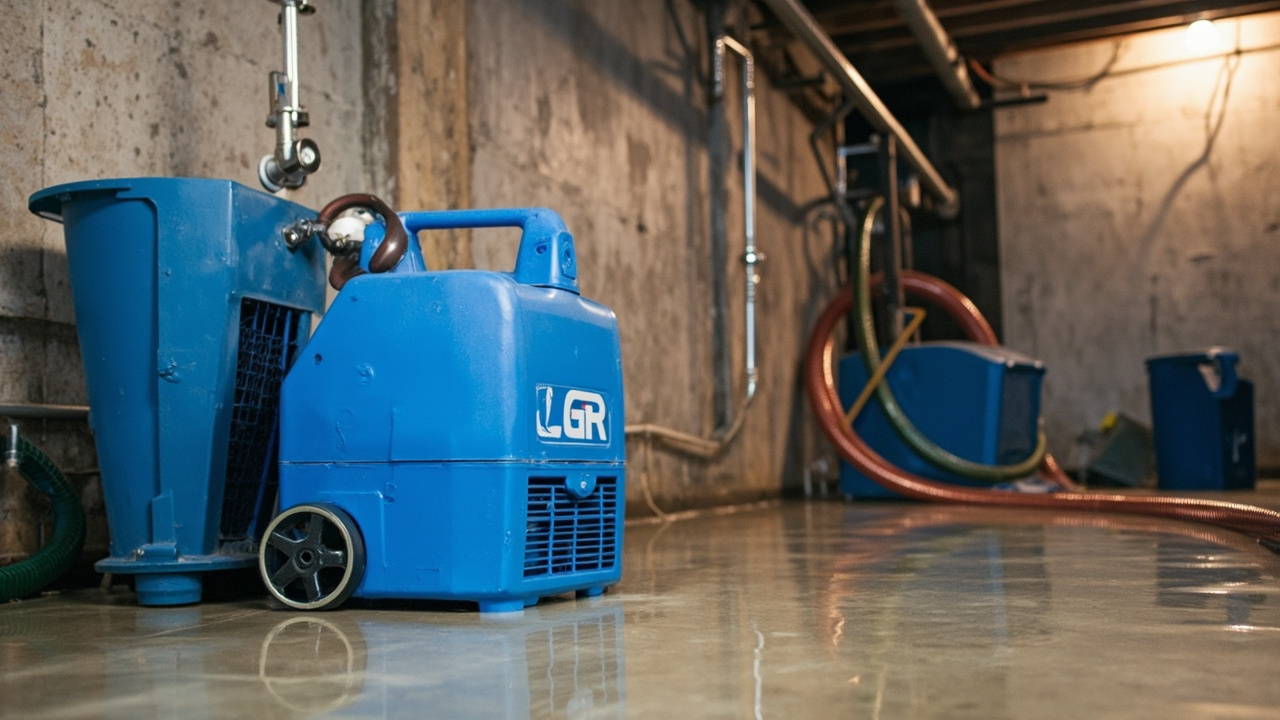
Why South Euclid homeowners need more than a standard dehumidifier for wet basements

South Euclid basements face a relentless battle against groundwater due to the heavy clay soil common across the Cleveland metro…

Why your air conditioner is leaking through the ceiling in Broadview Heights

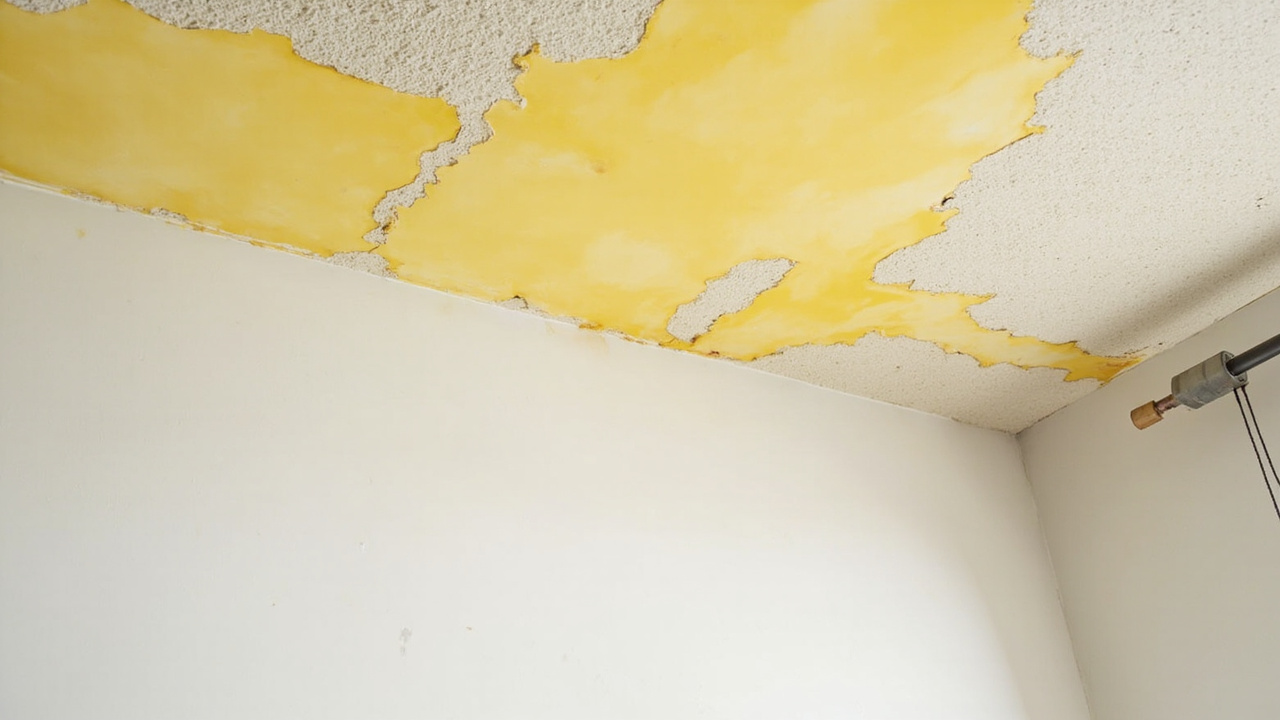
AC Condensate Leak Water Damage Solutions for Cleveland Homeowners A yellow stain appearing on your second floor ceiling often signals…

Can Water Get Trapped Under the Tile in Your Woodmere Kitchen

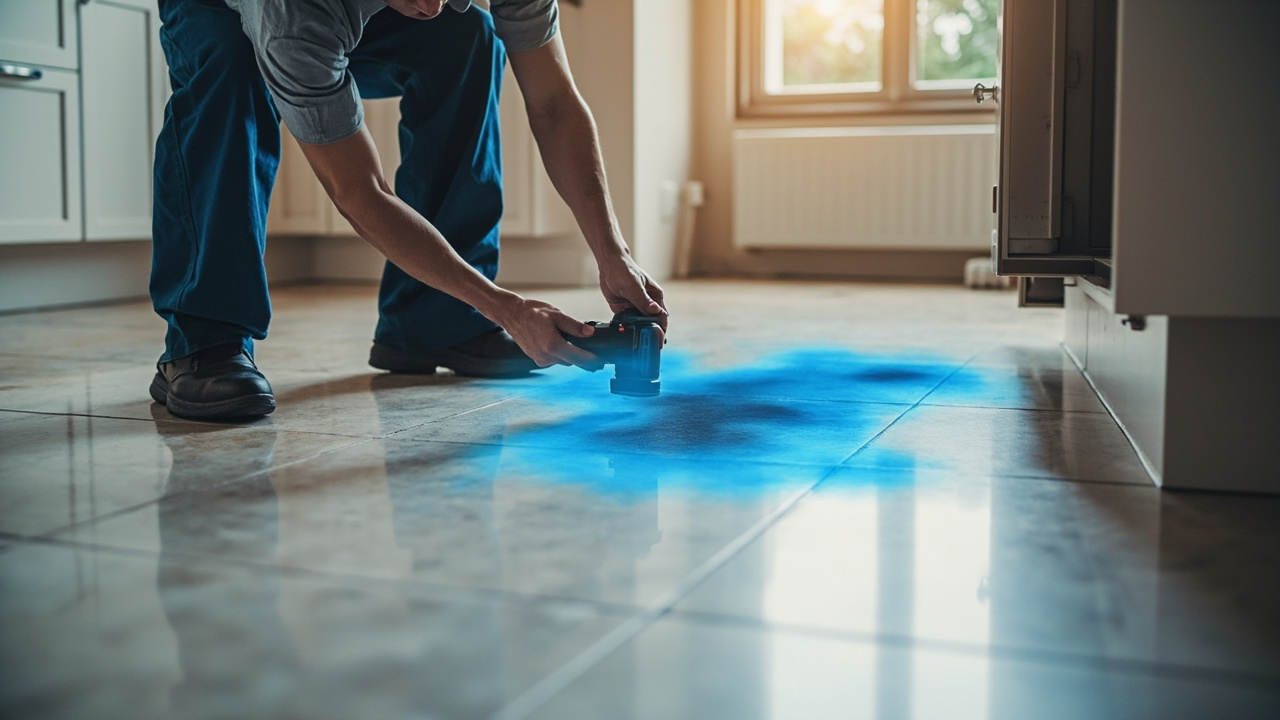
Water trapped under kitchen tile is a hidden threat for many Woodmere homeowners. You might see a beautiful porcelain or…

Contact Us

Stop guessing about your home's vulnerabilities. Horizon Water Damage Restoration Cleveland provides detailed waterproofing assessments that identify your specific risk factors and prioritize solutions. Call (216) 547-1277 now to schedule your inspection and protect your investment before the next storm.