



menu

Fire Sprinkler Water Cleanup in Cleveland – Emergency Response in Under 60 Minutes

When a fire sprinkler discharges unexpectedly, you have minutes to prevent permanent damage. Horizon Water Damage Restoration Cleveland specializes in fire suppression system water extraction with immediate dispatch, advanced drying equipment, and insurance claim support.

Slider Image 1
Slider Image 2
Slider Image 3
Slider Image 4
Slider Image 5
Slider Image 7
Slider Image 8
Slider Image 9
Slider Image 10
Slider Image 11

When Fire Sprinklers Cause More Damage Than Fire

A single activated fire sprinkler head releases 25 gallons of water per minute. In a Cleveland office building or warehouse, that means hundreds of gallons flooding your space before anyone can shut off the system. The water does not stop at the point of discharge. It travels through ceiling tiles, down walls, into HVAC systems, and across finished floors.

Cleveland's older commercial buildings in neighborhoods like Ohio City and Tremont often have fire suppression systems installed in spaces with wood subfloors and plaster walls. These materials absorb water rapidly. Within 24 hours, you face structural weakening, mold colonization, and irreversible damage to inventory or equipment.

Accidental sprinkler discharge cleanup is not the same as standard water removal. Fire sprinkler water sits stagnant in pipes for years, accumulating rust particles, biofilm, and sediment. When it floods your space, you are dealing with contaminated water that requires specialized extraction protocols. Emergency sprinkler water removal demands industrial-grade equipment, antimicrobial treatment, and rapid moisture detection to prevent hidden saturation in wall cavities and insulation.

The longer contaminated sprinkler water sits, the deeper it penetrates. Drywall wicks moisture vertically. Hardwood floors cup and buckle. Electrical systems corrode. You have a narrow window to stop the damage from compounding. Fire sprinkler water damage restoration in Cleveland requires immediate action, not a next-day appointment.

When Fire Sprinklers Cause More Damage Than Fire
How We Extract Sprinkler Water and Prevent Secondary Damage

How We Extract Sprinkler Water and Prevent Secondary Damage

Burst fire sprinkler flood remediation starts with containment. We do not just vacuum up standing water. Our crew shuts down affected HVAC zones to prevent airborne moisture migration, isolates the flooded area with vapor barriers, and maps the full extent of saturation using thermal imaging and moisture meters. You cannot see moisture inside a wall cavity, but our equipment can.

We deploy truck-mounted extraction units that pull water from carpet, padding, and subfloors in a single pass. For hard surfaces, we use weighted extraction tools that create suction against tile, concrete, and vinyl. Fire suppression system water extraction is not a mop-and-bucket job. It requires negative air pressure, controlled evaporation, and real-time moisture monitoring.

After extraction, we place commercial dehumidifiers and air movers in a strategic grid pattern. The goal is not just to dry surfaces, but to pull moisture out of structural materials before microbial growth starts. We monitor humidity levels every four hours and adjust equipment placement based on airflow dynamics and material density. Drying plaster takes longer than drying drywall. Drying engineered hardwood takes longer than drying laminate.

We treat all affected surfaces with EPA-registered antimicrobial solutions to neutralize contaminants from stagnant sprinkler water. This is not optional. Rust particles and biofilm create health risks and odor problems if left untreated. Our process ensures your space is not just dry, but safe for reoccupation. We document every phase with photos, moisture readings, and detailed logs for your insurance adjuster.

What Happens When You Call for Sprinkler Flooding

Fire Sprinkler Water Cleanup in Cleveland – Emergency Response in Under 60 Minutes
01

Immediate Dispatch and Containment

Within 60 minutes of your call, our crew arrives with extraction equipment, moisture meters, and containment supplies. We perform an initial damage assessment, locate the water source, and isolate affected areas to prevent cross-contamination. You receive a verbal overview of the scope and next steps before we begin work. Speed matters because every hour of standing water increases restoration costs exponentially.
02

Water Extraction and Antimicrobial Treatment

We remove all standing water using truck-mounted extraction units and weighted tools designed for commercial-grade flooding. Affected surfaces are treated with antimicrobial solutions to neutralize contaminants from stagnant sprinkler systems. We then place industrial dehumidifiers and air movers in a calculated layout to create optimal drying conditions. Thermal imaging confirms we are targeting hidden moisture pockets in walls, ceilings, and subfloors.
03

Drying, Monitoring, and Documentation

We monitor moisture levels every four hours until all materials reach industry-standard dry thresholds. Drying is not guesswork. We use pin-type and non-invasive meters to track evaporation progress in real time. Once your space is verified dry, we provide a complete documentation package including moisture logs, equipment placement diagrams, and photos for your insurance claim. Your adjuster gets everything needed to process your claim without delays.

Why Cleveland Businesses Trust Us for Sprinkler Emergencies

Cleveland's commercial real estate includes everything from century-old warehouses in the Flats to modern office buildings in downtown. Fire suppression systems vary by building age, occupancy type, and local code requirements. We have handled accidental sprinkler discharge in historic buildings with plaster walls, multilevel retail spaces with drop ceilings, and industrial facilities with epoxy floors. Local building knowledge matters because extraction techniques vary by construction type.

We work directly with Cleveland property managers, facility directors, and business owners who need fast, accountable service. When a sprinkler head discharges at 2 a.m., you do not have time to vet contractors. You need a crew that shows up equipped, works efficiently, and documents everything for your insurer. We do not subcontract. Our technicians are trained in IICRC water damage restoration protocols and understand the specific challenges of fire suppression system flooding.

Our relationship with local insurance adjusters in Cuyahoga County means we know what documentation they require. We submit detailed moisture logs, thermal images, and equipment inventories that support your claim from day one. No guesswork, no back-and-forth requests for missing information. We streamline the claims process so you can focus on getting your business operational again.

We also understand Cleveland's climate. High humidity in summer months slows evaporation rates. Cold snaps in winter create condensation risks during drying. We adjust our drying protocols based on seasonal conditions and building envelope performance. Generic drying timelines do not work here. We adapt to real-world conditions in your specific building.

What to Expect During Sprinkler Water Cleanup

Response Time and Availability

We dispatch crews 24/7, including weekends and holidays. Most Cleveland service calls receive on-site response within 60 minutes. For commercial sprinkler flooding, we prioritize rapid containment to limit business interruption. You will speak directly with a project manager who oversees your job from arrival through final documentation. No automated systems, no call centers. When you call, you get a technician who knows Cleveland and can be on-site fast. Time-sensitive emergencies get priority dispatch.

Initial Assessment and Scope Mapping

We use thermal imaging and moisture meters to map the full extent of water intrusion. You receive a verbal damage assessment within 30 minutes of arrival, including an estimate of drying time and equipment requirements. We identify hidden saturation in wall cavities, insulation, and subfloors that visual inspection misses. The assessment includes documentation of pre-existing conditions to protect you during insurance review. You know exactly what we found, where the moisture traveled, and what restoration steps are required before we begin work.

Drying Standards and Verification

We do not remove equipment until moisture levels meet IICRC S500 drying standards. This means materials reach equilibrium moisture content relative to ambient conditions. We verify dryness using both pin-type and non-invasive meters across multiple material types. You receive a final moisture report showing before-and-after readings for every affected area. If materials do not reach target thresholds, we adjust equipment placement and extend drying time. Your space is not considered dry until the data confirms it.

Insurance Documentation and Follow-Up

We provide a complete documentation package for your insurance claim, including itemized service records, moisture logs, thermal images, and equipment tracking sheets. Most Cleveland adjusters accept our reports without requiring additional documentation. If your claim requires a follow-up inspection, we coordinate directly with the adjuster to answer technical questions. We also offer optional post-remediation testing for mold or air quality if your insurer requests it. You get everything needed to close your claim efficiently.

Frequently Asked Questions

You Have Questions,
We Have Answers

Is fire sprinkler water clean? +

No. Fire sprinkler water sits stagnant in pipes for months or years. It collects rust, biofilm, bacteria, and sediment. When a sprinkler activates, this contaminated water floods your Cleveland property. The water appears black or brown and smells foul. It poses health risks and causes secondary damage fast. Do not attempt to clean it yourself. Professional water damage restoration crews in Cleveland treat sprinkler discharge as contaminated water. They extract it quickly, disinfect all surfaces, and dry structural materials to prevent mold growth in Ohio's humid climate.

What is the 18 rule for fire sprinklers? +

The 18-inch rule requires a minimum clearance of 18 inches between the sprinkler deflector and the top of stored materials or furnishings. This spacing ensures water distributes properly during activation. Cleveland warehouse and commercial property owners often violate this rule during busy seasons. Blocked sprinklers fail to control fires effectively. After a fire sprinkler discharge in Cleveland, restoration teams inspect clearance violations and document them for insurance claims. Maintaining proper clearance prevents both fire spread and unnecessary water damage to inventory.

What is the 3x rule for sprinklers? +

The 3x rule states your sprinkler system should deliver three times the water your lawn absorbs. This applies to irrigation systems, not fire suppression. For Cleveland fire sprinkler cleanup, this rule does not apply. Fire sprinkler systems discharge at high pressure until shut off manually. They release hundreds of gallons per minute. Cleveland properties experience severe flooding within minutes of activation. Emergency water extraction must begin immediately. The volume overwhelms floors, walls, and contents. Professional crews use truck-mounted extractors to remove standing water before structural damage worsens.

How often do sprinkler systems need to be flushed? +

NFPA 25 requires annual flushing of fire sprinkler systems to clear sediment and verify water flow. Many Cleveland commercial buildings skip this maintenance. When sprinklers activate years later, rust and biofilm flood the property alongside water. This contamination increases cleanup costs and health risks. After a sprinkler discharge in Cleveland, restoration professionals often find badly corroded pipes. Regular flushing prevents some contamination but does not eliminate it. Stagnant water still harbors bacteria. Professional cleanup remains necessary after any fire sprinkler activation regardless of maintenance history.

Why does fire sprinkler water smell bad? +

Fire sprinkler water smells like rotten eggs or sewage because of bacterial growth and metal corrosion. Water sits stagnant in pipes for years. Anaerobic bacteria thrive in this oxygen-poor environment and produce hydrogen sulfide gas. Rust from corroded steel pipes adds a metallic odor. When sprinklers discharge in Cleveland buildings, this foul mixture saturates carpets, drywall, and furnishings. The smell penetrates porous materials and lingers without proper remediation. Professional water damage crews extract contaminated water, apply antimicrobial treatments, and use hydroxyl generators to eliminate odors completely.

Should you still water your lawn in October? +

This question does not relate to fire sprinkler water cleanup. However, Cleveland lawns benefit from watering through October if rainfall drops below one inch weekly. Ohio's fall weather varies. Grass roots continue growing until soil temperatures drop below 40 degrees. For fire sprinkler emergencies in Cleveland, contact a certified water damage restoration company immediately. Do not confuse irrigation system maintenance with fire suppression system cleanup. Fire sprinkler discharge requires professional extraction, disinfection, and drying to prevent structural damage and mold growth in your Cleveland property.

What is the 3 times rule for sprinklers? +

The 3 times rule for irrigation sprinklers recommends applying three times the amount of water your lawn absorbs to ensure deep root penetration. This guideline does not apply to fire sprinkler cleanup in Cleveland. Fire suppression systems discharge continuously at 15 to 40 gallons per minute per head until manually shut off. Cleveland properties face catastrophic flooding within minutes. Emergency response focuses on stopping water flow, extracting standing water, and drying structural materials. Professional restoration crews arrive within hours to prevent secondary damage and mold growth in Ohio's humid conditions.

How often should you check fire sprinklers? +

NFPA 25 requires monthly visual inspections and annual professional testing of fire sprinkler systems. Cleveland building owners must verify gauges show proper pressure and check for leaks or corrosion. Quarterly alarm testing ensures monitoring systems function. Annual flow tests confirm water delivery meets design specifications. Most Cleveland commercial properties neglect these inspections. When sprinklers finally activate, corroded pipes release contaminated water. After discharge, restoration professionals document maintenance failures for insurance claims. Regular inspections prevent some failures but do not eliminate cleanup needs after activation.

Is fire sprinkler water category 3? +

Yes. Most restoration professionals classify fire sprinkler water as Category 3, the most contaminated classification. Water sits stagnant for years, collecting bacteria, biofilm, rust, and pathogens. Cleveland water damage crews treat sprinkler discharge as grossly contaminated. They wear protective equipment during extraction. All porous materials touched by sprinkler water require antimicrobial treatment or removal. Drywall, insulation, and carpeting often need replacement. Insurance companies in Ohio recognize Category 3 classification, which affects coverage and cleanup costs. Professional assessment determines the contamination level and proper remediation protocol for your Cleveland property.

What is the 4 foot rule for NFPA 13? +

NFPA 13 requires four feet of clear space between the top of any storage and the sprinkler deflector in high-piled storage areas. This rule applies to warehouses and facilities with storage over 12 feet tall. Cleveland distribution centers frequently violate this clearance during peak seasons. Blocked sprinklers fail to control fires and cause excessive water damage when they finally discharge. After sprinkler activation in Cleveland warehouses, restoration crews document clearance violations for liability purposes. Maintaining proper clearance protects both fire safety and reduces water damage scope when systems activate.

How Cleveland's Older Fire Suppression Systems Increase Water Damage Risk

Cleveland's commercial building stock includes thousands of structures built before modern fire code updates. Many still operate wet pipe sprinkler systems installed in the 1970s and 1980s. These systems hold water under pressure year-round, and the water accumulates rust, scale, and bacterial growth over decades. When a sprinkler head activates accidentally due to mechanical failure, freezing, or impact, the water released is not clean. It contains sediment and biofilm that stain surfaces, corrode metals, and create odor problems. Emergency sprinkler water removal in older Cleveland buildings requires antimicrobial treatment and aggressive filtration to address these contaminants.

Local property managers in Cleveland know that fire suppression system malfunctions are not rare events. Temperature swings during shoulder seasons cause pressure fluctuations in aging pipes. Renovations in older buildings sometimes disturb sprinkler heads that have not been serviced in years. When discharge happens, the response quality determines whether you face a two-day cleanup or a two-week reconstruction project. Horizon Water Damage Restoration Cleveland has handled sprinkler flooding in Warehouse District lofts, Playhouse Square venues, and industrial spaces along the Cuyahoga River. We understand local building construction and work with Cleveland-based adjusters who trust our documentation.
Water Damage Restoration Services in The Cleveland Area

Horizon Water Damage Restoration Cleveland proudly serves the entire Cleveland area and its surrounding communities. Our team is strategically located to ensure a rapid response to your water damage emergency. We are committed to being there for you when you need us most. Please view the map to see our service area and feel free to reach out to us with any questions or for immediate assistance.

Address:
Horizon Water Damage Restoration Cleveland, 3224 Prospect Ave E, Cleveland, OH, 44115

Additional Services We Offer

Our news updates

Latest Articles & News from The Blogs

South Euclid basements face a relentless battle against groundwater due to the heavy clay soil common across the Cleveland metro…

Why South Euclid homeowners need more than a standard dehumidifier for wet basements

South Euclid basements face a relentless battle against groundwater due to the heavy clay soil common across the Cleveland metro…

Why your air conditioner is leaking through the ceiling in Broadview Heights

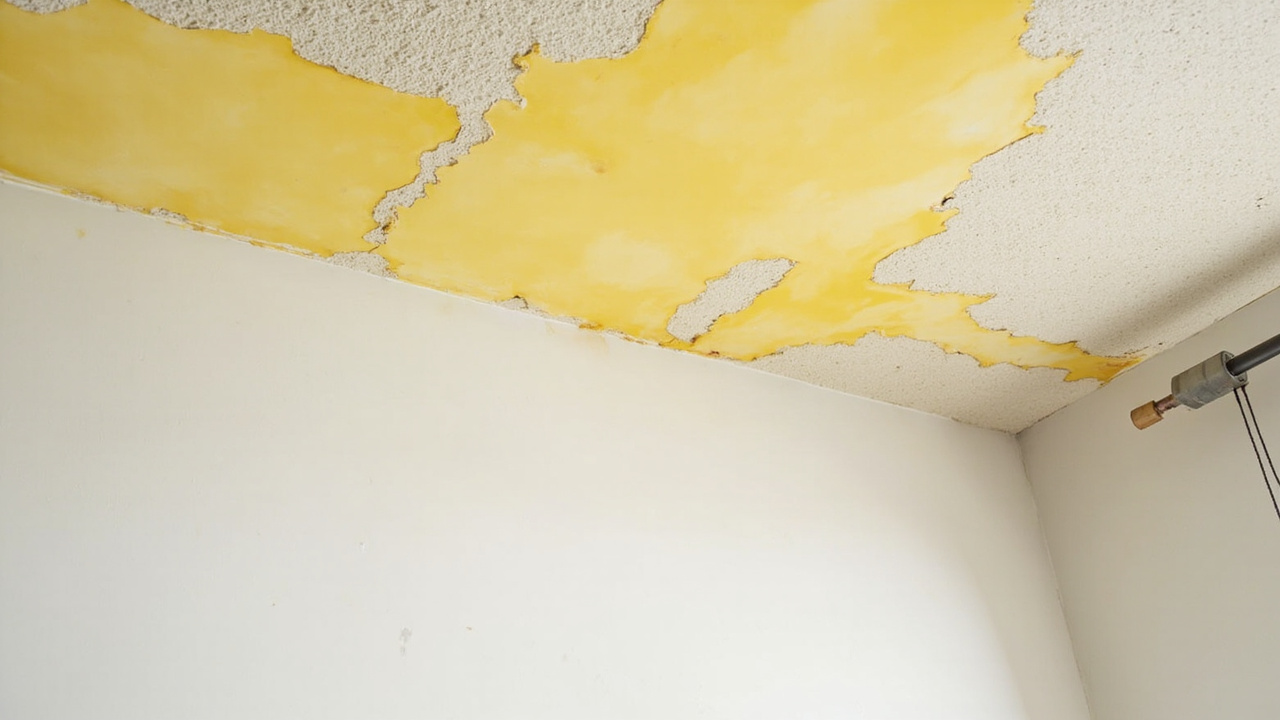
AC Condensate Leak Water Damage Solutions for Cleveland Homeowners A yellow stain appearing on your second floor ceiling often signals…

Can Water Get Trapped Under the Tile in Your Woodmere Kitchen

Water trapped under kitchen tile is a hidden threat for many Woodmere homeowners. You might see a beautiful porcelain or…

Contact Us

Every minute counts. Call Horizon Water Damage Restoration Cleveland at (216) 547-1277 for immediate dispatch. We answer 24/7 and arrive equipped to stop the damage fast.