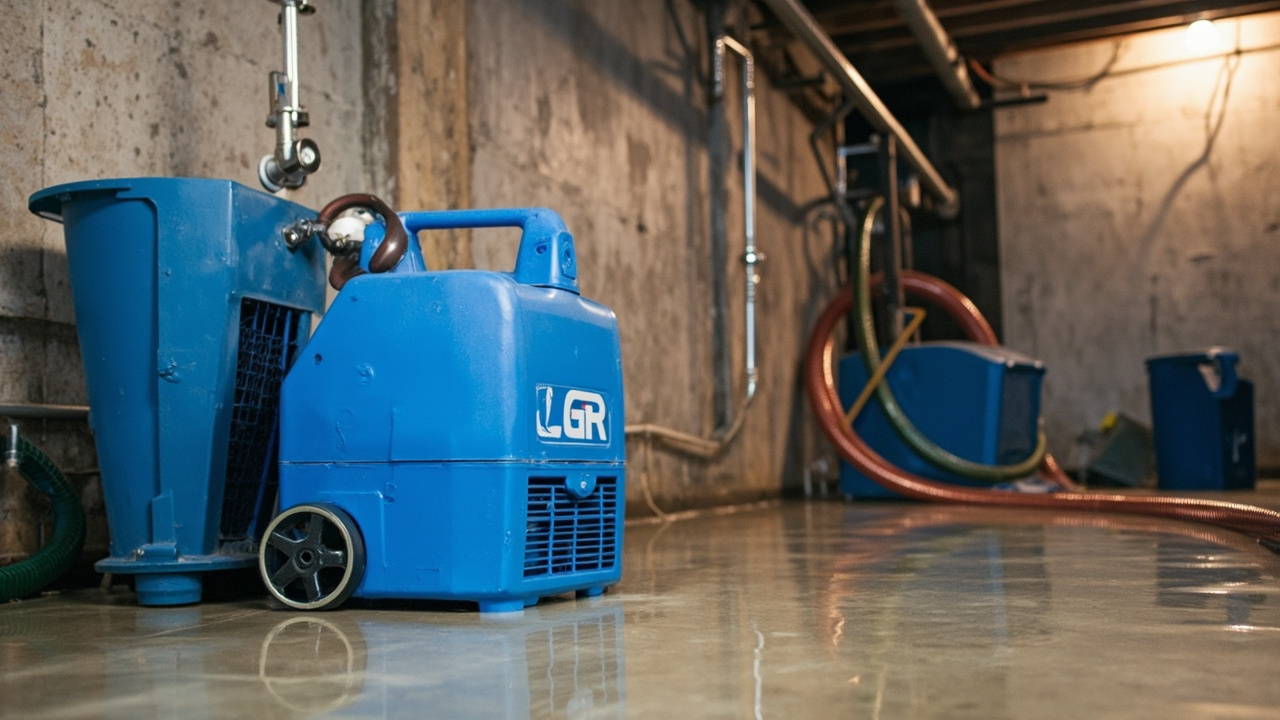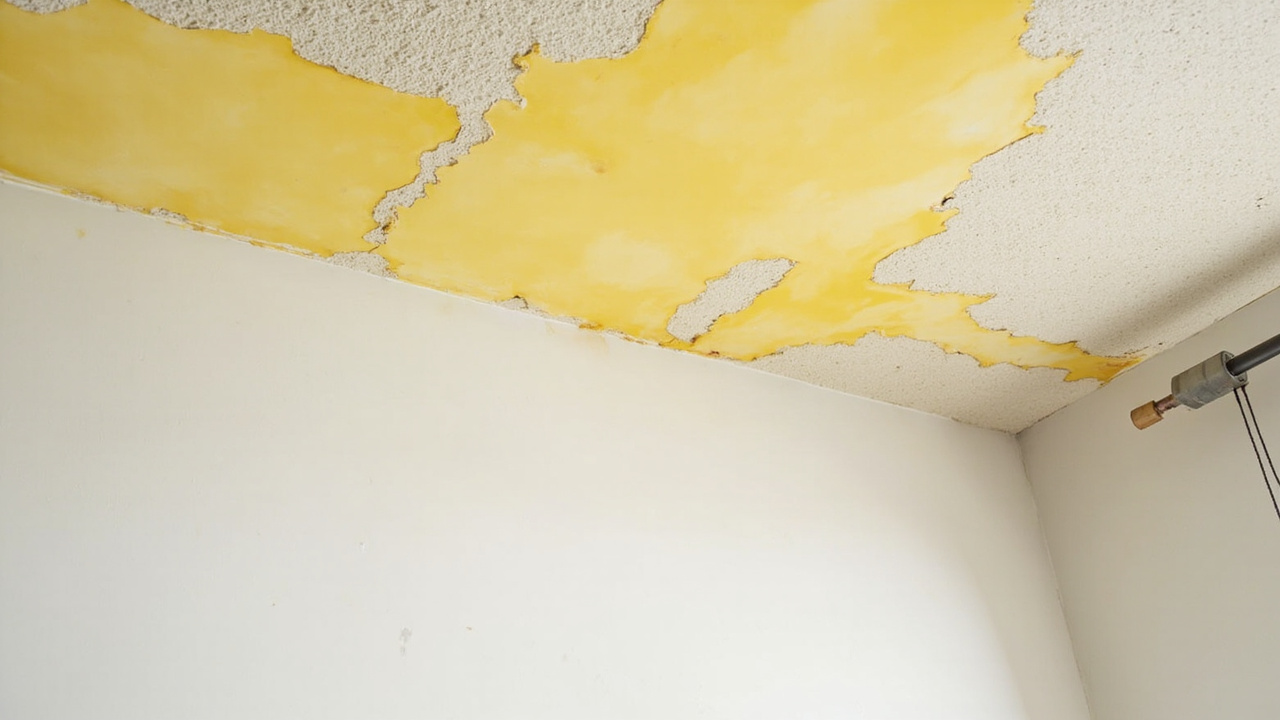







Cleveland's position on Lake Erie creates unique weather patterns that affect water damage risks and restoration requirements. Lake effect snow dumps heavy precipitation throughout winter, causing ice dams on roofs and basement flooding during rapid spring thaws. Summer humidity from the lake slows evaporation rates during restoration, requiring contractors to use higher-capacity dehumidification than inland markets. Many Cleveland properties were built before 1950 with clay tile drainage systems, cast iron plumbing, and limestone foundations that present restoration challenges unfamiliar to contractors from other markets. Selecting a water damage contractor means finding someone who understands these local variables and adjusts their methodology accordingly.
Finding a reputable water damage company in Cleveland requires confirming local experience, not just state licensing. The city's diverse housing stock spans Victorian mansions in University Circle, brick colonials throughout the west side suburbs, and post-war construction in areas like Parma and Garfield Heights. Each construction type responds differently to water damage and requires specific restoration approaches. Local contractors understand Cleveland's building permit requirements, know which materials suppliers stock products matching older construction, and maintain relationships with inspectors who approve restoration work. This local knowledge streamlines the restoration process and prevents delays that extend the timeline and increase your temporary housing costs.