




menu

Steps to Take After a Flood in Cleveland – Your Complete Post-Flood Recovery Checklist

From immediate water extraction to structural drying and mold prevention, learn the exact actions Cleveland homeowners must take in the first 24 to 72 hours after flooding to protect your property, health, and insurance claim.

Slider Image 1
Slider Image 2
Slider Image 3
Slider Image 4
Slider Image 5
Slider Image 7
Slider Image 8
Slider Image 9
Slider Image 10
Slider Image 11

Why Cleveland Floods Create Unique Recovery Challenges

Cleveland sits on the southern shore of Lake Erie, where heavy lake-effect precipitation combines with aging stormwater infrastructure to create frequent flooding events. The city's older neighborhoods, particularly around the Cuyahoga River floodplain and areas like Old Brooklyn and Tremont, face basement flooding during spring thaw and summer downpours. The region's clay-heavy soil does not absorb water quickly, which means surface runoff pools around foundations and seeps through basement walls.

When floodwater enters your home, you face three critical threats. First, the water itself damages flooring, drywall, insulation, and personal property. Second, Cleveland's high humidity creates ideal conditions for mold growth within 24 to 48 hours. Third, contaminated floodwater from combined sewer overflows carries bacteria, chemicals, and sewage that pose serious health risks.

Understanding what to do after a house flood means acting fast. The immediate actions after flooding determine whether you save your property or face complete structural loss. Every hour you wait increases moisture penetration into porous materials like drywall and subfloors. Your post-flood recovery checklist must prioritize safety first, then water removal, then drying and dehumidification.

Most Cleveland homeowners make the mistake of cleaning up too slowly or using household fans that simply circulate humid air without removing moisture. Proper water damage clean up steps require industrial-grade equipment and an understanding of psychrometrics, the science of moisture in air. This guide to handling flood damage will walk you through each phase of recovery so you protect your investment and your family's health.

Why Cleveland Floods Create Unique Recovery Challenges
The Scientific Approach to Post-Flood Water Extraction and Drying

The Scientific Approach to Post-Flood Water Extraction and Drying

Effective flood recovery is not about mopping up visible water. It requires controlled demolition, moisture mapping, and precision drying to prevent hidden damage. When you call a professional team, they use thermal imaging cameras to detect moisture inside wall cavities and beneath flooring. This technology identifies saturated insulation and wet structural lumber that you cannot see with the naked eye.

The water damage clean up steps begin with category assessment. Category 1 water comes from clean sources like supply lines. Category 2 water contains contaminants from appliances or toilet overflow. Category 3 water is grossly contaminated floodwater from rivers, sewage backups, or storm surge. Cleveland floods typically involve Category 3 water due to combined sewer systems that overflow during heavy rain. This means affected materials like carpet, padding, and drywall below the flood line must be removed and discarded, not dried in place.

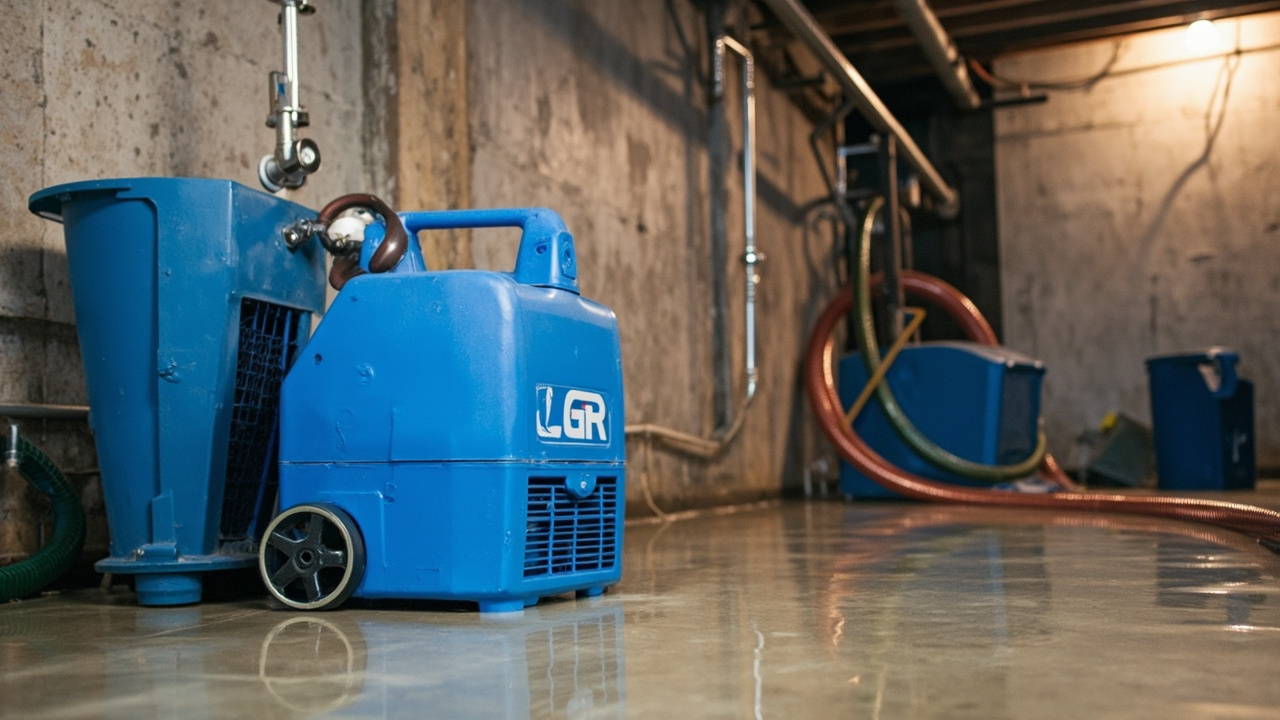
After extraction using truck-mounted pumps and weighted extractors, technicians place commercial air movers and LGR dehumidifiers in strategic positions. Air movers create airflow across wet surfaces to promote evaporation. Low-grain refrigerant dehumidifiers pull moisture from the air and expel it as condensate. The goal is to reduce relative humidity below 50 percent and bring materials to their dry standard moisture content, typically 12 to 15 percent for wood framing.

Daily moisture readings using pin-type and pinless meters track drying progress. If readings plateau or rise, hidden pockets of water exist. Technicians then drill inspection holes, use injection drying systems, or remove additional building materials. This systematic approach prevents the mold growth, wood rot, and odor problems that occur when water remains trapped in building assemblies.

Your First 72 Hours After a Flood

Steps to Take After a Flood in Cleveland – Your Complete Post-Flood Recovery Checklist
01

Safety and Damage Assessment

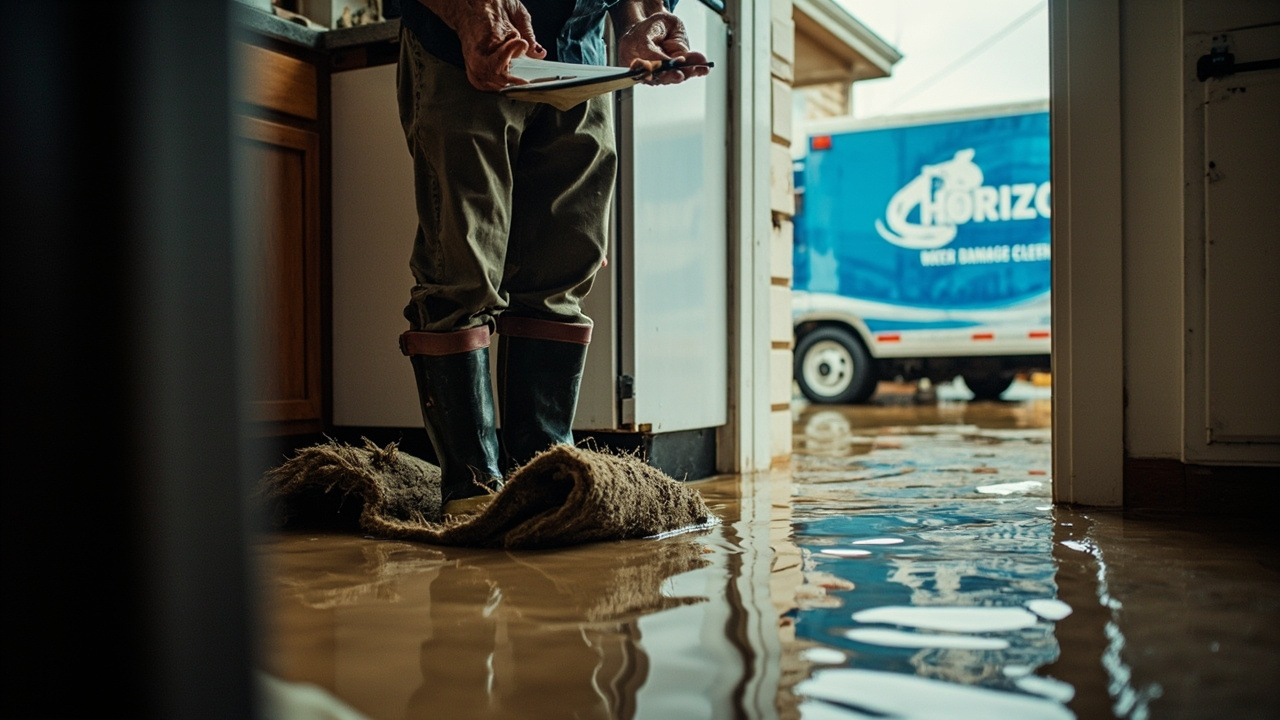
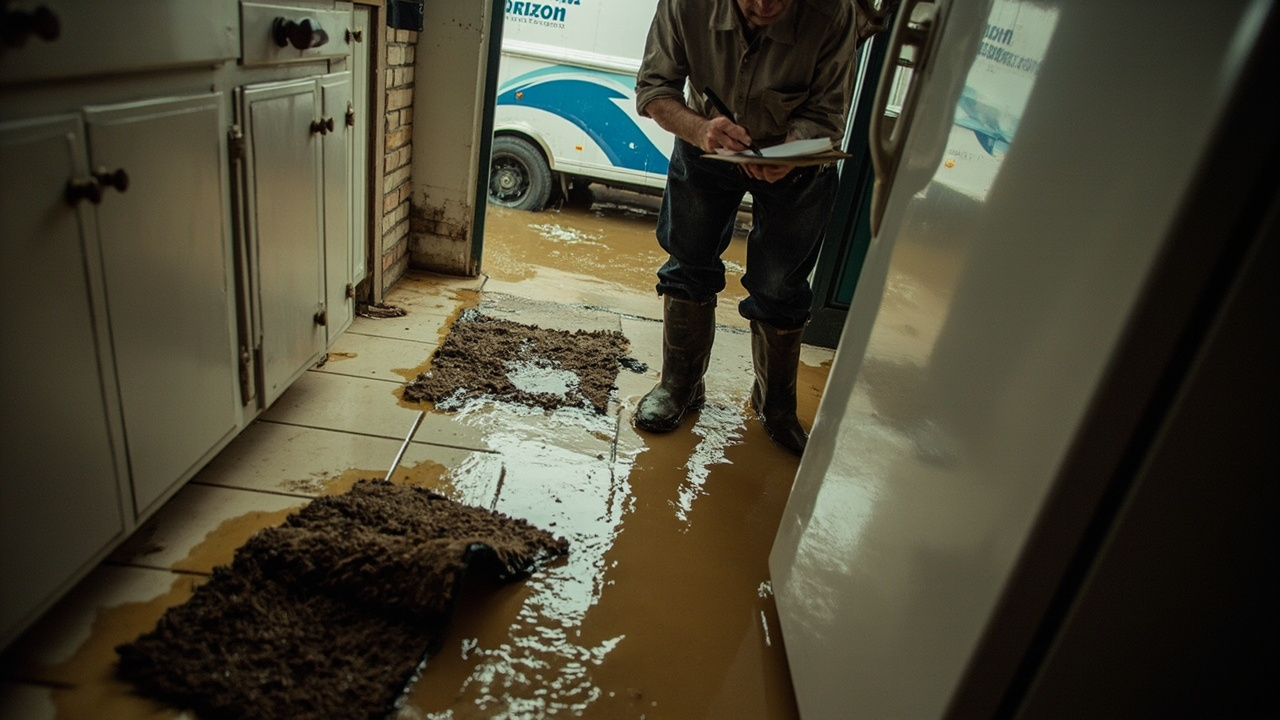
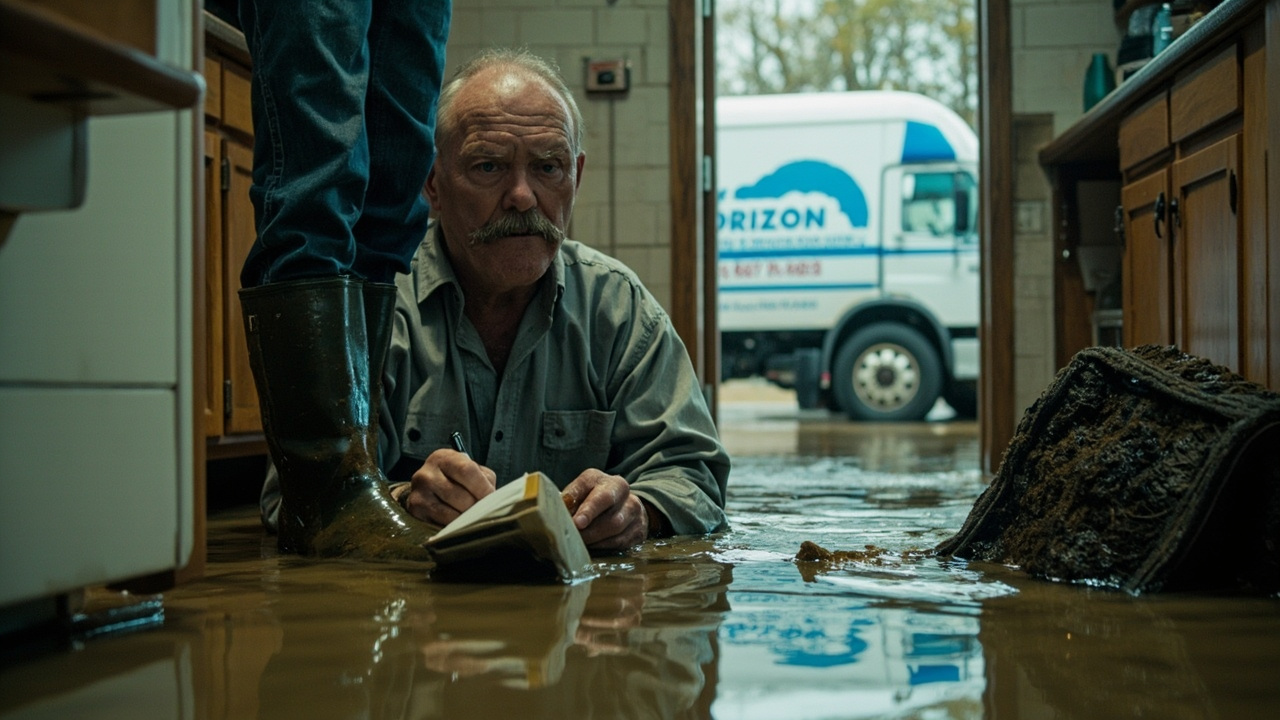
Before entering a flooded home, shut off electricity at the main panel if you can do so safely from a dry location. Floodwater conducts electricity and poses electrocution risk. Wear rubber boots, gloves, and an N95 mask, since Category 3 water contains sewage and chemical contaminants. Document all damage with photos and video before moving anything. Your insurance adjuster needs this visual evidence to process your claim accurately.
02

Water Removal and Salvage

Remove standing water using pumps or wet vacuums within the first 24 hours. The longer water sits, the more it wicks into drywall, insulation, and framing. Move furniture to dry areas and remove wet contents. Porous materials like upholstered furniture and mattresses that contacted Category 3 floodwater cannot be sanitized and must be discarded. Hard surfaces can be cleaned with antimicrobial solutions after drying.
03

Professional Drying and Monitoring

Professional drying equipment runs continuously for three to seven days depending on the extent of saturation. Technicians visit daily to take moisture readings, adjust equipment, and check for secondary damage like mold growth. Once all materials reach dry standard, they perform a final walkthrough, remove equipment, and provide documentation for your insurance company. This completion report includes moisture logs and photos proving your home is dry.

Why Cleveland Homeowners Trust Local Flood Recovery Experts

Horizon Water Damage Restoration Cleveland understands the specific challenges Lake Erie weather and Cleveland's aging housing stock create. We have restored flood-damaged homes in every Cleveland neighborhood, from the brick colonials in Shaker Heights to the century-old doubles in Ohio City. Our technicians know that Cleveland basements built before 1950 often lack proper drainage systems and exterior waterproofing, making them vulnerable to hydrostatic pressure during heavy rain.

Local expertise matters when dealing with insurance claims. We document damage according to Xactimate standards that Ohio insurers use to estimate losses. We know which Cleveland-area adjusters work for which carriers and how to present documentation that moves your claim forward. When your adjuster questions the scope of demolition or the number of drying days needed, we provide moisture logs, thermal images, and industry standard references that support our protocol.

We also coordinate with Cleveland building inspectors when flood damage requires permits for electrical work or structural repairs. Because we restore flooded properties year-round, we have established relationships with the city's Department of Building and Housing. This means faster permit turnaround and inspections that keep your project on schedule.

Our response time matters in flood situations. We dispatch trucks within 60 minutes of your call, day or night. Our technicians carry truck-mounted extraction units, commercial air movers, and dehumidifiers on every vehicle so we begin water removal immediately. We do not wait until morning or the next business day. Every hour of delay allows water to penetrate deeper into building materials and increases your total restoration cost.

Flood recovery is not a DIY project. It requires specialized knowledge of building science, microbial growth, and structural drying. Choosing a local team that understands Cleveland's unique flood risks protects your largest investment.

What to Expect During Professional Flood Restoration

Immediate Response and Mobilization

We answer calls 24 hours a day and dispatch crews within one hour to Cleveland and surrounding communities. Our first priority is stopping additional water intrusion by placing tarps, boarding openings, or sandbagging entry points. We then begin emergency water extraction using truck-mounted pumps capable of removing thousands of gallons per hour. This aggressive approach in the first 24 hours prevents secondary damage and reduces your overall drying time by up to 40 percent. Speed directly impacts your outcome in flood situations.

Detailed Inspection and Moisture Mapping

After initial extraction, technicians inspect every affected area using thermal imaging cameras and moisture meters. We document moisture levels in floors, walls, ceilings, and contents. This creates a moisture map that guides equipment placement and helps us track drying progress. We identify hidden moisture in wall cavities and under flooring that standard visual inspection misses. This diagnostic phase determines which materials can be dried in place and which require removal to prevent mold growth and structural damage.

Controlled Drying and Daily Monitoring

We establish a controlled drying environment using commercial-grade air movers and dehumidifiers positioned according to psychrometric principles. Technicians visit your property daily to take moisture readings, download data from remote monitors, and adjust equipment. You receive progress reports showing how moisture levels decrease each day. Drying typically takes three to seven days depending on the materials affected and the extent of saturation. We do not remove equipment until all materials reach dry standard, verified by calibrated meters.

Final Verification and Documentation

Once drying is complete, we perform a final moisture inspection of all previously affected areas. We provide you with a completion certificate that includes all daily moisture logs, equipment logs, and before-and-after photos. This documentation package is essential for closing your insurance claim. We also inspect for any signs of mold growth or odor issues. If reconstruction is needed, we coordinate with licensed contractors to rebuild removed materials. Your property is not considered fully restored until it returns to pre-loss condition.

Frequently Asked Questions

You Have Questions,
We Have Answers

What steps to take after a flood? +

First, ensure safety. Do not enter standing water if power is on. Turn off electricity at the breaker if you can do so safely. Document all damage with photos and video before touching anything for your insurance claim. Contact your insurance company immediately. Remove standing water using pumps or wet vacuums. Move furniture and belongings to dry areas. Start air circulation with fans and dehumidifiers. Cleveland's humid summers accelerate moisture damage, so speed matters. Call a certified water damage restoration company within 24 hours to prevent mold growth and structural issues.

What should you do after the flood? +

After a flood, prioritize safety and damage control. Wait for authorities to confirm it is safe to return home. Wear protective gear including rubber boots and gloves. Ventilate your home by opening windows and doors. Extract water quickly using pumps or professional equipment. Remove wet materials like carpeting, drywall, and insulation that cannot be salvaged. Disinfect all surfaces that contacted floodwater to eliminate bacteria and contaminants. Cleveland homes often have basements prone to seepage, so check foundation walls for cracks or structural shifting that may need repair.

What are the 5 steps of disaster recovery? +

The five steps of disaster recovery are assessment, water extraction, drying and dehumidification, cleaning and sanitizing, and restoration. Assessment identifies the damage scope and safety hazards. Water extraction removes standing water using pumps and vacuums. Drying uses industrial fans and dehumidifiers to eliminate moisture from structures and contents. Cleaning removes contaminants and prevents mold. Restoration rebuilds damaged areas like drywall, flooring, and cabinetry. In Cleveland, freeze-thaw cycles can complicate foundation issues post-flood, so structural evaluation is critical during assessment. Each phase must happen quickly to prevent secondary damage.

What should you do after a flood? +

After a flood, act fast. Document everything with photos before cleanup begins. Contact your insurance carrier to start your claim. Remove water immediately using pumps or wet vacuums. Dispose of porous materials like insulation, drywall, and carpet padding that absorbed contaminated water. Disinfect hard surfaces with antimicrobial solutions. Use fans and dehumidifiers to dry structural elements. Cleveland's Lake Erie proximity creates high humidity, which slows drying and accelerates mold. Do not delay. Mold begins growing within 24 to 48 hours. Professional restoration prevents long-term health risks and structural degradation.

How quickly does mold grow after a flood? +

Mold starts growing within 24 to 48 hours after water exposure. Cleveland's humid climate accelerates this timeline, especially during summer months. Mold spores are always present in air but need moisture to colonize. Porous materials like drywall, wood, carpet, and insulation provide ideal growth environments. Once established, mold spreads rapidly and releases airborne spores that cause respiratory issues and allergic reactions. You cannot see mold in the first 24 hours, but it is already growing behind walls and under flooring. Speed is everything. Professional water extraction and dehumidification within hours prevent colonization.

What should you avoid doing after a flood? +

Do not enter your home if floodwater remains and power is still on. Do not touch electrical equipment or outlets while wet. Avoid using household vacuums for water extraction, as they create electrical hazards. Do not ignore safety gear. Floodwater contains sewage, chemicals, and bacteria. Do not try to save porous materials like carpet padding or particle board furniture. These items harbor contaminants and mold. Do not delay drying. Cleveland's humid conditions worsen moisture damage quickly. Do not attempt major structural repairs yourself. Hire licensed contractors familiar with local building codes and flood-prone areas.

Do you have to throw everything away after a flood? +

Not everything must be thrown away, but porous items exposed to contaminated floodwater usually cannot be saved. Carpet, padding, drywall, insulation, mattresses, and upholstered furniture absorb bacteria and sewage. Hard surfaces like tile, metal, and solid wood can be cleaned and disinfected. Dishes, cookware, and hard plastic items are salvageable with proper sanitizing. Electronics and appliances need professional evaluation. Sentimental items like photos and documents may be restorable through specialized drying techniques. Cleveland homeowners should document all losses with photos for insurance claims before discarding items. When in doubt, consult a restoration professional.

What should be avoided after floods? +

Avoid entering floodwater without protective gear. Do not consume food or beverages that contacted floodwater. Avoid using contaminated water for cooking, cleaning, or bathing until authorities confirm safety. Do not walk through moving water, even shallow depths. Six inches can knock you down. Avoid touching electrical systems or gas lines while wet. Do not ignore structural damage like sagging ceilings or buckled floors. Cleveland homes with basements face collapse risks if foundation walls shift. Avoid delaying professional help. Waiting 48 hours allows mold colonization and increases restoration costs significantly. Act immediately.

What do I do after a flood? +

After a flood, secure your safety first. Turn off power if water is present. Document damage with photos and video. Contact your insurance company immediately to report the loss. Extract standing water using pumps or professional equipment. Remove unsalvageable materials like soaked drywall and carpet. Dry your home using industrial fans and dehumidifiers. Disinfect all surfaces that contacted floodwater. Cleveland's aging housing stock and basement prevalence mean foundation and structural checks are critical. Call a certified water damage restoration company within 24 hours. Speed prevents mold growth and reduces long-term repair costs.

What are the 4 C's of disaster recovery? +

The four C's of disaster recovery are Contact, Control, Contain, and Complete. Contact means notifying your insurance company and emergency restoration services immediately. Control involves stopping further damage by extracting water and securing the property. Contain refers to isolating affected areas to prevent contamination spread and controlling humidity to stop mold growth. Complete means finishing all repairs and restoration to pre-loss condition. In Cleveland, containing moisture is urgent due to high summer humidity and lake-effect conditions. Professional restoration companies follow this framework to ensure thorough recovery and prevent recurring problems.

How Lake Erie Weather Patterns Increase Cleveland Flood Risk

Cleveland averages 39 inches of precipitation annually, with intense thunderstorms in summer and rapid snowmelt in spring creating peak flood conditions. Lake-effect precipitation dumps heavy rain in concentrated bands, overwhelming the city's combined sewer system built in the 1800s. When sewers back up, contaminated water enters basements through floor drains and sump pump lines. The clay soil common in Cuyahoga County does not drain well, causing surface water to pool around foundations and seep through basement walls and window wells. These geographic and climatic factors make immediate post-flood action critical for Cleveland homeowners.

Horizon Water Damage Restoration Cleveland maintains relationships with local insurance agents, plumbers, and electricians throughout the metro area. We understand Ohio building codes and Cleveland permit requirements for flood-damaged properties. Our technicians receive ongoing training in IICRC water damage restoration standards and use equipment calibrated to handle the high humidity conditions common in Northeast Ohio. When you choose a local restoration company, you get a team that has seen every type of flood damage Cleveland weather can cause and knows exactly how to fix it.
Water Damage Restoration Services in The Cleveland Area

Horizon Water Damage Restoration Cleveland proudly serves the entire Cleveland area and its surrounding communities. Our team is strategically located to ensure a rapid response to your water damage emergency. We are committed to being there for you when you need us most. Please view the map to see our service area and feel free to reach out to us with any questions or for immediate assistance.

Address:
Horizon Water Damage Restoration Cleveland, 3224 Prospect Ave E, Cleveland, OH, 44115

Additional Services We Offer

Our news updates

Latest Articles & News from The Blogs

South Euclid basements face a relentless battle against groundwater due to the heavy clay soil common across the Cleveland metro…

Why South Euclid homeowners need more than a standard dehumidifier for wet basements

South Euclid basements face a relentless battle against groundwater due to the heavy clay soil common across the Cleveland metro…

Why your air conditioner is leaking through the ceiling in Broadview Heights

AC Condensate Leak Water Damage Solutions for Cleveland Homeowners A yellow stain appearing on your second floor ceiling often signals…

Can Water Get Trapped Under the Tile in Your Woodmere Kitchen

Water trapped under kitchen tile is a hidden threat for many Woodmere homeowners. You might see a beautiful porcelain or…

Contact Us

Do not wait for mold growth or structural damage to worsen. Call Horizon Water Damage Restoration Cleveland at (216) 547-1277 right now for immediate dispatch. Our crews are standing by 24 hours a day to begin water extraction and drying. Every hour counts after a flood.