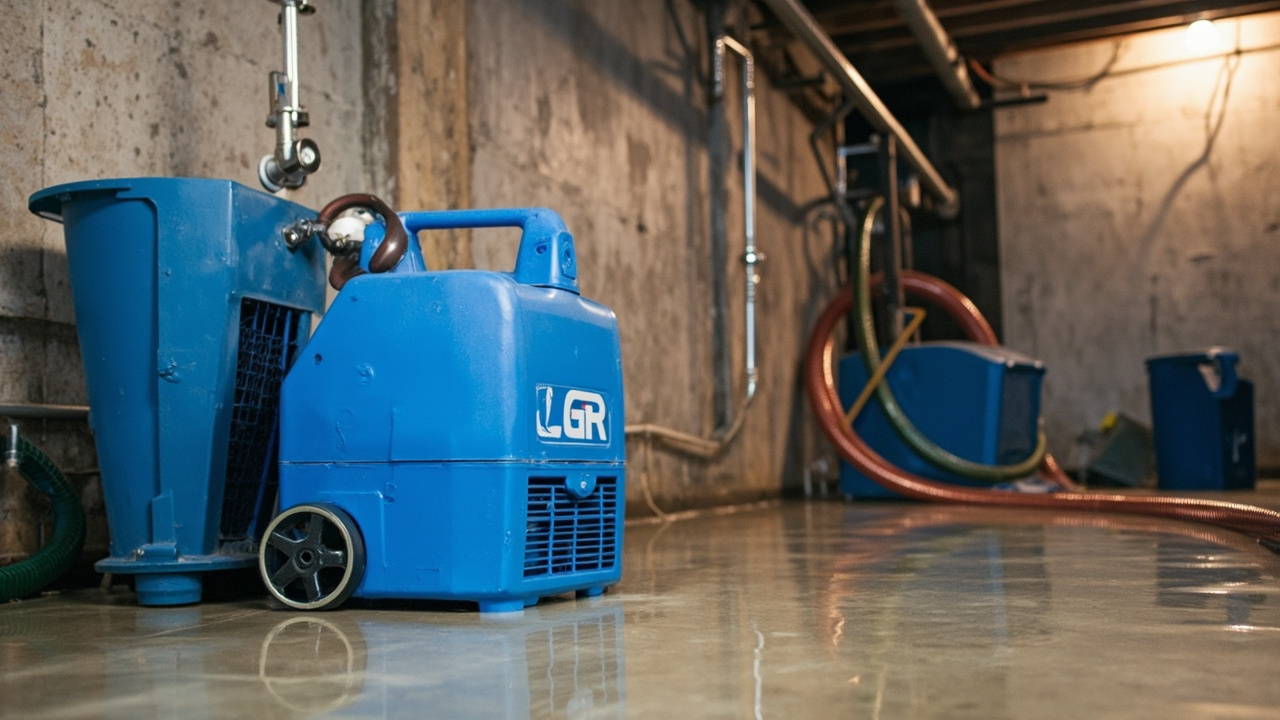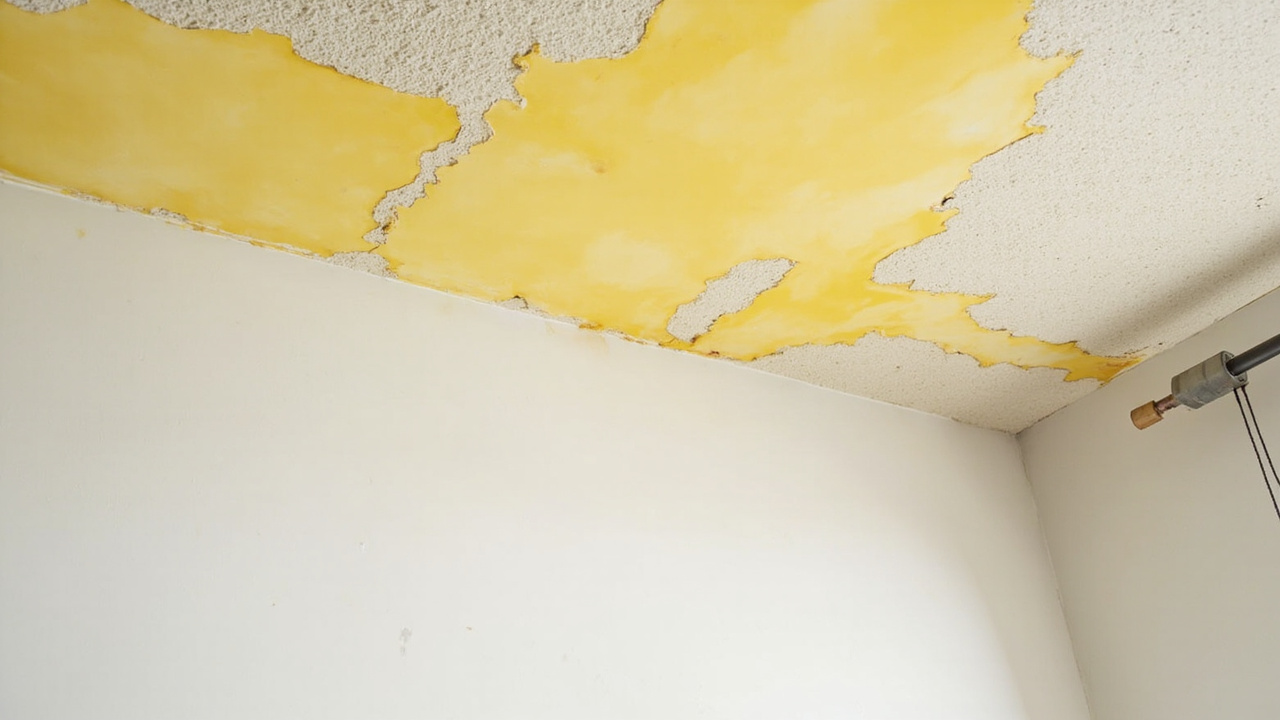







Cleveland's proximity to Lake Erie creates year-round humidity challenges that accelerate mold growth and mycotoxin production. Summer dew points regularly exceed 65 degrees, maintaining indoor relative humidity above 60 percent even with air conditioning. This moisture-saturated air condenses on cool basement walls, creating perfect conditions for Stachybotrys and Aspergillus colonization. Winter freeze-thaw cycles damage roof flashing and foundation walls, allowing water intrusion that goes unnoticed until mold symptoms appear months later. Neighborhoods within five miles of the lakeshore face the highest risk, but the entire Cuyahoga County area deals with elevated baseline humidity that supports fungal growth whenever water damage occurs.
Understanding Cleveland's specific mold challenges requires local restoration experience. Horizon Water Damage Restoration Cleveland has evaluated hundreds of homes throughout the metro area, from historic properties in Shaker Heights to newer construction in Westlake. We understand how Cleveland's building code evolution affects mold risk in homes from different eras. We know which basement waterproofing systems work in local soil conditions and which HVAC configurations prevent humidity accumulation. When you need answers about mold toxicity symptoms affecting your family, you want expertise grounded in Cleveland's actual housing conditions, not generic information from a national franchise that has never dealt with Lake Erie's microclimate effects.