



menu

How to Handle Insurance Claims in Cleveland – Expert Guidance Through Every Step of Water Damage Recovery

Get your water damage insurance claim approved faster with proven documentation strategies, direct insurer communication support, and expert mitigation services that satisfy adjuster requirements throughout Cleveland and surrounding neighborhoods.

Slider Image 1
Slider Image 2
Slider Image 3
Slider Image 4
Slider Image 5
Slider Image 7
Slider Image 8
Slider Image 9
Slider Image 10
Slider Image 11

Why Cleveland Water Damage Claims Get Denied or Delayed

Cleveland homeowners face unique water damage risks that make navigating water restoration claims especially challenging. Lake Erie's proximity creates high humidity that accelerates mold growth within 48 hours of water intrusion. Winter freeze-thaw cycles crack pipes and damage roofs, while spring storms overwhelm outdated sewer systems in older neighborhoods like Tremont and Ohio City.

Insurance companies know these patterns. They scrutinize Cleveland claims carefully, looking for documentation gaps, delayed mitigation, or pre-existing conditions. The water damage insurance claim process becomes a second crisis when you're already dealing with flooded basements or ceiling leaks.

Most denials happen because homeowners misunderstand what insurers require. You document the wrong things. You hire the wrong contractor. You wait too long to start mitigation, giving adjusters an excuse to claim the damage worsened due to negligence.

Filing a water damage claim correctly means understanding the difference between sudden accidents (covered) and gradual deterioration (not covered). It means photographing everything before you touch anything. It means knowing which drying equipment satisfies industry standards and which shortcuts will trigger claim rejections.

Cleveland's aging housing stock adds complexity. That 1920s bungalow in Lakewood has galvanized pipes, outdated electrical, and questionable waterproofing. When water hits, the adjuster will look for excuses to blame maintenance neglect rather than the storm that overwhelmed your foundation drains.

The gap between what happened and what you can prove determines whether your claim pays out or gets denied. Managing water mitigation claims requires documentation discipline most people lack during a crisis.

Why Cleveland Water Damage Claims Get Denied or Delayed
The Documentation System That Gets Claims Approved

The Documentation System That Gets Claims Approved

Atlas Water Damage Restoration Providence approaches every job as both an emergency response and an insurance documentation project. We create the evidence trail adjusters need to approve your claim without fighting.

Our technicians photograph damage conditions before moving anything. We use thermal imaging cameras to document moisture migration inside walls and ceilings, creating visual proof of saturation extent. We measure moisture content with pin and pinless meters, recording exact readings that establish baseline conditions and track drying progress.

We document the source immediately. Burst supply lines, failed appliances, roof penetrations, and sewer backups all trigger different coverage provisions. Misidentifying the source gives insurers ammunition to deny coverage based on policy exclusions.

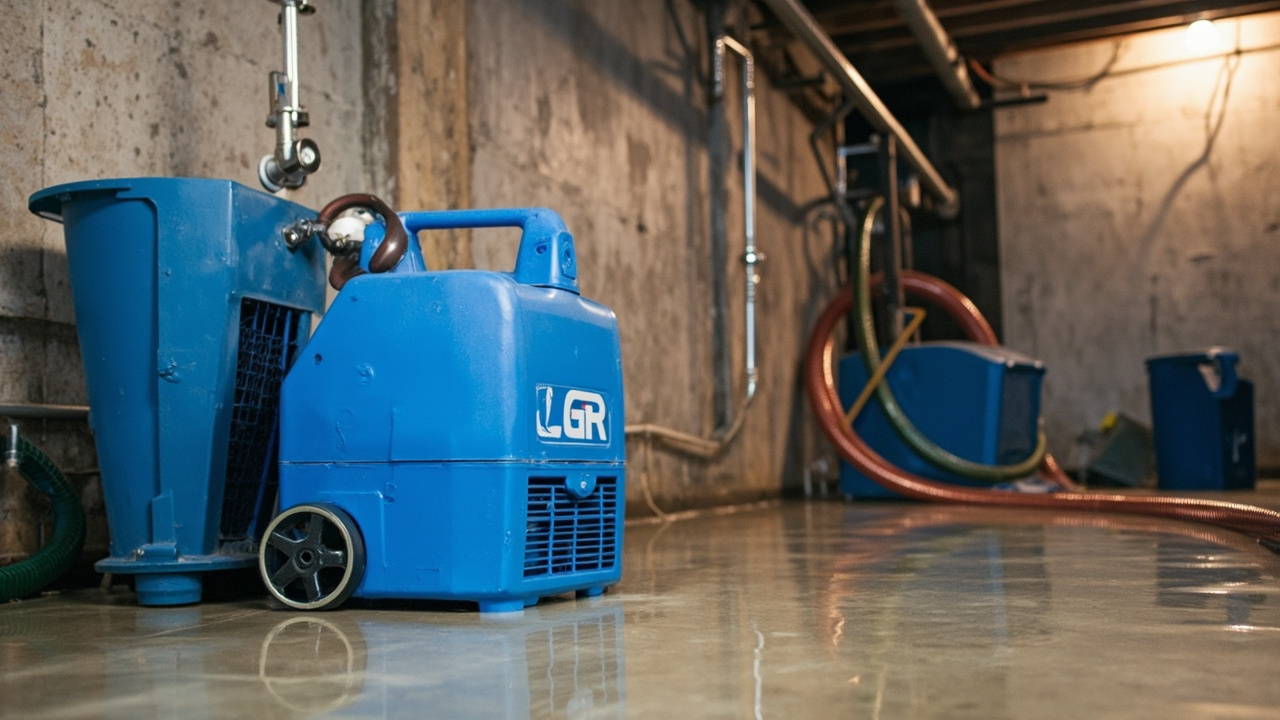
Our extraction and drying equipment meets Insurance Restoration Certification (IICRC) standards. We deploy commercial dehumidifiers, air movers, and negative air machines in configurations that create proper drying chambers. We document equipment placement with photos and maintain detailed moisture logs showing daily progress toward industry-standard dryness goals.

We communicate directly with adjusters in their language. When they ask about Class 2 versus Class 3 water damage, we provide precise answers based on IICRC S500 standards. When they question structural drying necessity, we reference psychrometric calculations and vapor pressure differentials.

Tips for water damage insurance claims start with understanding that insurers pay for proper mitigation. They want scientific drying, not hope and box fans. We provide itemized estimates separating emergency mitigation from reconstruction, making it clear what prevents additional damage versus what restores your property.

This systematic approach transforms filing a water damage claim from a confrontational negotiation into a straightforward approval process.

What Happens During Your Claim Support Process

How to Handle Insurance Claims in Cleveland – Expert Guidance Through Every Step of Water Damage Recovery
01

Immediate Loss Documentation

We arrive within hours and begin comprehensive photo documentation before starting any work. Our team captures the water source, affected areas, damaged contents, and moisture readings using calibrated meters and thermal cameras. This creates the baseline evidence your insurer needs to understand scope and validate coverage. We inventory everything affected, establishing the foundation for your property damage claim before beginning emergency mitigation work.
02

Coordinated Adjuster Communication

We contact your insurance company directly to report the loss, explain our findings, and coordinate the adjuster site visit. Our project managers speak the technical language adjusters understand, referencing IICRC standards, moisture mapping protocols, and appropriate drying classifications. We provide detailed estimates separating covered emergency services from reconstruction work, eliminating the confusion that typically delays claim approvals and creating clear expectations for all parties involved.
03

Complete Compliance Documentation

Throughout mitigation, we maintain daily moisture logs, equipment operation records, and progress photos that prove we followed industry protocols. We provide certificate of completion documentation showing your property reached structural dryness within standard timeframes. This comprehensive record package satisfies insurer requirements and protects you from future claim disputes related to incomplete drying or mold development, giving you peace of mind that the job was done right.

Why Cleveland Homeowners Choose Local Claims Expertise

Cleveland's insurance landscape has specific quirks that out-of-town restoration companies miss. Local insurers like Motorists Mutual and national carriers with strong Cleveland presence have established relationships with preferred vendor networks. We know which adjusters prioritize speed versus documentation completeness. We understand which companies routinely challenge structural drying claims and which approve standard protocols without argument.

Our familiarity with Cleveland building construction matters during claims. When an adjuster questions whether that Slavic Village double requires specialty drying because of plaster and lath construction, we explain the vapor permeability differences compared to modern drywall. When they ask about foundation seepage in University Circle's century homes, we reference the sandstone and shale substrata that creates chronic moisture management challenges.

We work extensively in Cleveland's historic districts where preservation requirements affect restoration approaches. The Landmark Commission rules for properties in Shaker Square or Detroit Shoreway influence what repairs qualify for insurance reimbursement. We guide you through these complexities so your claim reflects both insurance requirements and local building authority expectations.

Our technicians train specifically on Great Lakes region water damage patterns. Cleveland's weather creates seasonal claim spikes. Ice dam damage in February requires different documentation than summer storm flooding or fall foundation seepage. We know what evidence satisfies seasonal claim scrutiny because we handle these exact scenarios repeatedly throughout Cuyahoga County.

Atlas Water Damage Restoration Providence maintains relationships with local public adjusters, insurance attorneys, and building inspectors who support complicated claims. When your situation exceeds straightforward approval, we connect you with specialists who understand Cleveland's specific insurance and building code environment.

Choosing local expertise means working with professionals who know your neighborhood, understand your insurer's local practices, and can navigate Cleveland's unique restoration requirements without learning on your job.

What to Expect When We Handle Your Insurance Claim

Rapid Response Timeline

We answer calls 24 hours daily and typically arrive within 90 minutes throughout Cleveland and inner-ring suburbs. Our first responders carry documentation equipment and begin creating your claim evidence immediately while simultaneously starting water extraction and emergency mitigation. You do not wait days for an estimate before work begins. We start protecting your property and building your insurance case simultaneously. Initial documentation packages go to your insurer within 24 hours of our arrival, accelerating adjuster assignment and site visit scheduling while mitigation proceeds.

Thorough Damage Assessment

Our certified technicians conduct comprehensive moisture surveys using thermal imaging, penetrating and non-penetrating moisture meters, and humidity measurement tools. We test wall cavities, subfloors, and structural framing to map the complete saturation footprint. This assessment determines the IICRC damage classification, establishes drying equipment requirements, and identifies structural concerns that affect your claim scope. You receive a detailed written assessment explaining what happened, what requires mitigation, and what reconstruction will follow once drying completes. This clarity eliminates surprises during the insurance approval process.

Documented Restoration Results

We do not declare a job complete based on appearances. Our completion criteria follow IICRC S500 standards for structural drying, with final moisture readings documented in writing and compared against initial conditions. You receive photographic proof of work completed, equipment operation logs, and certificates confirming your property returned to pre-loss moisture conditions. This documentation package protects you if moisture issues resurface later and provides the evidence your insurer needs to close the claim confidently. Quality restoration means provable results, not subjective judgment.

Ongoing Claim Support

Our involvement does not end when drying finishes. We provide detailed reconstruction estimates, coordinate with your chosen contractors, and answer adjuster questions throughout the repair process. If your insurer disputes line items or coverage scope, we provide supplemental documentation explaining why specific services were necessary based on industry standards and actual site conditions. We maintain project files for years, giving you access to original documentation if future moisture issues trigger additional claims. This continuity protects your long-term interests and ensures you have expert support throughout the entire restoration timeline.

Frequently Asked Questions

You Have Questions,
We Have Answers

What not to say during an insurance claim? +

Avoid admitting fault or exaggerating damage. Do not say the damage was pre-existing or that you neglected maintenance. Never speculate about the cause if you are unsure. Refrain from accepting the first settlement offer without review. Do not sign documents without reading them completely. In Cleveland, where freeze-thaw cycles and aging infrastructure cause frequent claims, stick to facts. Document everything with photos and timestamps. Answer questions truthfully but briefly. Let evidence speak for you. If water damage involves burst pipes or roof leaks common in older Cleveland homes, describe what you observed without guessing at underlying issues.

What is the 80% rule in insurance? +

The 80% rule means you must insure your property for at least 80% of its replacement cost to receive full claim payouts. If you underinsure, the insurance company pays only a proportionate amount of the loss. For example, if your Cleveland home's replacement cost is 200,000 dollars but you insure it for only 120,000 dollars, you fall short of 80% coverage. When you file a claim, the insurer reduces your payout based on that gap. This rule hits hard in Cleveland, where home values have shifted and older homes require updated appraisals. Review your coverage annually to stay compliant.

What are the 3 D's of insurance claims? +

The 3 D's of insurance claims are Duty, Damage, and Documentation. Duty means the insurer has a contractual obligation to cover valid losses. Damage refers to the actual physical loss you sustained. Documentation is the proof you provide to support your claim. In Cleveland, where water damage from Lake Erie storms or basement flooding is common, strong documentation separates successful claims from denials. Take clear photos, save receipts, and log all communications with adjusters. Without proper documentation, even legitimate damage claims can stall. Meeting all three D's ensures you get the payout you deserve.

What are the 7 rules of insurance? +

The 7 rules of insurance include utmost good faith, insurable interest, indemnity, subrogation, contribution, proximate cause, and loss minimization. Utmost good faith requires honest disclosure. Insurable interest means you must have a financial stake in what you insure. Indemnity restores you to your pre-loss condition without profit. Subrogation lets insurers recover costs from third parties. Contribution applies when multiple policies cover the same loss. Proximate cause identifies the direct reason for damage. Loss minimization obligates you to prevent further damage. In Cleveland, where rapid response to water damage is critical, loss minimization is especially important. Failing to mitigate can reduce your claim.

How Cleveland's Aging Infrastructure Complicates Water Damage Claims

Cleveland's combined sewer system, serving much of the city's older neighborhoods, creates unique claim challenges when basement backups occur. Insurers distinguish between sewer backup coverage and groundwater seepage coverage, and proving which caused your flooding determines whether your claim pays. Our technicians document evidence like sewer gas odor, contamination characteristics, and overflow timing relative to storm events. We understand that neighborhoods near the Cuyahoga River face higher groundwater tables during spring melt, while lakefront properties in Edgewater and Bratenahl deal with storm surge that overwhelms antiquated drainage systems. This local knowledge shapes how we document your specific situation.

Cleveland's building code requirements and insurance expectations sometimes conflict, especially in historic districts where preservation mandates affect restoration methods. Our relationships with the city's Building and Housing Department help navigate situations where code-compliant repairs differ from insurance-approved restoration approaches. We work regularly with adjusters from carriers with significant Cleveland market share, understanding their documentation preferences and approval workflows. This familiarity with both local building standards and regional insurance practices means your claim moves through the process efficiently, without the delays that happen when national restoration chains encounter Cleveland-specific requirements they have never navigated before.
Water Damage Restoration Services in The Cleveland Area

Horizon Water Damage Restoration Cleveland proudly serves the entire Cleveland area and its surrounding communities. Our team is strategically located to ensure a rapid response to your water damage emergency. We are committed to being there for you when you need us most. Please view the map to see our service area and feel free to reach out to us with any questions or for immediate assistance.

Address:
Horizon Water Damage Restoration Cleveland, 3224 Prospect Ave E, Cleveland, OH, 44115

Additional Services We Offer

Our news updates

Latest Articles & News from The Blogs

South Euclid basements face a relentless battle against groundwater due to the heavy clay soil common across the Cleveland metro…

Why South Euclid homeowners need more than a standard dehumidifier for wet basements

South Euclid basements face a relentless battle against groundwater due to the heavy clay soil common across the Cleveland metro…

Why your air conditioner is leaking through the ceiling in Broadview Heights

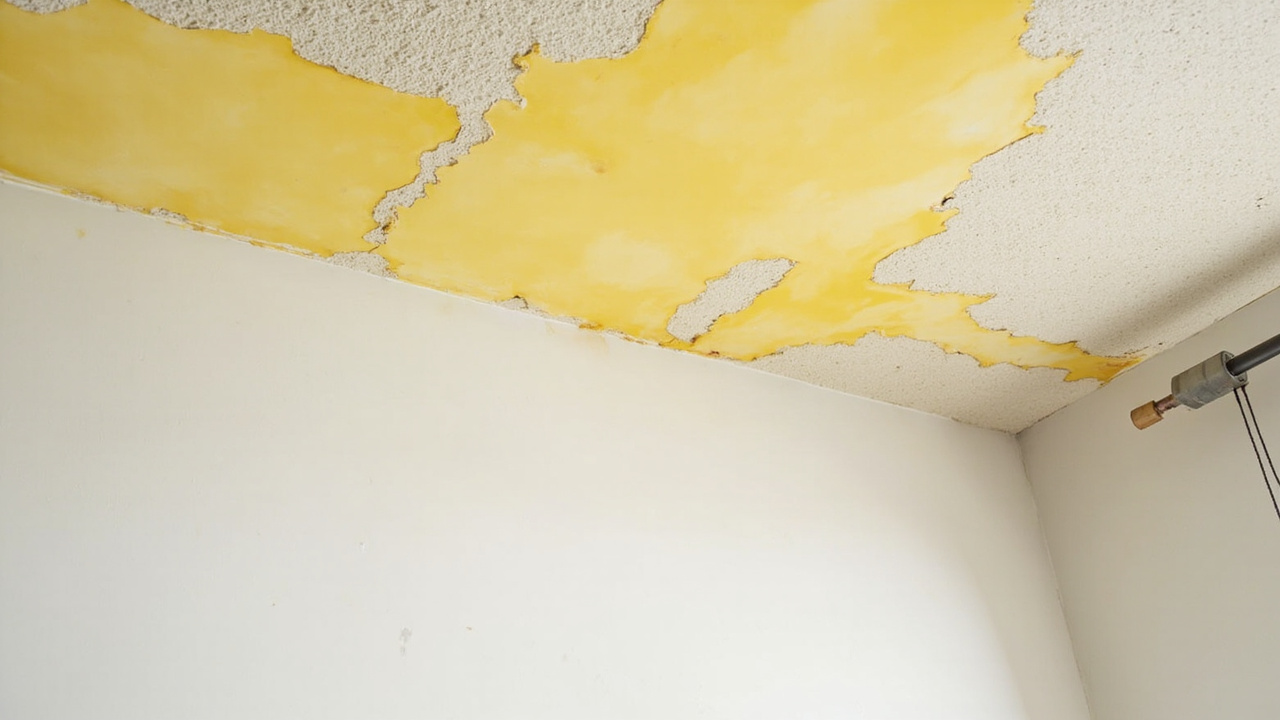
AC Condensate Leak Water Damage Solutions for Cleveland Homeowners A yellow stain appearing on your second floor ceiling often signals…

Can Water Get Trapped Under the Tile in Your Woodmere Kitchen

Water trapped under kitchen tile is a hidden threat for many Woodmere homeowners. You might see a beautiful porcelain or…

Contact Us

Stop fighting your insurance company alone. Call Atlas Water Damage Restoration Providence at (216) 547-1277 for immediate response and professional claim documentation that gets approvals. We handle the technical details while you focus on getting your life back to normal.