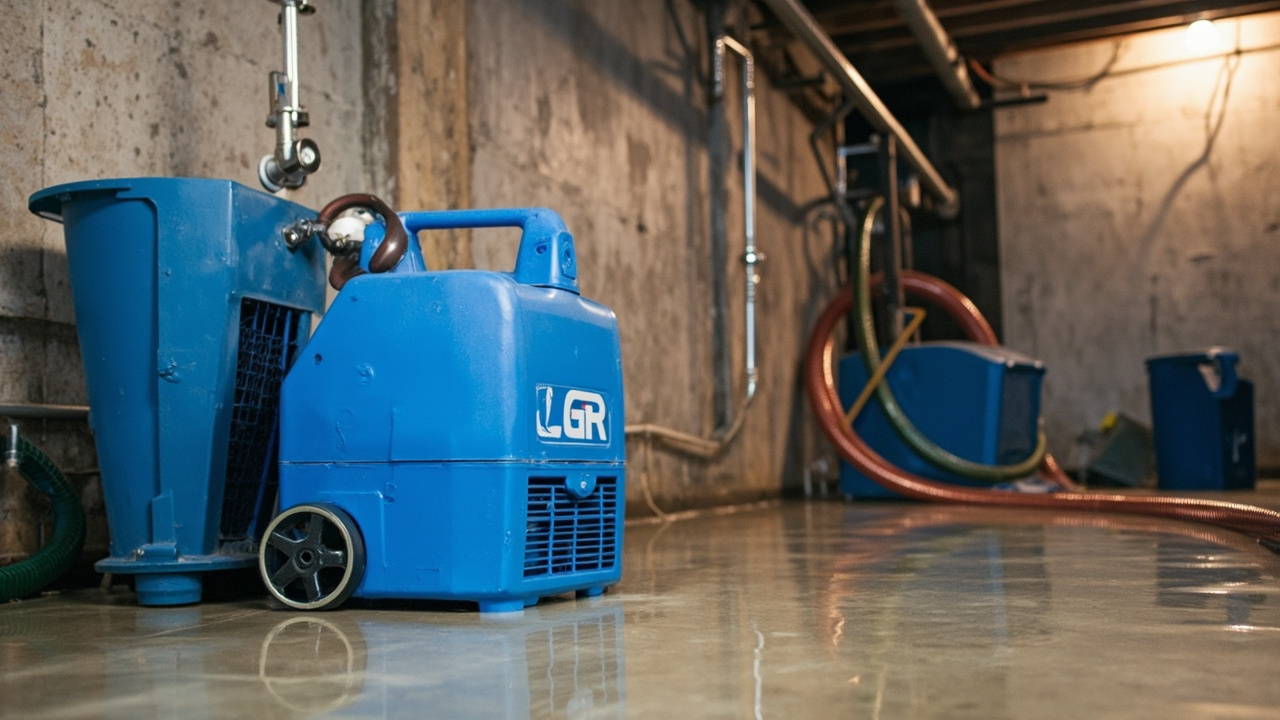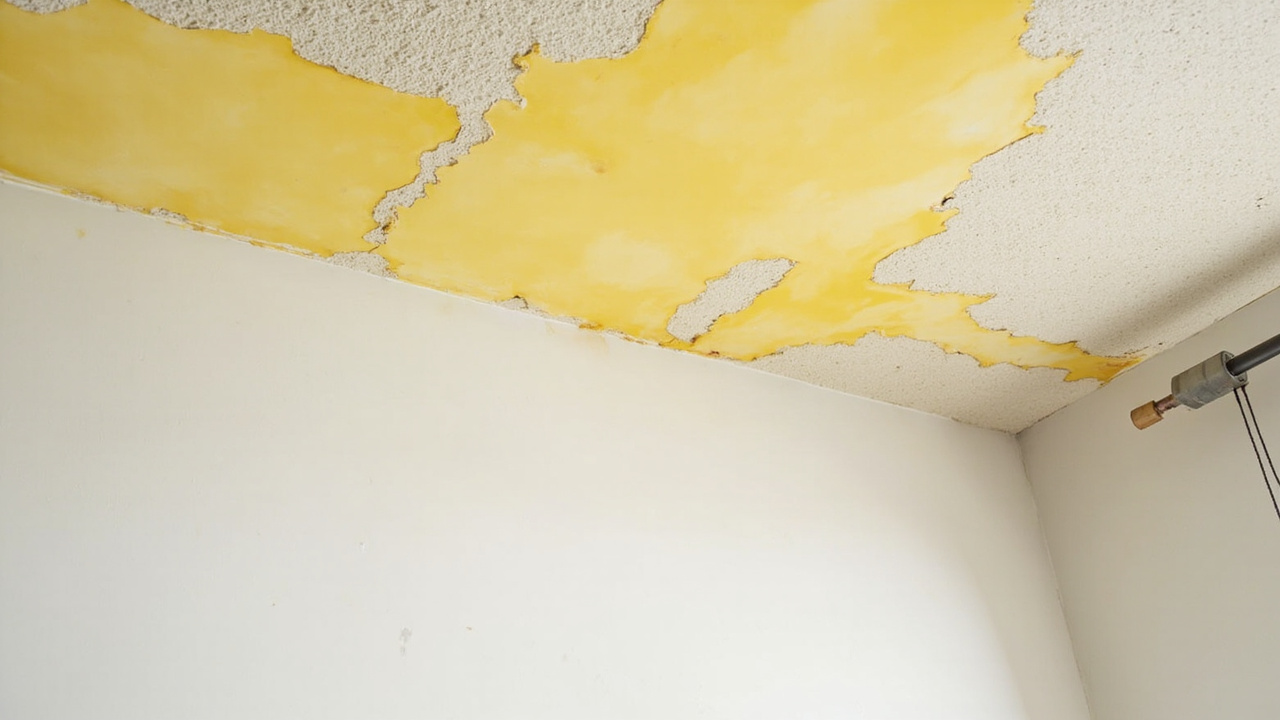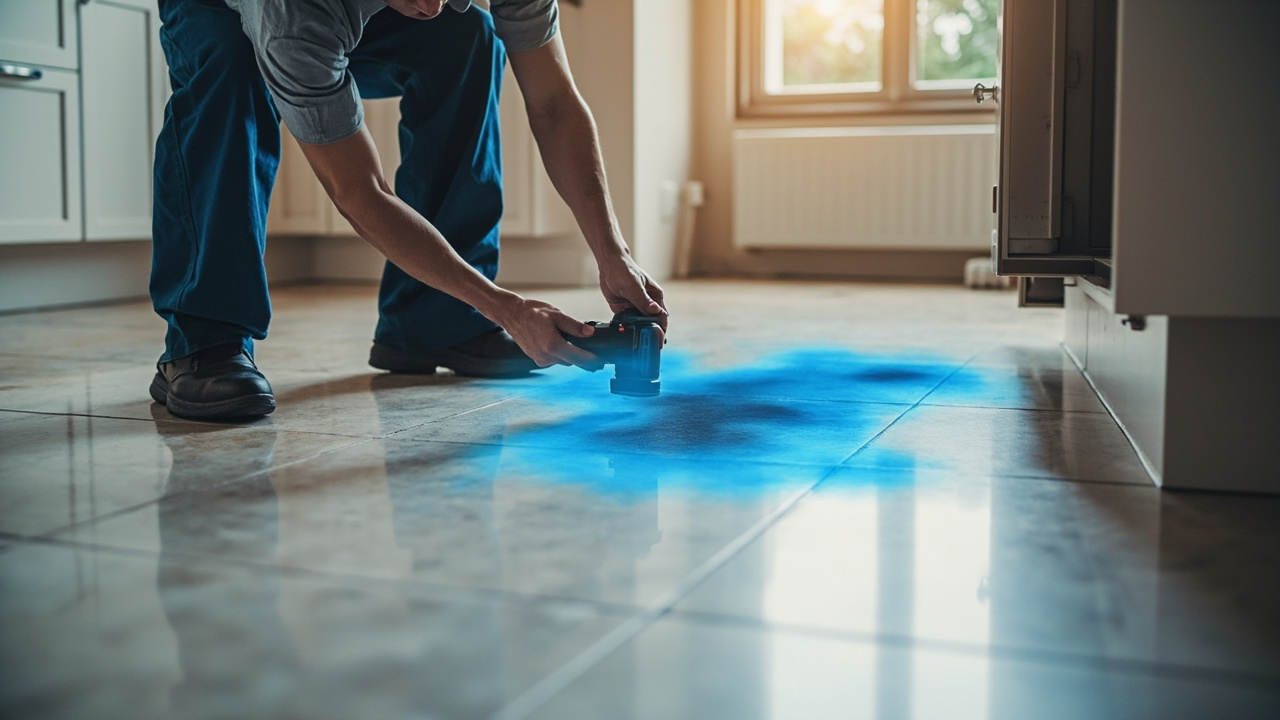






Cleveland's location on Lake Erie creates average relative humidity levels above 70 percent for much of the year, significantly higher than inland cities at the same latitude. This ambient moisture means office buildings here never fully dry out between weather events. When a water intrusion occurs, whether from plumbing failure or roof leaks common in aging buildings along Euclid Avenue or in the Gateway District, the existing humidity prevents natural evaporation. Materials stay wet longer, mold colonization happens faster, and secondary damage spreads into adjacent spaces. Commercial building water extraction must account for this baseline moisture load and use more aggressive dehumidification than would be necessary in drier climates.
Commercial restoration work in Cleveland must address city code enforcement timelines and the specific requirements of the Cleveland Department of Building and Housing. Office buildings classified under Group B occupancy have strict timelines for returning spaces to safe occupancy after water events. We work directly with city inspectors to schedule required inspections and ensure all drying work meets municipal code before you reoccupy affected spaces. This local knowledge prevents delays that can extend business interruption and increase your lost revenue exposure. Our established relationships with local adjusters and code officials move projects through approval processes faster than out-of-area restoration companies unfamiliar with Cleveland's specific requirements.