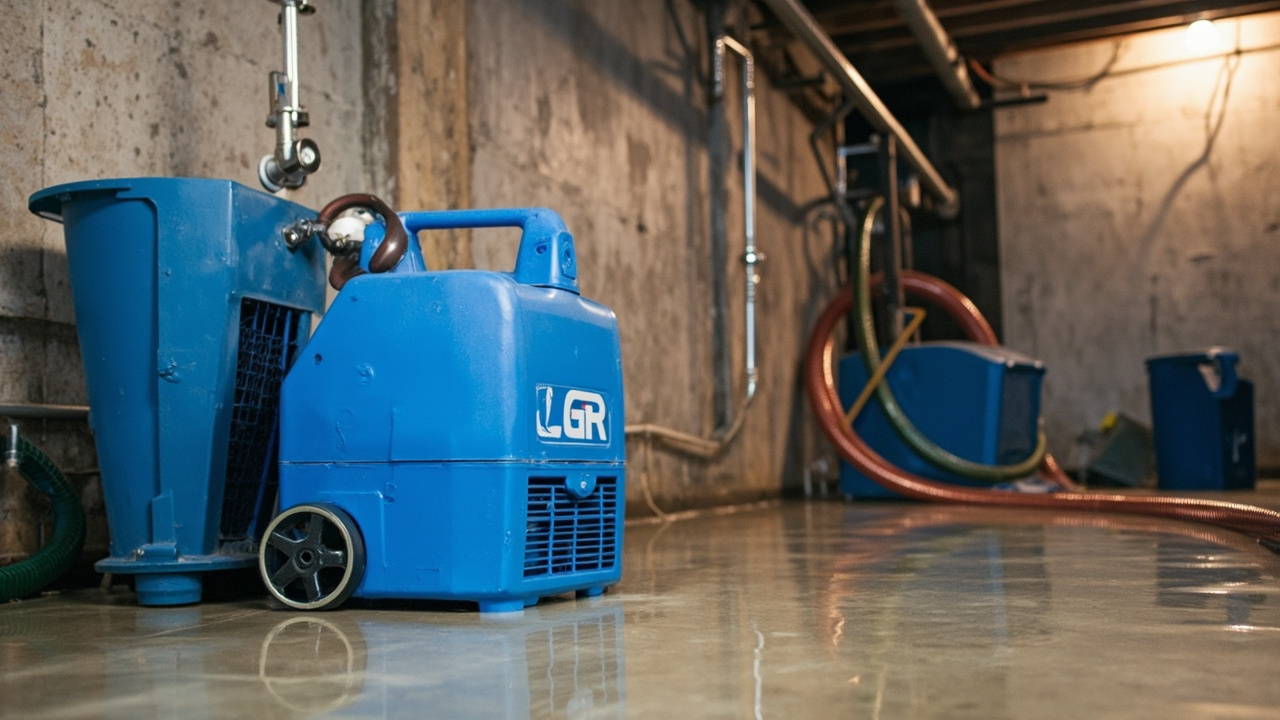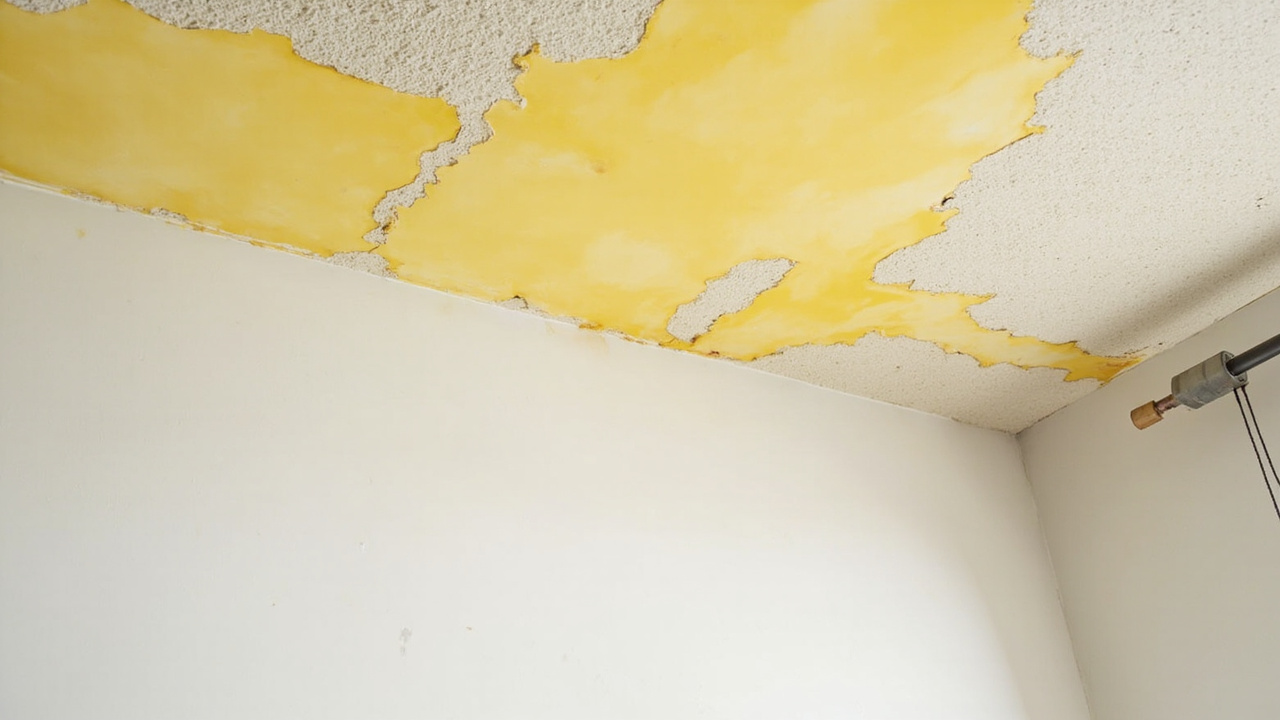







Cleveland's position on Lake Erie generates weather systems that dump intense rainfall in short periods. Lake-effect storms stall over the city when warm lake water meets cold air masses, producing three to four inches of rain in under two hours. The city's combined sewer system, built in the early 1900s, cannot handle this volume. Neighborhoods in the Flats, Edgewater, and areas near the Rocky River see regular basement flooding when storm drains back up. Clay soil common throughout Cuyahoga County prevents water absorption, forcing runoff toward foundations and creating hydrostatic pressure that drives water through basement walls and floor cracks.
Rapid storm water extraction requires understanding how Cleveland properties are built. Homes constructed before 1950 often lack proper foundation waterproofing and rely on gravity drainage systems that fail during major storms. Our technicians train on the specific construction methods used in Cleveland's historic neighborhoods. We understand how to dry plaster walls without causing additional cracking and when wooden floor joists have absorbed too much water to salvage. This local expertise prevents the costly mistakes that happen when national companies apply generic solutions to Cleveland's unique building stock and weather challenges.