


menu

Water Mitigation vs Restoration in Cleveland – Understanding the Critical Difference When Your Property Floods

Learn exactly when you need water mitigation versus full restoration services in Cleveland, how each process protects your property differently, and why knowing the difference between water mitigation and restoration can save you thousands in unnecessary repairs.

Slider Image 1
Slider Image 2
Slider Image 3
Slider Image 4
Slider Image 5
Slider Image 7
Slider Image 8
Slider Image 9
Slider Image 10
Slider Image 11

Why Cleveland Property Owners Confuse Water Mitigation and Restoration

When your basement floods during Cleveland's brutal freeze-thaw cycles or when a pipe bursts in Old Brooklyn, you need help fast. The question is what kind of help. Most Cleveland homeowners use the terms water mitigation and restoration interchangeably, but they describe completely different processes with different timelines and different costs.

Water mitigation vs restoration is not a trivial distinction. Mitigation happens first. It stops the damage from spreading. Restoration happens later. It rebuilds what was damaged. If you call for restoration when you actually need mitigation, you waste valuable hours while water seeps into your subfloor and wall cavities.

Cleveland's clay soil creates hydrostatic pressure against basement foundations, especially during spring thaws and summer storms. When water breaches your foundation, you have roughly 24 to 48 hours before mold colonization begins. That window defines the difference between water mitigation and restoration. Mitigation extracts standing water, removes saturated materials, and dries the structure. Restoration replaces drywall, installs new flooring, and repaints walls.

Water damage mitigation vs restoration also differs in insurance coverage. Most policies cover emergency mitigation immediately. Restoration requires adjuster approval and a scope of loss. Understanding water remediation vs restoration prevents you from waiting days for restoration crews when you need extraction equipment running within hours. The terms water cleanup vs water repair capture the same concept. Cleanup is mitigation. Repair is restoration. One stops the bleeding. The other heals the wound.

Why Cleveland Property Owners Confuse Water Mitigation and Restoration
How Mitigation and Restoration Work Together in Cleveland Water Emergencies

How Mitigation and Restoration Work Together in Cleveland Water Emergencies

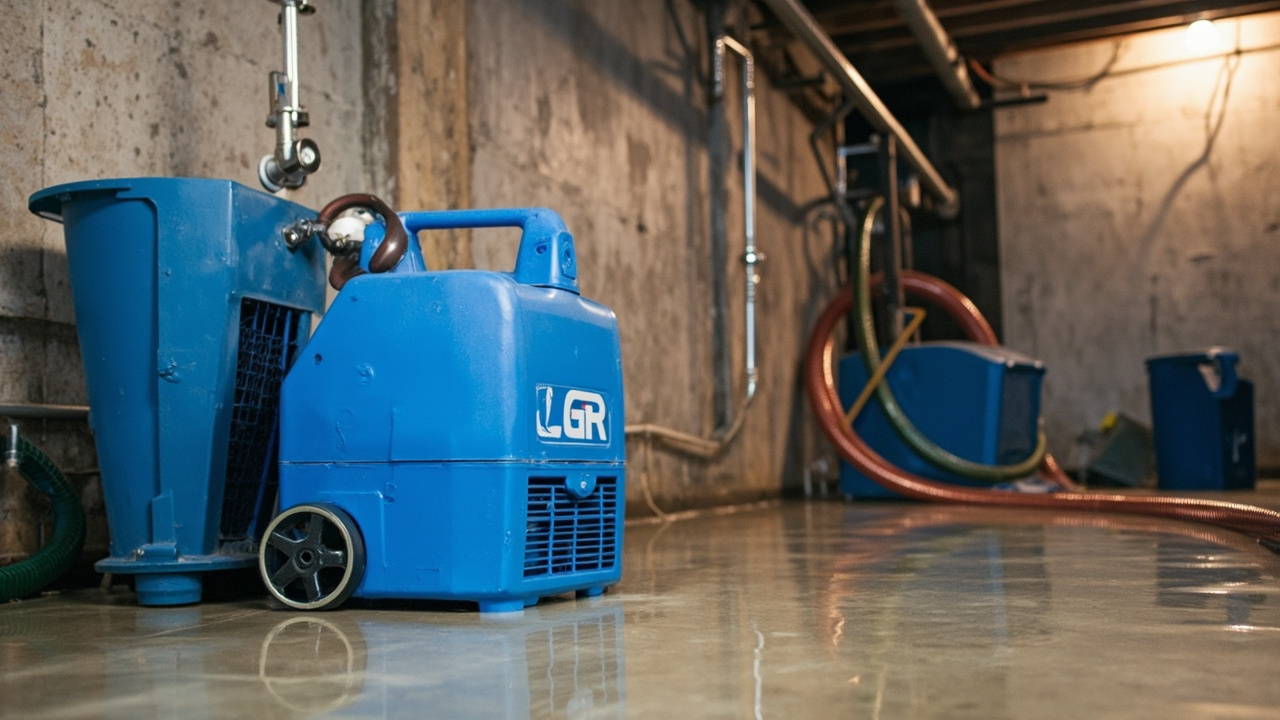
Water mitigation starts the moment we arrive at your Cleveland property. We use thermal imaging cameras to map moisture intrusion behind walls and under floors. We deploy truck-mounted extraction units to pull standing water from carpets and concrete. We position commercial dehumidifiers and air movers to create controlled drying environments. This is mitigation. We are stopping secondary damage.

The mitigation phase addresses the immediate threat. We remove baseboards to allow airflow into wall cavities. We pull back carpet and padding to expose subflooring. We document moisture readings with penetrating and non-invasive meters. We monitor drying progress daily until moisture content returns to normal ranges. This process takes three to seven days depending on the extent of water intrusion and Cleveland's ambient humidity levels.

Restoration begins only after mitigation confirms the structure is dry. We cannot install new drywall over damp studs. We cannot lay hardwood flooring over a subfloor reading 18 percent moisture content. The difference between water mitigation and restoration shows up clearly in the tools we use. Mitigation uses moisture meters, extraction wands, and desiccant dehumidifiers. Restoration uses saws, nail guns, and paint sprayers.

Water damage mitigation vs restoration also differs in urgency. Mitigation is an emergency response. Restoration follows a construction schedule. If your Tremont home floods on Sunday morning, mitigation crews arrive within hours. Restoration crews arrive after insurance approval and material ordering, which takes days or weeks. Understanding this sequence prevents frustration and sets realistic expectations for your property recovery timeline.

What Happens From Emergency Call to Final Repair

Water Mitigation vs Restoration in Cleveland – Understanding the Critical Difference When Your Property Floods
01

Emergency Mitigation Response

Within 60 minutes of your call, our Cleveland crews arrive with extraction equipment and moisture detection tools. We stop active water sources, remove standing water, and document damage with photos and moisture readings. This phase focuses exclusively on preventing further deterioration. We establish drying zones, position equipment, and create airflow patterns that accelerate evaporation. Insurance notification happens during this first visit to expedite claims processing.
02

Controlled Drying and Monitoring

We monitor your property daily, adjusting dehumidifier settings and air mover positions based on moisture meter readings. Drying typically requires three to seven days depending on material saturation levels and seasonal humidity. We document progress with daily logs that satisfy insurance requirements. This mitigation phase ends when all affected materials reach acceptable moisture content. Only then do we transition to restoration planning and scheduling with your insurance adjuster.
03

Restoration and Reconstruction

After mitigation confirms dry conditions, restoration crews rebuild damaged areas. We replace drywall, install new flooring, repaint walls, and reinstall trim work. This phase follows standard construction timelines and requires material ordering and subcontractor scheduling. The restoration process returns your Cleveland property to pre-loss condition. Final walkthroughs verify quality and completeness. This phase can take weeks depending on the scope of reconstruction required after severe flooding events.

Why Cleveland Homeowners Trust Horizon Water Damage Restoration for Both Phases

We handle both water mitigation and restoration under one roof, which eliminates the coordination nightmare of managing separate companies. When your Edgewater condo floods, you make one phone call. We dispatch mitigation crews immediately, then transition seamlessly to restoration when drying completes. This continuity prevents communication breakdowns and finger-pointing between contractors.

Our Cleveland crews understand local building codes and the specific challenges of restoring homes in historic districts like Ohio City and Detroit Shoreway. We know which materials meet current code requirements and how to navigate variance requests when restoring older properties. This local expertise matters when insurance adjusters question repair methods or material selections.

We work directly with your insurance company to document both mitigation and restoration phases. Our estimating software integrates with major insurance platforms, which speeds approval and reduces back-and-forth negotiations. We photograph damage progression, maintain detailed moisture logs, and provide itemized estimates that align with Xactimate pricing. This documentation protects you from claim denials and ensures fair settlement amounts.

The difference between water mitigation and restoration becomes clear when you see our equipment inventory and trained technicians. We maintain truck-mounted extraction units, thermal imaging cameras, industrial dehumidifiers, and air scrubbers for mitigation work. We also employ licensed carpenters, electricians, and painters for restoration work. Most companies specialize in one phase or the other. We excel at both because Cleveland properties deserve complete recovery, not patchwork solutions from multiple vendors who blame each other when problems arise.

What to Expect When You Call Horizon Water Damage Restoration

Immediate Dispatch and Arrival

We answer emergency calls 24 hours a day, 365 days a year. When you call our Cleveland office, you speak with a trained technician who dispatches crews immediately. Our average response time is 60 minutes for properties within Cuyahoga County. We arrive with extraction equipment, moisture meters, and documentation tools. The initial visit includes water removal, damage assessment, and equipment placement. We contact your insurance company during this first visit to initiate the claims process and establish a documented timeline. Speed matters in mitigation. Every hour of delay increases secondary damage and mold risk.

Thorough Damage Assessment and Moisture Mapping

We use thermal imaging cameras and penetrating moisture meters to identify hidden water intrusion behind walls, under flooring, and in ceiling cavities. Our technicians document moisture readings in multiple locations to create a drying plan specific to your property layout and construction materials. We classify water damage according to IICRC standards, which determines drying equipment requirements and expected drying time. This assessment separates clean water losses from contaminated water events, which changes mitigation protocols and safety procedures. We provide written documentation with photos, moisture readings, and equipment inventories that satisfy insurance requirements and establish baseline conditions for measuring drying progress.

Complete Structural Drying and Restoration

Mitigation continues until moisture meters confirm all affected materials have returned to normal moisture content levels. We monitor progress daily and adjust equipment positioning to optimize drying efficiency. Once drying completes, our restoration crews rebuild damaged areas using materials that match your existing finishes. We coordinate with your insurance adjuster to finalize the scope of work and obtain approval before starting reconstruction. Our goal is to return your Cleveland property to pre-loss condition, not just patch visible damage. We match paint colors, flooring patterns, and trim profiles to maintain aesthetic consistency throughout your home.

Post-Restoration Follow-Up and Prevention Guidance

After restoration completes, we conduct a final walkthrough to verify quality and address any concerns. We provide guidance on preventing future water damage, including recommendations for sump pump maintenance, downspout extensions, and foundation waterproofing. If your Cleveland property experienced flooding due to plumbing failures or appliance malfunctions, we explain what caused the problem and suggest preventive measures. We document final moisture readings and photograph completed restoration work for your records and insurance file. Our work comes with documentation that protects your investment and provides peace of mind that the job was completed properly.

Frequently Asked Questions

You Have Questions,
We Have Answers

What is the difference between water mitigation and restoration? +

Water mitigation is the immediate emergency response to stop water damage from spreading. This includes water extraction, drying equipment setup, and containment. Restoration comes after mitigation. It involves repairing and rebuilding damaged structures like drywall, flooring, and cabinets to pre-loss condition. Think of mitigation as stopping the bleeding and restoration as the surgery. In Cleveland, quick mitigation matters because our humidity levels accelerate mold growth within 24-48 hours. Both services are necessary, but mitigation always happens first to prevent further damage.

What is mitigation and restoration? +

Mitigation is the urgent response phase that stops ongoing damage. You remove water, dry the structure, and prevent secondary issues like mold. Restoration rebuilds what was damaged. You replace drywall, repair flooring, and repaint walls. Cleveland homes often need both services after basement flooding from Lake Erie weather systems or burst pipes during winter freeze-thaw cycles. Mitigation technicians use extraction equipment and dehumidifiers. Restoration crews handle reconstruction. Most water damage companies in the Cleveland metro area provide both services, moving seamlessly from emergency response to full rebuild.

What does water mitigation mean? +

Water mitigation means taking immediate action to reduce or prevent further damage from water intrusion. The goal is to stabilize the situation quickly. You extract standing water, set up industrial air movers and dehumidifiers, and document moisture levels. In Cleveland, mitigation must start within hours because our seasonal humidity creates ideal conditions for mold. The process includes removing wet materials that cannot be saved, treating affected areas with antimicrobials, and monitoring moisture readings daily. Mitigation ends when the structure is dry and stable. Restoration begins after that.

What is the difference between remediation and restoration? +

Remediation removes contamination and treats the source of the problem. You remediate mold or sewage by eliminating the hazard completely. Restoration repairs and rebuilds damaged structures to pre-loss condition. Remediation focuses on health and safety. Restoration focuses on cosmetic and structural repair. Many Cleveland water damage jobs require both. If you have sewage backup in Old Brooklyn or mold growth in a Lakewood basement, remediation comes first to address contamination. Then restoration repairs the drywall and flooring. Remediation is specialized work requiring containment barriers and air scrubbers.

Is it hard to sell a house that has had mold remediation? +

Not if remediation was done correctly and documented. Most Cleveland buyers understand that mold happens in our humid climate, especially in older homes near Lake Erie. The key is disclosure and proof of professional work. Keep all receipts, certificates of completion, and post-remediation testing results. Buyers want to see that a licensed company identified the moisture source, removed affected materials properly, and verified clearance with air testing. Properties in Cleveland Heights and Shaker Heights sell successfully after remediation when you show the problem was fixed right. Transparency builds buyer confidence.

Does insurance pay for water mitigation? +

Most homeowner policies cover sudden and accidental water damage mitigation, like burst pipes or storm flooding. Your insurer wants you to mitigate quickly to prevent larger claims. Cleveland homeowners should document everything with photos and call their insurance company immediately. Gradual damage from leaks or poor maintenance typically is not covered. Flood damage requires separate flood insurance, which matters in Cleveland flood zones near the Cuyahoga River. Always start mitigation to protect your property, even before claim approval. Delays cause mold growth, which insurers may deny as preventable damage.

When to call a water restoration company? +

Call immediately when you discover water intrusion. Every hour delays mold growth in Cleveland's humid climate. You need professional help when water affects multiple rooms, comes from contaminated sources like sewage, or enters through the foundation. DIY extraction with a shop vac works for small spills. Anything larger requires industrial equipment. If water damage follows a burst pipe, roof leak during winter storms, or basement flooding after heavy rain in the Cleveland metro, call right away. Professionals have thermal imaging cameras to find hidden moisture in walls and subfloors you cannot see.

What are 5 examples of mitigation? +

Five water mitigation examples are water extraction using truck-mounted pumps, placement of commercial dehumidifiers to pull moisture from air, setting up high-velocity air movers to accelerate drying, removing wet carpet padding and baseboards to prevent mold, and applying antimicrobial treatments to affected surfaces. In Cleveland, mitigation also includes monitoring indoor humidity levels daily because our Lake Erie weather creates moisture problems. Another example is cutting flood cuts in drywall to remove saturated sections while saving the studs. Each step reduces damage severity and prevents secondary issues like structural rot or mold colonization.

Do you mitigate or remediate mold? +

You remediate mold. Mitigation is the immediate water removal to prevent mold from starting. Remediation is the actual mold removal process once it has grown. Cleveland homes need mold remediation when you see visible growth or smell musty odors after water damage. Remediation requires containment barriers, negative air pressure, HEPA filtration, and proper disposal of contaminated materials. The confusion happens because water mitigation prevents mold, but once mold establishes itself in your Tremont Victorian or Collinwood bungalow, you need full remediation protocols. Water damage companies handle both services but use different techniques and safety equipment.

Is water damage restoration worth it? +

Yes. Ignoring water damage in Cleveland leads to mold growth, structural rot, and decreased property value. Professional restoration costs less than replacing entire floor systems or remediating widespread mold later. Our freeze-thaw cycles and humidity make water damage progressive. A small leak becomes a major problem quickly. Restoration preserves your investment and protects your family from health hazards. Insurance often covers restoration costs for covered losses, making it financially smart. Homes in Cleveland neighborhoods like Ohio City and Detroit Shoreway maintain value when damage is addressed professionally and documented properly. Prevention through quick restoration saves thousands long-term.

How Cleveland's Lake Effect Weather Makes Understanding Mitigation vs Restoration Essential

Cleveland sits on Lake Erie's southern shore, which creates lake effect precipitation that dumps heavy snow in winter and intense rain in spring and fall. These weather patterns stress aging infrastructure throughout the city, from Lakewood to Cleveland Heights. Basement flooding spikes during rapid snowmelt events when frozen ground cannot absorb runoff. Understanding water damage mitigation vs restoration matters because Cleveland homeowners face seasonal flooding risks that require immediate mitigation response. Waiting for restoration crews when you need extraction equipment allows water to saturate floor joists and wall studs, which multiplies repair costs and extends timelines. Cleveland's humid summers slow natural drying, which makes commercial dehumidification critical during the mitigation phase.

Horizon Water Damage Restoration maintains local operations in Cleveland because responding to water emergencies requires understanding regional construction methods and weather patterns. Our technicians know that homes in Shaker Heights have different foundation types than properties in Westlake. We stock equipment appropriate for Cleveland's climate, including refrigerant and desiccant dehumidifiers that handle high ambient humidity. Our estimators understand local building code requirements and work with Cleveland inspectors regularly. This local expertise ensures your mitigation and restoration work meets city standards and insurance requirements. Choosing a Cleveland-based water damage company means faster response times, familiarity with local insurance adjusters, and crews who understand how Lake Erie weather impacts your property year-round.
Water Damage Restoration Services in The Cleveland Area

Horizon Water Damage Restoration Cleveland proudly serves the entire Cleveland area and its surrounding communities. Our team is strategically located to ensure a rapid response to your water damage emergency. We are committed to being there for you when you need us most. Please view the map to see our service area and feel free to reach out to us with any questions or for immediate assistance.

Address:
Horizon Water Damage Restoration Cleveland, 3224 Prospect Ave E, Cleveland, OH, 44115

Additional Services We Offer

Our news updates

Latest Articles & News from The Blogs

South Euclid basements face a relentless battle against groundwater due to the heavy clay soil common across the Cleveland metro…

Why South Euclid homeowners need more than a standard dehumidifier for wet basements

South Euclid basements face a relentless battle against groundwater due to the heavy clay soil common across the Cleveland metro…

Why your air conditioner is leaking through the ceiling in Broadview Heights

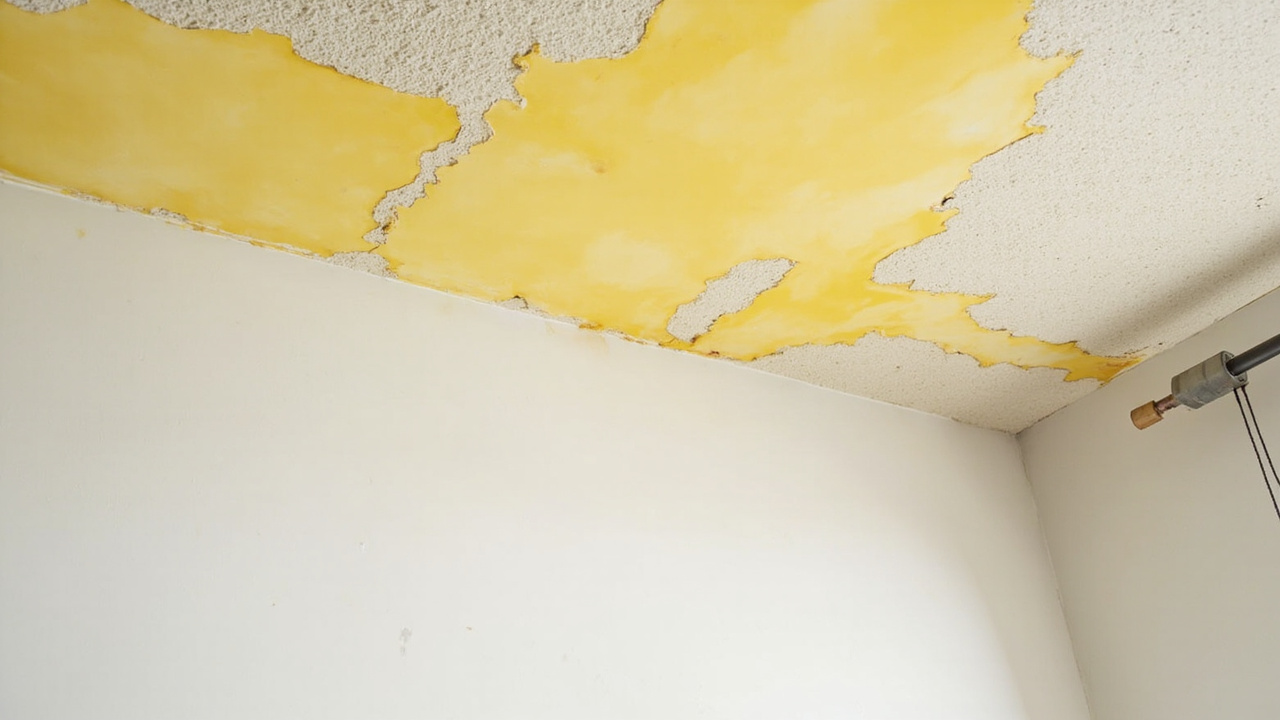
AC Condensate Leak Water Damage Solutions for Cleveland Homeowners A yellow stain appearing on your second floor ceiling often signals…

Can Water Get Trapped Under the Tile in Your Woodmere Kitchen

Water trapped under kitchen tile is a hidden threat for many Woodmere homeowners. You might see a beautiful porcelain or…

Contact Us

Water damage requires immediate attention. Call Horizon Water Damage Restoration at (216) 547-1277 right now for emergency mitigation or restoration services. Our Cleveland crews respond 24/7 with the equipment and expertise to protect your property and navigate your insurance claim efficiently.