
Recognizing crawl space moisture problems in Sagamore Hills
Sagamore Hills homeowners face specific challenges when it comes to foundation and crawl space health. The village sits on a mix of heavy clay soils that trap water against basement walls and crawl space footers. This hydrostatic pressure forces moisture through porous concrete and into the air under your home. If you notice a damp feeling in your living room or smell something off when you open a closet, your crawl space likely needs professional drying. Ignoring these signs leads to rot and expensive structural repairs. Addressing the issue early saves thousands of dollars in long term damage. Professional drying involves more than just pointing a fan at a puddle. It requires an understanding of psychrometry and air movement to ensure the wooden floor joists do not remain saturated.
Many residents in the 44067 zip code area do not realize their crawl space is wet until the damage reaches the upper floors. You might see hardwood floors starting to cup or feel soft spots in the subfloor near your kitchen. These are symptoms of high moisture levels originating from below. If you are finding the Best Water Damage Restoration Pros in Cleveland, you need experts who understand the specific topography of Summit County. The rolling hills and valleys near the Cuyahoga River create drainage patterns that often send groundwater directly into local residential foundations.
The impact of Summit County clay soil on your foundation
Sagamore Hills is known for Mahoning and Canfield soil types. These soils contain high amounts of clay that expand when wet and shrink when dry. This cycle creates gaps along your foundation where water pools during heavy Northeast Ohio rainstorms. When the ground becomes saturated, the water has nowhere to go but inside your crawl space. This is not just a seasonal issue. Current 2026 weather patterns show more frequent and intense rain events in the Great Lakes region, making crawl space maintenance more critical than ever.
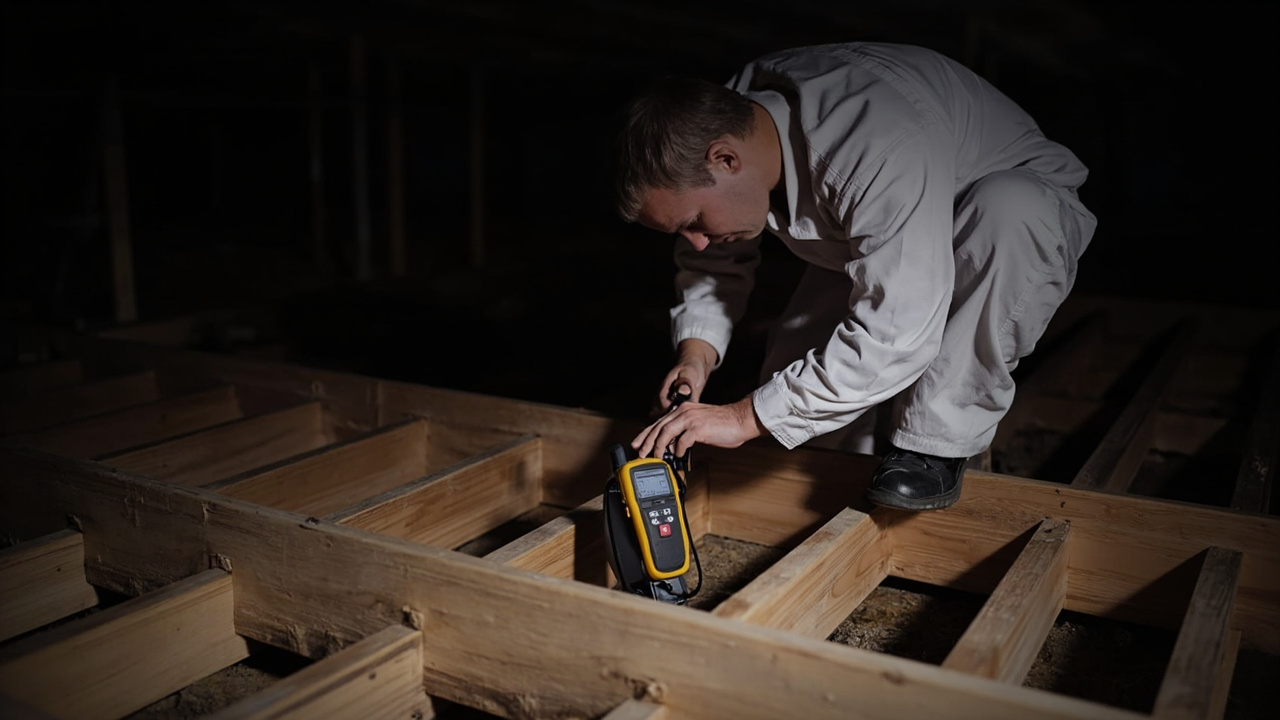
When water enters a crawl space, it often brings organic matter and silt. This creates a breeding ground for bacteria. Standing water is the most obvious sign you need help, but even high humidity levels are dangerous. Professionals use moisture meters to check the percentage of water inside the wood. If your joists have a moisture content above eighteen percent, mold will start to grow. You may need to look into professional mold remediation for Shaker Heights homeowners protecting your historic property if you also own properties in that area, as the same moisture principles apply to all local structural wood.
Visible signs your crawl space requires immediate attention
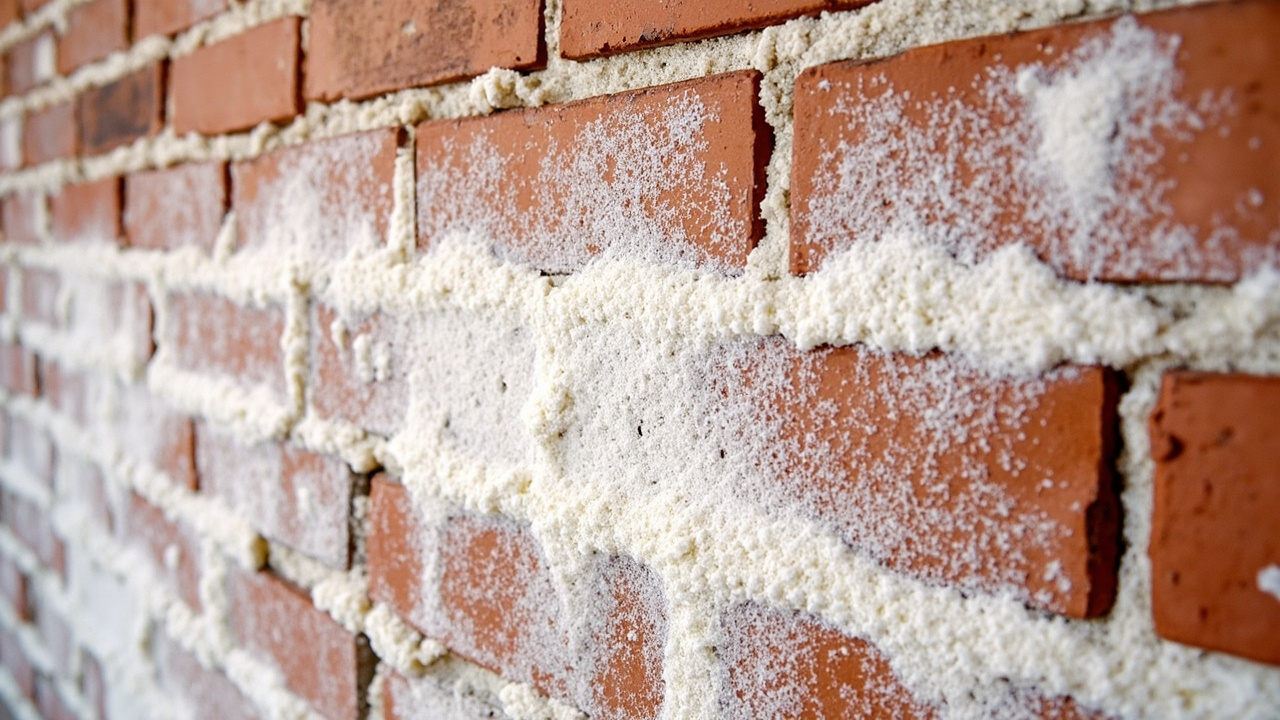
You should inspect your crawl space at least once every season. If you are uncomfortable going down there, look for these signs from the exterior or the first floor of your home. Efflorescence is a common indicator. This is a white powdery substance that appears on brick or concrete walls. It is actually salt left behind when water evaporates. If you see this, it proves that water is moving through your foundation walls. Wet insulation is another red flag. Fiberglass batts act like a sponge. Once they get wet, they lose their R-value and eventually pull away from the floor joists due to the weight of the water.
Standing water after a storm is an emergency. This often happens if your sump pump fails or if the grading around your home near Route 82 or Brandywine Road has shifted. Unlike a flooded basement in Lakewood, a crawl space is often neglected because it is out of sight. Still, the air in your crawl space makes up a large portion of the air you breathe on the first floor due to the stack effect. This physical phenomenon pulls cool, damp air upward into your living spaces.
Current moisture level standards for Sagamore Hills homes
The following table shows the moisture levels we look for during an inspection in 2026. These figures help determine if professional drying equipment is necessary.
| Material Type | Normal Range | At Risk Range | Action Required Range |
|---|---|---|---|
| Structural Wood Joists | 8 to 12 percent | 13 to 17 percent | 18 percent and above |
| Concrete Foundation Walls | Below 4 percent | 5 to 9 percent | 10 percent and above |
| Relative Humidity in Air | 30 to 50 percent | 51 to 59 percent | 60 percent and above |
The science of professional crawl space drying
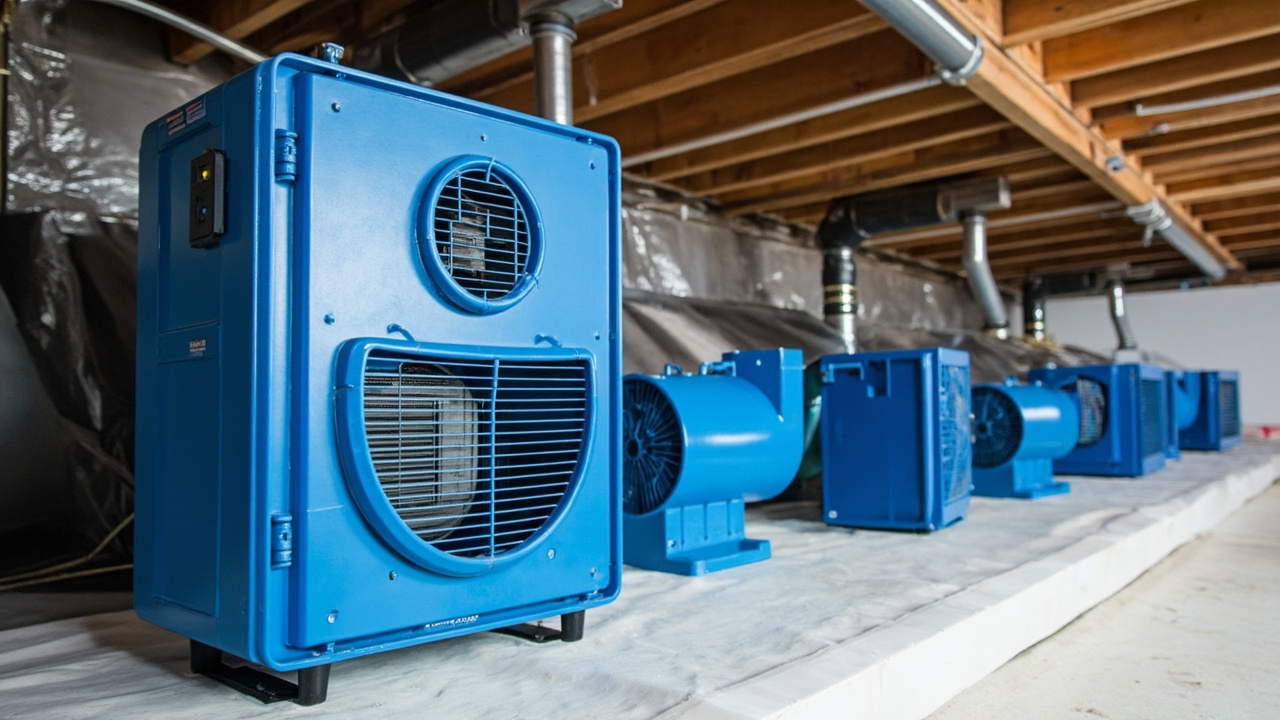
Professional restoration crews do not just use standard fans. We use the principles of the Institute of Inspection Cleaning and Restoration Certification S500 standards. This involves controlling the temperature, airflow, and dehumidification to remove moisture from the air and the materials. We use Low Grain Refrigerant (LGR) dehumidifiers. These machines are far more powerful than the units you buy at a hardware store. They can pull moisture out of the air even in cool temperatures, which is common in Sagamore Hills crawl spaces throughout the year.
We also use axial air movers to create high velocity airflow across the wet surfaces. This speeds up evaporation. During the drying process, we monitor the grains per pound of air. This measurement tells us exactly how much water vapor is in the environment. We do not stop drying until the wood reaches its dry standard, which we determine by testing unaffected wood in a different part of the home. This ensures that the moisture deep inside the wood fibers is gone, preventing future rot or mold issues.
Comparing professional equipment to DIY methods
Many homeowners try to dry their crawl space using household fans or by opening the vents. In Northeast Ohio, opening vents often makes the problem worse. The warm, humid air from the outside hits the cool air in the crawl space and reaches the dew point. This causes condensation on your pipes and floor joists. Professional drying keeps the environment closed and controlled.
| Feature | DIY Shop Fan | Professional LGR Dehumidifier | Industrial Air Mover |
|---|---|---|---|
| Water Removal Capacity | None | 15 to 30 gallons per day | None (Surface Evaporation Only) |
| Power Source | Standard Outlet | High Amp Dedicated Circuit | Daisy Chain Capable |
| Monitoring Tools | None | Built in Hygrometer | Speed Controllers |
| Effectiveness on Wood | Low | High | Medium |
Hidden dangers of untreated crawl space water
If you leave water in your crawl space, you are inviting structural failure. Termites and other wood boring insects are attracted to damp wood. They can cause massive damage before you ever see a single bug on the first floor. Additionally, wet wood loses its structural integrity. Over time, the weight of your furniture and walls will cause the damp joists to sag. This leads to cracked drywall and doors that will not close properly in your Sagamore Hills home.
Health is another major concern. Mold spores thrive in dark, damp environments. According to the Environmental Protection Agency, controlling moisture is the only way to stop mold growth. If you have noticed an increase in asthma attacks or unexplained coughing, the air coming up from your crawl space could be the cause. This is especially true after a sewer backup or an environmental flood. If you experience a major event like this, you may need to follow emergency steps when your sewer backs up in Parma or elsewhere in the metro area to protect your family from pathogens.
Steps for professional crawl space restoration in Sagamore Hills
The restoration process is systematic. When our crew arrives at your property near Sagamore Hills Park, we follow a strict protocol to ensure your home is safe. Every job is unique, but the core steps remain consistent to provide the best results.
- Inspection and moisture mapping using thermal imaging cameras to find hidden pockets of water.
- Extraction of standing water using high powered truck mounted vacuum systems.
- Removal of contaminated materials including wet fiberglass insulation and debris.
- Application of antimicrobial treatments to prevent mold and bacteria growth.
- Installation of LGR dehumidifiers and high velocity air movers.
- Daily monitoring of moisture levels to track drying progress.
- Final testing to ensure all structural materials have reached the dry standard.
Sometimes the water comes from a plumbing failure rather than the ground. A burst pipe can dump hundreds of gallons into a crawl space in a matter of hours. This requires the same urgent response as an emergency Westlake burst pipe repair and professional water cleanup. Whether the water is from a pipe or a heavy rain, the drying goal is the same. We must remove the water before it wicks into the subflooring.
Encapsulation as a permanent moisture solution
Once the crawl space is professionally dried, you should consider encapsulation. This involves covering the floor and walls with a heavy duty vapor barrier, usually a 20-mil reinforced polyethylene plastic. We seal all the seams with specialized tape and mechanically fasten the plastic to the foundation walls. This creates a barrier between the damp earth and your home. In 2026, encapsulation is the standard for modern home maintenance in Summit County. It stops the cycle of moisture and keeps your crawl space dry year round.
A proper encapsulation system also includes a sump pump and sometimes a permanent dehumidifier. This ensures that any future water entry is handled automatically. It also increases the energy efficiency of your home. A dry crawl space is easier to heat and cool than a damp one. This can lead to noticeable savings on your monthly utility bills, especially during the harsh Northeast Ohio winters.
How to handle insurance claims for crawl space drying
Navigating insurance can be difficult. Most standard homeowners policies cover water damage if it is sudden and accidental, such as a pipe burst. However, they may not cover damage caused by long term seepage or poor maintenance. We help Sagamore Hills residents document the damage thoroughly. We take photos, record moisture readings, and create detailed drying logs. This documentation is essential for getting your claim approved. We work directly with your adjuster to explain the necessity of professional drying equipment and microbial treatments.
Professional restoration companies use Xactimate, which is the industry standard software for estimating repair costs. This ensures that the pricing is fair and transparent. When you have a professional team handling the documentation, the process moves faster. You can focus on getting your home back to normal while we handle the technical details of the claim.
Contacting a local expert for a crawl space inspection
If you suspect your Sagamore Hills crawl space is wet, do not wait for the smell to get worse. Early intervention is the key to preventing mold and structural rot. Our team has over fifteen years of experience handling the unique environmental conditions of Northeast Ohio. We understand how the local climate and soil affect your foundation. We provide 24/7 emergency services to the entire Sagamore Hills area and surrounding communities. We use the latest technology to ensure your home is dried quickly and correctly. Protect your investment and your family’s health by addressing crawl space moisture today. Reach out to a professional who can provide a detailed assessment and a clear plan for restoration.