The High Stakes of Basement Protection in Pepper Pike
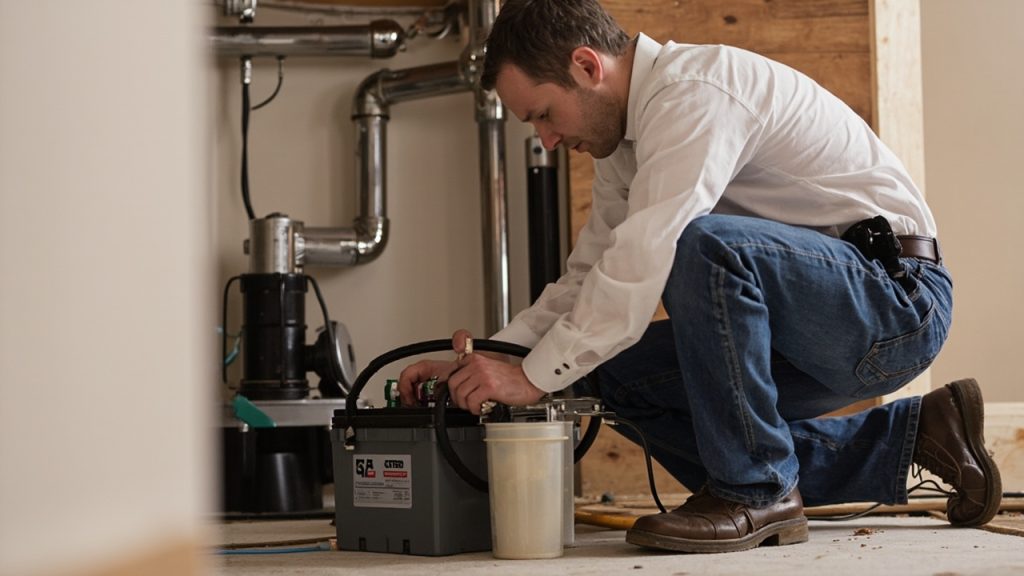
Homeowners in Pepper Pike understand that living in one of the most beautiful suburbs of Cleveland comes with specific environmental responsibilities. The local landscape features heavy clay soil and a high water table that frequently puts pressure on residential foundations. During the 2026 spring season, we have already seen how quickly a standard primary sump pump can become overwhelmed by rapid snowmelt and heavy thunderstorm activity. If your home lacks a secondary power source for your water management system, you are taking a significant risk with your finished basement and property value.
A primary sump pump relies entirely on the electrical grid managed by local utilities. When a severe storm rolls through Northeast Ohio, power outages are a common occurrence. High winds often bring down branches near SOM Center Road and Lander Circle, cutting off the electricity your pump needs to function. Without a battery backup, your sump pit will overflow within minutes of a power failure during a heavy downpour. This leads to thousands of gallons of water entering your lower level, destroying drywall, flooring, and expensive mechanical systems.
Local Environmental Factors That Increase Flood Risk
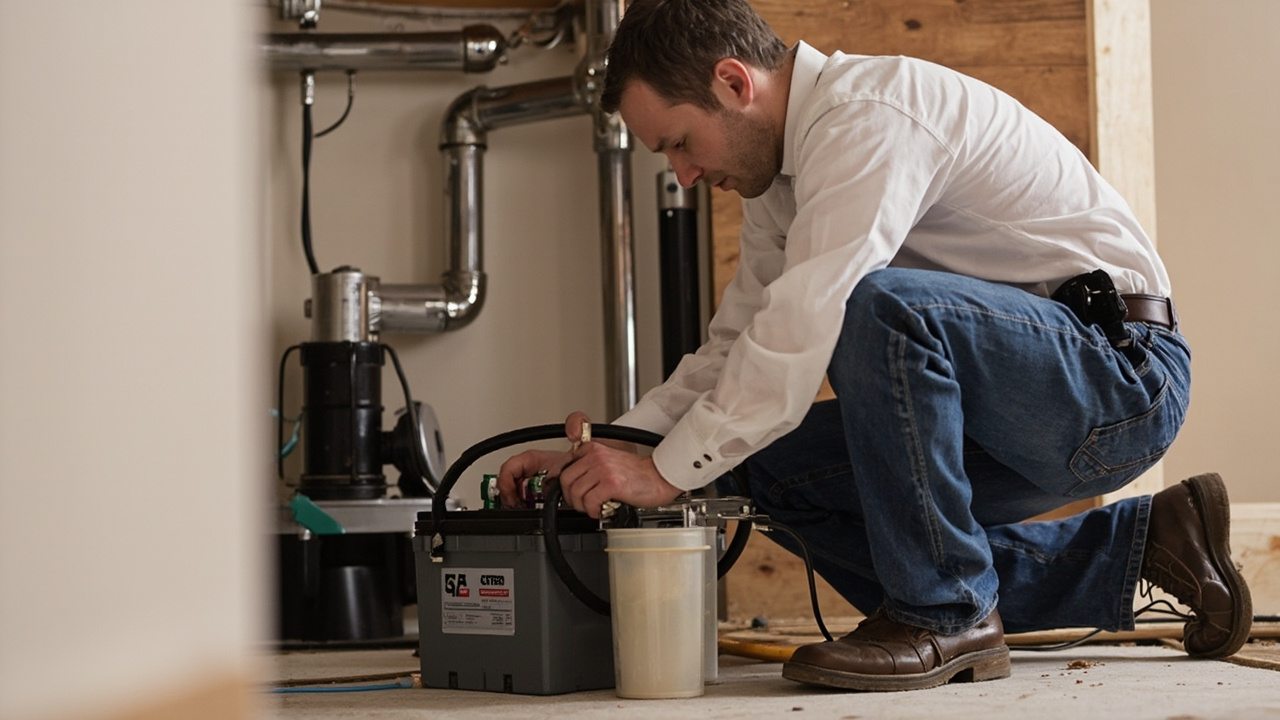
The geography of Pepper Pike contributes to unique drainage challenges. Many properties sit on large wooded lots where the soil remains saturated long after a rain event has ended. This saturation creates hydrostatic pressure, which forces groundwater through small cracks in your foundation or up through the floor. Your sump pump is the only line of defense against this pressure. Because the clay soil in our area does not drain as quickly as sandy soil found in other parts of the country, the pump must work harder and more frequently to keep the water level down.
In 2026, we are seeing more frequent high-intensity rain events that dump several inches of water in a matter of hours. This weather pattern means your primary pump might be running every thirty seconds. If that pump fails due to a mechanical issue or a power surge, the water level rises fast. A battery backup system acts as a fail-safe that kicks in the moment the primary pump stops working or cannot keep up with the volume of water. You can find more information about flood risk management at the FEMA Flood Map Service Center.
The Critical Role of Battery Backup Systems
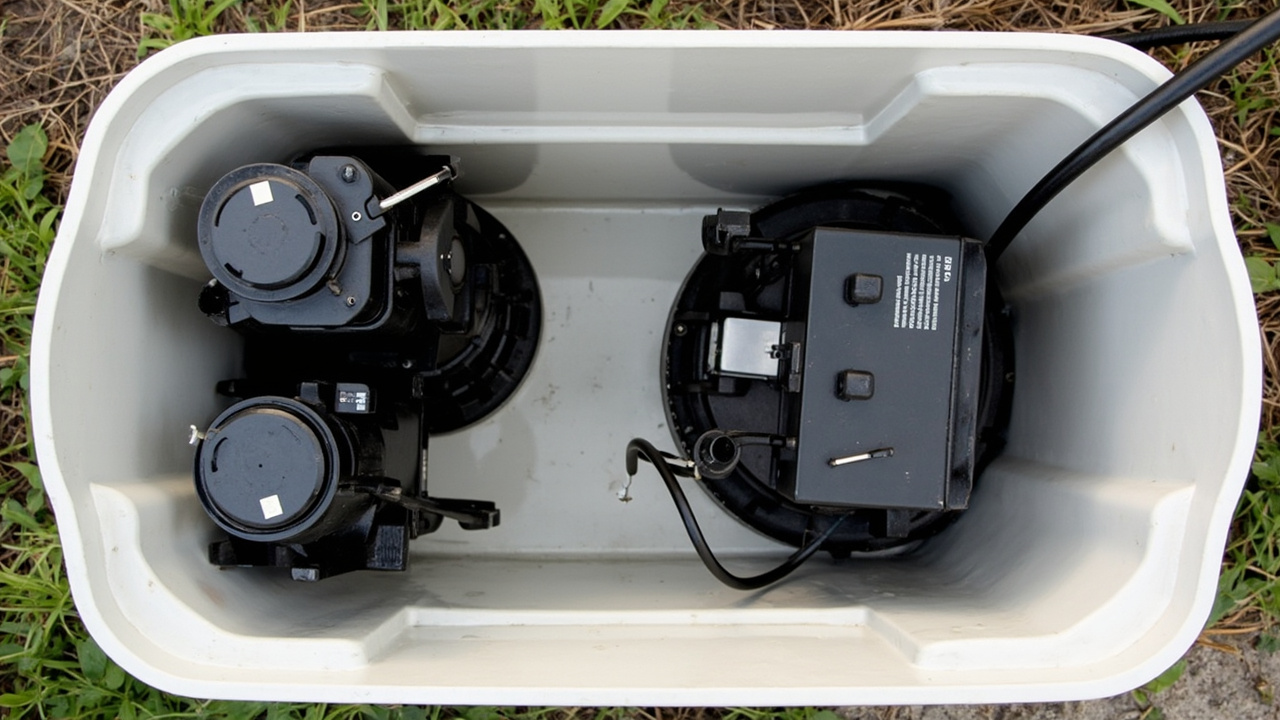
A battery backup is not just a secondary battery connected to your main pump. It is a completely separate system that includes its own pump, a dedicated float switch, and a sophisticated charging unit. This redundancy is vital because primary pumps often fail at the exact moment you need them most. Overheating is a common cause of pump failure during the 2026 storm season, as older units struggle to maintain the necessary gallons-per-hour output to clear the pit.
When the main power goes out, the backup system detects the loss of electricity and switches to DC power. The secondary pump is typically installed slightly higher in the sump pit than the primary pump. If the water reaches that secondary height, the backup pump activates. This dual-pump configuration ensures that even if your main pump has a mechanical failure, such as a jammed impeller or a broken float switch, the backup will still prevent a flood. This level of protection is essential for finding the best water damage restoration pros in Cleveland who can help you install these systems before an emergency occurs.
Choosing Between AGM and Deep Cycle Batteries
Not all battery backup systems use the same technology. In 2026, homeowners have two primary choices for their power storage. The standard deep cycle lead-acid battery is a common option, but it requires regular maintenance. You must check the water levels in the battery cells every few months to ensure it remains functional. These batteries also release small amounts of gas during charging, which requires a ventilated area.
Absorbed Glass Mat or AGM batteries are the preferred choice for Pepper Pike estates. These are sealed units that require zero maintenance and have a longer shelf life. They are more resistant to vibration and can sit for long periods without losing their charge capacity. While the initial investment for an AGM system is higher, the reliability during a 2026 weather event is significantly better. When you are dealing with a finished basement that contains a home theater or a wine cellar, the added cost of an AGM battery is a minor price to pay for peace of mind.
Technical Specifications of 2026 Sump Pump Backup Systems
| System Feature | Standard Backup Unit | Professional High-Output Unit |
|---|---|---|
| Pumping Capacity at 10ft Lift | 1,500 Gallons Per Hour | 2,800+ Gallons Per Hour |
| Battery Type Compatibility | Lead-Acid Only | AGM or Lead-Acid Dual Mode |
| Continuous Run Time | 5 to 7 Hours | 10 to 12 Hours |
| Remote Monitoring | Local Alarm Only | Wi-Fi and Smartphone Alerts |
| Pump Construction | Thermoplastic | Cast Iron and Stainless Steel |
The Danger of Mechanical Pump Failure
Power outages are only one reason why your basement might flood. Mechanical failure is just as likely. Sump pumps are mechanical devices with moving parts that eventually wear out. A common issue we see in the field is a stuck float switch. This happens when the pump vibrates and shifts in the pit, causing the switch to get pinned against the wall of the basin. If the switch cannot rise, the pump will never turn on.
Another common mechanical failure involves the check valve. This valve is a one-way flap that prevents water in the discharge pipe from flowing back into the pit once the pump stops. If the check valve fails, your pump will constantly recycle the same water, leading to motor burnout. A professional backup system includes its own independent check valve and float switch, meaning it is not affected by any of the mechanical problems occurring with your primary unit. If you experience a failure that leads to water damage, you may need to look into get help now for flooded basements in Lakewood and the surrounding areas to address the immediate cleanup needs.
Installation Steps for a Backup Sump System
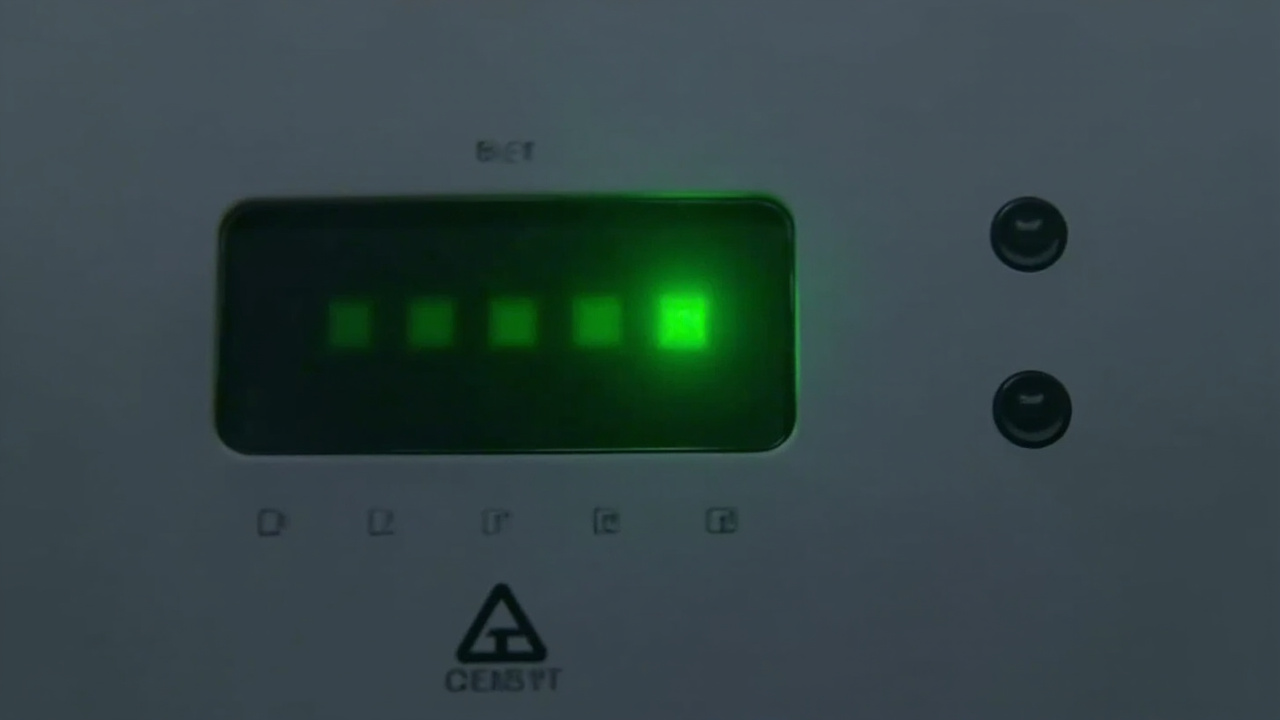
Installing a battery backup requires more than just dropping a pump into a hole. The process must be precise to ensure the system works when a storm hits. First, we assess the size of your existing sump pit. Many older homes in the Cleveland area have narrow pits that may require a specialized compact backup pump. We then clean the pit of any debris or silt that could clog the new intake.
Next, we configure the plumbing. The backup pump must have its own discharge line or be professionally manifolded into the existing line with high-quality check valves. We then position the backup float switch to activate at a specific level above the primary turn-on point. Finally, we install the control box and battery. Modern 2026 systems include smart controllers that run weekly self-tests to ensure the pump is not seized and the battery is holding a full charge. This rigorous testing protocol is consistent with the standards set by the IICRC for property protection and maintenance.
Maintenance Requirements for Year-Round Protection
Even the best 2026 technology requires occasional oversight. We recommend a seasonal maintenance schedule to ensure your Pepper Pike home remains dry. This is especially important during the transition from the frozen winter ground to the saturated spring soil conditions. Debris like small pebbles or plastic fragments can often find their way into the sump pit, potentially blocking the intake of either pump.
Recommended Sump Pump Maintenance Schedule
| Frequency | Task to Perform | Why It Matters |
|---|---|---|
| Every 3 Months | Pour water into the pit | Verifies the float switch activates the pump |
| Every 6 Months | Clean the intake screen | Prevents motor strain and ensures max GPH |
| Annually | Check battery terminals | Ensures no corrosion is blocking the charge |
| Every 3 to 5 Years | Replace the battery | Prevents failure due to natural battery decay |
Failure to maintain these systems can lead to catastrophic results. If a backup system fails, you could be facing more than just water cleanup. Stagnant groundwater in a basement quickly leads to fungal growth. For homes with historic value, this is a major concern. You can read more about the risks of moisture in older structures by visiting our page on professional mold remediation for Shaker Heights homeowners.
The Connection Between Sump Failure and Sewer Backups
In some older parts of the Cleveland metro area, the storm drainage and sanitary sewer systems can become interconnected during massive rain events. If your sump pump fails and the ground becomes completely saturated, it can put additional strain on your home’s sewer lateral. This increase in pressure can lead to a secondary emergency. Knowing the emergency steps when your sewer backs up in Parma or other nearby suburbs is vital for any local resident. A functioning battery backup keeps the water moving away from your home, reducing the total volume of liquid pressing against your plumbing drains.
Warning Signs Your System Needs an Upgrade
You should not wait for a flood to determine if your protection is adequate. There are several clear indicators that your current setup is not ready for the 2026 storm season. If you hear a loud humming noise but do not see water moving, your pump may be air-locked or the impeller may be damaged. If your pump cycles on and off every few seconds, the float switch is likely set incorrectly or the check valve has failed.
- Visible corrosion on the pump housing or battery terminals
- The battery backup alarm beeps frequently or shows a red fault light
- The primary pump is more than seven years old
- Your basement has a damp or musty odor even when no standing water is visible
- You notice salt deposits or white powder on the bottom of your foundation walls
If you see these signs, it is time to act. A small investment in a professional battery backup system is significantly less expensive than the cost of a full basement restoration. We have seen the damage caused by burst pipes and failed pumps throughout the region, including the need for emergency Westlake burst pipe repair when systems fail during a cold snap or heavy storm. Residents in Pepper Pike have a high standard for their property, and maintaining the sump pump system is a key part of that property care.
Ensuring Your Peace of Mind
Protecting your home is about being prepared for the worst-case scenario. In Northeast Ohio, the worst-case scenario involves a midnight power outage during a torrential thunderstorm. With a professionally installed battery backup system, you can sleep through the storm knowing that your basement will remain dry. These systems are the most effective way to manage the unique groundwater challenges presented by our local soil and weather patterns. If you have questions about which pump capacity is right for your specific foundation depth and pit size, reach out to a local expert who understands the technical needs of Pepper Pike homes. Taking action today ensures that your property remains a safe, dry, and valuable asset for years to come.