

Maple Heights homeowners understand the pressure that Lake Erie weather puts on a foundation. The local landscape consists of heavy clay soil which holds moisture like a sponge. When the heavy lake-effect snow melts or the spring rains arrive in early 2026, that water surrounds your basement walls and creates hydrostatic pressure. Without a reliable sump pump, this pressure eventually forces water through floor cracks and the cove joint where the wall meets the floor. Selecting the correct pump involves understanding the technical differences between submersible and pedestal models and how they interact with the specific environmental conditions in Cuyahoga County.
Your sump pump acts as the heart of your home drainage system. It sits in a pit or crock and waits for water to reach a specific level before activating the motor and pushing the liquid out through a discharge pipe. If you choose the wrong type of pump for your basement usage or pit size, you risk premature motor failure and catastrophic water damage. This choice becomes even more critical if you have finished your basement or use it for valuable storage. In my 15 years of restoring homes across Cleveland, I have seen how the right equipment prevents the need for major cleanup efforts.
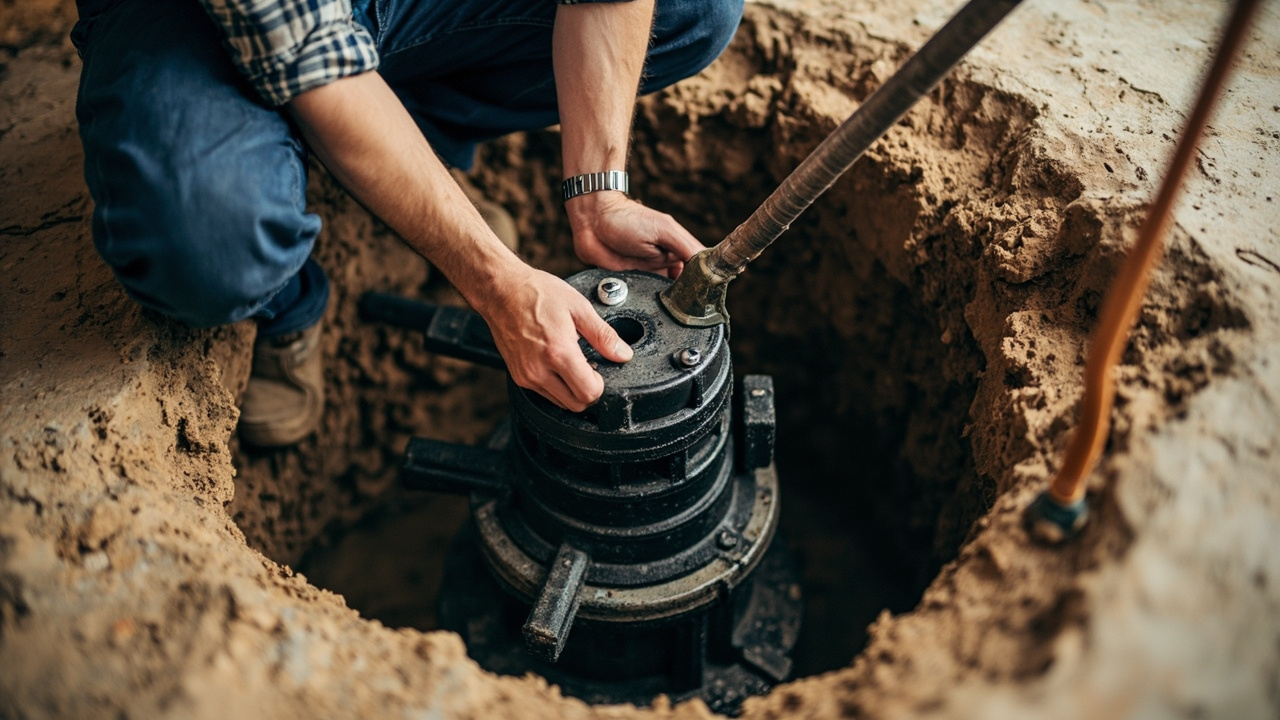
Technical Comparison of Current Sump Pump Technology
To help you decide, I have outlined the primary technical specifications for both pump types. These figures represent the standards for equipment available in 2026. Gallons per hour (GPH) is the most critical metric because it tells you if the pump can keep up with a heavy storm.
| Feature | Submersible Sump Pump | Pedestal Sump Pump |
|---|---|---|
| Motor Location | Inside the pit, underwater | Above the pit, on a column |
| Average Lifespan | 8 to 12 years | 20 to 25 years |
| Standard Horsepower | 1/3 HP to 1 HP | 1/3 HP to 1/2 HP |
| Noise Level | Very Low (muffled by water) | High (open motor housing) |
| GPH at 10ft Lift | 3,200 to 5,500 GPH | 2,500 to 3,500 GPH |
The Benefits of Submersible Sump Pumps for Finished Basements
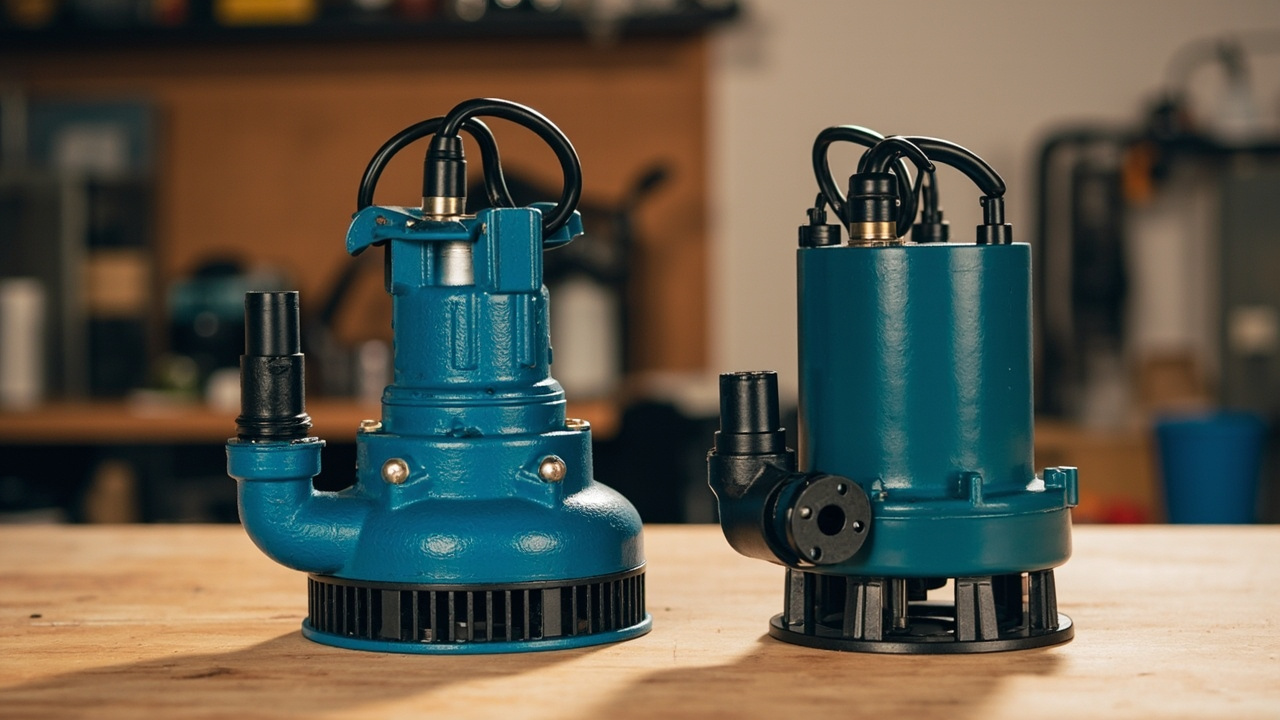
Submersible pumps are the most common choice for modern Maple Heights homes. The entire unit sits inside the sump pit, which means the motor is cooled by the water surrounding it during operation. This cooling mechanism allows the motor to run for longer periods without overheating, making it ideal for the sustained rain events common in Northeast Ohio. Because the motor is submerged, the sound of the pump cycling on and off is significantly quieter than other models. This is a major advantage if your basement is a living area or home office.
Submersible models often feature higher horsepower ratings. In many Maple Heights neighborhoods near the Bedford Reservation, the water table sits high and requires a pump that can move large volumes of water quickly. A 1/2 HP submersible pump can often handle over 4,000 gallons per hour, which provides a necessary margin of safety during a heavy downpour. These units also use a variety of float switches, including vertical and tethered options, allowing them to fit into standard 18-inch diameter pits with ease. If you are currently dealing with water issues, you may need to look into finding the best water damage restoration pros in Cleveland to ensure your foundation remains stable.
The primary trade-off with a submersible unit is accessibility. Since the motor and all electrical components are underwater, repairs are difficult. Most homeowners choose to replace the entire unit rather than attempt a motor rebuild. The environment inside a sump pit is harsh, and even the best high-quality cast-iron housings will eventually succumb to mineral buildup and corrosion over a decade of use. For those in areas like Lakewood, the same principles apply because of the high moisture levels found near the lake. You can see more about local challenges by visiting the page on how to get help now for flooded basements in Lakewood and restore your property fast.
Why Pedestal Sump Pumps Still Have a Place in Maple Heights
Pedestal pumps are easily identified by their long shaft and a motor that sits on top of a column, well above the water line of the sump pit. These units were standard for decades and remain popular for specific applications in 2026. The most significant advantage of a pedestal pump is its incredible longevity. Because the motor stays dry and away from the debris and minerals found at the bottom of the pit, these pumps can last twice as long as submersible models. This makes them a cost-effective choice for unfinished utility basements where noise is not a concern.
The mechanical parts of a pedestal pump are easy to reach. If the switch fails or the impeller becomes clogged, a technician can often service the unit without pulling the entire assembly out of a muddy pit. This accessibility reduces maintenance costs over the life of the home. Pedestal pumps also work well in narrow sump pits. Since only the base and the float assembly sit in the pit, there is less risk of the pump getting stuck against the pit wall. This is a frequent problem with larger submersible units in older Maple Heights homes that have smaller 12-inch or 15-inch crocks.
One drawback is the lower pumping capacity. Pedestal pumps generally max out at 1/2 HP, which might not be enough for homes with significant water ingress. Also, the open motor design is much louder. If your bedroom is directly above the sump pit, you will hear a mechanical hum every time the pump cycles. This noise can be a nuisance during a three-day rain event where the pump runs every few minutes. If a pump failure leads to water damage, especially in older homes, the moisture can lead to biological growth. Homeowners should consult experts on professional mold remediation for Shaker Heights homeowners protecting your historic property to see how to handle moisture in older structures.
Local Soil and Environmental Factors in Cleveland
The geology of Maple Heights and the surrounding Cuyahoga County area directly impacts pump performance. Our region features a high concentration of clay-heavy soil. This type of soil does not drain quickly. Instead, it creates a saturated zone around your foundation. During the freeze-thaw cycles of late winter 2026, this wet clay expands and puts immense pressure on your foundation walls. This movement can lead to cracks that allow more water into your sump pit than a standard pump can handle.
Another local factor is the presence of iron ochre in some Northeast Ohio groundwater. Iron ochre is a slimy, orange substance created by bacteria that live in iron-rich soil. This slime can coat float switches and clog impellers. Submersible pumps are more susceptible to this buildup because they sit directly in the sediment at the bottom of the pit. If you live in an area known for iron ochre, a pedestal pump might be a better choice because the critical moving parts are easier to inspect and clean regularly. According to the Ready.gov flood safety guidelines, maintaining your drainage equipment is the most effective way to prevent property loss from groundwater flooding.
Sump Pump Failure Points and Maintenance Intervals
Every pump has a limited life. Understanding why they fail helps you choose the right replacement. The following table highlights common failure modes we see in the field in 2026.
| Failure Type | Submersible Risk | Pedestal Risk | Mitigation Strategy |
|---|---|---|---|
| Switch Failure | High (Mineral buildup) | Medium (Mechanical wear) | Install a dual vertical float switch |
| Motor Burnout | Medium (Usually at end of life) | Low (Stays dry and cool) | Size the pump for 1.5x expected flow |
| Clogged Impeller | High (Picks up pit debris) | Medium (Lower intake suction) | Use a sump pit liner and cover |
| Check Valve Failure | Equal risk for both | Equal risk for both | Replace check valve every 5 years |
A failed pump often leads to secondary issues like sewer line complications. If your sump discharge is tied into a line that experiences a block, you could face a backup. Residents should review the emergency steps when your sewer backs up in Parma for guidance on handling multi-system failures. Similarly, a primary pump failure during a power outage is a common cause of disaster. We recommend that all Maple Heights homes equipped with either a submersible or pedestal pump also install a battery backup system. Modern 2026 backup systems can run for several days and even send alerts to your smartphone if the primary pump fails.
The 5 Step Sump Pump Testing Process
You should test your pump at least twice a year, specifically before the spring thaw and the fall rainy season. Follow these steps to ensure your system is ready for the next Cleveland storm.
- Check the discharge pipe outside to ensure it is clear of debris, snow, or ice blocks.
- Remove the sump pit cover and inspect the pit for any trash or stones that could jam the impeller.
- Slowly pour a five-gallon bucket of water into the pit to watch the float rise and trigger the motor.
- Listen for any unusual grinding noises which could indicate a bearing failure in the motor.
- Ensure the check valve is stopping water from flowing back into the pit once the pump turns off.
If you notice the pump humming but not moving water, the impeller might be damaged or the discharge line could be frozen. In the event of a sudden equipment failure during a storm, you may face a situation similar to a plumbing emergency. For those on the west side, understanding emergency Westlake burst pipe repair and professional water cleanup services can provide insight into how professional restoration teams handle large volumes of indoor water quickly.
Cost and Installation Considerations
The price of a sump pump installation in Maple Heights depends on several factors beyond just the pump itself. You must consider the quality of the check valve, the size of the discharge piping, and whether your electrical outlet is a dedicated GFCI circuit. A high quality cast iron submersible pump typically costs more than a plastic pedestal pump, but it offers superior performance in high flow situations. Labor costs in Cuyahoga County are also influenced by the condition of your sump pit. If the existing pit is cracked or too small for a modern pump, a full basin replacement may be necessary.
For more technical details on pump standards, you can refer to the International Association of Plumbing and Mechanical Officials website. They provide the codes that ensure your installation is safe and effective. Choosing a pump with a higher GPH rating than you think you need is always a wise investment. The cost difference between a 1/3 HP pump and a 1/2 HP pump is minimal compared to the cost of cleaning up several inches of water in a finished basement.
Ultimately, the choice between submersible and pedestal comes down to your basement goals. If you want a quiet, high-capacity system for a finished space, choose a submersible. If you want a long-lasting, easy-to-maintain unit for a utility basement, a pedestal pump is a fantastic choice. Regardless of which model you select, professional installation ensures that the float is set correctly and the discharge line is properly pitched to prevent freezing and airlocks. If your basement has already experienced moisture or flooding, reaching out to a restoration specialist is the first step toward securing your home for the remainder of 2026.