The Reality of Basement Flooding in Old Brooklyn
Stepping into a wet basement in your Old Brooklyn home creates immediate stress. Whether a heavy storm overwhelmed the local drainage near Brookside Park or a pipe failed in your laundry room, your first instinct involves grabbing the shop vac from the garage. You might think that sucking up the standing water solves the problem. This common mistake leads to long-term structural damage and health risks for your family. A consumer-grade vacuum lacks the power and the technology to handle the specific challenges of Cleveland area flooding. Most homes in our neighborhood feature older foundations and porous materials that trap water deep inside where a simple vacuum cannot reach.
The current standards for water restoration in 2026 emphasize the need for deep extraction and structural drying. When water enters a space, it does not just sit on the surface. It migrates into the drywall, moves under the baseboards, and soaks into the subfloor. A shop vac handles the surface liquid but leaves behind thousands of gallons of moisture trapped within the building materials. If you leave this moisture alone, you face a high probability of mold growth within 24 to 48 hours. Many residents find themselves finding the best water damage restoration pros in Cleveland after their DIY efforts fail and the smell of mildew begins to permeate the first floor.

Technical Limitations of Consumer Shop Vacs
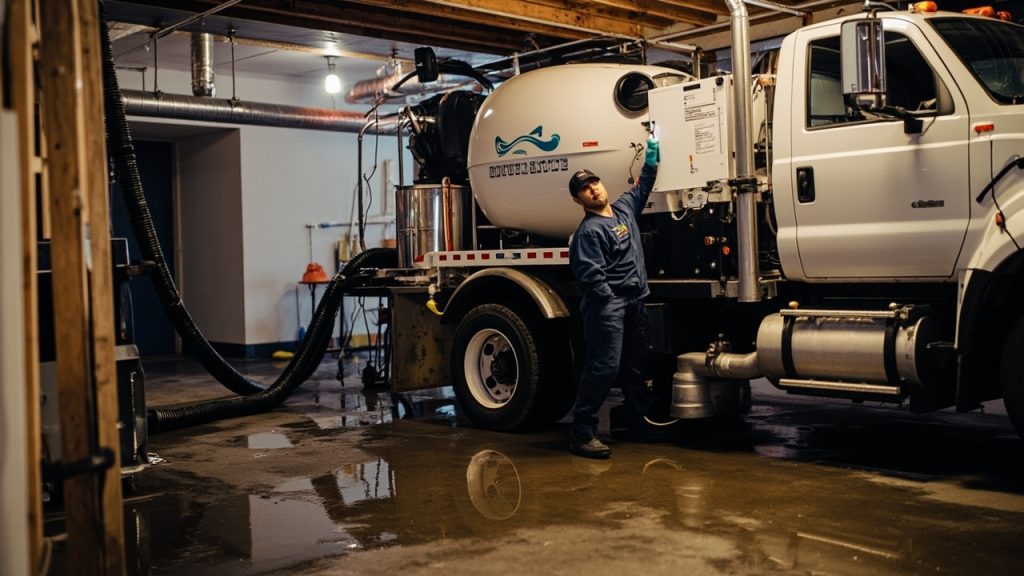
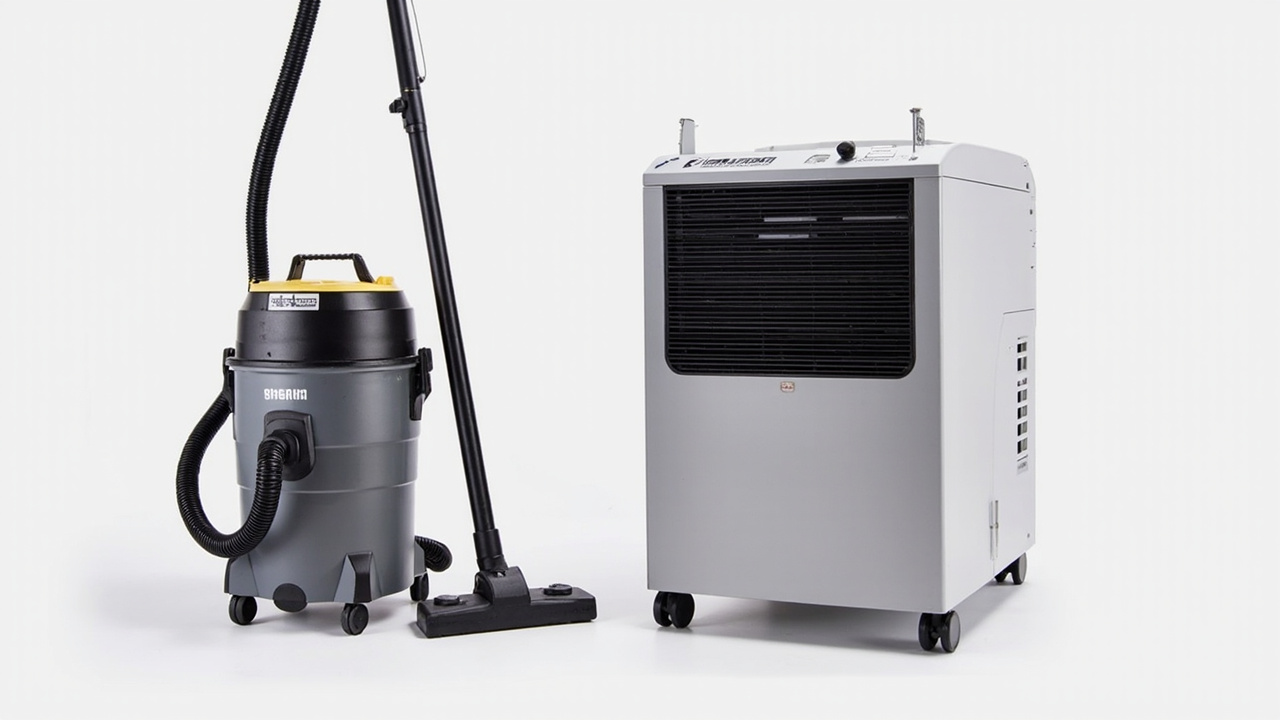
A standard shop vac purchased at a local hardware store operates on a simple principle of suction. It uses a small motor to create enough vacuum to lift water through a hose into a plastic tank. These units typically offer between 3 to 6 peak horsepower. While that sounds impressive for cleaning up a spilled drink, it is insufficient for a flooded room. Professional extraction units utilize truck-mounted systems that generate massive amounts of vacuum pressure. This pressure is measured in inches of water lift. A shop vac might manage 50 to 60 inches of lift, whereas a professional extractor provides over 180 inches. This difference determines whether you are just moving water around or actually pulling it out of the carpet padding and floor joists.
Capacity represents another major hurdle. A large shop vac might hold 12 gallons. A standard flooded basement could easily contain 500 gallons of water. You would need to fill and empty that vacuum over 40 times to clear the area. Each trip to the floor drain or the backyard takes time. During that time, the water continues to seep deeper into your walls. Professional teams use high-volume pumps and direct-discharge systems that move water out of your house at a rate of 20 to 50 gallons per minute without stopping. This speed is critical when you are trying to restore your property fast before permanent rot sets in.
Equipment Comparison for Water Extraction
| Feature | Consumer Shop Vac | Professional Truck Mount |
|---|---|---|
| Suction Power (Water Lift) | 50 to 60 inches | 180 to 200+ inches |
| Airflow (CFM) | 90 to 120 CFM | 400 to 600+ CFM |
| Disposal Method | Manual emptying | Automatic pump-out |
| Extraction Depth | Surface only | Deep sub-surface extraction |
| Filtration | Basic foam filter | HEPA and high-grade separators |
The Invisible Threat of Trapped Moisture
Old Brooklyn homes often feature materials like plaster and lath or older varieties of drywall. These materials are hygroscopic, meaning they act like a sponge. Even if the floor looks dry, the bottom six inches of your wall studs could be completely saturated. A shop vac has zero ability to pull moisture out of a wooden 2×4 or a concrete block wall. This hidden water is what causes the most trouble. It creates a pocket of high humidity behind the wall surface where mold spores thrive. According to current EPA guidelines for mold and moisture, controlling indoor dampness is the only way to prevent fungal colonies from taking over your living space.
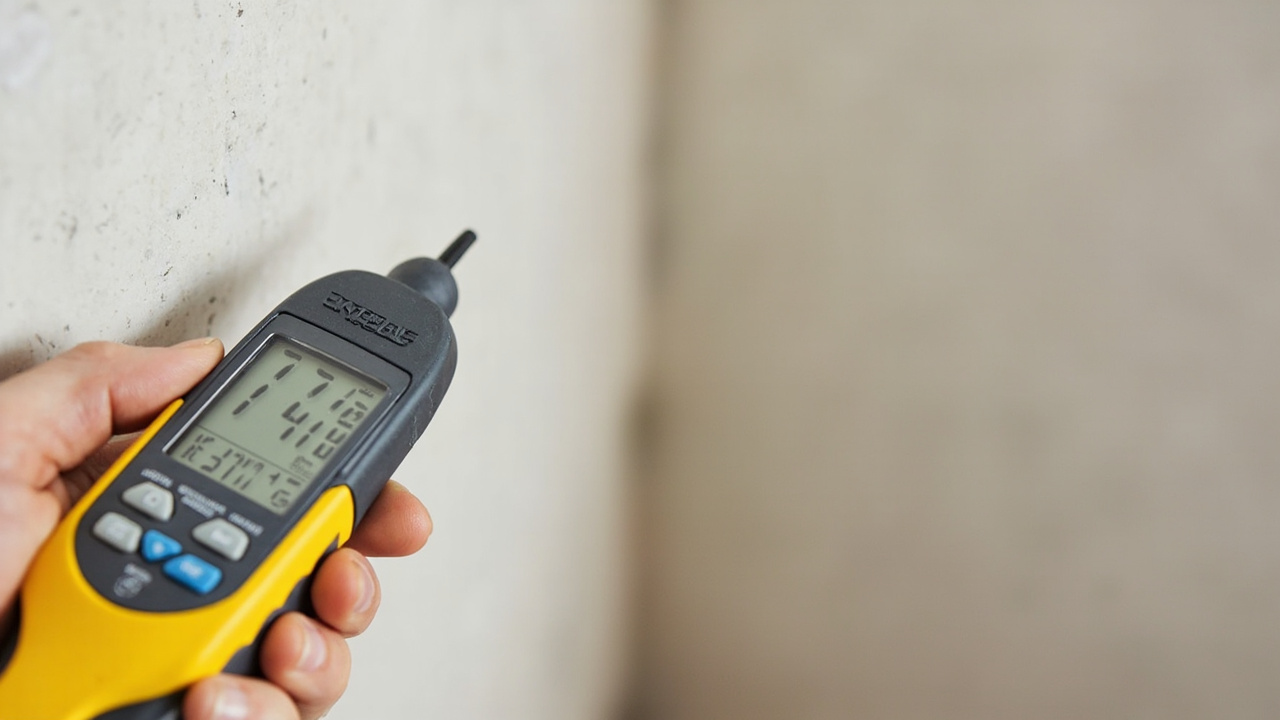
We use thermal imaging cameras and specialized moisture meters to see what your eyes cannot. These tools identify exactly how far the water traveled. Without this data, you are just guessing. If you miss even a small patch of wet insulation, you may eventually need professional mold remediation to make your home safe again. The cost of a mold job far exceeds the cost of proper initial drying. Residents in neighborhoods with historic architecture must be especially careful, as older wood can lose structural integrity faster when exposed to stagnant water.
Why Airflow Alone Is Not Enough
Many homeowners set up a few box fans after using a shop vac. This often makes the situation worse. Standard fans just blow wet air around the room. To actually dry a structure, you must manage the temperature, the airflow, and the dehumidification simultaneously. This science is known as psychrometrics. Professional restoration in 2026 relies on Low Grain Refrigerant (LGR) dehumidifiers. These machines pull moisture out of the air even in cool basement environments where a standard household dehumidifier would simply freeze up or stop working.
In Cleveland, our humidity levels fluctuate wildly because of Lake Erie. On a humid summer day in Old Brooklyn, the air outside might be just as wet as the air in your basement. Opening the windows will not help. You need a closed-loop drying system that creates an environment where the air is so thirsty it pulls the water out of your floors and walls. We calculate the exact number of air movers and dehumidifiers needed based on the cubic footage of the space and the types of materials involved. This ensures that the drying process is balanced and efficient.
Expected Drying Timelines in 2026
| Material Type | Shop Vac and Box Fans | Professional Structural Drying |
|---|---|---|
| Carpet and Padding | 72+ hours (often fails) | 24 to 36 hours |
| Hardwood Flooring | Rarely dries (warps) | 48 to 72 hours with floor mats |
| Drywall and Studs | 5 to 7 days | 2 to 3 days |
| Concrete Foundation | Weeks | 3 to 5 days |
Contamination Risks and Category 3 Water
Not all water is equal. In the restoration industry, we classify water into three categories. Category 1 is clean water from a broken supply line. Category 2 involves some level of contamination. Category 3, often called black water, contains pathogenic agents. This includes sewage backups or rising floodwaters that have traveled across the ground. If your basement flood involves a backup, using a shop vac is extremely dangerous. The vacuum exhaust will aerosolize bacteria and viruses, spreading them throughout your home.
If you are dealing with an emergency when your sewer backs up in Parma or Old Brooklyn, you must use professional-grade personal protective equipment and antimicrobial treatments. A shop vac cannot be properly disinfected after sucking up raw sewage. Most people end up throwing the vacuum away afterward, which is an unnecessary expense. Professionals use specialized equipment that is designed to be sanitized and follows strict IICRC S500 standards for health and safety.
The High Cost of DIY Failure
Saving money is the primary reason people reach for a shop vac. However, the math rarely works out in the long run. When a home is not dried to professional standards, the secondary damage begins. This includes buckling hardwood floors, sagging ceilings, and crumbling plaster. In many cases, insurance companies may deny a claim if the homeowner did not take reasonable steps to mitigate the damage using professional services. They see DIY drying as a failure to protect the property from further loss.
Current data shows that homes professionally dried within the first 24 hours have a significantly higher rate of successful material salvage. For example, if you have a Westlake burst pipe repair and act quickly, you might save your expensive hardwood floors. If you wait and try to use a shop vac for three days, those floors will likely need to be torn out and replaced. The price of a professional drying service is a fraction of the cost of a full basement remodel or mold abatement project.
Steps for Proper Water Restoration
- Immediately shut off the main water valve if the source is a plumbing failure.
- Identify the category of water to determine if it is safe to enter the area.
- Contact a professional with industrial-grade extraction and moisture mapping tools.
- Document all damage with photos and video for insurance purposes.
- Begin the structural drying process using LGR dehumidification and high-velocity air movers.
- Monitor moisture levels daily until the materials reach their dry standard.
Professional Guidance for Cleveland Homeowners
Living in Old Brooklyn offers a unique community feel, but the aging infrastructure presents specific risks for water damage. Our soil has high clay content, which holds moisture against basement walls and increases hydrostatic pressure. This pressure leads to foundation cracks and frequent seepage during the spring thaw or heavy autumn rains. Understanding these local factors allows us to provide a better service than a generic national franchise. We know how these houses were built and we know how to dry them out.
If you find water in your home, do not rely on tools designed for cleaning up a garage floor. Professional extraction removes the water that your shop vac leaves behind. This protects your equity, your health, and your peace of mind. Reach out to a local expert who understands the science of drying and has the right equipment to handle the job correctly the first time. Fast action today prevents a major disaster tomorrow.