
Living in a Downtown Cleveland loft provides a unique urban experience with high ceilings and industrial character. Many of these buildings in the Warehouse District and the Flats began as factories or shipping centers. These historic structures possess thick masonry walls and complex plumbing systems that were often retrofitted decades ago. When a mystery leak appears in a space like this, the source is rarely obvious. Finding the origin of moisture in a multi unit building requires a methodical approach and a clear understanding of building science.
Modern residents in Cleveland face specific challenges due to the local climate. High humidity near Lake Erie during the summer and intense freeze-thaw cycles in the winter put immense pressure on plumbing. If you see a damp spot on your exposed brick or notice your hardwood floors are starting to cup, you have a situation that needs immediate attention. Ignoring these signs can lead to structural decay and health risks for everyone in the building.
Signs of Secret Seepage in Industrial Conversions
Mystery leaks in lofts often hide behind layers of historic building materials. You might notice a faint musty smell before you ever see a drop of water. This odor suggests that moisture is trapped in a wall cavity or under floorboards where airflow is limited. In Cleveland lofts, this often happens where original timber beams meet modern drywall. The organic material in the wood provides a food source for mold when moisture levels stay high for more than forty eight hours.
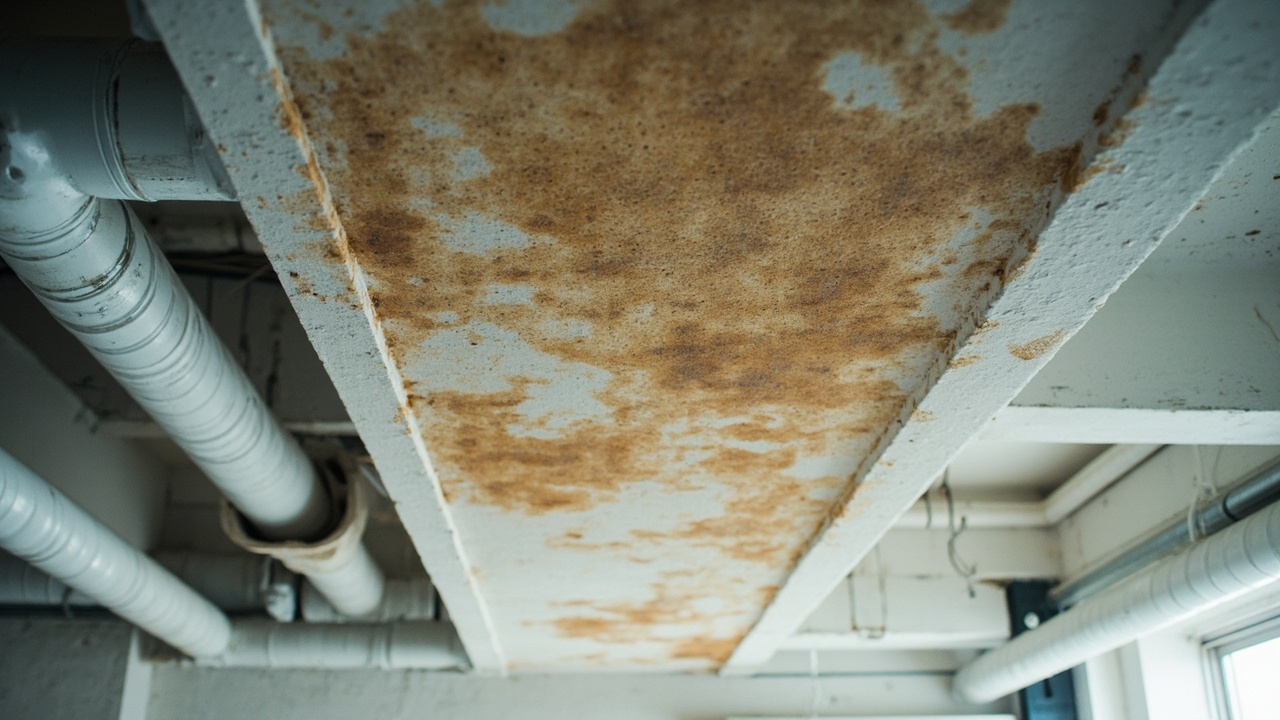
Visual cues are another indicator of a problem. Look for bubbling paint or wallpaper that feels soft to the touch. In many Cleveland apartments, water travels along steel support beams before dripping onto a ceiling. This means the spot you see might be twenty feet away from the actual pipe failure. You should also watch for efflorescence on exposed brick walls. This white, powdery substance forms when water moves through masonry and leaves mineral deposits on the surface. If you see this salt like buildup, water is moving through the structure of the building.

Common Sources of Apartment Leaks in Ohio Urban Centers
Multi unit buildings have shared infrastructure that complicates leak detection. A leak in your bathroom might actually start in the kitchen of the unit above you. Utility chases are common culprits. These are vertical shafts that carry water lines, sewer pipes, and HVAC ducts through the building. If a pipe in a chase develops a pinhole leak, the water can fall several floors before it hits a horizontal surface and becomes visible. Residents should also check HVAC condensation lines. During the humid Cleveland summers, these lines can clog with algae and overflow directly into your living space.
The transition between different materials is another high risk zone. When contractors converted these warehouses into lofts, they had to marry new plumbing with old structure. Vibrations from nearby construction or even the RTA trains can cause older joints to loosen over time. If you suspect a major issue, knowing how to vet a company is vital when finding the best water damage restoration pros in Cleveland.
Professional Leak Detection Technology
Restoration experts use specialized tools to find water without tearing down walls. Infrared thermal imaging is one of the most effective methods for Cleveland loft inspections. These cameras detect temperature differences on surfaces. Because water absorbs heat differently than dry drywall or brick, the camera shows wet areas as dark purple or blue spots. This allows a technician to map the moisture path across a ceiling or down a wall without any demolition.
Acoustic sensors are also helpful in loud urban environments. These devices amplify the sound of water escaping a pressurized pipe. Even a small leak creates a specific frequency that these sensors can pick up through concrete and tile. When combined with non invasive moisture meters, these tools provide a complete picture of the damage. For those dealing with waste issues instead of clean water, follow the emergency steps when your sewer backs up in Parma or other surrounding suburbs where infrastructure age varies.
Moisture Detection Tool Comparison
| Tool Name | Primary Function | Best For |
|---|---|---|
| Thermal Camera | Detects heat signatures | Mapping large wet areas behind walls |
| Moisture Meter | Measures electrical conductivity | Confirming moisture levels in wood and drywall |
| Acoustic Sensor | Amplifies sound | Finding pressurized pipe leaks under floors |
| Borescope | Visual inspection camera | Looking inside tight utility chases |
Cleveland Winter Hazards and Burst Pipes
The winter months in Cleveland create specific risks for mystery leaks. When temperatures drop below freezing, pipes located in exterior walls can freeze. This is especially common in lofts where insulation might be uneven due to the historic architecture. A pipe does not always burst immediately. It might develop a small crack that only leaks once the ice thaws. This creates a slow drip that can go unnoticed for weeks inside a wall.
Ice dams on the roof of a building are another source of mystery leaks for top floor residents. Snow melts on the upper part of the roof and refreezes at the gutters. This creates a dam that forces water under the shingles or roofing membrane. The water then enters the attic space and drips into the ceiling of the loft. Cold Ohio winters often lead to the need for emergency Westlake burst pipe repair and professional water cleanup services for residents in the greater metro area.
Liability and Ohio Tenant Landlord Water Damage Basics
Determining who pays for water damage in a Cleveland loft depends on the source of the leak. According to the Ohio Revised Code Section 5321.04, landlords are required to maintain all electrical, plumbing, sanitary, heating, and ventilating systems in good and safe working order. If a main supply line or a shared sewer pipe fails, the building owner is typically responsible for the repairs and the restoration of your unit.
However, if the leak was caused by a resident, such as an overflowing bathtub or a poorly installed washing machine, the liability often shifts. Most loft leases in Downtown Cleveland require tenants to carry renters insurance to cover their personal belongings. While the landlord might fix the floor, your insurance covers your furniture and electronics. When water issues occur in other parts of the region, you might need to get help now for flooded basements in Lakewood and restore your property fast. Dealing with insurance claims for historic properties requires documentation of the pre loss condition of the space.
Immediate Actions to Take Before Restoration Arrives
If you find a mystery leak, you must act to prevent secondary damage like mold growth. Mold can begin to colonize in as little as twenty four to forty eight hours in the humid environment of a Cleveland summer. Historic masonry requires specialized care, much like the professional mold remediation for Shaker Heights homeowners protecting your historic property. Follow these steps immediately.
- Notify the building manager or emergency maintenance team to shut off the main water valve if necessary.
- Move all furniture and electronics away from the wet area to prevent staining and electrical hazards.
- Document the damage with clear photos and video for insurance and maintenance records.
- Use a wet dry vacuum to remove standing water from hard floors if it is safe to do so.
- Place towels or absorbent mats at the base of walls to stop water from migrating to other rooms.
- Turn on your HVAC system or a dehumidifier to help lower the indoor humidity.
The Science of Drying Loft Environments
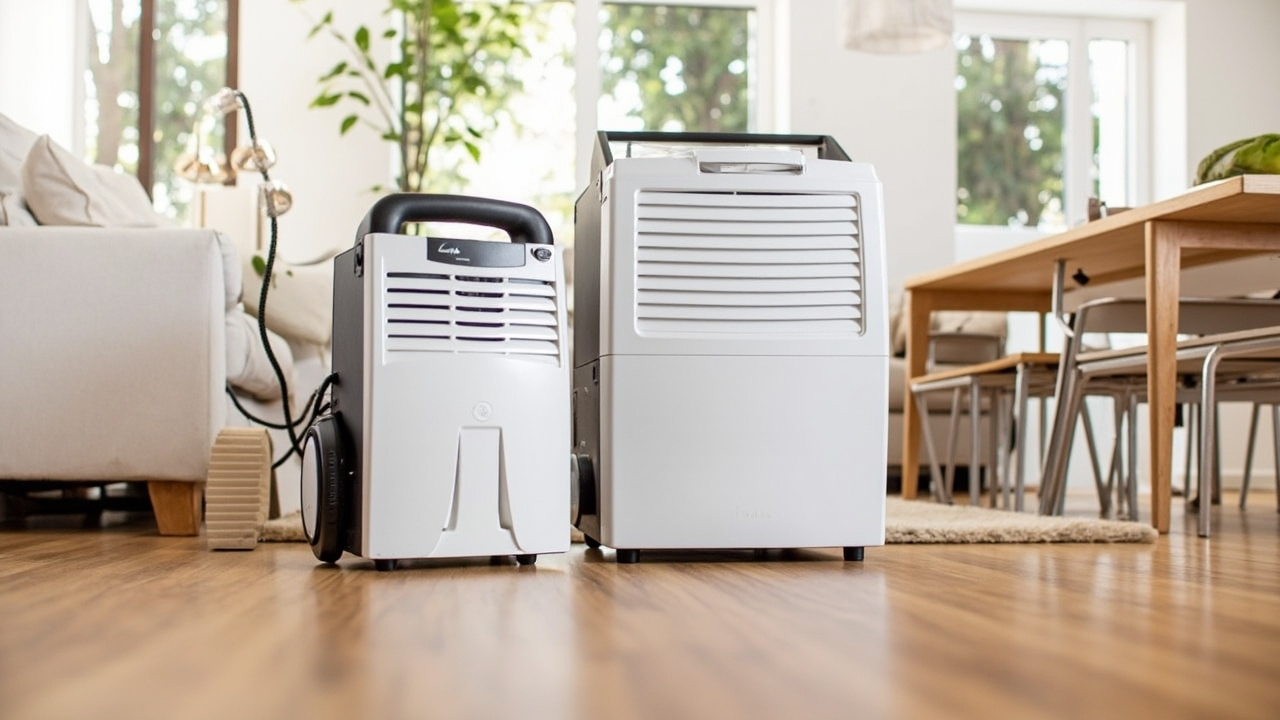
Restoring a loft after a leak involves more than just blowing air on a wet spot. Professionals use the principles of psychrometry to manage the relationship between temperature, humidity, and airflow. In a space with high ceilings, air tends to stagnate. We use high velocity air movers to create a vortex that pulls moisture out of materials like hardwood and brick. This moisture is then captured by industrial grade dehumidifiers. The goal is to reach a dry standard, which is a measurement of the normal moisture content for that specific building material.
If the leak involved water from a dishwasher or a shared drain line, the area must be sanitized. According to the IICRC S500 Standards, this is considered Category Two or Category Three water. These categories contain significant contamination and can cause illness if not handled correctly. We use EPA registered antimicrobials to treat the structural elements before we begin the final drying process. This ensures that the air quality in your loft remains safe for you and your pets.
Typical Restoration Timelines
| Phase of Work | Estimated Duration | Key Activity |
|---|---|---|
| Emergency Response | 1 to 4 hours | Water extraction and source identification |
| Structural Drying | 3 to 5 days | Dehumidification and moisture monitoring |
| Sanitization | 1 to 2 days | Application of antimicrobials and odor removal |
| Reconstruction | 1 to 2 weeks | Replacing drywall, flooring, and paint |
Protecting Your Urban Investment
Maintaining a loft in Cleveland requires vigilance. The age of the buildings means that small leaks can quickly turn into major restoration projects. Regularly check under sinks and around the base of your water heater. If you live in a building with older radiators, inspect the valves every autumn before the heat is turned on. These small steps can prevent a mystery leak from disrupting your life and damaging your property. When professional help is needed, ensure the team has experience with the specific architectural demands of Cuyahoga County lofts.
Proper restoration preserves the historic value of your home. Whether you are in a modern suite in Ohio City or a rustic loft in the Warehouse District, the principles of water damage restoration remain the same. Quick detection and professional drying are the only ways to ensure your space remains a healthy and beautiful place to live for years to come.
If you suspect a hidden leak in your loft, contact a team that understands the technical needs of Cleveland industrial spaces. Fast action today prevents a major mold problem tomorrow.