Identifying the hidden signs of black mold in older Euclid homes
Euclid homeowners deal with a unique set of moisture challenges due to our proximity to Lake Erie and the specific way our older houses were built. Many properties along Lakeshore Boulevard or near the Moss Point neighborhood feature lath and plaster walls that hide microbial growth better than modern drywall. By the time you see a dark spot on your ceiling, the colony has likely been established for weeks or months. In 2026, we are seeing a rise in moisture issues related to higher humidity levels across Cuyahoga County, making early detection more vital than ever.

The Olfactory Factor and Early Warning Smells
You might notice a persistent earthy or musty scent when you enter your front door after a long day at work. This is often the first sign of Stachybotrys chartarum, commonly known as black mold. In Euclid bungalows, this smell frequently originates in the basement or crawl space. Many residents mistake this for a normal old house smell, but a healthy home should not have a noticeable odor. If the scent intensifies when your HVAC system kicks on or during a humid Cleveland afternoon, the mold is likely growing inside your ductwork or near your registers. Unlike common mildew, the scent of black mold is heavy and pungent because the fungi release volatile organic compounds as they digest organic materials like wood or paper.
Visual Clues Beyond Visible Spots
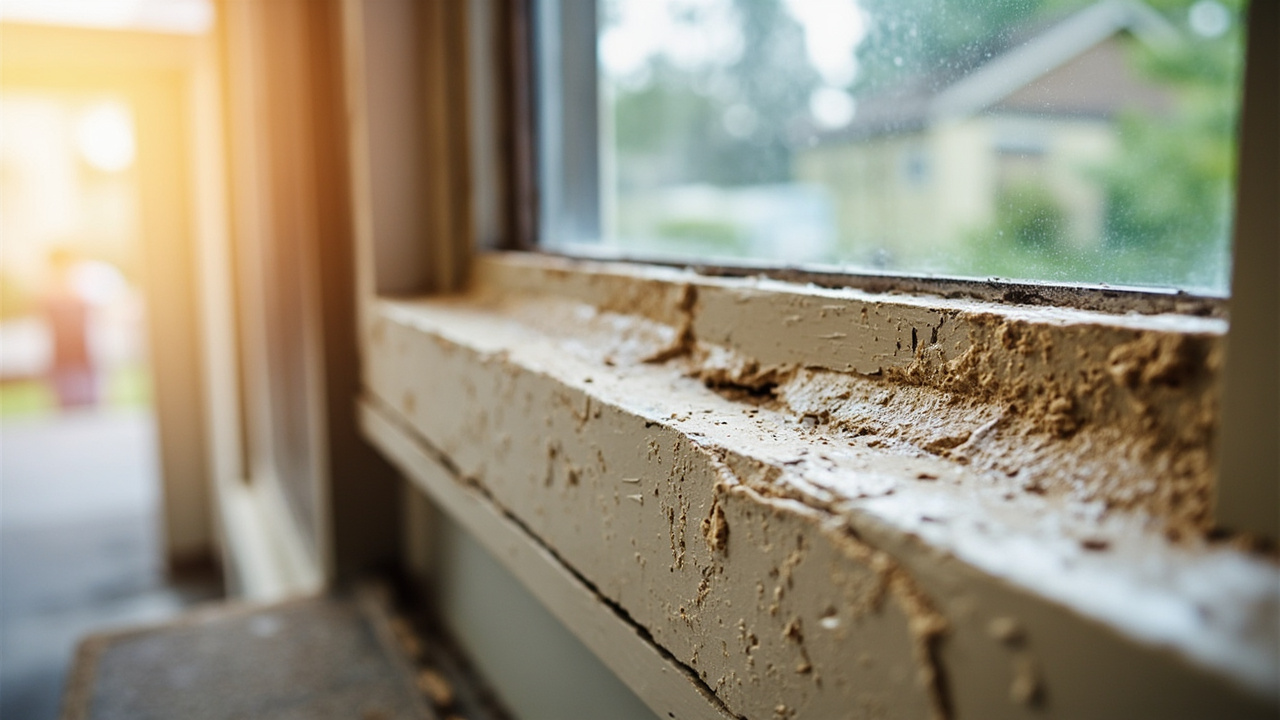
In older Euclid homes, you have to look for the secondary effects of moisture rather than just looking for black stains. Plaster walls do not show mold growth the same way drywall does. Instead, look for bubbling paint or wallpaper that feels slightly damp to the touch. If your baseboards are pulling away from the wall or if the wood trim around your windows looks warped, moisture is trapped behind those surfaces. This is a common issue in the many brick colonials found throughout the city where exterior tuckpointing has failed. Water seeps through the masonry and feeds mold growth in the wall cavities. You should also inspect your carpet tack strips. If they are rusted or dark, you have a moisture problem that is likely supporting a hidden mold colony under your flooring.
Wall and Surface Moisture Thresholds in 2026
To understand the risk in your specific property, you need to know what moisture levels are acceptable for our local climate. The following data represents current 2026 standards for older residential structures in Northeast Ohio.
| Material Type | Normal Moisture Content | At Risk for Mold Growth | High Risk / Immediate Action |
|---|---|---|---|
| Lath and Plaster Walls | 5 percent to 9 percent | 10 percent to 15 percent | Above 16 percent |
| Hardwood Flooring | 6 percent to 10 percent | 11 percent to 14 percent | Above 15 percent |
| Basement Concrete | Less than 4 percent | 5 percent to 7 percent | Above 8 percent |
| Attic Sheathing | 8 percent to 12 percent | 13 percent to 17 percent | Above 18 percent |
Physical Symptoms and Health Indicators
Your body often reacts to hidden mold before your eyes ever see it. Residents in Euclid frequently report increased respiratory issues during the winter months when homes are sealed tight against the cold Lake Erie winds. If you find that your allergy symptoms or asthma attacks improve when you leave the house for work but worsen when you return home, your indoor air quality is likely compromised by mycotoxins. These microscopic spores circulate through your home and cause chronic headaches, itchy eyes, and persistent coughing. In 2026, air quality experts emphasize that even small colonies hidden behind a shower surround can produce enough spores to affect sensitive individuals. This is especially true in older homes where the original ventilation systems were not designed to handle modern humidity levels.
Lake Erie Humidity and Attic Condensation
Euclid homes face a specific threat from attic condensation due to our geographic location. When warm, moist air from your living space rises into a poorly ventilated attic, it hits the cold roof deck and turns into liquid water. This provides the perfect environment for mold to grow on the underside of your roof sheathing. You might not notice this until you see dark streaks on your soffits or smell a musty odor in your upstairs hallway. If you own one of the many historic homes in Euclid, you should also check for professional mold remediation for Shaker Heights homeowners protecting your historic property as many of these regional tips apply to our local architecture. The clay-rich soil in Euclid also contributes to high hydrostatic pressure against basement walls, leading to seepage that fuels mold growth in finished basements.
Current Humidity Impact on Microbial Growth
The rate at which mold spreads depends heavily on the relative humidity inside your home. In 2026, we recommend keeping your indoor levels below 45 percent to prevent dormant spores from activating.
| Relative Humidity Level | Growth Speed | Action Required |
|---|---|---|
| Below 30 percent | Dormant | Monitor for dryness issues |
| 31 percent to 50 percent | Very Slow | Maintain current ventilation |
| 51 percent to 70 percent | Moderate | Run dehumidifier immediately |
| Above 71 percent | Rapid | Professional inspection needed |
Hidden Hotspots in Your Euclid Residence
To effectively find hidden growth, you must check the areas that are often forgotten during routine cleaning. Inspect the back of your kitchen cabinets where the sink pipes enter the wall. Small, slow leaks here are a leading cause of black mold in older Euclid kitchens. Another common spot is behind heavy furniture placed against exterior walls. In 2026, we find that the lack of airflow between a couch and a cold exterior wall creates a microclimate where condensation forms and mold thrives. You should also look at your window tracks. If you see black specks or standing water, it means your windows are not sealing correctly or your indoor humidity is too high. If you ever experience a backup from your plumbing, you should follow the emergency steps when your sewer backs up in Parma because the sanitation risks are similar for Euclid residents.
The Ten Point Inspection Checklist for Homeowners
Use this checklist once a month to ensure your home remains free of hidden microbial growth. Catching a problem early can save you thousands in remediation costs and protect your health.
- Check under all sinks for dampness or a faint musty smell.
- Inspect the ceiling in your basement directly below your bathrooms.
- Look for dark spots or fuzzy growth on the back of your washing machine.
- Examine window sills for signs of peeling paint or condensation.
- Verify that your dryer vent is securely attached and exhausting outside.
- Feel the carpet in the corners of your basement for any dampness.
- Check the insulation in your attic for compression or discoloration.
- Look behind the refrigerator for signs of a leaking water line.
- Monitor the grout in your shower for persistent black stains that return after cleaning.
- Verify that your sump pump is functioning and the pit is not overflowing.
Advanced Professional Detection Methods
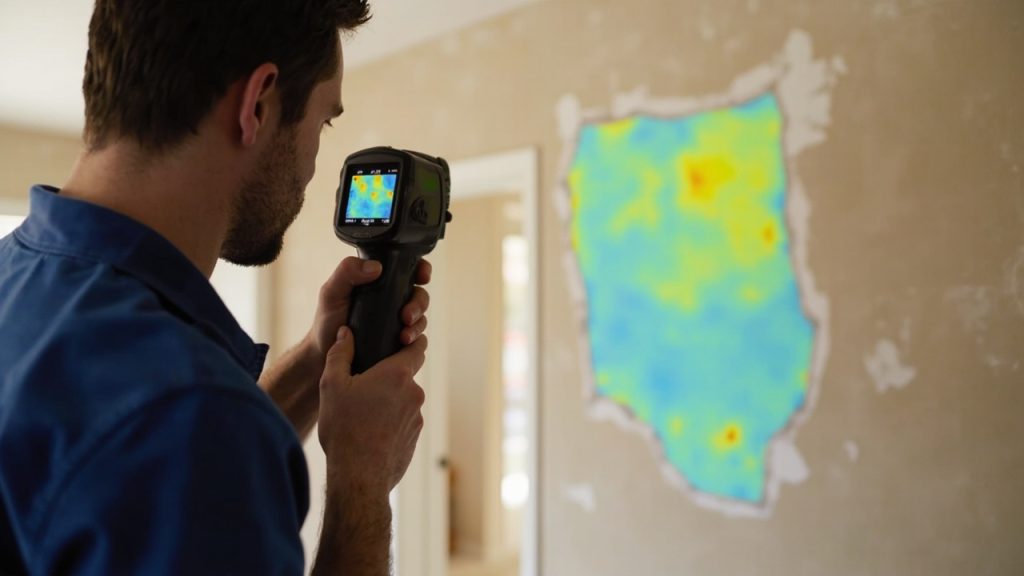
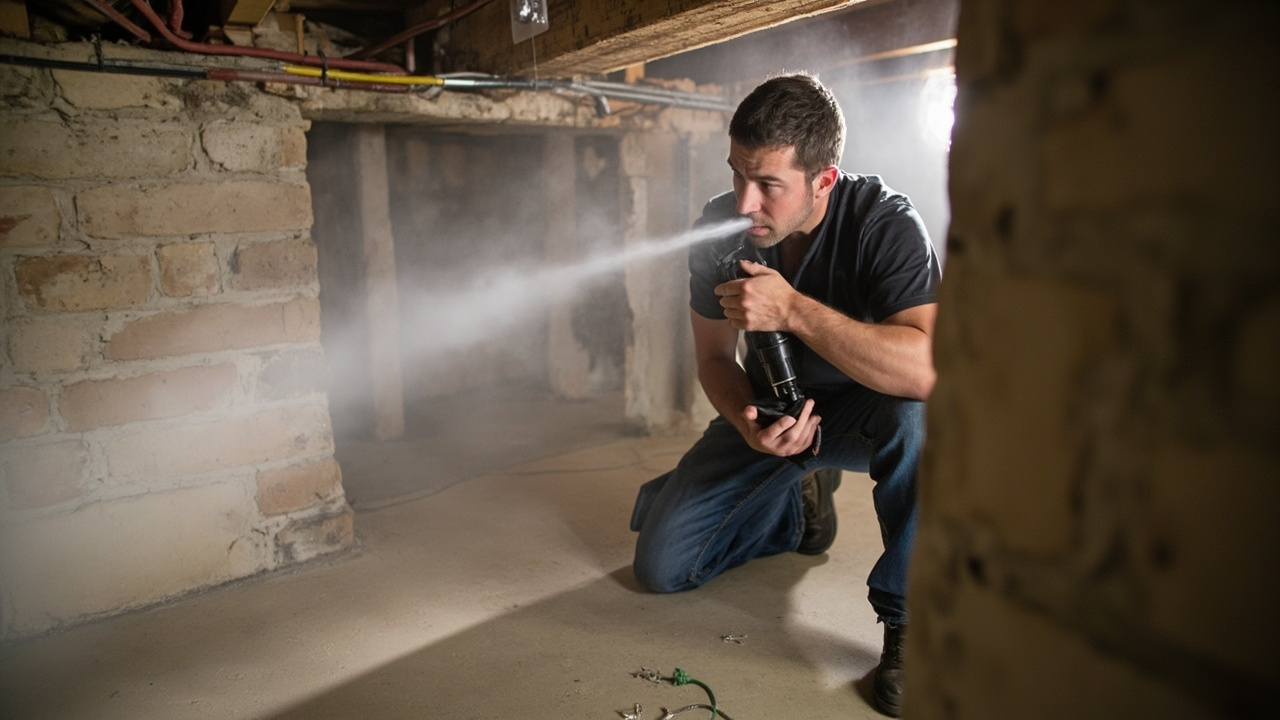
Sometimes a visual inspection is not enough. We use advanced technology to find what the human eye cannot see. Thermal imaging cameras allow us to see temperature differences in your walls which often indicate moisture intrusion. We also use penetrating and non-penetrating moisture meters to check the structural components of your home without causing damage. According to the Environmental Protection Agency, controlling moisture is the only way to truly manage mold growth. If we suspect spores are present in the air, we conduct professional air quality testing. These samples are analyzed in a lab to determine the exact species of mold and the concentration of spores in your living environment. This data is essential for creating a targeted remediation plan that ensures the problem is solved for good.
Why Local Experience Matters in Euclid
Every city has its own quirks when it comes to home construction and environmental factors. Euclid is no different. We understand the specific challenges of the local water table and how it affects your foundation. If you are struggling with water intrusion, you might need to get help now for flooded basements in Lakewood and restore your property fast as the techniques for handling Great Lakes moisture are identical across these lakefront communities. For those in newer builds or areas further west, emergency Westlake burst pipe repair and professional water cleanup services are also available to handle sudden water disasters that lead to mold growth if left untreated.
When you are finding the best water damage restoration pros in Cleveland, look for a team that understands IICRC standards and has a deep history with Euclid properties. Our team uses current 2026 industry protocols to contain the area and prevent cross-contamination during the cleaning process. We do not just kill the mold, we address the root cause of the moisture to ensure your home stays safe for your family. If you suspect your older Euclid home is hiding a mold problem, reach out for a professional inspection today. Early intervention is the key to maintaining your property value and your well being.