
Professional Crawl Space Mold Remediation in Mentor OH
Living in Mentor means dealing with a specific set of environmental challenges that impact the health of your home. The proximity to Lake Erie creates a microclimate where high humidity is a constant factor. In 2026, we see higher moisture levels than ever before, forcing homeowners to pay closer attention to what happens beneath their floors. Many residents near the Headlands or the Mentor Lagoons assume a musty odor is just a normal part of living near the water. This is rarely the case. A damp smell is almost always the first sign of a biological growth problem that requires professional attention. If you ignore these early warnings, you risk structural damage and serious indoor air quality issues.
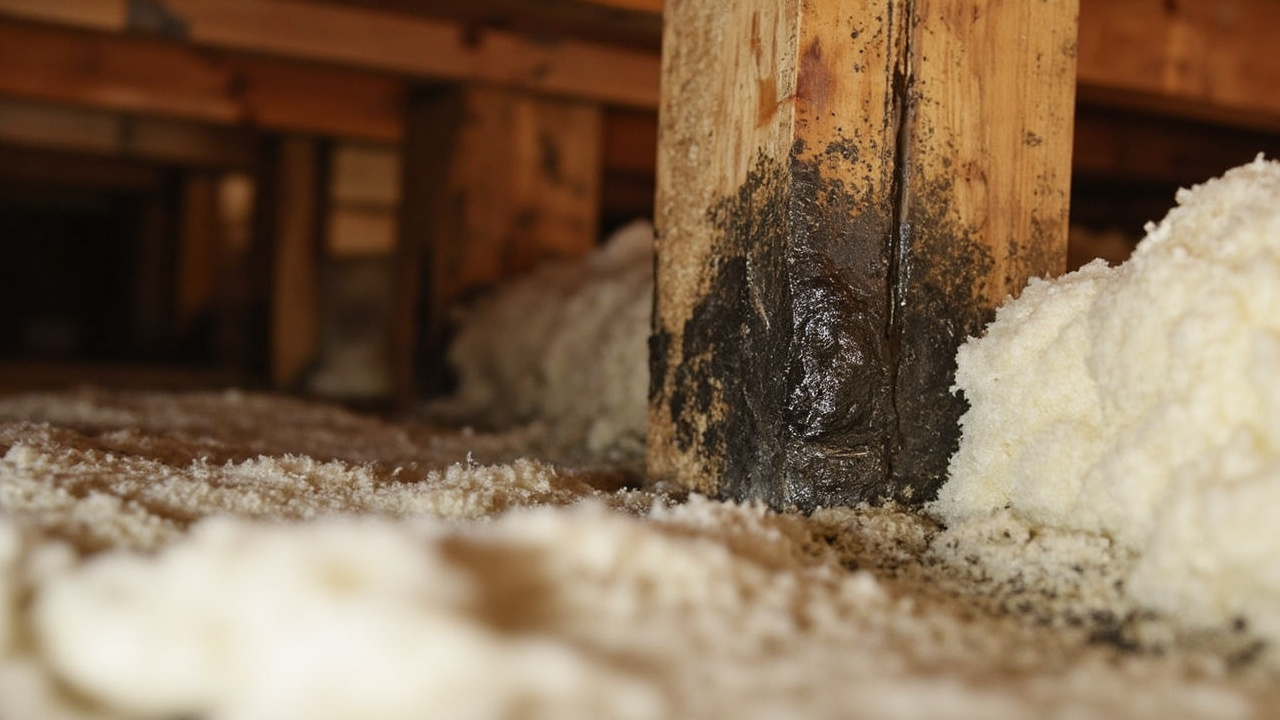
Mentor sits on a high water table with heavy clay soil. This combination prevents proper drainage and allows water to pool against foundations. When this moisture enters your crawl space through porous concrete or open vents, it creates the perfect environment for fungal spores to thrive. Unlike a burst pipe in Westlake where the water is obvious, crawl space moisture is subtle. It builds up over weeks and months until the wood framing becomes saturated. Once the moisture content in your floor joists exceeds twenty percent, mold will begin to colonize the wood surfaces. This is not just a cosmetic issue. It is a structural threat that can lead to wood rot and sagging floors throughout your home.

Common Indicators of Mold Growth in Lake County Homes
Identifying a problem early can save you thousands of dollars in repairs. You should look for physical signs of moisture on your foundation walls. Efflorescence is a common sight in Mentor homes. This is a white, powdery substance left behind when water evaporates from concrete or brick. While efflorescence itself is not mold, it proves that water is moving through your foundation. If you see this, mold growth is likely happening nearby. You might also notice that the fiberglass insulation in your crawl space is drooping or feels heavy. Insulation acts like a sponge, pulling moisture out of the air and holding it against your wooden floor joists.
Your health is often the most sensitive indicator of a problem. Many families in the Cleveland metro area report increased allergy symptoms when they are inside their homes. If you notice persistent sneezing, itchy eyes, or respiratory irritation that clears up when you leave the house, your crawl space might be the cause. The stack effect explains why this happens. Air naturally rises from the lowest point of your home to the highest point. This means about fifty percent of the air you breathe on the first floor originated in your crawl space. If that space is filled with mold spores, those spores are circulating through your entire living area. This makes finding the best water damage restoration pros in Cleveland a priority for your family health.
Crawl Space Symptom Comparison Table
| Symptom Observed | Likely Cause | Urgency Level |
|---|---|---|
| White Powdery Residue | Efflorescence from Ground Water | Moderate |
| Black or Green Spotting | Active Mold Colonization | High |
| Standing Water on Dirt | High Water Table or Poor Grading | Critical |
| Musty Earthy Odor | Fungal Growth in Subfloor | High |
| Sagging Floor Boards | Wood Rot from High Humidity | Critical |
The Professional Remediation Process for Mentor Residents
When you contact a specialist for mold remediation, the process must follow strict industry standards. We adhere to the IICRC S520 Standard for professional mold remediation. This ensures that the spores are not just killed but physically removed from the environment. Simply spraying bleach on mold does not work. Bleach is mostly water, which can actually feed the roots of the mold while only changing the color of the surface growth. Professional remediation requires a methodical approach to ensure the problem does not return next season.
- Full Inspection and Moisture Mapping using infrared cameras and moisture meters.
- Establishment of HEPA filtered negative air pressure to prevent cross contamination.
- Physical removal of contaminated insulation and debris from the crawl space floor.
- HEPA vacuuming of all surfaces including floor joists and subflooring.
- Media blasting or hand sanding of wood members to remove deep fungal roots.
- Application of an EPA registered antimicrobial sealant to protect the wood.
Containment is the most important part of this process. We use heavy duty plastic sheeting to seal off all vents and access points. We then set up air scrubbers that pull air through HEPA filters before exhausting it outside. This creates a vacuum effect that keeps spores from drifting into your kitchen or living room during the cleaning process. This level of care is what differentiates professional work from a DIY attempt. This is especially true when dealing with historic properties in Shaker Heights or older ranch homes in Mentor where dust and spores can travel through old ductwork easily.
Crawl Space Encapsulation and Long Term Prevention
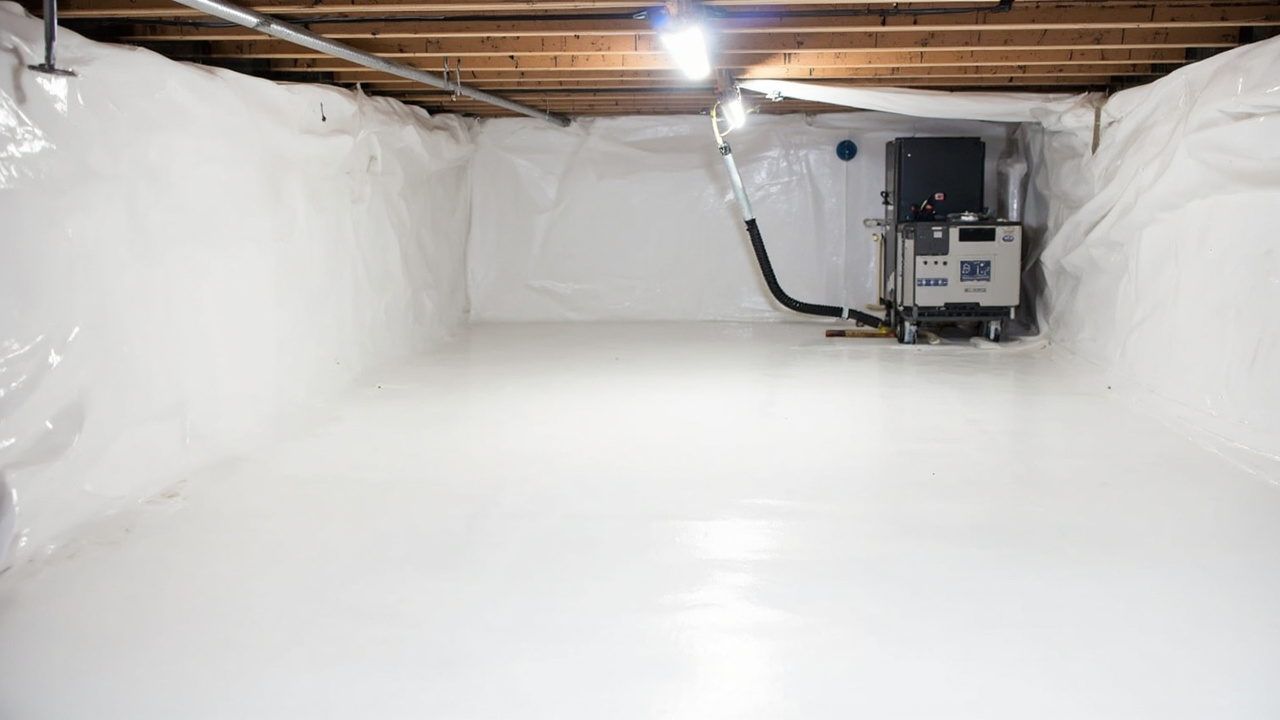
Cleaning the mold is only the first half of the solution. If you do not change the environment, the mold will return during the next humid Ohio summer. In 2026, the standard for moisture control is full crawl space encapsulation. This involves covering the entire floor and walls with a thick vapor barrier. We use a 20 mil reinforced liner that is strong enough to withstand traffic and completely stop ground moisture from entering the space. We seal all seams with waterproof tape and mechanically fasten the liner to the foundation walls. This creates a clean, dry conditioned space that is no longer susceptible to Lake County humidity.
A critical component of encapsulation is the installation of a dedicated dehumidifier. Standard household dehumidifiers cannot handle the workload of a Mentor crawl space. We install heavy duty, high capacity units that are specifically designed for low temperature environments. These units are plumbed directly into a sump pump or a condensate pump so you never have to empty a bucket. By maintaining the relative humidity below fifty five percent, you create an environment where mold cannot grow. This is a similar strategy used to prevent flooded basements in Lakewood from developing long term air quality issues after a storm.
Encapsulation Specifications for 2026
| Feature | Standard Barrier | Full Encapsulation |
|---|---|---|
| Liner Thickness | 6 mil to 10 mil | 20 mil Reinforced Poly |
| Wall Coverage | None | Full Height to Sill Plate |
| Seam Treatment | Overlapped Only | Sealed with Waterproof Tape |
| Humidity Control | Passive Vents | Active Dehumidification |
| Drainage Path | Natural Runoff | Sump Pump and Interior Perimeter Drain |
Addressing Water Intrusion and Drainage Issues
Sometimes the mold in your crawl space is caused by more than just humidity. In Mentor, many homes suffer from hydrostatic pressure. This happens when the heavy clay soil around your foundation becomes saturated and pushes water through the walls. If you see standing water in your crawl space after a heavy rain, you need a drainage solution. We often install interior perimeter drains that lead to a high capacity sump pump. This system captures water before it can reach the surface of your crawl space floor. This proactive approach is vital for maintaining the structural integrity of your home.
You should also inspect your exterior drainage. Make sure your gutters are clean and your downspouts extend at least six feet away from your foundation. In neighborhoods like Mentor Headlands, the sandy soil near the surface can hide how much water is actually pooling underground. If your grading slopes toward the house, you are essentially funneling water into your crawl space. Correcting these exterior issues is a necessary step before we begin the interior remediation and encapsulation. This is as important as knowing the sewer backups in Parma protocol, as water management is the key to property protection.
Choosing a Mentor Restoration Specialist
When selecting a company to handle your crawl space, look for local experience. A company that understands the specific soil conditions and weather patterns of Lake County will provide a more effective solution. Ask about their certification with the Environmental Protection Agency guidelines and ensure they use commercial grade equipment. You want a team that provides a detailed plan including moisture readings and a clear scope of work. A proper inspection should take more than fifteen minutes and should involve a thorough check of the entire crawl space, not just a quick look from the access hatch.
The cost of remediation and encapsulation is an investment in your home value and your health. A dry, clean crawl space makes your home more energy efficient because the air being pulled into your living space is easier to heat and cool. It also protects your wooden structure from the rot that often plagues homes in Northeast Ohio. If you smell that familiar musty odor, do not wait for it to disappear on its own. The current climate in 2026 shows that moisture problems only accelerate over time. Taking action now prevents a small damp smell from becoming a major restoration project later this year. Reach out to a local professional to schedule a comprehensive moisture assessment and regain control of your indoor environment.