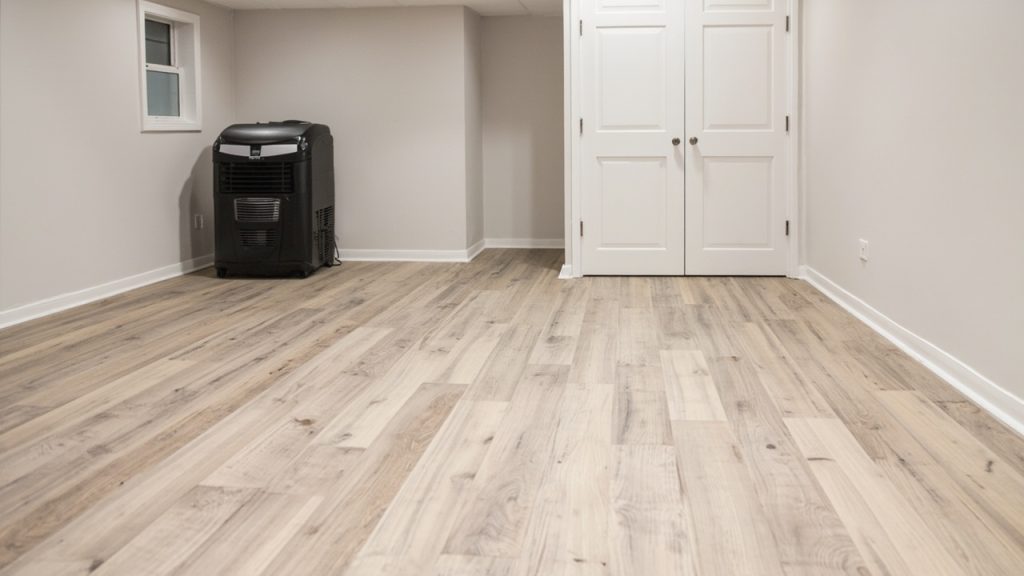
Seven Hills homes face unique basement challenges because of the high clay content in the soil and the local topography. If you recently dealt with a sump pump failure or heavy rain runoff, you know how quickly a finished basement can turn into a swamp. Picking the right replacement floor involves more than just picking a color. You need materials that handle hydrostatic pressure and the high humidity common in the Greater Cleveland area in 2026.
Basements in this part of Cuyahoga County often sit in heavy soil that holds water like a sponge. When the ground becomes saturated, water pushes against your foundation walls and floor. This is why standard laminate or hardwood floors rarely survive in our local environment. You need flooring that can either block moisture or allow the slab to breathe without growing mold. If you are currently dealing with standing water, you should seek help for flooded basements immediately to prevent long term structural issues.
Understanding the Seven Hills moisture environment
Seven Hills is known for its rolling hills and elevation changes. While this provides great views, it creates drainage issues for many properties. Rainwater flows down toward foundation walls. If your gutters are not perfect or your yard grading has shifted, your basement becomes a collection point. The clay soil around our homes expands when wet, putting immense pressure on the concrete slab.
In 2026, we see many homeowners struggling with recurring dampness even without a major flood. This is often caused by vapor transmission. Moisture in the ground turns into gas and rises through the porous concrete. If you install a non-breathable floor without a vapor barrier, that moisture gets trapped. This leads to the sour smell many people associate with old Cleveland basements. It can also lead to serious health risks if you do not address mold issues in your property quickly.
Waterproof versus water resistant flooring
Many big box stores use these terms interchangeably, but they mean very different things for your basement. Water resistant flooring can handle a spill for a few hours. Waterproof flooring can technically be submerged without losing its shape or structural integrity. For a Seven Hills basement, you should only consider waterproof options.
Even waterproof floors have limits. While the material itself might not warp, water can still get trapped underneath. If floodwater stays under a waterproof vinyl plank for a week, mold will grow on the concrete slab. The material survives, but the installation might still need to be ripped out for cleaning. This is a common reality during water damage restoration in Cleveland projects we handle.
Top flooring recommendations for local basements
Luxury Vinyl Plank or LVP is the most popular choice in 2026. It looks like wood but is made entirely of plastic or a stone plastic composite. This makes it immune to rot. If your basement floods, you can often uninstall LVP, clean the floor, and put it back down once the area is dry. This saves you a significant amount of money on replacement costs.
Ceramic and porcelain tiles are the most durable choices. They are essentially waterproof and handle the heavy humidity of Northeast Ohio perfectly. Tile does not off-gas and does not provide a food source for mold. However, the grout lines can be a weak point if not sealed correctly. Tile is also cold on the feet during Cleveland winters, so many residents install radiant heating systems underneath.
Epoxy coatings have seen a huge surge in popularity this year. This is not just for garages anymore. Modern metallic epoxies create a seamless, marble-like finish that is completely waterproof. Because it bonds directly to the concrete, there is no space for mold to grow underneath. It is an excellent choice for homes prone to sewer backups in Parma and surrounding areas because it is very easy to sanitize.
Stained concrete is another breathable option. If your slab is in good condition, we can grind it down and apply a professional stain. This keeps the floor breathable while making it look sophisticated. It is the most flood-proof option because there is literally nothing to remove or replace after a water event.
Flooring material comparison for Seven Hills
| Material Type | Waterproof Rating | Installation Speed | Relative Cost |
|---|---|---|---|
| Luxury Vinyl Plank | High | Fast | Moderate |
| Ceramic Tile | Excellent | Slow | High |
| Epoxy Coating | Excellent | Moderate | Moderate |
| Stained Concrete | Excellent | Moderate | Low |
| Rubber Flooring | High | Fast | Moderate |
The impact of sump pump failure on your flooring
Most Seven Hills basement floods start at the sump pump. When a pump fails during a storm, the water rises from the lowest point, which is usually the subfloor. If you have carpet or laminate, the bottom layer absorbs this water immediately. Capillary action pulls the water up the walls and across the room. Within 24 hours, the adhesive in most laminate floors will fail.
If you have a burst pipe in Westlake or Seven Hills, the water comes from above. This is slightly easier to manage if you catch it quickly. However, sump pump failures involve ground water which often contains bacteria and sediment. This makes the cleanup more technical. You cannot simply dry out a carpet that has been soaked in ground water. The silt and organic matter trapped in the fibers will eventually cause odors and health issues.
Flood recovery potential by floor type
| Floor Type | Salvageable After Flood | Drying Time | Replacement Risk |
|---|---|---|---|
| Carpet | Low | 48-72 hours | High |
| LVP (Floating) | High | 24-48 hours | Low |
| Hardwood | Very Low | 7+ days | Extreme |
| Epoxy | Total | 12-24 hours | Zero |
Essential subfloor preparation for Northeast Ohio
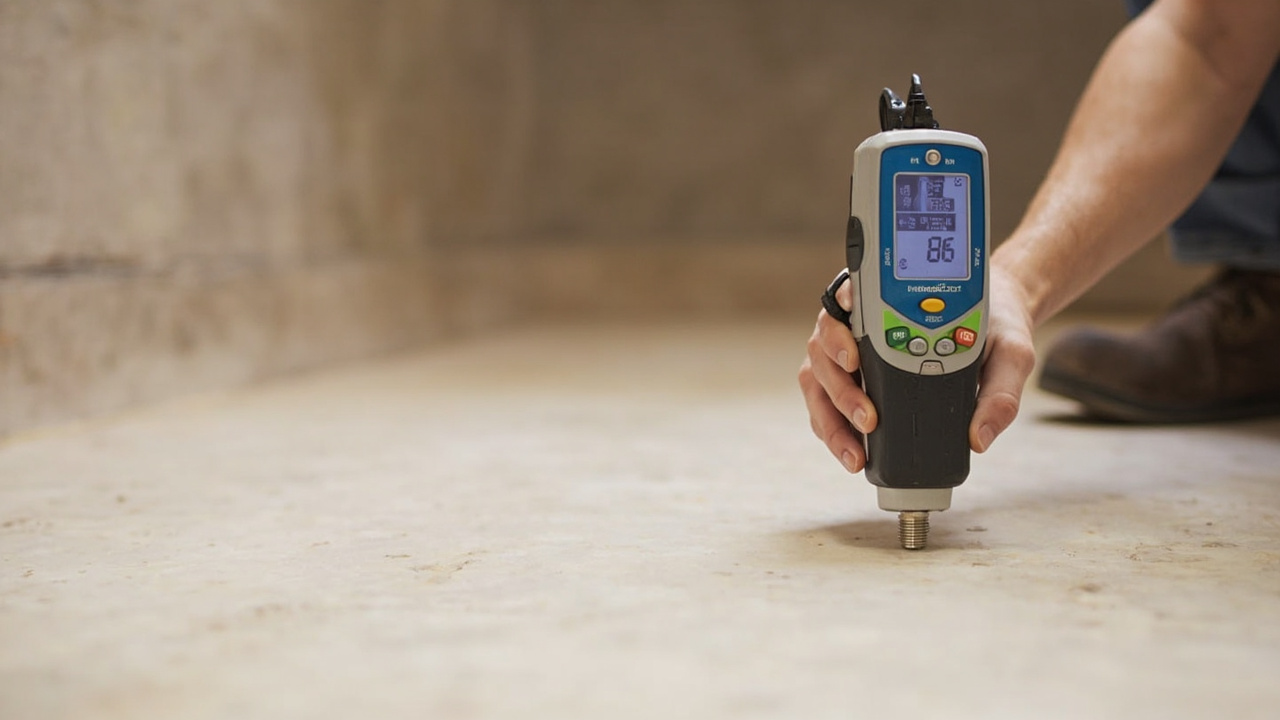
The success of your new floor depends on what happens before the first plank is laid. We always recommend a moisture test on the concrete slab. Even if it looks dry, it might be releasing pounds of water vapor every day. In Seven Hills, we frequently see moisture levels that exceed the limits for standard adhesives.
Using a high-quality vapor barrier is non-negotiable. For LVP, this is usually a 6-mil poly film. For tile, it might involve a liquid-applied waterproofing membrane like those discussed by the National Tile Contractors Association. These layers prevent moisture from reaching your flooring material and stop mold from finding a place to grow.
You should also consider the levelness of your slab. Older homes in the Cleveland area often have settled or cracked slabs. If you install large format tile on an uneven floor, the tiles will crack when the house shifts during the freeze-thaw cycle of winter. Self-leveling underlayment is a common requirement in our restoration projects to ensure the new floor lasts for decades.

Step by step guide to choosing your basement floor
- Identify your primary flood risk such as sump pump failure or foundation seepage.
- Measure the relative humidity in your basement during a rainy week.
- Check your local Seven Hills building codes for any specific requirements on basement finishes.
- Calculate the total cost including subfloor prep and vapor barriers.
- Choose a material that can be easily sanitized if a sewer backup occurs.
- Consult with a restoration professional to ensure your drainage system can handle future storms.
Managing humidity in your finished basement
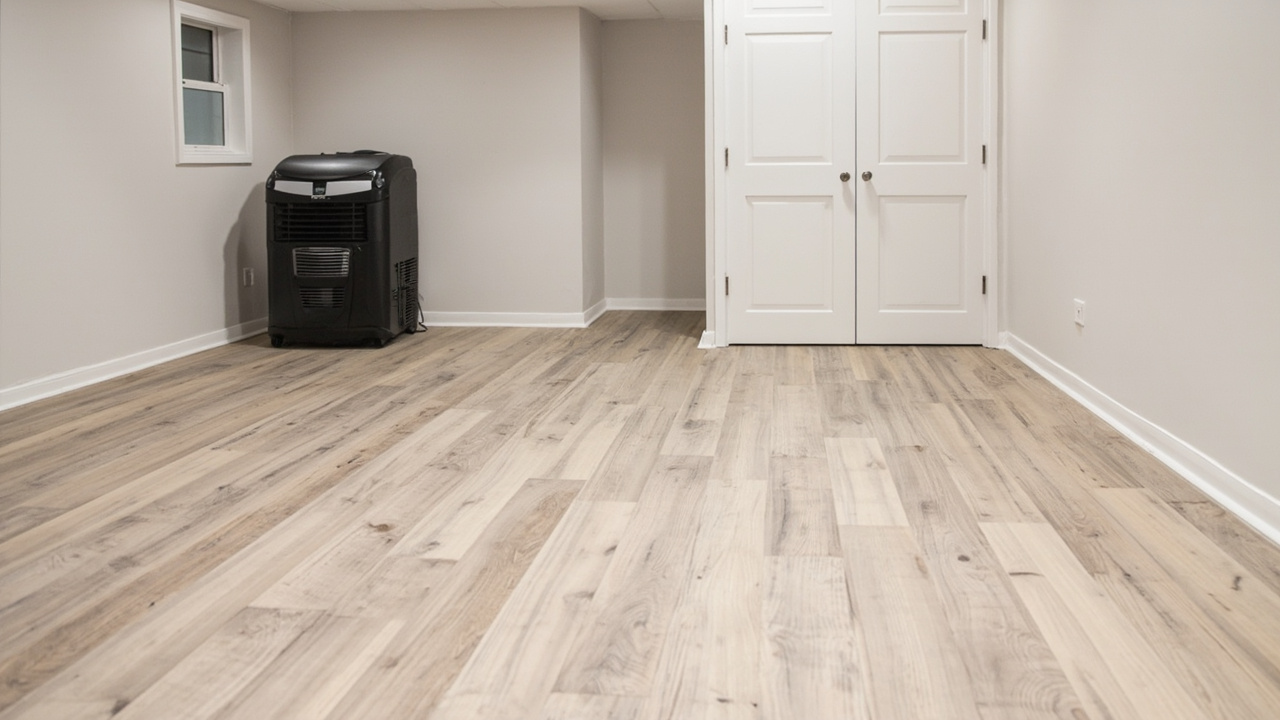
Even the best waterproof floor will not solve a humidity problem. In 2026, we suggest all Seven Hills homeowners run a high-capacity dehumidifier tied directly into their floor drain. According to the Environmental Protection Agency, keeping your indoor humidity below 50 percent is the best way to prevent mold growth. High humidity can cause even waterproof vinyl planks to slightly expand or cause condensation to form on cold tile surfaces.
Poor airflow is another common issue. When we restore basements, we often find mold behind baseboards because air cannot circulate. Using waterproof baseboards made of PVC or composite materials is a smart move. They will not rot if the floor gets wet, and they provide a better seal against the wall.
Professional restoration versus DIY installation
Installing a floor in a bedroom is a great DIY project. Installing a floor in a Seven Hills basement requires more technical knowledge. If you do not address existing moisture issues, your new floor will fail. A professional restoration team looks at the whole system. We check the discharge line of your sump pump, the condition of your foundation, and the moisture levels in your slab.
We see many homeowners spend thousands on beautiful LVP only to have it smell like mildew six months later. This usually happens because they skipped the vapor barrier or failed to treat a minor mold colony before installation. Spending a little more on professional guidance during the rebuild phase saves you from doing the job twice. In the current 2026 market, durability and health are more important than the lowest possible price.
If you are ready to rebuild your basement after a water event, focus on materials that can stand up to the specific challenges of our local geography. From heavy clay soils to rapid snowmelts, Seven Hills basements endure a lot. Choosing a waterproof, resilient floor is the best way to protect your investment and ensure your home stays healthy for your family. Contact us if you need help evaluating your basement or starting the restoration process today.