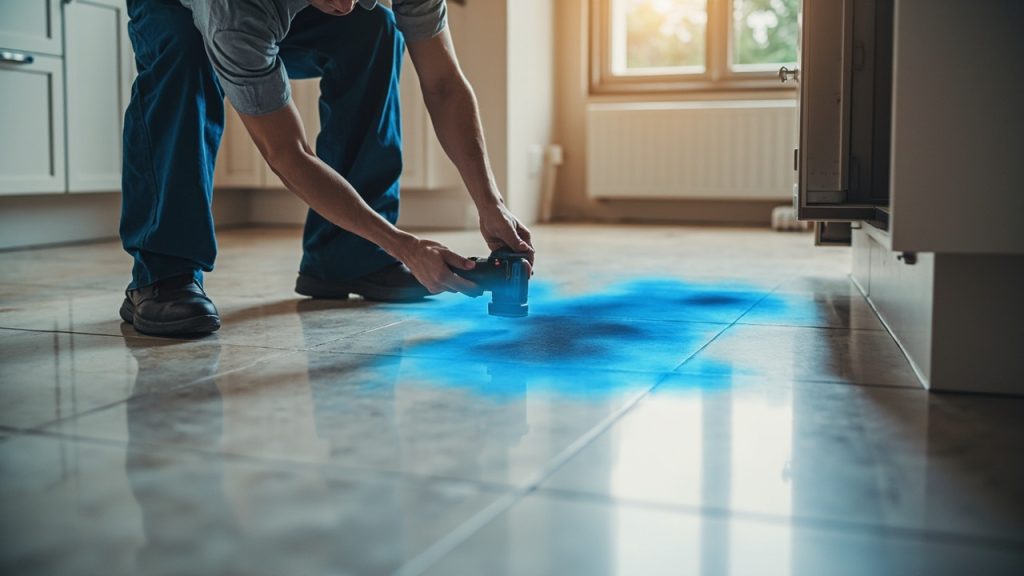
Water trapped under kitchen tile is a hidden threat for many Woodmere homeowners. You might see a beautiful porcelain or natural stone floor and assume it is waterproof. Tile surfaces usually resist spills on top. However, the grout lines and the perimeter where the floor meets the wall are vulnerable points. Once water migrates beneath the tile, it has almost no way to escape. The tile acts as a vapor barrier. This creates a dark and humid environment where structural damage and mold growth happen quickly.
Cleveland weather contributes to these indoor moisture problems. High humidity during the summer and pipe bursts during the winter freeze-thaw cycles put stress on Woodmere plumbing systems. When a dishwasher leak or a refrigerator supply line fail happens, water follows the path of least resistance. It flows into the thin gaps between the tile and the subfloor. If your home sits on a concrete slab, the water can linger in the adhesive layer for weeks without drying. If you have a plywood subfloor, the wood will eventually rot and lose its structural integrity.
Identifying Water Trapped Under Woodmere Kitchen Floors
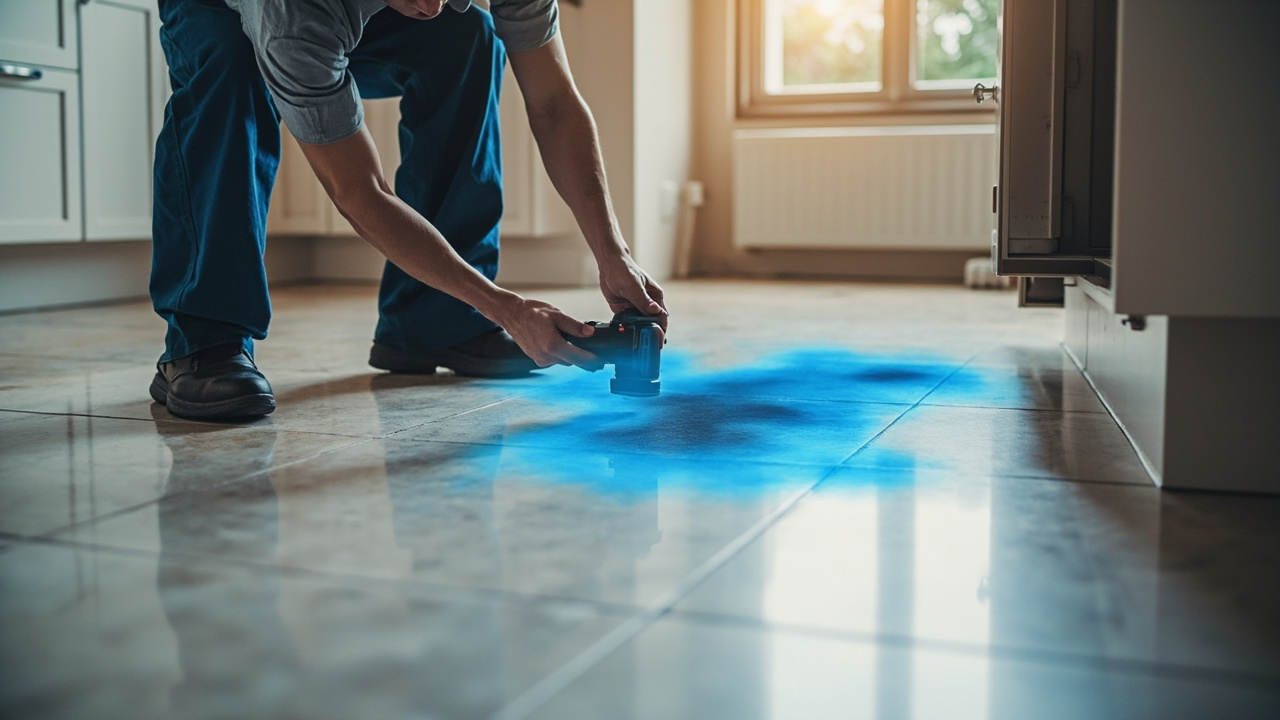
Finding moisture under a hard surface requires more than just a visual inspection. You must look for subtle physical changes in the floor. One of the most common signs is grout discoloration. Grout is porous. If the subfloor is saturated, the moisture will wick up through the grout. This makes the lines between your tiles look dark or damp even when you have not mopped. If you notice a specific area of grout that never seems to dry, you likely have a pocket of trapped water.
Another diagnostic method involves sound. You can tap on the tiles with a tool handle or a coin. A solid, well-bonded tile will produce a sharp and high-pitched click. A tile with water or air pockets underneath will sound hollow or dull. Professionals call this drumming. This indicates that the thin-set mortar has failed due to moisture exposure. This bond failure is a major reason why finding the best water damage restoration pros in Cleveland is necessary to assess the extent of the failure.
You might also notice a musty odor that persists despite cleaning. When water sits under tile, it interacts with the organic material in the dust or the subfloor. This triggers microbial growth within 24 to 48 hours. If your Woodmere kitchen smells like a damp basement, the source is often the hidden layers beneath your feet. Efflorescence is another indicator. This is a white and powdery substance that appears on the grout. It happens when water evaporates and leaves behind mineral salts. If you see white powder appearing on your kitchen floor, moisture is moving through the tile system.
Common Sources of Moisture in Northeast Ohio Homes
Kitchens are high-risk areas because of the density of water-fed appliances. A slow leak from a dishwasher is the most frequent culprit. These leaks often happen behind the unit where they go unnoticed for months. The water seeps into the cabinet base and then under the kitchen tile. By the time you see water on the floor, the subfloor is already saturated. This is a common scenario in the newer builds near Orange Village and Woodmere where open-concept kitchens lead to water spreading across large surface areas.
Ice maker lines are another major factor. These small plastic or copper lines can crack or pull loose. Because the water flow is low, it might not flood the room. Instead, it creates a constant drip that feeds the area under the tile. In some cases, the problem is not a leak from above. Hydrostatic pressure in the Cleveland area can push moisture up through a concrete slab. This is especially common in homes with poor drainage or those located near low-lying areas in the Chagrin Valley. If your slab does not have a proper vapor retarder, the tile adhesive will eventually re-emulsify and fail.
| Source of Water | Detection Difficulty | Typical Impact Area |
|---|---|---|
| Dishwasher Supply Line | Medium | 30 to 50 Square Feet |
| Refrigerator Ice Maker | High | Localised to Kitchen Perimeter |
| Slab Seepage | Very High | Entire Floor Surface |
| Sink Drain Leak | Low | Cabinet Base and Adjacent Tiles |
The Physics of Water Trapped Under Non-Porous Surfaces
Tile is an excellent choice for kitchens because it is durable and easy to clean. However, those same qualities make it a nightmare for water restoration. When water gets under porcelain or ceramic, it cannot evaporate upward. The tile acts like a lid on a container. The moisture is trapped between the tile and the subfloor. In a standard Woodmere home, the temperature under the floor stays consistent, which encourages the growth of bacteria and mold.
Capillary action draws the water deep into the cracks of the subfloor. If you have a plywood subfloor, the wood fibers absorb the water and swell. This causes the tile to heave or tent. Tenting is when two tiles push against each other and lift off the floor in an inverted V shape. This is a clear sign of extreme subfloor expansion. If you experience a sudden plumbing failure, such as the ones discussed in our guide on emergency Westlake burst pipe repair and professional water cleanup services, the volume of water can ruin a tile floor in hours.
Health Risks and Mold Growth on Subfloors
The space under your kitchen tile is a prime breeding ground for mold. Stachybotrys and Aspergillus are common species found in Cleveland homes after water damage. These molds thrive on the paper backing of drywall or the organic components of plywood subfloors. Because the mold is hidden under the tile, you might breathe in spores without seeing the source of the problem. This is a significant health concern for families in the Woodmere area, particularly those with respiratory issues.
Once mold starts, it will continue to spread as long as moisture is present. You cannot simply dry the top of the tile and expect the mold to die. It requires professional remediation to remove the contaminants. Homeowners often need professional mold remediation for Shaker Heights homeowners protecting your historic property if the moisture spreads into wall cavities or adjacent rooms. The cost of delaying restoration is much higher than the cost of an initial inspection.
Restoration Technology for Tile and Stone Surfaces
In 2026, restoration technology has advanced significantly. We no longer have to tear out every tile floor that gets wet. We use infrared thermal imaging to see the water that the human eye cannot detect. Thermal cameras show temperature differences. Since wet areas are cooler than dry areas, we can map the exact migration of the water under your kitchen floor. This allows us to target our drying efforts and avoid unnecessary demolition.
For high-end Woodmere kitchens with expensive stone or custom tile, we use specialized floor drying mats. These mats create a vacuum seal over the tile. High-pressure air movers then pull moisture out through the grout lines. This process is called moisture extraction through evaporation. It is highly effective for floors on concrete slabs. However, if the subfloor is wood and has already begun to delaminate, removal is usually the only safe option to ensure the structure is sound.
| Restoration Method | Timeframe | Effectiveness |
|---|---|---|
| In-Place Drying Mats | 3 to 5 Days | High for Slabs | Standard Dehumidification | 5 to 7 Days | Low for Trapped Water |
| Controlled Demolition | 1 to 2 Days | Guaranteed Removal |
Determining if Your Kitchen Floor Can Be Saved
The decision to save or replace a tile floor depends on the category of water and the duration of the soak. If the water came from a clean source, like a supply line, and we arrive within 24 hours, the chances of saving the floor are high. If the water involves sewage or gray water, such as an overflow from a dishwasher with food waste, the floor is unsanitary. In those cases, the grout and the subfloor must be removed to protect the health of your family. This is similar to the protocols used during an emergency steps when your sewer backs up in Parma.
We also look at the moisture content of the subfloor. Professional restoration technicians use invasive and non-invasive moisture meters. A dry subfloor in the Cleveland area typically measures between 6 and 12 percent moisture. If our meters show readings above 16 percent, the material is at risk for decay. If it exceeds 20 percent, mold growth is almost certain. We follow the IICRC S500 standards to determine the drying goals for every project. You can learn more about these national standards at the Institute of Inspection Cleaning and Restoration Certification website.
Steps to Take After Discovering a Kitchen Leak
- Stop the source of water immediately by turning off the local shutoff valve or the main water line for the house.
- Mop up all standing water from the surface of the tile to prevent further seepage into the grout.
- Remove the baseboards along the affected walls to allow the wall cavity to breathe.
- Check the basement or crawlspace directly beneath the kitchen for signs of dripping or wet subfloors.
- Contact a professional restoration service to perform a moisture map of the area.
Why Homeowners Choose Professional Help in Woodmere
Woodmere residents value their homes and expect high-quality results. DIY drying attempts often fail because standard fans cannot move moisture through grout. The water remains trapped, and the damage continues to grow. By the time the homeowner realizes the floor is still wet, the mold has already spread into the cabinets and the drywall. This leads to a much more expensive and invasive repair process.
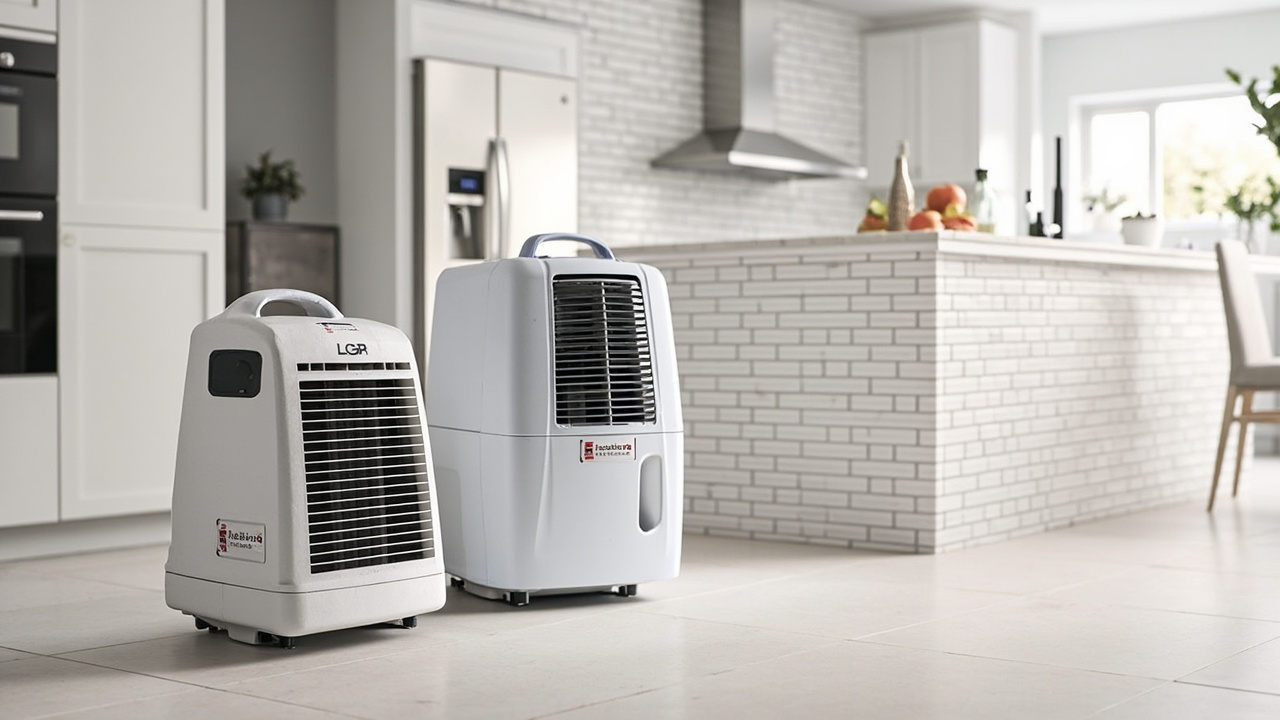
Professional restoration teams bring commercial-grade LGR dehumidifiers to the job. These machines are designed to pull gallons of water out of the air and the building materials every day. We also use HEPA air scrubbers to ensure that mold spores do not circulate through your kitchen during the drying process. For homes with extensive damage, such as those needing get help now for flooded basements in Lakewood and restore your property fast, these tools are the difference between a successful recovery and a total loss.
If you suspect water is trapped under your kitchen tile, do not wait for the floor to heave or the smell to become unbearable. Early intervention is the key to saving your flooring and protecting your home. We serve the entire Cleveland metro area including Woodmere, Beachwood, and Pepper Pike with 24-hour emergency response. Our technicians provide the documentation you need for insurance claims and the technical expertise to dry your kitchen correctly the first time. Contact us today for a professional moisture assessment and get your kitchen back to normal.