Dealing with a Flooded Basement after Lake Effect Rain in Cleveland
Cleveland residents know that lake effect weather patterns bring more than just heavy snow. In 2026, we are seeing intense rainfall events that dump several inches of water over Northeast Ohio in just a few hours. When this volume of water hits the saturated clay soil of Cuyahoga County, it has nowhere to go but into your basement. You need a fast response to prevent structural issues and mold growth. Our team has provided water damage restoration Cleveland services for over 15 years, and we understand exactly how these storms impact local foundations.
Immediate Safety Steps during a Basement Flood
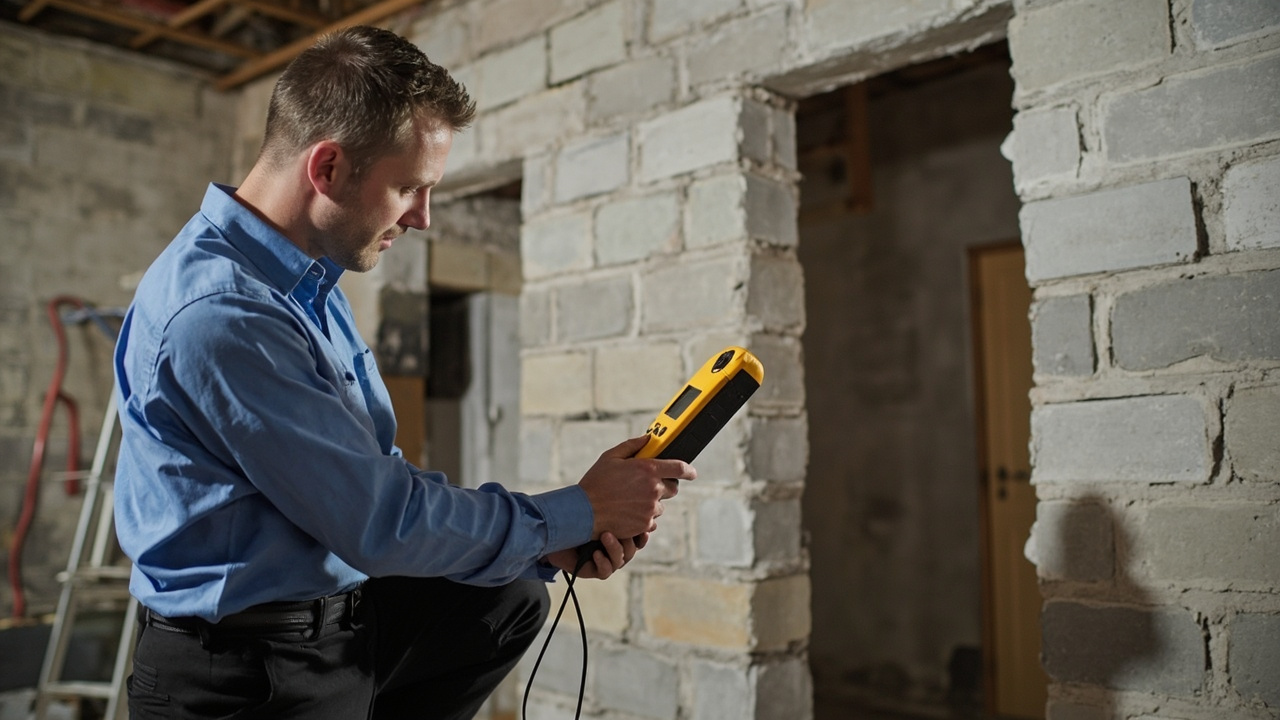
Your safety is the highest priority when you find standing water in your home. Do not walk into a flooded basement until you have confirmed the power is off. Water and electricity are a deadly combination. If your circuit breaker is located in the basement and you must walk through water to reach it, call an electrician or wait for professional restorers to arrive with proper safety gear. You should also wear rubber boots and gloves to avoid contact with potentially contaminated water. Lake effect storms often overwhelm municipal systems, leading to sewage backup cleanup needs that involve biohazards.
Once you have secured the area, check for gas leaks. If you smell gas or hear a hissing sound, leave the house immediately and call the gas company. Floodwaters can extinguish pilot lights on water heaters and furnaces, allowing gas to accumulate in the basement. After the utilities are safe, you can begin documenting the damage for your insurance claim. Take photos and videos from different angles before any water is removed. This documentation is vital for how to handle insurance claims effectively in 2026.
The Science of Cleveland Lake Effect Flooding
Lake effect rain occurs when cold air moves across the relatively warm waters of Lake Erie. This creates narrow bands of intense precipitation. While one neighborhood might stay dry, another like Lakewood or Rocky River could receive three inches of rain in an hour. This volume exceeds the capacity of many residential gutter systems and yard drainage. When water pools against your foundation, hydrostatic pressure forces it through small cracks in the concrete or stone.
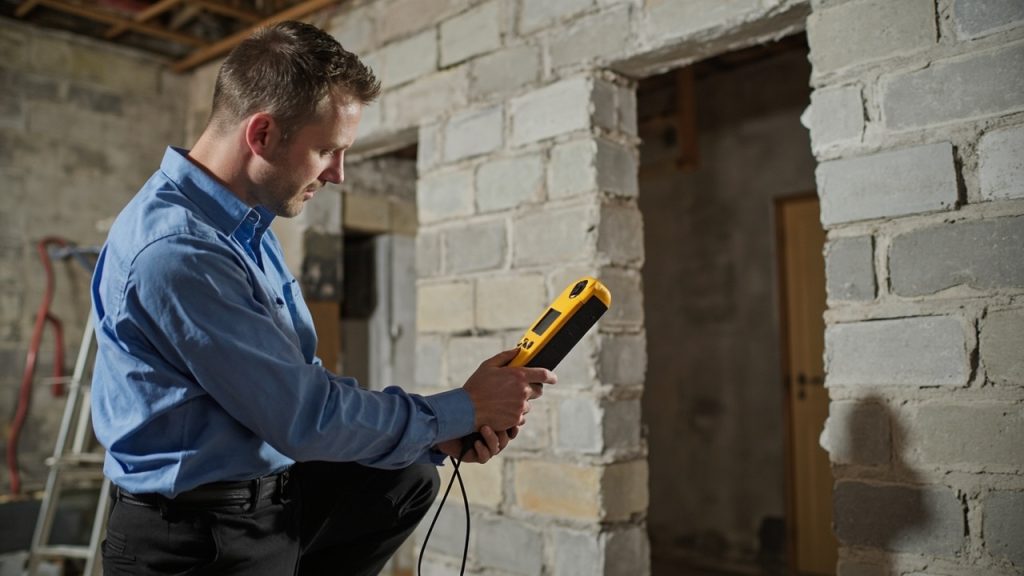
Cleveland homes often have older foundations made of sandstone or concrete block. These materials are porous. As the soil outside becomes heavy with water, the pressure pushes moisture through the walls. This is why you might see water seeping in even if you do not have a full-blown flood. We use hidden moisture detection tools to find water trapped behind finished basement walls or under floorboards. Addressing these hidden pockets is the only way to ensure the structure remains sound.
Comparison of Water Categories in Basement Flooding
The type of water in your basement determines the cleanup protocol. The Environmental Protection Agency provides guidelines on handling contaminated water to protect occupant health.
| Water Category | Source Examples | Risk Level | Restoration Requirement |
|---|---|---|---|
| Category One | Supply line burst, sink overflow | Low | Extraction and drying of materials |
| Category Two | Sump pump failure, dishwasher leak | Medium | Sanitization and pad removal |
| Category Three | Sewage backup, river flooding | High | Removal of porous materials and biohazard cleanup |
The Professional Restoration Process
When our crew arrives at your Cleveland home, we follow a strict protocol based on IICRC S500 standards. This ensures your home is not only dry but safe for your family. The process begins with 24/7 emergency water removal using high-volume pumps. We prioritize removing the bulk of the water to stop the clock on mold growth. Mold can begin to colonize in as little as 24 hours in the humid environment of a Cleveland basement.
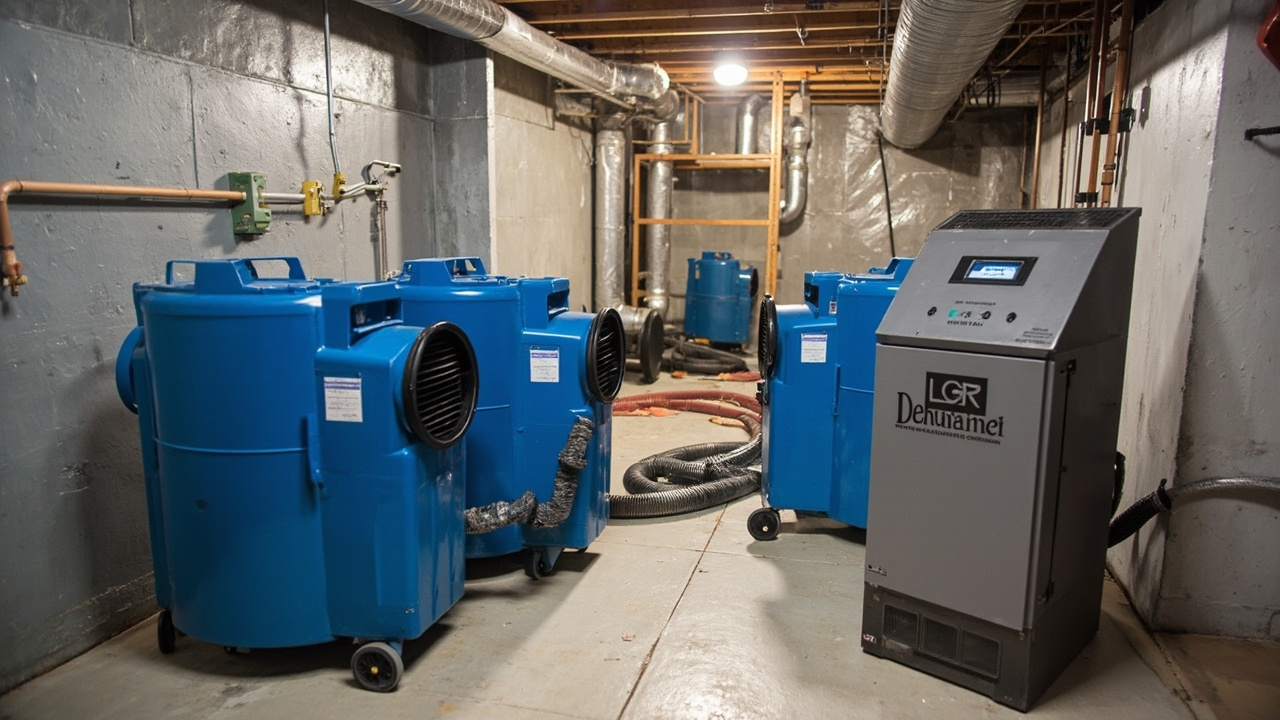
After extraction, we move to the evaporation phase. We use industrial-grade air movers to pull moisture out of materials like drywall, wood studs, and concrete. However, simply moving the air is not enough. We must also control the humidity in the room. This is where structural drying services become technical. We employ low-grain refrigerant dehumidifiers that can remove dozens of gallons of water from the air every day.
Phases of Structural Drying and Dehumidification
- Initial Inspection. We use moisture meters and thermal cameras to map the moisture.
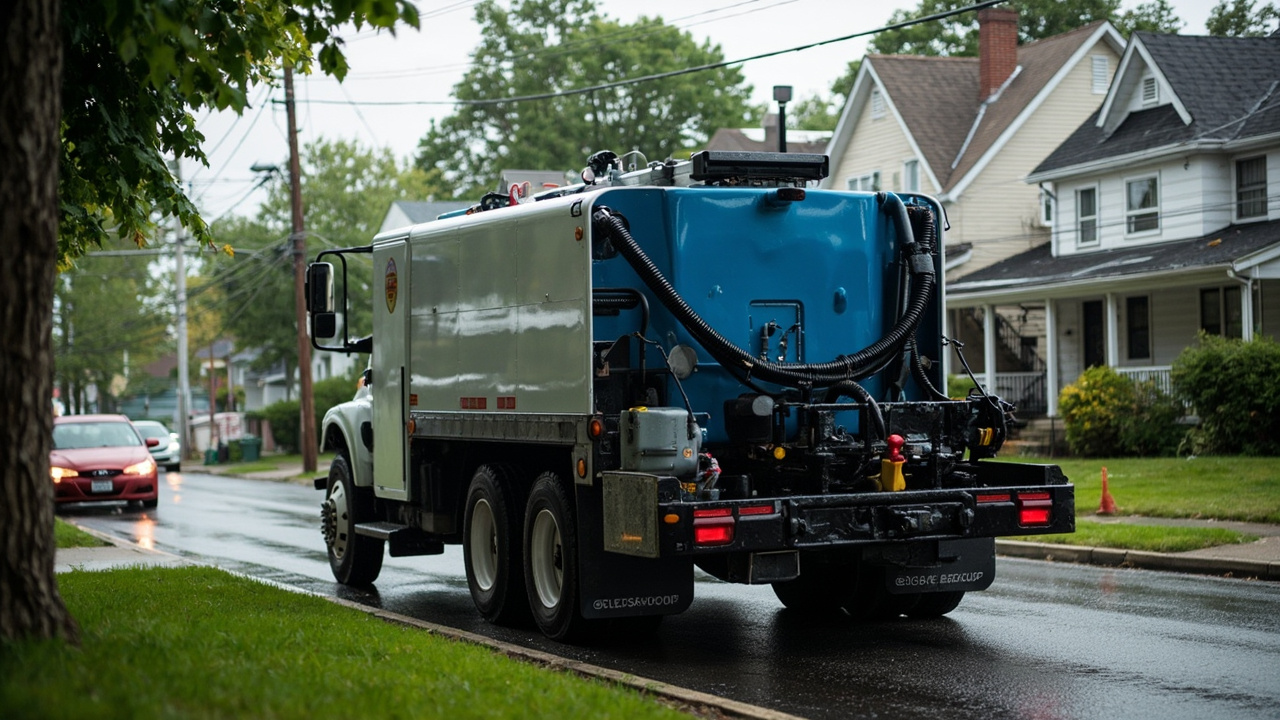
- Water Extraction. We remove standing water with truck-mounted vacuum systems.
- Anti-microbial Application. We treat surfaces to prevent mold and bacterial growth.
- Drying and Dehumidification. We set up air movers and LGR dehumidifiers to pull moisture from the structure.
- Monitoring. We return daily to check moisture levels and adjust equipment.
- Final Testing. We confirm that all materials have reached their dry standard.
Sump Pump Failures and Saturated Soils
Many basements in Parma and Strongsville flood because of sump pump failure cleanup needs. During a lake effect storm, a sump pump might run every 30 seconds. If the pump is old or the power goes out, the basin will overflow in minutes. A battery backup system is a critical investment for 2026 weather conditions. Even a high-quality pump can fail if the discharge line is clogged or frozen during a late-season storm.
If your pump fails, you are dealing with Category Two water. This water contains nutrients that mold loves. We often see homeowners try to dry these areas with household fans. This is a mistake. Household fans do not have the static pressure needed to push air into wall cavities or through flooring. This leads to signs of hidden mold appearing weeks later when the basement starts to smell musty. Professional equipment is necessary to reach a true dry state.
Why Cleveland Foundations Require Special Care
The geography of Northeast Ohio creates unique challenges for basement flood cleanup. The heavy clay soil retains water for a long time after a storm passes. This means the pressure on your foundation walls remains high for days. If you pump the water out of your basement too quickly while the ground outside is still fully saturated, the pressure difference can cause your foundation walls to buckle or collapse. Our team monitors these conditions to ensure we drain the area at a safe rate.
In neighborhoods like Shaker Heights or Cleveland Heights, stone foundations are common. These require a different drying approach than modern poured concrete. Stone foundations have many joints where water can hide. We use specialized drying systems that inject air directly into these areas. If you have finished areas in your basement, we may need to perform swollen baseboards trim removal to allow air to reach the bottom of the wall studs.
Standard Drying Times for Common Materials
Understanding how long does drying take helps you plan for the restoration process. These times are based on 2026 industry standards using professional equipment.
| Material Type | Typical Drying Time | Restoration Method |
|---|---|---|
| Drywall | 2 to 4 days | Air movers and dehumidification |
| Concrete Block | 3 to 5 days | High-capacity dehumidification |
| Hardwood Flooring | 7 to 14 days | Sub-surface floor drying mats |
| Carpet and Padding | 2 to 3 days | Floating or extraction and replacement |
Navigating the Insurance Claim for Flood Damage
Many Cleveland residents have policies with local companies like Progressive or national carriers like State Farm. In 2026, insurance companies are very specific about the difference between a flood and a sewer backup. A standard homeowners policy often does not cover ground water entering through the foundation unless you have a specific rider. We work directly with your adjuster to provide the documentation they need. We use industry-standard software to ensure our estimates are transparent and accurate.
To help your claim, keep all damaged items until the adjuster has seen them. We recommend creating a detailed list of personal property that was lost. This includes everything from furniture and electronics to holiday decorations stored in boxes. Our content cleaning pack-out service can often save items that you might think are a total loss. We use specialized cleaning rooms to restore electronics and soft goods that have been exposed to high humidity.
Long Term Prevention for Cleveland Basements
After we complete the restoration, you should look at long-term solutions to prevent a recurrence. This might include regrading your yard to move water away from the foundation. You should also ensure your gutters are clean and the downspouts extend at least six to ten feet away from the house. For many homes, installing a high-capacity sump pump with a battery backup is the best defense against lake effect rain. You can find more details in our basement waterproofing guide.
The weather in Northeast Ohio is not getting any drier. Taking proactive steps now can save you from the stress and expense of another flood. If you are currently dealing with water in your basement, do not wait for it to go away on its own. The longer water sits, the more damage it does to your home and your health. Contact a professional restoration team immediately to begin the recovery process.
If you need help right now, our team is available 24 hours a day to handle any water emergency in the Greater Cleveland area. We serve all Cuyahoga County neighborhoods from Westlake to Beachwood. We have the equipment and the experience to get your basement dry and your life back to normal. You can visit our contact page or call us for immediate dispatch.