
Richmond Heights homeowners often find themselves dealing with damp basements after heavy spring rains or high humidity during a typical Cleveland summer. If you have carpet in your lower level, you might have a hidden mold colony growing right beneath your feet. This is a common issue in Cuyahoga County where the clay soil retains moisture and puts pressure on older foundations. Identifying the problem early saves your flooring and protects your family from breathing in harmful spores. Understanding how moisture interacts with synthetic fibers and padding is the first step in maintaining a healthy home in 2026.
Early Warning Signs of Hidden Carpet Mold
The most reliable indicator of mold growth is your sense of smell. A persistent musty or earthy odor that lingers even after you clean the room suggests that fungi are active in the padding. This scent comes from microbial volatile organic compounds released by mold as it digests the organic material in your carpet backing. You might notice the smell gets stronger when the weather is humid or when the air conditioner is off. If the air in your basement feels heavy or damp, mold is likely already starting to colonize the dark spaces under the carpet.
Visual cues are another way to spot trouble before it becomes a total loss. Look for discoloration on the surface of the carpet fibers. These spots often look like dirt or stains from a spill, but they will reappear even after professional steam cleaning. If you see white, green, or black specks near the baseboards, the growth has likely spread from the floor up the drywall. Lifting a corner of the carpet near a foundation wall often reveals the true extent of the damage. You might see fuzzy patches on the underside of the carpet or find that the padding has turned a dark, slimy color. Many residents who need Get Help Now for Flooded Basements in Lakewood and Restore Your Property Fast have reported similar findings during their initial inspections.

Why Richmond Heights Basements Face Specific Mold Risks
Richmond Heights has unique geographical features that contribute to basement moisture. The proximity to Euclid Creek and the rolling hills of the area mean that water runoff often moves toward residential foundations. In early 2026, the record breaking ground saturation levels in Northeast Ohio have made basement seepage a daily struggle for many. When water enters through small cracks in the masonry, it gets trapped between the concrete slab and the carpet padding. This creates a sandwich of moisture that cannot evaporate. The lack of airflow in a finished basement allows the mold to thrive undisturbed for months.
Older homes in the area often have foundations made of cinder blocks or stone. These materials are porous and pull water from the surrounding soil through capillary action. This process, often called wicking, brings moisture directly into contact with your carpet. If you live in a historic home, you might face even greater challenges due to the way these structures were originally built to breathe. Homeowners in nearby areas often seek Professional Mold Remediation for Shaker Heights Homeowners Protecting Your Historic Property to address these specific structural vulnerabilities.
Moisture Levels and Growth Probability
To understand the risk, you can look at the relative humidity and moisture content in your basement materials. Professional technicians use moisture meters to get these readings. High readings indicate that the carpet padding is holding onto liquid that will inevitably lead to fungal growth.
| Material Tested | Normal Moisture Level | High Risk Level | Action Required |
|---|---|---|---|
| Concrete Subfloor | Under 4 percent | Over 5 percent | Seal foundation and dehumidify |
| Carpet Padding | Under 10 percent | Over 15 percent | Immediate drying or removal |
| Drywall Base | Under 12 percent | Over 17 percent | Flood cut and inspection |
The Biological Hazards of Carpet Mold
Mold is more than just a stain or a bad smell. It is a biological hazard that impacts the indoor air quality of your entire home. The stack effect causes air from your basement to rise into the upper floors. This means that spores under your Richmond Heights basement carpet eventually end up in your bedrooms and kitchen. Species like Stachybotrys chartarum, commonly known as black mold, produce mycotoxins that can cause serious respiratory issues. If you notice that your family suffers from chronic coughing, sneezing, or skin rashes that improve when you leave the house, the basement carpet is a likely culprit.
Children and pets are at the highest risk because they spend the most time close to the floor. Pets often sniff and sleep directly on the carpet, inhaling a concentrated dose of spores. In 2026, health experts have seen an increase in domestic pet allergies linked directly to hidden basement mold in the Cleveland metro area. If your dog or cat develops unexplained breathing difficulties, you should check the moisture levels in your flooring immediately. If the moisture is coming from a plumbing failure rather than seepage, you may need Emergency Westlake Burst Pipe Repair and Professional Water Cleanup Services to stop the source of the problem.
Professional Detection vs DIY Methods
Many homeowners try to solve the problem by spraying bleach on the carpet surface. This is a mistake that often makes the situation worse. Bleach is mostly water. While the chlorine might kill surface spores, the water soaks into the padding and feeds the mold deep inside. Professional restoration experts use specialized tools like infrared cameras to see temperature differences behind walls and under floors. These cameras show cool spots that indicate where water is hiding. This allows for a targeted inspection without ripping up your entire basement floor.
The Environmental Protection Agency provides guidelines on when to call a professional for mold issues. If the affected area is larger than ten square feet, professional remediation is the safest path. Specialists use HEPA vacuuming and air scrubbing machines to capture microscopic spores that a standard house vacuum would just blow back into the air. This containment strategy is vital to ensure that you do not contaminate the rest of your home during the cleaning process. If you are unsure who to call, start by Finding the Best Water Damage Restoration Pros in Cleveland who have the right equipment for deep carpet extraction.
Deciding Between Restoration and Replacement
Not all moldy carpets need to go to the landfill. If the mold is caught within the first 24 to 48 hours of a clean water leak, it can often be saved. However, if the moisture comes from a sewer backup or ground seepage, the carpet and padding must be removed. Ground water contains bacteria and minerals that support rapid fungal growth. In cases of sewage contamination, the risks are even higher. Residents in Southern Cuyahoga County often face these issues, and they look for Emergency Steps When Your Sewer Backs Up in Parma to handle the hazardous cleanup.
Carpet Type and Remediation Success
The material of your carpet determines how well it will respond to professional treatment. Synthetic fibers are generally more resistant to mold than natural fibers like wool or cotton.
| Carpet Material | Mold Resistance | Restoration Potential | Common Recommendation |
|---|---|---|---|
| Nylon | High | Good | Professional cleaning and sanitizing |
| Olefin | High | Excellent | Full extraction and antimicrobial wash |
| Wool | Very Low | Poor | Immediate removal and disposal |
| Polyester | Moderate | Fair | Replacement often more cost effective |
Effective Remediation Protocols for Cleveland Homes
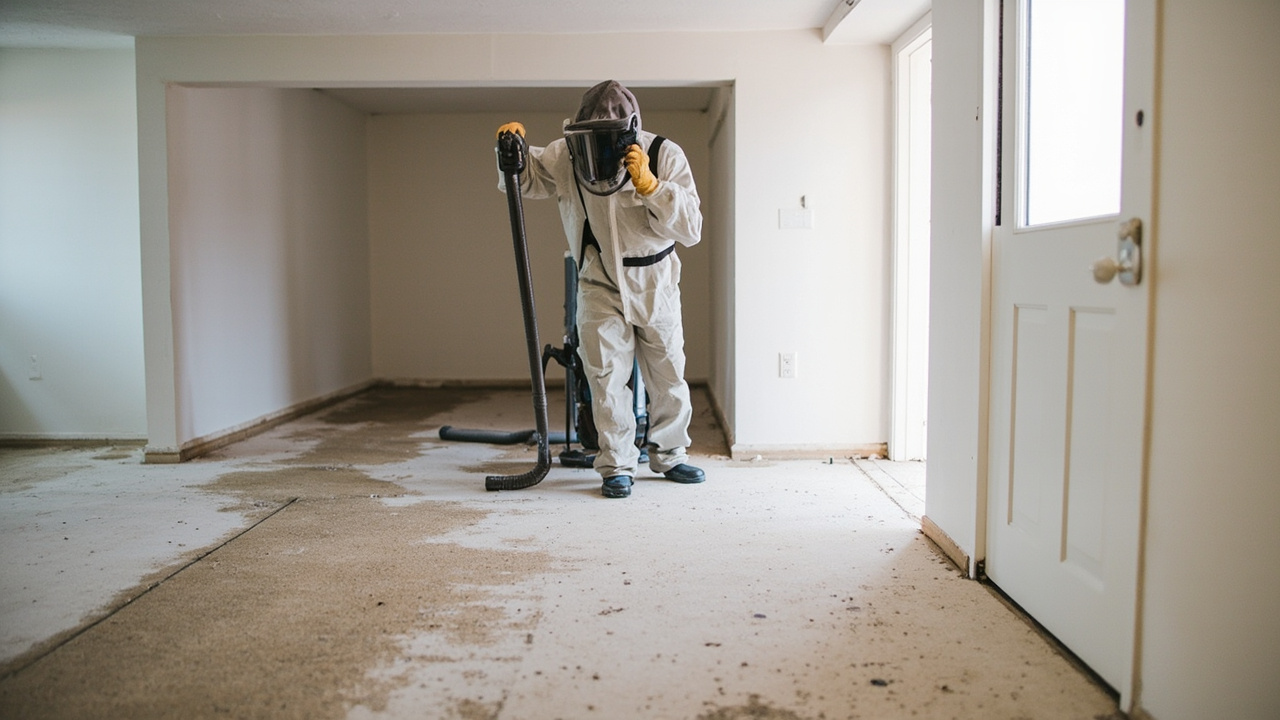
When a professional team arrives at your Richmond Heights home, they follow a strict protocol set by the Institute of Inspection Cleaning and Restoration Certification. The first step is to establish containment using heavy duty plastic sheeting and tension poles. This keeps the mold spores from drifting into your HVAC system. Once the area is sealed, the team uses high volume air movers and commercial grade dehumidifiers to drop the relative humidity below 45 percent. This stops the mold from growing further while the cleaning takes place.
The removal process involves the following steps.
- Careful removal of damaged padding and carpet sections.
- HEPA vacuuming of the concrete subfloor to remove settled spores.
- Application of an EPA registered antimicrobial agent to the floor and walls.
- Deep cleaning of the remaining carpet fibers using hot water extraction.
- Running air scrubbers for at least 48 hours to clean the indoor atmosphere.
The goal is to return your basement to a pre loss condition. This means the air should be as clean as, or cleaner than, the air outside. After the remediation is complete, a third party tester can perform air quality sampling to verify that the mold count has dropped to safe levels. This documentation is important if you ever decide to sell your home in the future.
Preventing Future Mold Growth in Your Basement
Once your basement is clean, you must address the root cause of the moisture. In Richmond Heights, this often means checking your sump pump. A primary pump should have a battery backup system to keep it running during the heavy storms that hit Lake Erie every spring. You should also ensure that your gutters are clean and your downspouts extend at least ten feet away from your foundation. These simple maintenance tasks prevent thousands of dollars in water damage.
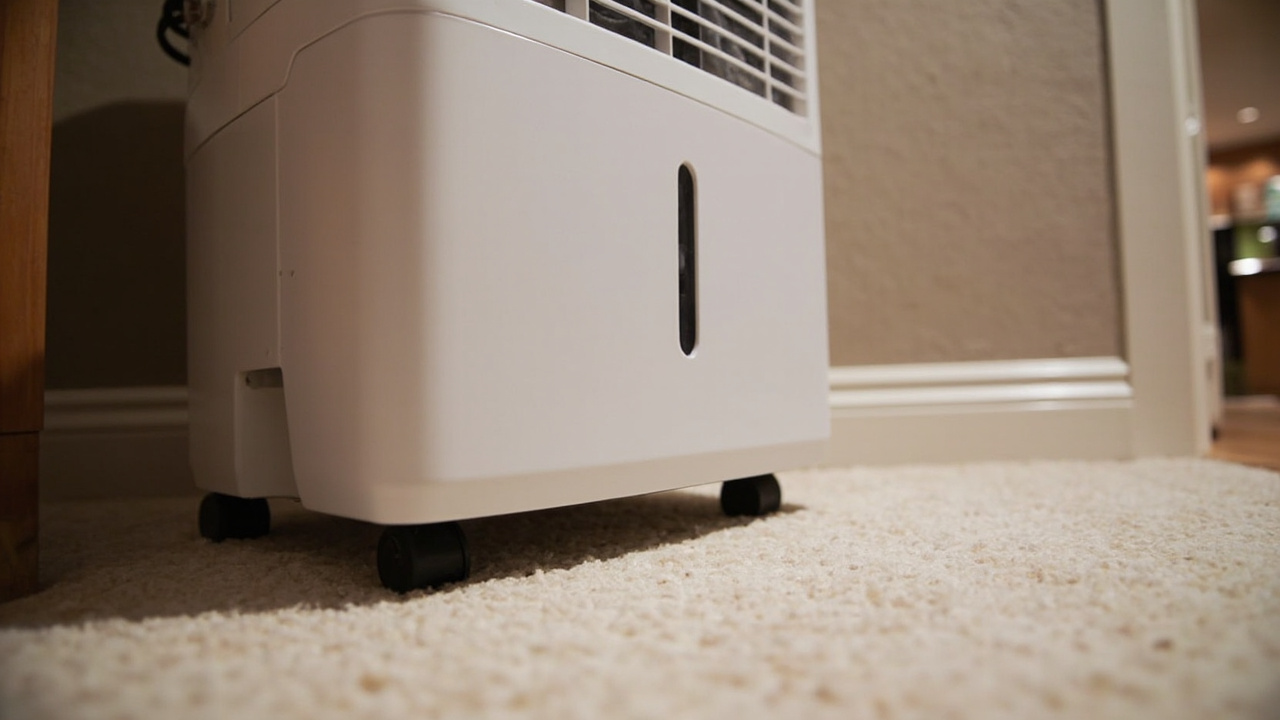
Using a high capacity dehumidifier is essential for finished basements in Cleveland. Set the unit to 45 percent and ensure it has a direct drain hose so it never stops running. If you are installing new carpet, consider using a moisture barrier or a specialized subfloor system like Dricore. These systems create an air gap between the concrete and the flooring, allowing any small amounts of moisture to evaporate before they can cause mold. Monitoring the humidity levels with a simple hygrometer will give you peace of mind that your basement remains a healthy environment for your family.
If you suspect that mold is hiding under your carpet, do not wait for the problem to grow. Addressing the issue today prevents the spread of spores and protects the structural integrity of your home. A professional moisture assessment can give you the answers you need and help you create a plan for a dry, mold free basement in 2026.