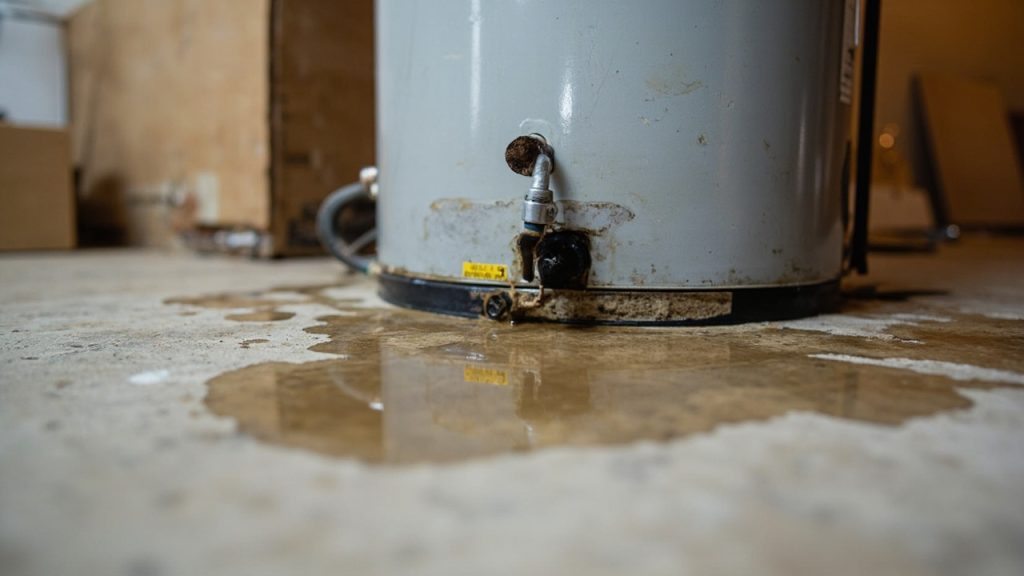
A leaking water heater in Berea creates an immediate crisis for any homeowner. If you notice water pooling at the base of your tank, the clock is already ticking against your floorboards and drywall. Many homes in the older neighborhoods of Berea contain finished basements where a small leak quickly turns into a catastrophe. You must act fast to protect your property from structural rot and toxic mold growth that thrives in the damp Cleveland climate.
Immediate Safety Steps for Homeowners
Your first priority involves safety and stopping the flow of water. Water and electricity are a deadly combination. If your water heater is electric, find your breaker box and flip the switch to the off position for the water heater circuit. For gas water heaters, locate the thermostat dial on the front of the tank. Turn it to the pilot or off setting. This prevents the unit from heating while empty, which can cause the tank to explode or melt internal components.
Next, you must stop the water supply. Locate the cold water shut-off valve on the pipes above the water heater. Turn it clockwise until the water stops. if the valve is stuck or corroded, you may need to turn off the main water valve for your entire house. In many Berea homes, the main shut-off is located in the basement near the street side of the house. Once the water is off, open a hot water faucet elsewhere in the house to release the pressure built up inside the lines.
Draining the tank comes next. Attach a standard garden hose to the drain valve at the bottom of the tank. Lead the other end of the hose to a floor drain or outside. Open the drain valve slowly. Be careful because the water exiting the tank will be extremely hot. Draining the tank prevents the remaining thirty to fifty gallons of water from spilling onto your floor as the leak worsens. This is a critical step in preventing a flooded basement in the Greater Cleveland area.
Understanding Why Your Tank Failed
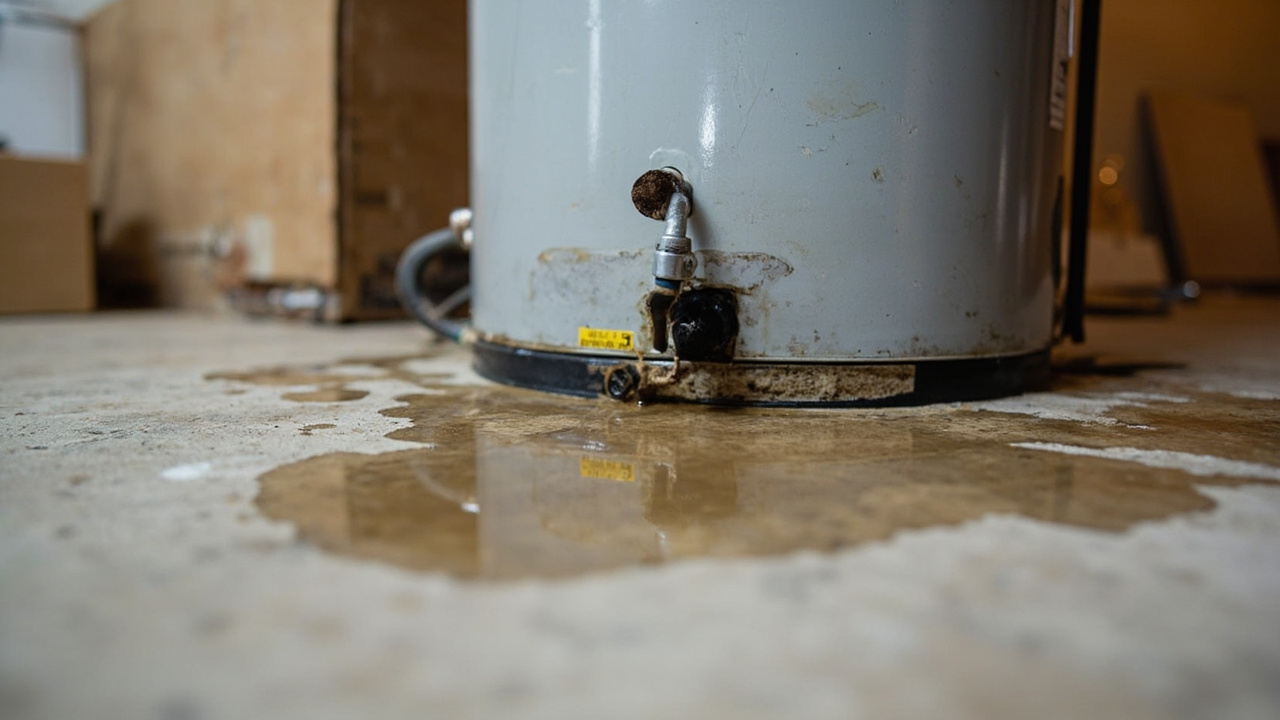
Most water heaters in Cuyahoga County fail because of the local water chemistry. Lake Erie provides our water, and while it is treated well, it still contains minerals that settle at the bottom of your tank over time. This sediment acts as an insulator, trapping heat between the burner and the water. This causes the metal at the bottom of the tank to overheat, expand, and eventually crack. If you hear popping or rumbling sounds when your heater runs, that is the sound of sediment boiling.
Another common culprit is the sacrificial anode rod. This rod hangs inside the tank and is designed to corrode so the tank does not have to. Once the rod is completely dissolved, the water begins to eat the steel walls of the tank itself. In the humid 2026 environment of Cleveland, external corrosion also plays a role. Moisture in the air can cause the exterior jacket to rust if the basement is not properly dehumidified. If the leak is coming from the very bottom of the tank rather than a pipe fitting, the internal lining has likely failed. A failed tank cannot be repaired and must be replaced immediately.
Restoration vs Simple Plumbing Repair
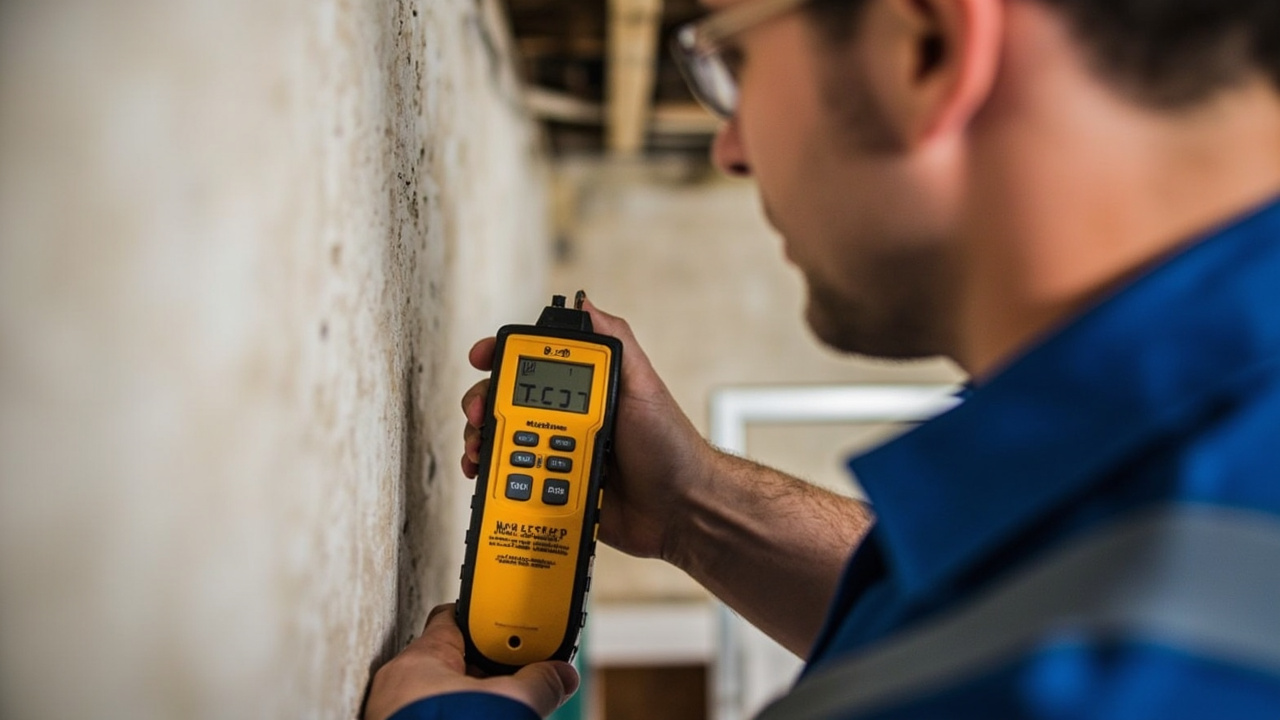
Many homeowners make the mistake of only calling a plumber. While a plumber can install a new unit, they do not have the equipment to handle the water damage left behind. Water that leaks from the bottom of a tank often migrates under baseboards, into carpet pads, and behind drywall. If this moisture is not professionally extracted, you will face mold issues within forty-eight hours. Professional water damage restoration in Cleveland involves using moisture meters to find hidden pockets of water that the naked eye cannot see.
Restoration professionals use high-speed air movers and LGR dehumidifiers to pull moisture out of the structural elements of your home. This is especially important in Berea where many homes feature older, porous concrete foundations. Concrete acts like a sponge, pulling water up into the sill plates and wall studs. Standard fans are not enough to dry these materials before rot begins. You need industrial-grade equipment to ensure the humidity levels in your basement return to safe percentages.
Comparison of Water Damage Impact Levels
| Damage Category | Signs and Symptoms | Restoration Requirements |
|---|---|---|
| Category 1 (Clean Water) | Fresh water from the supply line or tank with no contaminants. | Extraction and dehumidification of structural materials. |
| Category 2 (Gray Water) | Water that has sat for over 24 hours or contains soap/sediment. | Disinfection of surfaces and removal of saturated carpet pads. |
| Category 3 (Black Water) | Water mixed with sewage or long-standing stagnant water. | Complete removal of porous materials and professional biohazard cleaning. |
The Science of Professional Water Extraction in Cleveland
When a professional restoration team arrives at your Berea home, they follow a scientific process governed by the IICRC standards for professional drying. The first phase is thermal imaging. By using infrared cameras, technicians can see the temperature differences caused by moisture behind your walls. This allows them to target the drying process without tearing down every piece of drywall in your basement. This precision saves you money and reduces the time your home is under construction.
The next phase is physical extraction. Pumps and weighted extractors remove the liquid water from carpets and floors. Once the standing water is gone, the evaporation phase begins. We use air movers to create high-velocity airflow across wet surfaces. This movement breaks the boundary layer of saturated air, allowing moisture to evaporate more quickly. Without the use of professional dehumidifiers, this evaporation would simply raise the indoor humidity to 100 percent, causing secondary damage like mold on your ceiling or furniture. Dehumidifiers catch that airborne moisture and pump it down the drain.
If you live in a historic home in the region, special care is required. Homes with plaster walls or original hardwood floors require slower, more controlled drying to prevent cracking or warping. This is a common concern for Shaker Heights homeowners protecting historic properties from water-related decay. The same principles apply to the traditional architecture found throughout Berea and Lakewood.
Typical Restoration Timelines for Water Heater Failures
The duration of a restoration project depends on how long the water was allowed to sit. If you catch the leak immediately, the drying process usually takes three to five days. If the leak occurred while you were away at work or on vacation, the timeline extends as materials may need to be removed and replaced. Understanding the stages of restoration helps you manage expectations during the recovery process.
| Phase | Actions Taken | Estimated Timeframe |
|---|---|---|
| Emergency Response | Water shut-off, power safety check, and initial extraction. | 1 to 4 hours |
| Structural Drying | Placement of air movers and LGR dehumidifiers. | 3 to 5 days |
| Monitoring | Daily moisture checks and equipment adjustment. | Ongoing during drying |
| Reconstruction | Replacing drywall, flooring, or baseboards. | 1 to 2 weeks |
Preventing Mold Growth in the Berea Climate
Cleveland experiences high humidity throughout much of the year, even in 2026. This atmospheric moisture makes it very difficult for a basement to dry out on its own. When a water heater leaks, the local humidity levels inside the home can spike to over 70 percent. This creates the perfect environment for mold spores to activate. You might notice a musty smell or see dark spots on the bottom of your drywall within a few days of the leak. Mold can cause respiratory issues and decrease the air quality for your entire family.
Professional restoration includes applying antimicrobial treatments to the affected areas. these solutions kill existing spores and prevent new colonies from forming while the drying process is underway. It is much cheaper to prevent mold now than to pay for a full-scale remediation later. If you have already noticed a foul odor after a leak, you should seek professional help immediately. For residents in other parts of the county, we also provide emergency Westlake burst pipe repair and water cleanup to handle similar appliance failures.
Navigating Insurance Claims for Water Damage in Ohio
Most Ohio homeowners insurance policies cover water damage from a sudden and accidental appliance failure, such as a water heater leaking from the bottom. However, they often do not cover damage caused by long-term neglect. This is why you must document the leak as soon as you find it. Take photos of the bottom of the tank, the standing water, and any damaged belongings. Do not throw away the water heater until your insurance adjuster has had a chance to see it or you have clear photo evidence of the failure point.
A professional restoration company will work directly with your insurance provider. They use industry-standard software to create line-item estimates that adjusters recognize. This speeds up the claim process and ensures that the work is performed to code. If your water heater leak is complicated by other issues, such as a backup in your drainage system, you may need specialized assistance. We help clients with various issues, including emergency steps when your sewer backs up in Parma.
Common Questions About Leaking Water Heaters
Homeowners often ask if they can just patch a leak at the bottom of a tank. The answer is no. A water heater is a pressure vessel. Any patch would be temporary and would likely fail violently under the pressure of the city water lines. If the tank is leaking from the bottom, the structural integrity of the steel has been compromised. You must replace the unit.
Another common question involves the age of the unit. Most water heaters are designed to last eight to twelve years. If your unit is older than ten years and starts leaking, it is a sign that the entire system is at the end of its life. Trying to repair components like the heating element or the pressure relief valve on an old, leaking tank is a waste of resources. Focus your budget on a new high-efficiency model and professional drying services to protect your home value.
Berea homeowners should also consider installing a leak detection system. These small sensors sit on the floor near the water heater and sound an alarm or send an alert to your phone if they detect moisture. Some advanced models can even automatically shut off the main water valve. This technology is becoming standard in 2026 for proactive property management. It provides peace of mind, especially if your water heater is located in an attic or a finished part of the home.
Protecting Your Finished Basement
If you have a finished basement in Berea, a water heater leak is particularly dangerous. Water travels under the flooring and sits against the wooden wall plates. If your basement has laminate or hardwood, the water will cause the planks to cup or buckle. Even tile floors are at risk as water can seep into the grout and loosen the adhesive. A professional restoration team will often use specialized floor drying mats that use suction to pull moisture out from beneath the flooring without requiring its removal.
The Environmental Protection Agency provides guidelines on moisture control to prevent mold, emphasizing that any wet material must be dried within 24 to 48 hours. Following these federal guidelines is part of our commitment to local safety. We understand the specific challenges of Cleveland basements, from the clay soil pressure to the seasonal temperature swings that stress your plumbing system.
When you face a water heater emergency, you need a team that understands both the plumbing failure and the structural restoration. Do not wait for the water to soak deeper into your foundation. Contact a local expert who can arrive quickly, extract the water, and begin the drying process before mold takes hold of your property. Protecting your home starts with taking the right steps in the first hour of a leak. If you see water at the base of your tank, follow the shut-off procedures and call for professional help immediately.