
Immediate signs of water intrusion in Richmond Heights garages
Identifying the source of water in your Richmond Heights garage determines your safety and your insurance coverage. In 2026, Northeast Ohio continues to see unpredictable weather patterns that stress residential drainage systems. You might walk into your garage after a heavy storm and find several inches of standing water. Your first instinct is to start cleaning, but the source of that water dictates every step you take next. Surface water and sewer backups require different tools and different levels of personal protective equipment. Understanding the physical indicators and the direction of water flow helps you make an informed decision before you touch the mess.
Surface water usually enters from the outside during heavy rain. It flows under the garage door or seeps through the foundation walls due to hydrostatic pressure. In Richmond Heights, the topography often creates runoff issues for homes near the valley edges. If the water looks like the rain falling outside or contains mulch and grass clippings, you are likely looking at surface water. This is generally considered Category 2 water if it has traveled across the ground. It carries silt and lawn chemicals but lacks the high concentration of human pathogens found in sewage.
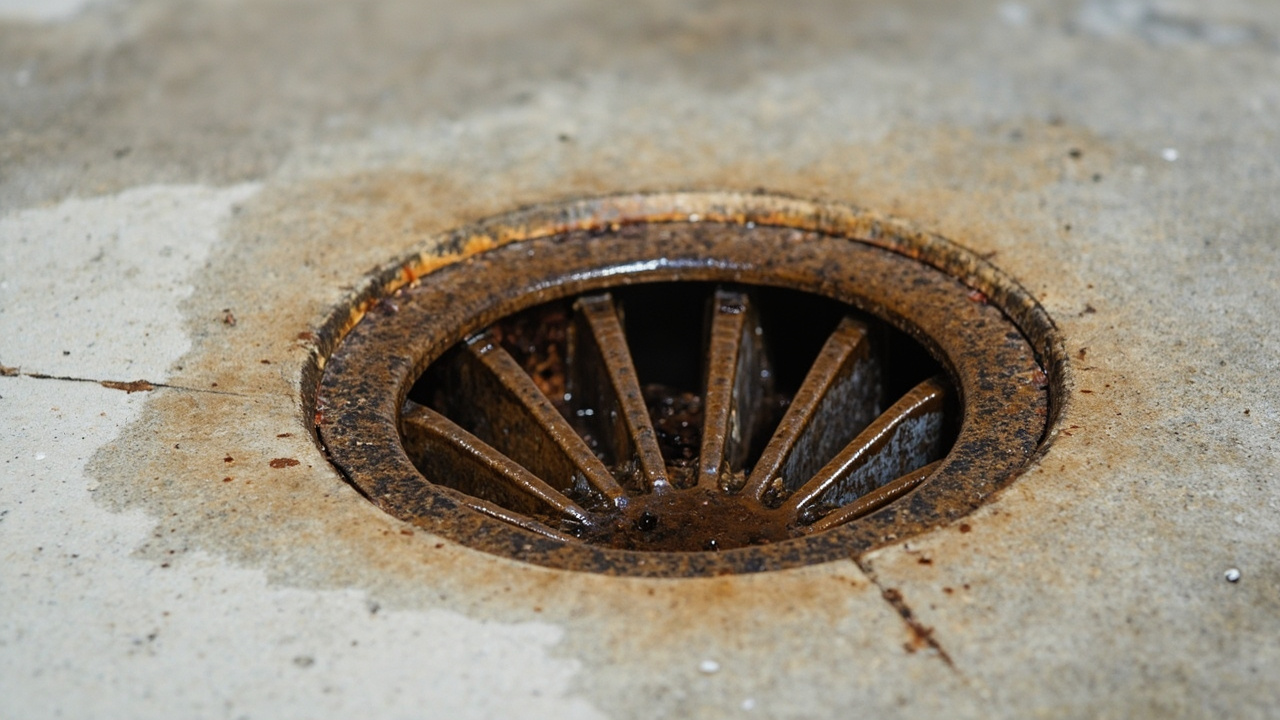
Sewer backup is a different animal. This occurs when the main municipal sewer line or your lateral line becomes overwhelmed. Instead of water flowing out of your property, waste and gray water push back into your home through floor drains or cleanouts. In your garage, this usually manifests as water bubbling up from the drain in the center of the floor. This water is Category 3, or black water, and carries significant health risks. Identifying this correctly prevents you from exposing yourself to dangerous bacteria and viruses while trying to save your property.

Physical characteristics of sewer backup water
Sewer water has distinct visual and olfactory markers. The most obvious sign is the smell. If your garage smells like a portable toilet or rotting organic matter, you have a sewer issue. This odor is caused by the decomposition of waste and the presence of hydrogen sulfide gas. Surface water might smell earthy or like wet soil, but it will not have that sharp, pungent stench of raw sewage. You should never ignore a foul smell coming from your garage floor drain after a storm.
The appearance of the water provides another clue. Sewer water is often cloudy or dark. You might see visible debris such as toilet paper, feminine hygiene products, or solid waste. Even if you do not see solids, the water often has a greasy film on the surface. This film comes from soaps, detergents, and fats poured down drains throughout the neighborhood. If the water appears gray or black and leaves a slimy residue on your garage floor, treat it as a biohazard immediately. Dealing with a Parma sewer backup or a Richmond Heights backup involves the same strict safety protocols to prevent illness.
The location of the pooling water tells a story about its origin. A sewer backup starts at the lowest point, which is typically the floor drain. You will see a ring of debris or silt radiating out from the drain cover. If the water is deepest near the drain and shallowest near the garage door, the system has failed internally. This is a common occurrence in older sections of Cuyahoga County where combined sewer systems still operate. When the Northeast Ohio Regional Sewer District systems reach capacity during a 2026 surge, the excess pressure forces water back into residential lines.
Indicators of surface water flooding
Surface water flooding follows the path of least resistance from the exterior of your home. If you see water trickling under the garage door or coming through the bottom of the drywall on the exterior walls, it is surface water. This often happens when gutters are clogged or when the grade of your driveway slopes toward the garage instead of away from it. In Richmond Heights, the clay-heavy soil becomes saturated quickly. This leads to water pooling against the foundation and finding small cracks to enter your space.
This water is usually clearer than sewage, though it might be brown from local soil. You will find outdoor debris like leaves, twigs, and small pebbles near the entry point. Surface water does not bubble up from the drain. Instead, it flows toward the drain. If your floor drain is working correctly, you might see the water moving across the floor and disappearing into the grate. The problem arises when the volume of surface water exceeds what the drain can handle, or if the exterior ground is so saturated that the drain has nowhere to send the liquid.
Unlike the sudden surge of a sewer backup, surface water flooding often builds gradually. You might notice the corners of your garage getting damp before the entire floor is covered. If you have been handling a Westlake burst pipe or a similar internal plumbing issue, the water is clean. However, once that water touches a garage floor covered in road salt, oil, and dirt, it becomes contaminated. Even relatively clean rainwater becomes a hazard once it sits on a dirty concrete floor for more than a few hours.
Comparison of water sources in Richmond Heights garages
The following table outlines the key differences between these two common garage flooding scenarios. Use this as a reference point for your initial inspection.
| Feature | Sewer Backup | Surface Water Flooding |
|---|---|---|
| Primary Source | Municipal sewer line or lateral pipe | Heavy rain, snowmelt, or runoff |
| Entry Point | Floor drains, toilets, or cleanouts | Garage doors, walls, or foundation cracks |
| Water Color | Dark gray, black, or cloudy | Clear, brown, or muddy |
| Odors | Strong sewage or rotten egg smell | Earthy, musty, or no smell |
| Common Debris | Toilet paper, waste, soap scum | Leaves, mulch, silt, and twigs |
| Health Risk | Extreme (Category 3 Black Water) | Moderate (Category 2 Gray Water) |
Why the distinction matters for your insurance claim
The most critical reason to identify the source of the water is your insurance policy. Standard homeowners insurance policies in 2026 rarely cover flood damage caused by surface water. To get coverage for water entering from the outside, you generally need a separate policy through the National Flood Insurance Program or a private flood carrier. If you tell your adjuster that water came under the door when it was actually a sewer backup, you might lose out on a valid claim. The reverse is also true.
Sewer backup coverage is usually an endorsement, or a rider, that you add to your existing policy. It is not always included by default. This coverage pays for the cleanup and the replacement of items damaged by water that comes through the drains. In a garage, this might include your water heater, furnace, tools, or stored belongings. If you are finding the best water damage restoration pros in Cleveland, they will ask you immediately if you have this endorsement. They need to know how to document the loss to satisfy the specific requirements of that insurance rider.
Documenting the source is your responsibility as the homeowner. Take photos of the water while it is still present if it is safe to do so. Specifically, take a photo of the floor drain. If there is debris sitting on top of the drain grate, it proves the water came up and out of the pipe. If the drain is clear but there is a water line on the garage door, it proves the water came from the outside. These visual proofs are the difference between a covered claim and an out of pocket expense that could cost thousands of dollars.
Health risks associated with garage flooding
Safety is the priority when dealing with any type of garage flood. Sewer water contains pathogens such as E. coli, Salmonella, and Hepatitis A. These are not just risks if you drink the water. They can enter your system through small cuts on your hands or even through accidental splashes to your face. In 2026, we also see an increase in antibiotic resistant bacteria in urban runoff. You should never walk through sewer water in flip flops or sneakers. You need rubber boots, gloves, and eye protection.
Surface water is less dangerous but still poses risks. In Richmond Heights, lawn fertilizers and pesticides are common. When heavy rain washes these chemicals into your garage, they create a toxic soup. Furthermore, if the water stays for more than 24 hours, mold spores begin to activate. High humidity in Northeast Ohio during the spring and summer accelerates this process. If you do not dry the area quickly, you will eventually need Shaker Heights mold remediation services to handle the growth behind your garage drywall.
The porous nature of concrete and drywall makes cleanup difficult. Concrete looks solid, but it acts like a sponge. It can trap bacteria and odors deep within its pores. Simply mopping up the water is not enough. You must disinfect the surface with industrial grade antimicrobials. If the water was sewage, any porous items that were touched, such as cardboard boxes, drywall, or wooden shelving, must be discarded. They cannot be effectively cleaned. Non-porous items like metal tools or plastic bins can be sanitized and saved.
Immediate steps for garage water mitigation
Once you have identified the source and contacted your insurance company, you must take action to minimize the damage. The longer the water sits, the deeper it penetrates your garage structure. Follow these steps to manage the situation safely.
- Turn off the electricity to the garage if the water has reached the height of any outlets or extension cords.
- Wear protective gear including rubber boots and heavy duty waterproof gloves.
- Take high quality photos and videos of the standing water and the point of entry.
- Remove any unaffected items to a dry area to prevent cross contamination.
- Contact a professional restoration team to begin the extraction and structural drying process.
Professionals use high volume extractors that remove water much faster than a standard wet vacuum. In 2026, the technology for moisture detection has improved significantly. Technicians use thermal imaging cameras to see exactly how far up the water traveled inside the walls. This prevents them from cutting more drywall than necessary while ensuring no pockets of moisture are left behind to rot the wall studs. Just as with Lakewood flooded basements, the goal is to return the environment to a dry standard as quickly as possible.
Professional remediation timelines and expectations
The cleanup process varies based on the category of water. Sewer backups take longer because of the intensive disinfection required. You cannot rush a biohazard cleanup. The following table shows what you can expect during the restoration process in 2026.
| Phase | Sewer Backup Timeline | Surface Water Timeline |
|---|---|---|
| Water Extraction | 2 to 4 hours | 1 to 3 hours |
| Debris Removal | 4 to 8 hours (higher volume) | 2 to 4 hours |
| Sanitization | 6 to 12 hours (multi stage) | 2 to 4 hours |
| Structural Drying | 3 to 5 days | 2 to 4 days |
| Final Testing | Required (ATP testing) | Visual inspection |
During the drying phase, the restoration team will place air movers and LGR dehumidifiers in your garage. LGR stands for Low Grain Refrigerant. These machines are designed to pull moisture out of the air even in cooler garage environments. They are much more effective than the standard dehumidifiers you buy at a big box store. The goal is to drop the relative humidity in the garage below 40 percent. This stops mold growth in its tracks and pulls moisture out of the concrete floor and the bottom plates of your wall framing.
Preventing future garage flooding in Richmond Heights
After the cleanup, you should focus on prevention. For surface water, check your gutter system. Make sure the downspouts extend at least six to ten feet away from your foundation. You might also consider installing a trench drain in front of your garage door if your driveway slopes downward. This catch basin redirects water to the side of the house before it can enter the garage. Many Richmond Heights homeowners find that simple landscaping changes can solve major surface water issues.
For sewer backups, the best defense is a backwater valve. This is a one way valve installed on your main sewer line. It allows waste to flow out but prevents sewage from flowing back in. If the municipal system surcharges, the valve closes automatically. You should also have your lateral line inspected with a camera every few years. Tree roots from the beautiful oaks and maples in our area often find their way into old clay pipes. These roots create snags that lead to backups during heavy rain. Staying proactive with maintenance is the only way to protect your garage from the mess and expense of a sewer failure.
If you find water in your garage, do not wait for it to recede on its own. The damage to your foundation and the health risks to your family increase with every hour. Contact a local expert who understands the unique infrastructure of Cuyahoga County and can guide you through the insurance process while keeping your home safe.