
Expert Foundation Water Leak Repair in Bedford Ohio
Bedford homeowners often face unique challenges with basement moisture because of the local geography. The city sits on a foundation of dense clay soil that retains water long after a storm passes. When you notice a crack in your basement wall, you must determine if it is a harmless settlement gap or a direct path for water. This guide helps you identify active seepage before it leads to a major flood. If you are already dealing with standing water, you can find help with Get Help Now for Flooded Basements in Lakewood and Restore Your Property Fast as we serve the entire Cleveland metro area. Understanding the behavior of water in 2026 is the first step toward protecting your home structural integrity.
Identifying active seepage in Bedford foundation cracks
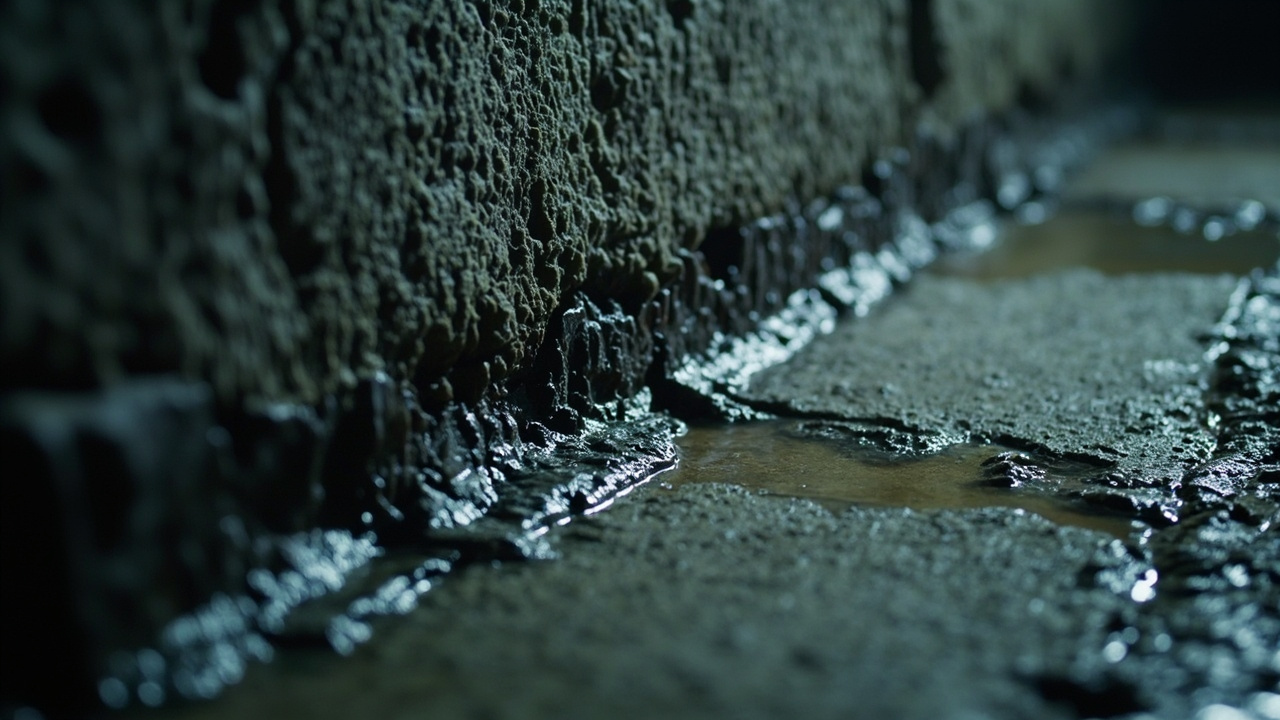
The most obvious sign of an active leak is visible moisture. During a heavy 2026 spring rainstorm, you should check your basement walls with a high powered flashlight. Look for beads of water forming along the line of the crack. If the concrete around the crack looks darker than the surrounding wall, water is saturating the material. Even if you do not see liquid water, you might notice a white powdery substance. This is efflorescence. It forms when water moves through the concrete and leaves mineral salts behind on the surface. Thick layers of efflorescence indicate a long term leak that happens every time the soil becomes saturated. You can also perform a simple touch test. If the crack feels cold and damp while the rest of the wall feels dry, you have a seepage issue.
Another sign of active water entry is the presence of rust on nearby metal objects. If you have metal storage shelves or a furnace located near a foundation crack, check for corrosion. Moisture in the air near a leak creates a microclimate that accelerates rusting. You should also look for peeling paint or bubbling drywall if your basement is finished. Water often travels behind the finished wall and pools at the floor. This leads to a musty odor that persists even when you run a dehumidifier. If you smell damp earth in your Bedford basement, water is likely entering through the foundation. For those in neighboring areas, Professional Mold Remediation for Shaker Heights Homeowners Protecting Your Historic Property offers similar insights into the dangers of hidden moisture.
Why Bedford soil causes basement water problems
Bedford and much of Cuyahoga County feature Mahoning silt loam and other clay heavy soils. Clay does not drain well. Instead of allowing rainwater to sink deep into the earth, clay holds it near the surface. This creates a massive weight of water pressing against your foundation walls. Experts call this hydrostatic pressure. In 2026, we have seen more frequent and intense rain events that keep this soil saturated for weeks. The pressure forces water into any tiny opening in your concrete. If your home is near the Bedford Reservation or Tinker Creek, the water table might be even higher. This constant pressure can turn a small hairline crack into a significant leak over a single season.
| Crack Orientation | Potential Cause | Risk of Water Leak |
|---|---|---|
| Vertical | Normal foundation settlement | Moderate |
| Horizontal | High soil pressure from clay | High |
| Diagonal | Differential settlement or shifting | High |
| Stair-step | Serious structural sinking | Very High |
The expansion and contraction of this clay soil also play a role. During dry periods, the clay shrinks and pulls away from your foundation. This creates a gap where the next heavy rain can pool and flow directly down the side of your home. When the clay gets wet again, it expands and pushes against the wall. This cycle of pushing and pulling weakens the concrete over time. This is why many homes in the older neighborhoods of Bedford see cracks appearing in 2026 that were not there a few years ago. You should check your grading to ensure water flows away from the house. If your yard slopes toward the wall, you are inviting hydrostatic pressure to damage your basement.
Visual indicators of foundation water entry
You can tell a lot about a leak by the shape and location of the crack. Vertical cracks are common in many Bedford homes and often result from the concrete shrinking as it cures. While they are less of a structural threat, they still provide a path for water. Horizontal cracks are more serious. These usually mean the pressure from the outside soil is bowing the wall inward. If you see a horizontal crack, you likely have water pressing hard against the exterior. This requires immediate professional attention to prevent a total wall failure. For advice on choosing the right experts, see Finding the Best Water Damage Restoration Pros in Cleveland.
You should also examine the cove joint. This is the spot where your basement floor meets the wall. Water often enters here because it is a natural seam in the construction. If you see water pooling on the floor but the walls look dry, the leak might be coming from the cove joint. This happens when the water table rises beneath your home. It is a common problem in 2026 for homes with aging or failed sump pumps. You can monitor this by placing a piece of clear plastic over a suspected area and taping the edges. If moisture forms under the plastic, water is coming through the concrete. If moisture forms on top of the plastic, your basement has high humidity issues.
Our foundation waterproofing and restoration process
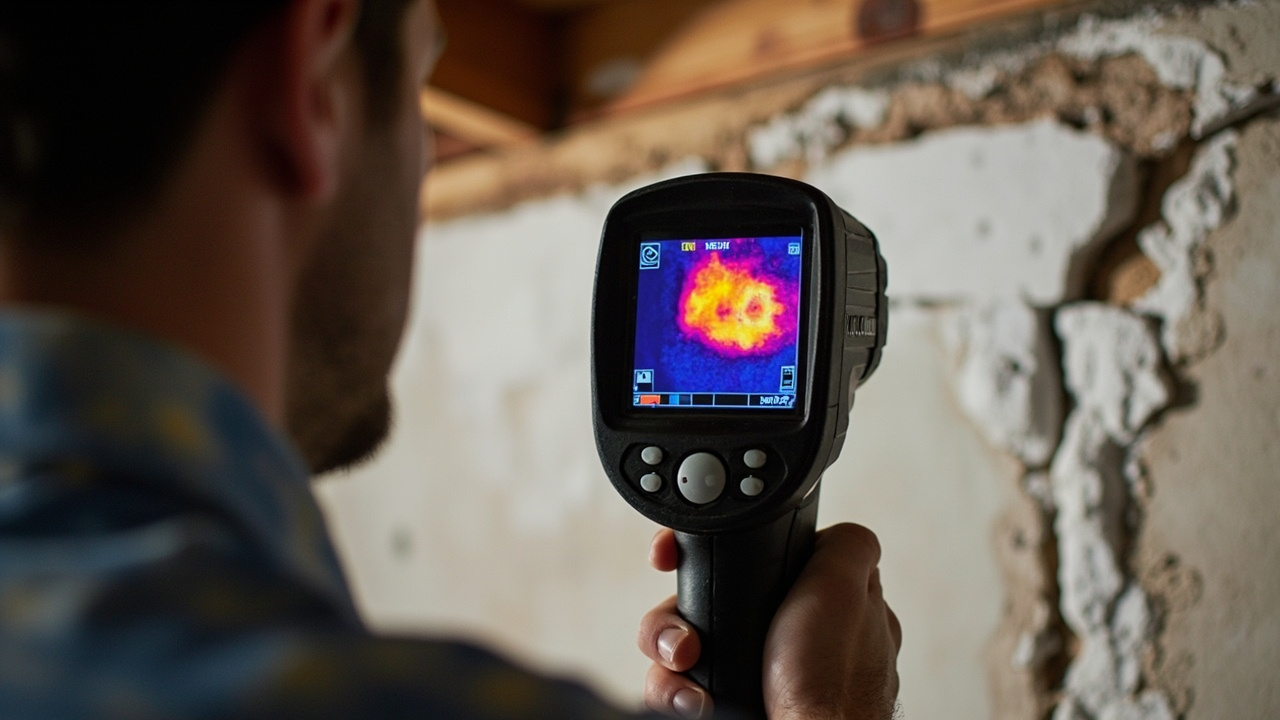
When we arrive at a Bedford home, we start with a thorough inspection. We use moisture meters and infrared cameras to see what is happening inside the walls. These 2026 tools allow us to find the source of the leak without tearing into your drywall immediately. Once we identify the active cracks, we determine the best repair method. For many poured concrete foundations, we use high pressure polyurethane injection. This material expands to fill the entire crack from the inside to the outside. It remains flexible, which is important because the ground in Northeast Ohio continues to shift. This flexibility allows the seal to remain intact even as the clay soil expands and contracts.
If the crack is structural, we might use epoxy instead. Epoxy creates a bond that is stronger than the original concrete. This is vital for stabilizing the wall. In cases where the water pressure is too high for simple injections, we look at drainage solutions. This might include installing an interior French drain or a new sump pump system. We follow standards set by the Institute of Inspection Cleaning and Restoration Certification to ensure every job meets professional safety levels. Our goal is to stop the water and restore the air quality of your home. If your basement has already flooded, you should also look at Emergency Steps When Your Sewer Backs Up in Parma for general basement hygiene tips.
| Repair Method | Typical Duration | Primary Benefit |
|---|---|---|
| Polyurethane Injection | 2 to 4 hours | Stops active water leaks |
| Epoxy Injection | 3 to 5 hours | Provides structural strength |
| Interior Drainage System | 2 to 5 days | Manages high groundwater |
| Wall Bracing | 1 to 2 days | Prevents further wall bowing |
Risks of moisture and mold in Cuyahoga County basements
Ignoring a foundation leak in Bedford is a recipe for mold growth. Mold spores need only a little moisture and a food source like drywall or wood to thrive. In the humid 2026 Cleveland summers, a damp basement can become a breeding ground for mold in less than forty eight hours. This poses a health risk to your family and can lead to expensive remediation costs later. When water enters through a crack, it often gets trapped behind baseboards or under flooring. You might not see the mold, but you will smell it. If you find yourself in this situation, professional water extraction and drying are necessary. You can also learn about related water issues at Emergency Westlake Burst Pipe Repair and Professional Water Cleanup Services.
Water entry also damages the structural components of your home. Over time, constant moisture weakens the steel reinforcement bars inside your concrete foundation. This leads to spalling, where the surface of the concrete begins to flake and fall off. If the wood sill plate at the top of your foundation wall gets wet, it can rot. This affects the stability of the entire house. Keeping your basement dry is not just about comfort. It is about protecting your largest investment. In 2026, the real estate market in Bedford remains strong, and a dry, waterproofed basement significantly increases your property value. Buyers are wary of any signs of foundation repair, so having professional documentation of your waterproofing is essential.
Emergency steps to take if your foundation is leaking now
If you see water pouring into your basement right now, stay calm and follow these safety steps. First, do not enter a flooded basement if the water has reached the electrical outlets or your extension cords. Turn off the power at the main breaker if you can reach it safely. Second, move your valuables to a higher floor. This includes any cardboard boxes, as they soak up water quickly and lead to mold. Third, try to identify where the water is coming from. If it is a single crack, you can use a shop vac to manage the water until help arrives. Do not attempt to plug a high pressure leak with household materials, as this can cause the pressure to build up elsewhere.
- Turn off electricity to the basement at the breaker box.
- Move furniture and electronics away from the leaking wall.
- Clear any debris from your floor drains.
- Check your sump pump to ensure it is running correctly.
- Call a professional for an immediate assessment.
- Document the damage with photos for your insurance claim.
Documentation is vital for insurance purposes in 2026. Take clear photos of the crack and the water on the floor. Note the time and date when you first saw the leak. This helps your restoration contractor provide a more accurate estimate and helps your insurance adjuster understand the scope of the problem. Many Bedford homeowners find that their standard policy does not cover groundwater seepage, but it might cover damage from a failed sump pump. Always check your specific coverage limits. While you wait for us to arrive, ensure your downspouts are discharging at least six feet away from the foundation. This simple step can sometimes reduce the amount of water coming through the crack immediately.
Maintaining your foundation during the 2026 wet season
Preventative maintenance is the best way to avoid foundation leaks. Start with your gutters. If they are full of leaves and twigs, water will overflow and land right at the base of your foundation. This is a leading cause of basement flooding in Bedford. You should also check the grading of the soil around your home. The ground should slope away from the house at least one inch per foot for the first six feet. If you notice areas where the soil has settled, add more dirt to restore the slope. This keeps the water from pooling and creates a natural barrier against hydrostatic pressure.
You should also inspect your sump pump every spring and fall. Pour a bucket of water into the pit to make sure the float switch activates the pump. In 2026, many homeowners are installing battery backup systems. These are essential because heavy storms in Northeast Ohio often cause power outages. Without a backup, your sump pump will sit idle while your basement fills with water. Also, keep an eye on any small cracks you have already found. Mark the ends of the crack with a pencil and check back after a few months. If the crack has grown past your marks, the foundation is moving and needs professional attention. For more information on geological water issues, you can visit the USGS Ohio Water Science Center. Taking these steps ensures your home stays dry and secure throughout the year.
Diagnostic tools for Cleveland homeowners in 2026
Technology for finding leaks has improved significantly. We no longer have to guess where the water is coming from. Thermal imaging cameras are a standard part of our 2026 toolkit. These cameras show temperature differences in the walls. Since water is usually cooler than the surrounding concrete, it shows up as a dark blue or purple shape on the screen. This allows us to track the path of the water from the entry point down to the floor. Moisture meters are also helpful. They provide a digital reading of the water content inside materials like wood studs and drywall. These tools help us ensure the basement is completely dry before we finish the restoration process.
We also use specialized dye tests for outdoor drains. If we suspect your gutters or underground pipes are leaking into the foundation, we can use a non toxic dye to trace the water. If the colored water shows up in your basement crack, we know exactly where the exterior problem lies. This precision allows us to perform targeted repairs, saving you time and money. Residents in Bedford can trust that we use the most modern methods available to protect their homes. Whether you have a small damp spot or a significant flood, our team is ready to help you recover and prevent future issues. Keeping your foundation dry is a continuous process of observation and maintenance.