Walton Hills residents live in a beautiful area near the Bedford Reservation but the local environment brings specific challenges for homeowners. The dense tree cover and proximity to Tinker Creek create a high humidity environment that makes homes prone to mold growth after even small plumbing leaks. When your basement floods or a pipe bursts, restoration professionals often recommend using antimicrobial treatments. If you have small children crawling on the floors or pets that sniff every corner, you likely have questions about the safety of these chemicals. In 2026, the restoration industry uses advanced solutions that prioritize family health while still effectively killing dangerous pathogens.
Understanding Antimicrobial Treatments in Water Damage Restoration
An antimicrobial is a broad term for substances that kill or slow the growth of microorganisms like bacteria, viruses, and fungi. In the context of water damage in Cleveland, these are often used when the water source is contaminated. This happens frequently in Walton Hills when heavy rains cause sump pump failures or sewer backups. Industry standards categorized as IICRC S500 divide water into three categories. Category 1 is clean water from a supply line. Category 2 involves significant contamination, like washing machine overflow. Category 3 is black water, which includes sewage or rising floodwaters from the street. When professionals deal with Category 2 or Category 3 water, applying an antimicrobial is a requirement for safety.
These products come in different forms including disinfectants and sanitizers. A sanitizer reduces the number of bacteria to a safe level. A disinfectant kills nearly all organisms listed on its label. In 2026, most local experts use EPA registered disinfectants that have undergone rigorous testing for residential use. You can find more information about these standards by visiting the Environmental Protection Agency website. These treatments prevent the basement from becoming a breeding ground for organisms that cause respiratory issues or skin infections.

Safety for Infants and Small Children
Children are more sensitive to chemicals because they breathe more air per pound of body weight than adults. They also spend time on the floor and put their hands in their mouths. Safety starts with choosing the right product. Professionals in Walton Hills now lean toward botanical options for homes with infants. These products often use thymol, which is a derivative of thyme oil. Thymol provides high level disinfection without the harsh fumes associated with traditional bleach or quaternary ammonium compounds. If you are concerned about your child, ask your technician for the Safety Data Sheet for every product used in your home.
The biggest concern with any treatment is the off gassing period. This refers to the time it takes for Volatile Organic Compounds to dissipate. Modern 2026 formulations focus on low VOC profiles. Technicians ensure safety by keeping children out of the treated area until the product has reached its required dwell time and the area is completely dry. Once dry, the active ingredients in most modern antimicrobials are bound to the surface and do not pose an inhalation risk. This is why finding the best water damage restoration pros in Cleveland is important because they follow these strict drying and application protocols.
Protecting Pets During Restoration
Dogs and cats have a keen sense of smell and may be bothered by the scents of even botanical cleaners. Cats are particularly sensitive to certain essential oils. If a technician uses a botanical spray, it is still best to keep your pets in a separate, well ventilated room until the treated surfaces are dry. Some older synthetic antimicrobials used phenols or high concentrations of bleach which could be toxic to pets if they licked a wet surface. However, current 2026 standards prioritize products that are safe once dry. If your pet has a history of asthma or skin allergies, notify the restoration team before they begin. They can adjust the application method or choose a different product to accommodate your pet.
Comparison of Common Antimicrobial Types
| Product Type | Active Ingredient | Safety Profile | Common Use Case |
| Botanical | Thymol (Thyme Oil) | High safety, no rinse required | Homes with kids and pets |
| Quaternary Ammonium | Ammonium Chlorides | Effective but requires ventilation | Large commercial losses |
| Phenolics | Phenol derivatives | Strong odor, higher toxicity | Rarely used in residential 2026 |
| Oxidizers | Hydrogen Peroxide | Safe, breaks down into water | Mold staining and odor removal |
The Importance of Dwell Time and Drying
Antimicrobials do not work instantly. They require a specific dwell time, which is the amount of time the surface must remain wet with the product to kill the targeted pathogens. This usually ranges from thirty seconds to ten minutes depending on the product. After this period, the area must be dried thoroughly using air movers and dehumidifiers. A common mistake is leaving a basement damp after treatment. This can lead to the growth of secondary mold. Proper drying ensures that the antimicrobial has done its job and that the environment is no longer hospitable to spores. This process is standard for professional mold remediation for Shaker Heights homeowners protecting your historic property where humidity control is vital.
In Walton Hills, where basements are often cooler and more humid than the rest of the house, drying times can be longer. Technicians use moisture meters to confirm that the subfloor and wall studs have reached their dry standard. You should not let your pets or children back into the basement until the lead technician gives the all clear. This usually happens twenty four to forty eight hours after the final application of the treatment.
Botanical vs Synthetic Antimicrobials
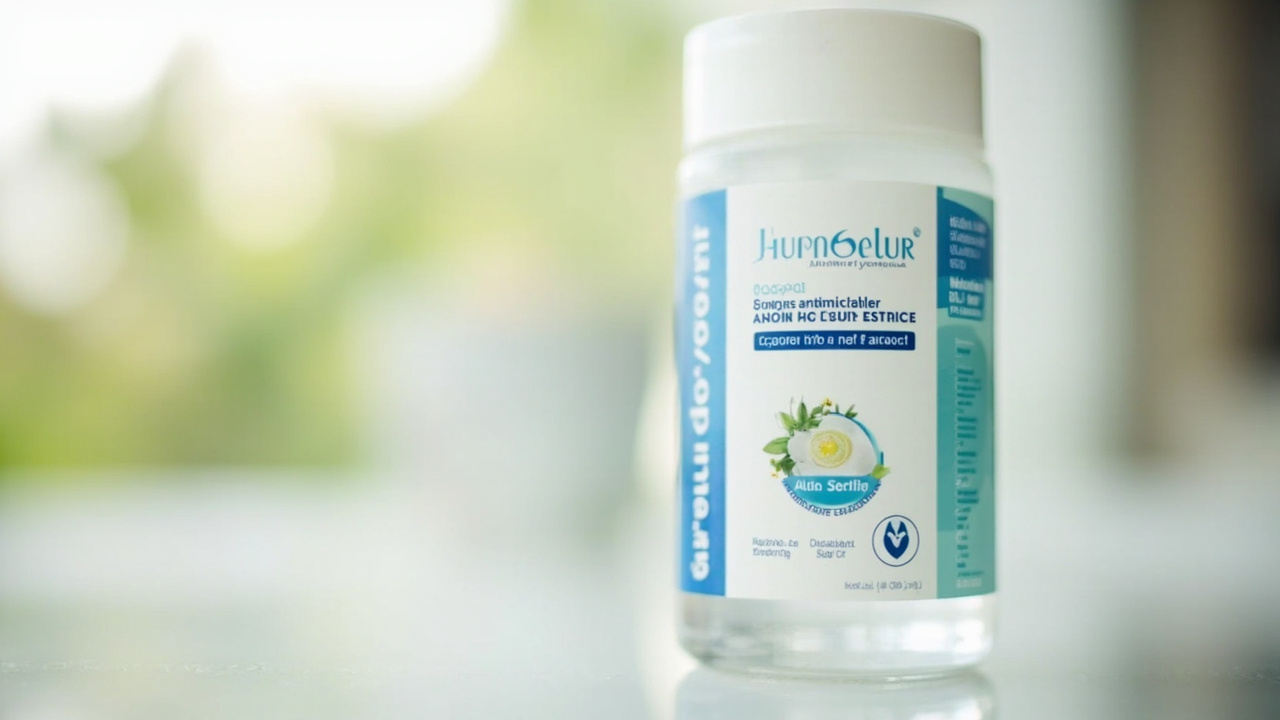
Many Walton Hills homeowners specifically request botanical solutions. These products are popular because they do not require a warning label for skin or eye irritation in most cases. They are also biodegradable and do not leave behind toxic residues. Synthetic antimicrobials are sometimes necessary for severe Category 3 losses, such as when a main sewer line breaks. In those cases, the priority is killing dangerous bacteria like E. coli or Salmonella. If you are dealing with such an emergency, follow the emergency steps when your sewer backs up in Parma or Walton Hills which include immediate evacuation of the area.
Typical Re-entry Timelines
| Step in Process | Duration | Safety Recommendation |
| Initial Application | 1 to 3 hours | Keep all family members out of the room |
| Dwell Time | 10 to 20 minutes | No contact with wet surfaces |
| Structural Drying | 24 to 72 hours | Limit access to prevent cross contamination |
| Final Inspection | 1 hour | Technician confirms dry standards met |
The Risk of Not Using Antimicrobial Sprays
While some parents worry about chemical exposure, the risk of not using these treatments is often much higher. Flooded basements in Northeast Ohio are prone to rapid mold growth. Within twenty four to forty eight hours, mold spores can begin to colonize damp drywall and wood. These spores release allergens and mycotoxins into the air. If you have a flooded basement in the Cleveland area, skipping the antimicrobial step can lead to long term air quality issues. For residents in nearby areas, getting help now for flooded basements in Lakewood and restore your property fast often involves a multi stage cleaning process to prevent these health risks.
Bacteria from sewage backups pose an even more immediate threat. Pathogens can survive on surfaces for weeks if not properly disinfected. Children and pets are most at risk for contracting illnesses from these surfaces. A professional application of an antimicrobial spray ensures that the home is not just dry, but sanitary. It provides peace of mind that the basement is safe for a playroom or a family den again.
Safety Protocols for Homeowners in Walton Hills
When a restoration team arrives at your home, they should follow a clear safety protocol. This ensures that the antimicrobial application is effective and safe. You should expect the following steps from any reputable local company.
- Clear communication about the specific product being used and its EPA registration number.
- Proper containment using plastic sheeting to prevent the spread of spray or odors to other parts of the house.
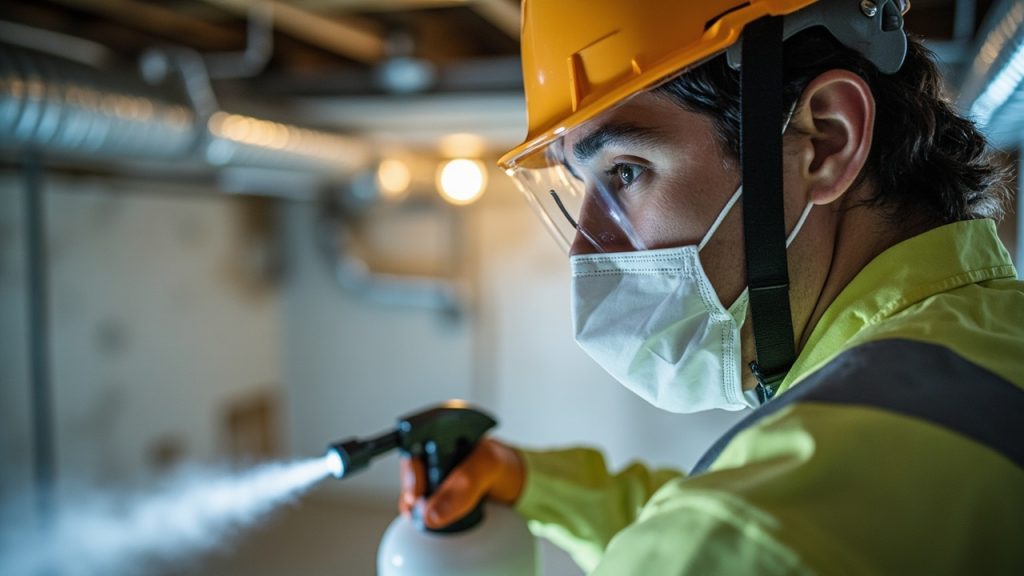
- Technicians wearing appropriate Personal Protective Equipment such as masks and gloves during the application.
- Instruction on when it is safe to turn on the HVAC system to avoid circulating product odors.
- A detailed walkthrough of the treated areas once the job is complete.
If you live in Walton Hills and experience a pipe burst, you must act quickly. Following emergency Westlake burst pipe repair and professional water cleanup services protocols will help minimize the amount of antimicrobial treatment needed. The faster the water is removed, the less likely it is that severe bacterial growth will occur, allowing for milder botanical solutions to be used.
Working with Local Experts Who Prioritize Health
Restoration in 2026 is about more than just drying out a building. It is about creating a healthy living environment for your family. Residents in Walton Hills have access to professionals who understand the local climate and the unique needs of suburban homes. These experts balance the need for powerful disinfection with the need for chemical safety. They use products that are effective against the specific types of mold common in the Cuyahoga River Valley while ensuring that your kids and pets are never in harm’s way.
When you interview a restoration company, ask about their experience with botanical products. Ask how they monitor air quality during and after the drying process. A company that has been serving the Cleveland metro for over fifteen years will have a deep understanding of these safety nuances. They will be able to provide you with the Safety Data Sheets and answer any technical questions you have about the active ingredients. This level of transparency is what separates professional restorers from general contractors.
If your Walton Hills home has suffered water damage, do not let the fear of chemicals prevent you from getting the necessary treatment. Modern antimicrobials are a vital tool in keeping your home safe from mold and bacteria. By following the proper re-entry timelines and choosing the right products, you can ensure your home is restored to a safe and healthy condition. If you need immediate assistance with water damage or have more questions about the safety of our restoration processes, reach out to a local specialist today to start the recovery process safely.