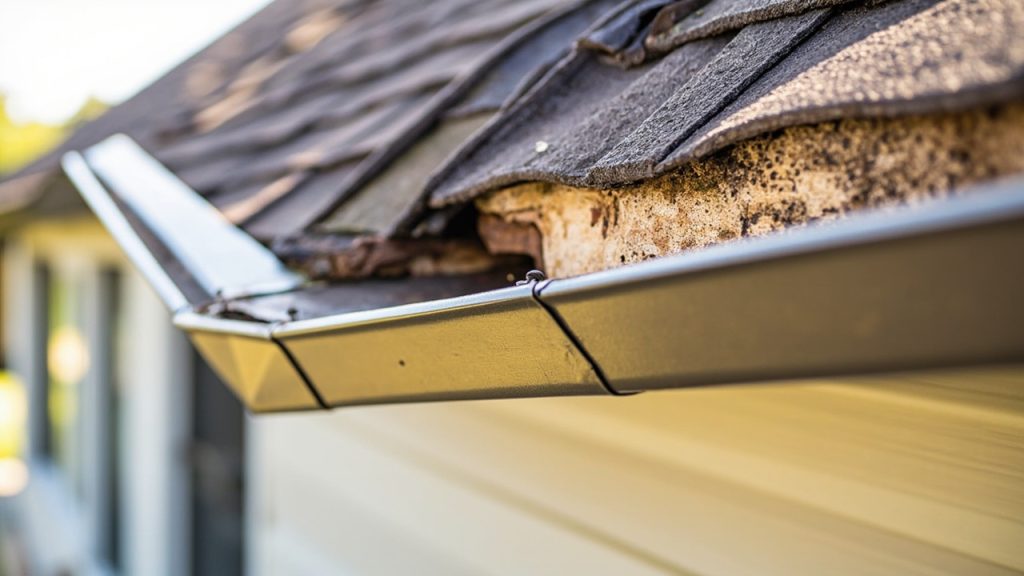
Homeowners in Orange Village often face unique challenges when it comes to chimney maintenance. The weather patterns in Northeast Ohio create a harsh environment for masonry structures. In 2026, we have seen an increase in water intrusion cases specifically related to chimney failures near the Pinecrest area and the surrounding woodsy neighborhoods. A leaking chimney is a deceptive problem. It starts small but can saturate attic insulation and rot structural framing long before you see a drip in your fireplace.
When water enters through a chimney, it does not just stay in the bricks. It travels along the rafters and settles into the drywall of your ceilings. If you live in Orange Village, you know that our proximity to Lake Erie means high humidity and frequent temperature swings. These factors accelerate the deterioration of chimney crowns and flashing. Understanding how to identify and address this damage quickly prevents a minor leak from becoming a full scale restoration project.

Hidden signs of water intrusion around your Orange Village fireplace
Most residents expect a chimney leak to look like a puddle on the hearth. While that happens in severe cases, the early signs are much more subtle. You might notice a faint musty odor whenever the furnace kicks on. This often indicates that moisture is trapped behind the chimney breast or in the attic spaces. Check the ceiling around the fireplace for light brown or yellow staining. These stains grow larger after the heavy rainstorms common in the Cleveland area during the 2026 spring season.
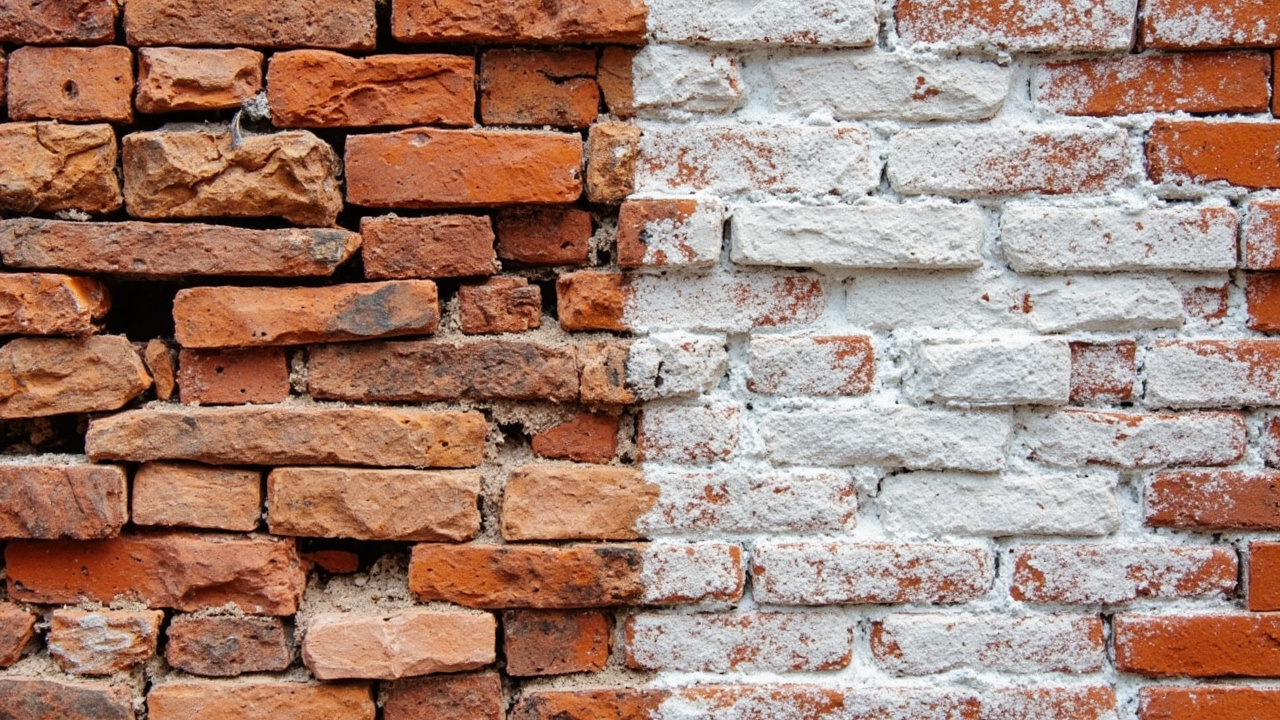
Another sign is efflorescence. This is a white, powdery substance that appears on the surface of the bricks. It occurs when water dissolves minerals inside the masonry and carries them to the surface as it evaporates. If you see this inside your home, water is moving through the entire thickness of the chimney wall. You should also look for peeling paint or wallpaper on the walls adjacent to the chimney stack. This suggests the moisture has already compromised the wall board and potentially the interior studs.
If the water reaches your lower levels, you might face complications similar to those discussed in our guide on get help now for flooded basements in Lakewood and restore your property fast. While a chimney leak usually starts high, the path of least resistance can lead water all the way to your basement floor in older Orange Village builds.
How the Cleveland freeze thaw cycle destroys chimney masonry
The 2026 winter in Northeast Ohio has been particularly aggressive. We experience cycles where the temperature jumps from twenty degrees to fifty degrees within forty eight hours. This is the freeze thaw cycle. Bricks are porous like a sponge. They soak up moisture during the rainy days. When the temperature drops below freezing at night, that water expands by about nine percent. This internal pressure cracks the brick from the inside out.
Over time, this leads to spalling. Spalling is when the face of the brick pops off entirely. Once the hard outer shell of the brick is gone, the soft interior absorbs even more water. This creates a feedback loop of destruction. Mortar joints also suffer. They crumble and fall out, leaving gaps where water can pour directly into your home. This is why many Orange Village homeowners find themselves finding the best water damage restoration pros in Cleveland to handle the structural drying after a masonry failure.
Comparison of chimney leak symptoms and causes
| Symptom | Likely Cause | Severity Level |
|---|---|---|
| Dripping sound in the firebox | Missing chimney cap or cracked crown | Moderate |
| Ceiling stains near the chimney | Failed roof flashing or counter-flashing | High |
| White powder on interior bricks | Porous masonry absorbing groundwater or rain | Low to Moderate |
| Rotted wood in the attic | Long-term seepage from shoulder leaks | Critical |
Professional water restoration steps for chimney leaks
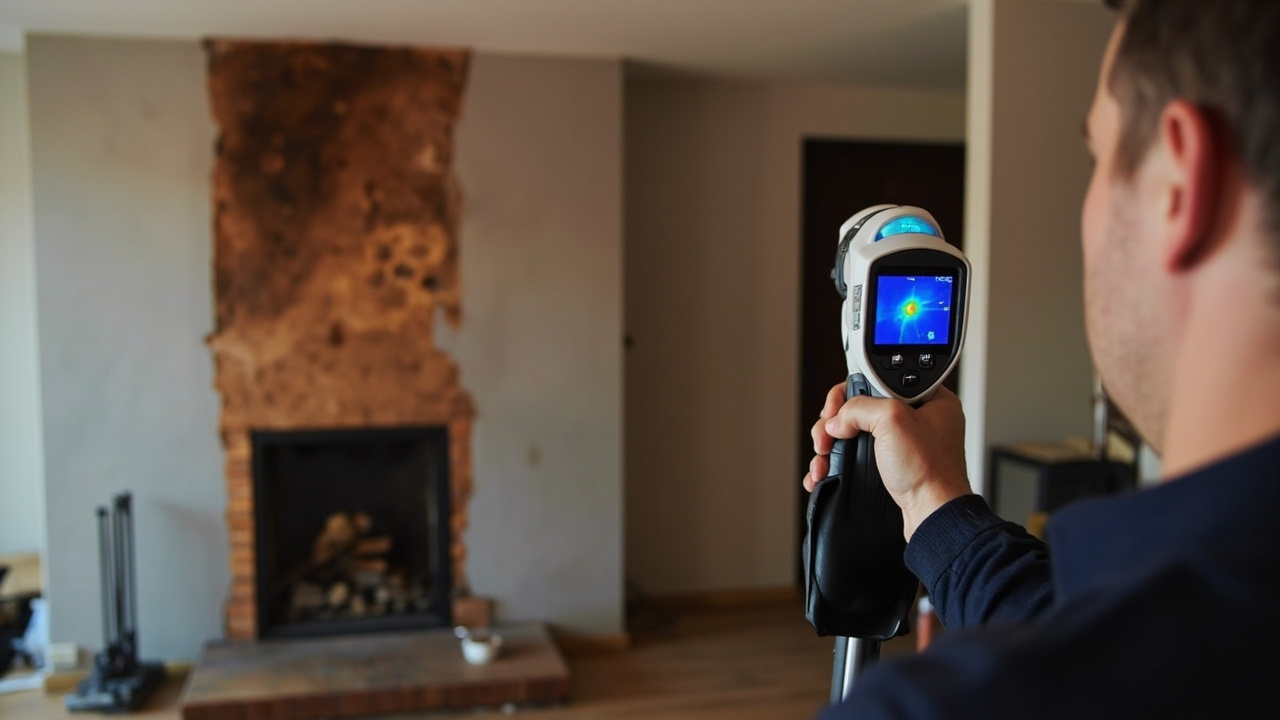
Restoring a home after a chimney leak requires more than just fixing the bricks. You must address the moisture trapped inside the building envelope. Our process follows the current 2026 standards set by the IICRC for professional water damage restoration. We begin with a thermal imaging inspection. This allows us to see moisture behind the walls without tearing them down immediately. We can track exactly how far the water has traveled from the chimney stack into your living room or bedrooms.
Once we identify the wet areas, we begin structural drying. This involves using industrial grade dehumidifiers and high velocity air movers. We often have to remove saturated attic insulation. Wet insulation loses its R-value and becomes a breeding ground for biological growth. If we find that the leak has persisted for more than forty eight hours, we implement mold prevention protocols. This is especially important in the humid climate of Orange Village where mold can take hold quickly.
For homes with significant history or complex architecture, the drying process might be as intensive as the work required for professional mold remediation for Shaker Heights homeowners protecting your historic property. Both areas share similar building styles that require a delicate touch during restoration.
Comparing chimney leak damage to other common water issues
It is helpful to understand how chimney leaks differ from other plumbing or weather related emergencies. A burst pipe often releases hundreds of gallons of water in a matter of minutes. A chimney leak is a slow motion flood. It might only release a few cups of water during a storm, but it does so repeatedly over months. This consistent dampness is often more damaging to wood structures than a single large flood because the wood never has a chance to dry out.
| Feature | Chimney Leak | Burst Pipe | Sewer Backup |
|---|---|---|---|
| Primary Risk | Structural rot and mold | Immediate flooding | Pathogens and bacteria |
| Detection Time | Weeks to months | Minutes to hours | Instant |
| Restoration Focus | Dehumidification and masonry | Extraction and drying | Sanitization and disposal |
If you are dealing with a different type of emergency, you may need to look at emergency Westlake burst pipe repair and professional water cleanup services. Alternatively, if your lower levels are affected by drainage issues, read about the emergency steps when your sewer backs up in Parma. Each situation requires a specific category of cleaning and restoration equipment.
Mold growth risks in Orange Village attics after a chimney leak
The attic is the most common place for mold to grow following a chimney leak. Because the chimney passes through the attic, any failure in the flashing allows water to run down the exterior of the flue and soak the surrounding rafters. In the current 2026 climate, we are seeing more aggressive mold strains that thrive in the dark, stagnant air of an attic. If the leak occurs near a bathroom exhaust fan or other moisture source, the problem doubles.
We use HEPA filtration and antimicrobial treatments to ensure the air quality in your home remains safe. Removing the visible mold is only half the battle. We also have to address the spores that have settled in the dust and debris of the attic. Our team focuses on creating a negative air pressure environment so that these spores do not migrate into your living spaces during the cleanup process.
Navigating insurance claims for chimney water damage in Cuyahoga County
Insurance coverage for chimney leaks can be complicated. Most policies cover sudden and accidental damage. If a 2026 windstorm rips the cap off your chimney and rain pours in, your claim is likely to be approved. However, if the leak is caused by years of neglected maintenance or slow mortar deterioration, the adjuster might deny the claim. This is why documentation is vital.
- Take clear photos of the exterior chimney stack from the ground.
- Save the damaged components like rusted flashing or cracked caps.
- Keep a log of when you first noticed the interior staining.
- Obtain a professional moisture map from a restoration expert.
- Request a detailed estimate that separates the cost of the repair from the cost of the restoration.
We work directly with local adjusters in Cuyahoga County to provide the technical data they need. We use industry standard software to ensure our pricing matches what the insurance companies expect in 2026. This transparency helps speed up the approval process so you can get your home back to normal faster.
Preventing future water damage in Orange Village homes
After the restoration is complete, you must address the root cause to prevent a recurrence. In Orange Village, we recommend a multi layered approach to chimney protection. Start with a high quality chimney cap. This keeps rain and snow out of the flue and prevents animals from building nests that trap moisture. Next, ensure your chimney crown is solid. The crown is the concrete slab at the top of the stack. If it has even hairline cracks, water will seep in and freeze, widening the gaps.
Waterproofing sealants are also highly effective. These are vapor permeable membranes that allow the brick to breathe while repelling liquid water. They are essential for the 2026 weather patterns in Northeast Ohio. Finally, check your gutters. If the gutters near your chimney are clogged, they can overflow and send a sheet of water directly against the masonry. Keeping your drainage system clear is the simplest way to protect your chimney and your foundation.
If you suspect your chimney is leaking or you have discovered a mysterious stain on your ceiling, do not wait for the next big storm. The damage will only get more expensive and more difficult to fix. Contact a professional restoration team today to assess the situation and start the drying process before mold becomes a permanent resident in your home.