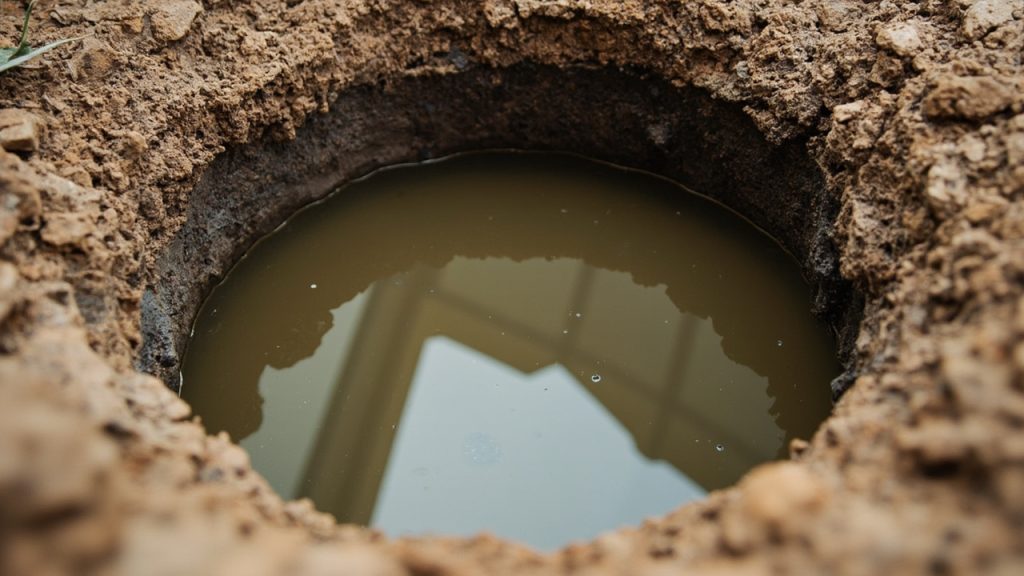
Homeowners in Middleburg Heights face specific challenges with basement moisture due to the local geography. The 44130 area features heavy clay soil and a high water table near landmarks like Lake Abram and the Big Creek Parkway. During the heavy rains of early 2026 many residents found their window wells filling with water like outdoor aquariums. This water pressure is a major threat to your foundation and your health. Knowing the right way to handle window well flooding in Middleburg Heights requires understanding local soil mechanics and current restoration standards.
Window wells allow light and air into your basement while keeping soil away from the glass. In Northeast Ohio these structures often act as funnels for storm water. If the drainage system at the bottom of the well fails the water moves through the window seals and into your home. This leads to wet carpets and ruined drywall. If you have a flooded basement now you should seek professional help to prevent long term structural issues. The current 2026 standards for water mitigation focus on rapid extraction to stop mold before it starts.
Signs of failing window well drainage in Northeast Ohio
You do not always need a massive rainstorm to see the signs of a failing system. Careful observation of your basement walls reveals problems before they become emergencies. Look for dark stains or peeling paint directly beneath the window frame. These are indicators that water is seeping through the casing. In many Middleburg Heights split level homes you might notice a musty odor that lingers even when the dehumidifier runs. This scent points to moisture trapped behind the baseboards or within the wall cavity.
Another common sign is efflorescence. This white powdery substance appears on masonry walls when water evaporates and leaves minerals behind. If you see this around your window well it means water is moving through the foundation wall. This process weakens the concrete over time. If you ignore these signs you might eventually require professional mold remediation to restore air quality. Check the exterior gravel in your window well. If the gravel is covered in silt or mud the drain is likely clogged and will fail during the next heavy downpour.
The impact of Cleveland clay soil on window well performance
Middleburg Heights sits on a thick layer of clay that does not allow water to move quickly. During the snowmelt events of 2026 the ground becomes saturated and creates a clay bowl effect. When a contractor digs a hole for your foundation and fills the gap with loose soil that soil remains more porous than the surrounding clay. This creates a pocket where water naturally collects. Without a functional drain that water builds up hydrostatic pressure against the window and the foundation wall.
The pressure is immense. Water weighs about sixty two pounds per cubic foot. A window well filled with three feet of water puts hundreds of pounds of pressure on the glass and the seals. Most residential windows are not waterproof under these conditions. Eventually the seal fails or the window frame warps and water gushes into the basement. You need restoration pros who understand local soil conditions for a permanent fix in the 44130 area.
Comparing window well drainage systems in 44130 homes
Different homes in the Cleveland area use various methods to divert water away from the foundation. The following table compares the most common systems found in modern Middleburg Heights residential construction.
| System Type | Primary Function | Maintenance Needs | Typical Lifespan |
|---|---|---|---|
| Exterior Perimeter Drain | Ties into the footer tile to lead water to the sump pump. | Annual cleaning of the surface gravel. | Twenty to thirty years. |
| Dry Well System | Directs water to a buried gravel pit away from the house. | Periodic inspection for silt buildup. | Ten to fifteen years. |
| Interior Weep System | Allows water to enter a track that leads to an internal pump. | Pump testing and battery backup checks. | Fifteen to twenty years. |
Steps for immediate water extraction and damage control
If your window well is full of water and the basement is flooding you must act quickly. The first priority is safety. Never enter a flooded basement if the water has reached electrical outlets or your furnace. Turn off the power at the main breaker if you can do so safely. Once the area is safe you can begin removing the water. According to 2026 standards set by the Institute of Inspection Cleaning and Restoration Certification you must start the drying process within twenty four to forty eight hours to prevent mold growth.
Professional restoration teams use heavy duty truck mounted extractors to pull water from carpets and pads. This is more effective than a standard shop vacuum. After extraction the focus shifts to structural drying. This involves using industrial air movers and LGR dehumidifiers to pull moisture out of the air and the building materials. In Middleburg Heights where humidity stays high during the rainy months this step is critical. If the water contains soil or lawn chemicals it is Category Two water. This requires specific sanitization protocols to ensure the space is safe for your family.
Common reasons for sudden window well failure
Even a well maintained home can experience a sudden failure. In the current 2026 climate several recurring issues cause homeowners to need emergency services. Review the list below to see if your home is at risk.
- Clogged drainage pipes caused by leaf litter and debris from nearby trees.
- Detached window well liners that allow soil to collapse into the drain area.
- Improper yard grading that directs gutter runoff toward the window well.
- Extreme hydrostatic pressure from a rising water table in low lying Middleburg Heights neighborhoods.
- Frozen drain lines during the transition from winter to spring.
- Failed sump pumps that cannot handle the volume of incoming water from the footer tiles.
If your sump pump fails during a storm the water can back up through the footer tiles and into your window wells from the bottom up. This is a common scenario in older homes near Pearl Road. In these cases you might need emergency steps for sewer backups if the backup involves the main waste line. Always check your discharge line to ensure it is not blocked by snow or ice during the winter months.
Professional inspection versus homeowner visual checks
Many homeowners believe a quick look inside the window well is enough. However a professional inspection is much more thorough. Below is a checklist comparing what you can see versus what a 2026 restoration expert examines.
Homeowner Visual Check Checklist
- Check for standing water after a rainstorm.
- Remove visible leaves and trash from the gravel surface.
- Look for cracks in the window well liner.
- Check the window seal for visible gaps or peeling caulk.
- Ensure the window well cover is not cracked or missing.
Professional Restoration Inspection Checklist
- Moisture mapping of the surrounding interior drywall using non invasive meters.
- Thermal imaging to detect water pockets behind the finished basement walls.
- Borescope inspection of the window well drain pipe to check for root intrusion or collapses.
- Testing the sump pump discharge rate to ensure it meets the volume requirements of the local water table.
- Hygrometer readings to measure the relative humidity and dew point inside the basement.
- Checking the footer tile connection to ensure the window well drain is not air locked.
Estimated costs for window well repairs in Middleburg Heights
Repair costs in the 44130 area vary based on the extent of the damage and the age of the home. These figures represent current 2026 estimates for common services in Northeast Ohio.
| Service Category | Service Description | Estimated Cost Range |
|---|---|---|
| Basic Maintenance | Cleaning drains and replacing surface gravel. | Two hundred to four hundred dollars. |
| Minor Repair | Installing a new polycarbonate window well cover. | Three hundred to six hundred dollars per well. |
| Drainage Repair | Snaking the drain or clearing a minor clog. | Four hundred to eight hundred dollars. |
| Liner Replacement | Excavating and replacing a rusted or collapsed steel liner. | One thousand to two thousand dollars. |
| Foundation Tie-in | Connecting a new window well drain to the existing footer tiles. | Two thousand to three thousand five hundred dollars. |
| Water Mitigation | Extracting water and drying a finished basement room. | Two thousand five hundred to five thousand dollars. |
Frequently Asked Questions about insurance claims for window well flooding
Does standard homeowners insurance cover window well flooding? Most standard policies do not cover seepage or groundwater intrusion unless you have a specific rider. If the water comes over the top of the well due to a flash flood you usually need flood insurance through the National Flood Insurance Program. However if the flooding is caused by a failed sump pump you may be covered if you have a Sump Pump Overflow endorsement.
What is the difference between a flood claim and a water backup claim? A flood claim involves surface water that enters your home from the outside ground. A water backup claim involves water that enters through the sewer or drain system. If your window well fills up because the drain is clogged with debris the insurance company might consider that a maintenance issue rather than a covered peril. It is important to document the cause of the failure immediately with photos and professional reports.
How do I document damage for my insurance adjuster? Start by taking clear photos of the water level inside the window well. Capture images of the water entry point and the damage to floors and walls. Keep a log of all actions you take to mitigate the damage like running a shop vacuum or moving furniture. Save the receipts for any equipment you rent. A professional restoration company will provide a detailed moisture map and drying log which is vital for claim approval in 2026.
Risk assessment for basement water intrusion levels
The severity of window well flooding depends on the depth of the water and the duration of the intrusion. Use this table to understand the level of urgency for your situation.
| Risk Level | Description of Water Entry | Required Action |
|---|---|---|
| Minor Seepage | Dampness on the wall or small puddles near the window. | Monitor drainage and clear debris from the well. |
| Moderate Flooding | Water is an inch deep or covers a large portion of the floor. | Professional extraction and industrial dehumidification. |
| Severe Intrusion | Water is multiple inches deep and affects drywall or insulation. | Immediate professional mitigation and structural drying. |
Preventative measures for long term protection
Once the immediate water damage is resolved you must address the root cause. Installing high quality window well covers is the most effective first step. These covers prevent leaves and trash from entering the well and clogging the drain. Ensure the covers are clear to allow light in but sturdy enough to support the weight of snow. In Middleburg Heights many homeowners choose polycarbonate covers because they withstand the freeze thaw cycles of Northeast Ohio without cracking.
Re-grading your yard is another essential task. The ground should slope away from your foundation at a rate of at least six inches for every ten feet. This ensures that the majority of rainwater moves toward the street or a backyard swale instead of soaking into the soil next to your basement windows. If your gutters are overflowing near the window well consider extending the downspouts further into the yard. For issues related to pipes inside the home you should also check your indoor plumbing for leaks that could add to the moisture load in your basement.
The professional restoration process
Many people try to handle window well flooding with a mop and a fan. This approach leads to hidden problems. Water travels behind baseboards and up into the insulation of finished walls. If this moisture is not removed it creates an environment for mold growth. Professional restoration companies use moisture meters and thermal imaging cameras to find hidden pockets of water. This technology allows for thorough drying without unnecessarily tearing out walls.
The cleaning agents used by professionals are EPA registered and designed to kill bacteria and mold spores while remaining safe for residential use. Dealing with the aftermath of a flood is exhausting. Hiring an expert ensures the job meets current 2026 industry standards and provides documentation for your insurance company. If you have questions about flood insurance coverage you can find resources at FEMA to understand how different types of water intrusion are classified.
The soil in Middleburg Heights and the surrounding Cleveland suburbs will always pose a risk to basements. By maintaining your window wells and responding quickly to any signs of moisture you can protect your property value and your health. If you notice pooling water or damp walls do not wait for the next storm to act. Professional assessment today can save you from a major restoration project tomorrow. Contact a local restoration expert who understands the unique challenges of the Middleburg Heights landscape and the specific building codes of Cuyahoga County to secure your home against the elements.