Highland Heights split level architecture and its unique water vulnerabilities
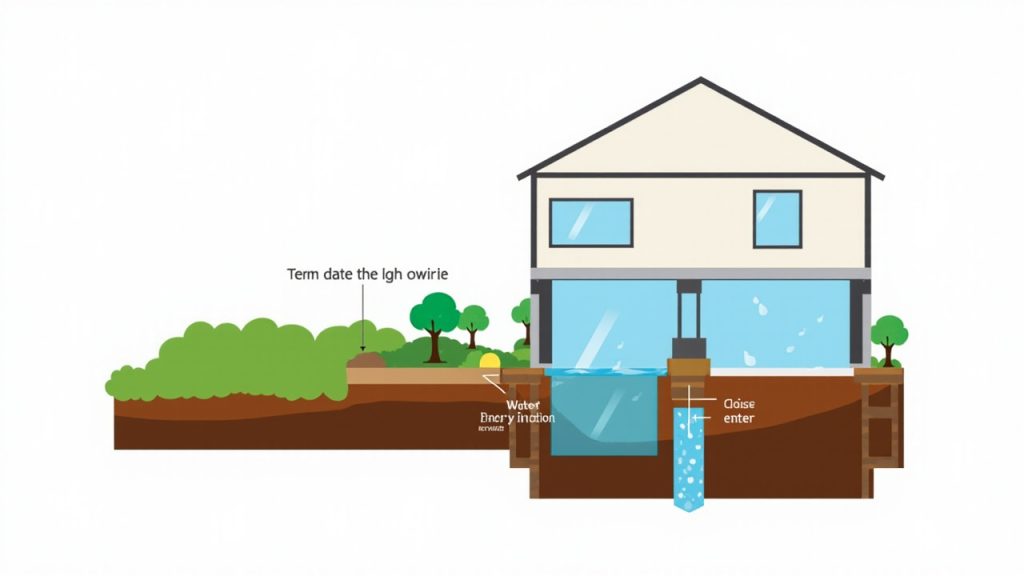
Highland Heights features many beautiful split-level and tri-level homes that define the neighborhood character. These homes provide a great layout for growing families but they come with a structural secret. The design of a split-level home creates multiple foundation heights and basement depths. This architectural variety creates specific weak points where water easily enters during heavy Cleveland rainstorms. When you live in a split-level you are managing a home built on different tiers of earth. Each tier reacts differently to the surrounding soil pressure and groundwater levels. These homes often see water intrusion at the exact point where the lower level meets the intermediate level. Understanding these vulnerabilities helps you prevent a massive restoration bill when the next Lake Erie weather system moves through Cuyahoga County.
The current 2026 weather patterns in Northeast Ohio have shown an increase in rapid snowmelt and heavy spring downpours. These events put extreme stress on foundations. In Highland Heights the soil consists of heavy clay that does not drain quickly. When this clay saturates it expands and pushes against your walls. Split-level homes are particularly susceptible because they have more corners and joints than a standard ranch or colonial. Every joint where two foundation walls meet at different depths is a potential leak site. If you are experiencing water in your lower level you need to act quickly. You can find help now for flooded basements in Lakewood and surrounding areas to ensure your property is restored fast and correctly.

Hydrostatic pressure and the Highland Heights clay soil challenge
Hydrostatic pressure is the primary force behind most basement flooding in our area. As rain falls the clay soil around your Highland Heights home absorbs water like a sponge. Once the soil can no longer hold more liquid the excess water creates massive pressure against your foundation. In a split-level home this pressure is uneven. The lowest basement level feels the most force while the intermediate level feels less. This imbalance can cause the foundation to shift or crack over time. These cracks are often invisible behind finished drywall but they allow water to seep in during every major storm. You might notice a damp smell or a chalky white substance called efflorescence on your basement walls. These are early warning signs of a failing moisture barrier.
We have seen a rise in foundation issues across the Cleveland metro area during the current 2026 season. The shift from freezing winters to humid springs creates a constant cycle of expansion and contraction. For homeowners in nearby Shaker Heights maintaining structural integrity is just as critical. Many residents utilize professional mold remediation for Shaker Heights homeowners to prevent long term health issues after a basement seep. In Highland Heights the lower level of a split-level home is often used as a primary living space or bedroom. This makes any water intrusion a high priority emergency. If water sits for more than 24 hours mold spores begin to colonize the organic materials in your carpet and drywall.
The role of sump pump failure in multi level homes
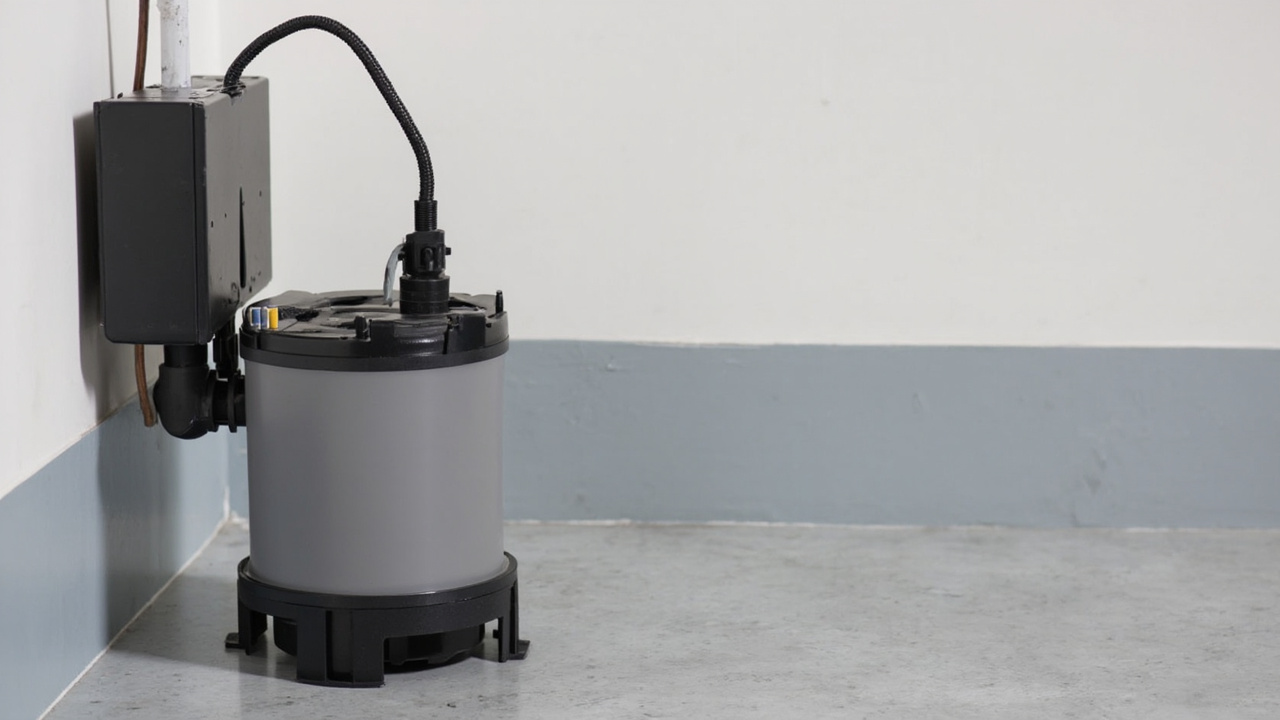
Most split-level homes in Highland Heights rely on a single sump pump located in the lowest point of the house. This pump is the only thing standing between your finished basement and several inches of water. During the intense storms of 2026 we have seen many pumps fail due to mechanical exhaustion or power outages. A standard sump pump has a lifespan of about seven to ten years. If your pump is reaching that age you are at high risk. Furthermore a split-level design often requires the pump to move water up a higher vertical distance than in other home styles. This puts more strain on the motor and shortens its life. Every split-level homeowner should have a battery backup system or a water powered backup pump installed to handle peak flow periods.
| Home Style | Primary Leak Point | Risk Level during Heavy Rain | Common Drainage System |
|---|---|---|---|
| Split-Level | Foundation Cold Joints | High | Sump Pump and Window Wells |
| Ranch | Wall Cracks | Medium | Interior French Drain |
| Colonial | Floor Drains | Medium | Sewer Lateral |
| Modern Infill | Grading Issues | Low | Engineered Swales |
Window well failures and intermediate level drainage
One specific problem for split-level homes is the window well on the intermediate level. These windows are often just a few feet above the ground or even slightly below grade. If the drainage in the well is clogged with leaves or debris the well fills up like a fish tank. Once the water level reaches the window sill it will inevitably leak through the frame and into your home. This type of flooding is particularly frustrating because it often happens even if your sump pump is working perfectly. The water enters from a point higher than the pump can detect until the lower level is already saturated. Regular maintenance of these wells is vital for every Highland Heights resident.
Poor yard grading also contributes to these issues. Over decades the ground around many older Highland Heights homes has settled. This creates a slope that directs water toward the foundation rather than away from it. In the current year we recommend that homeowners inspect their gutters and downspouts at least twice a season. Downspouts should discharge at least ten feet away from the foundation. If your downspouts are connected to underground tiles those tiles might be collapsed or filled with tree roots. This causes water to back up directly against your basement walls. For those looking for the right help it is important to focus on finding the best water damage restoration pros in Cleveland who understand these specific local soil conditions.
The danger of sewer backups in Highland Heights lower levels
Sewer backups are a different kind of nightmare for split-level owners. Because the lower level is so close to the main sewer line it is often the first place where sewage emerges if the municipal system is overwhelmed. This is known as Category 3 or black water. It contains bacteria and pathogens that make it a significant health hazard. If you see water coming up through your floor drain you must stop using all water in the house immediately. Do not attempt to clean this yourself without professional grade personal protective equipment and EPA registered disinfectants. The IICRC (Institute of Inspection Cleaning and Restoration Certification) sets the standards for how this water must be handled to ensure your home is safe to live in again.
Highland Heights residents often share infrastructure concerns with neighboring cities. For instance knowing the emergency steps when your sewer backs up in Parma can provide useful parallels for managing a municipal overflow situation. The key is fast containment and extraction. Once the sewage is removed all porous materials like carpet and padding must be discarded. There is no safe way to clean a carpet that has been soaked in black water. Hard surfaces must be scrubbed and sanitized multiple times to kill lingering bacteria. Professionals use specialized tools like LGR (Low Grain Refrigerant) dehumidifiers to pull moisture out of the air and the structural wood studs to prevent rot.

Restoration and drying protocols for 2026
When flooding occurs the restoration process must be methodical. Modern restoration in 2026 relies on advanced physics and moisture mapping. We do not just dry the surface. We use infrared cameras to see where water is trapped behind the walls. In a split-level home water can travel through the wall cavities from the intermediate level down to the lowest level. If you only dry the floor you leave hidden moisture that will lead to mold growth within days. A professional team will set up a drying plan that includes air movers to create high velocity evaporation and dehumidifiers to remove that moisture from the air. This prevents secondary damage like warping wood floors or peeling paint on the upper levels.
| Equipment Type | Function | Daily Capacity | Application |
|---|---|---|---|
| LGR Dehumidifier | Moisture Removal | 125 to 250 Pints | Structural Drying |
| Axial Air Mover | Evaporation | 3000+ CFM | Surface Drying |
| HEPA Air Scrubber | Filtration | 500 CFM | Odor and Spore Control |
| Submersible Pump | Water Extraction | 3000+ GPH | Initial Mitigation |
Immediate steps to take when you find water in your lower level
If you discover water in your Highland Heights home your first priority is safety. Electricity and water are a lethal combination. Never walk into a flooded basement if the power is still on. If you can safely reach your circuit breaker turn off the power to the affected areas. Next you should identify the source of the water if possible. If a pipe has burst you should turn off the main water valve. For residents in the Westlake area dealing with similar issues there are specific protocols for emergency Westlake burst pipe repair that apply to any high pressure leak. Once the water source is controlled you can begin the documentation process for your insurance company.
- Take photos and videos of the standing water and the source of the leak
- List all damaged items including furniture electronics and personal belongings
- Do not throw anything away until an adjuster has seen it or you have thorough documentation
- Contact a professional restoration company to start extraction immediately
- Call your insurance agent to open a claim and verify your coverage limits
- Move salvageable items to a dry area of the house to prevent cross contamination
The 2026 insurance market in Ohio has specific requirements for water backup endorsements. Many standard policies do not cover ground water seepage or sewer backups unless you have added a specific rider. Check your policy today before the next storm hits. Understanding your coverage allows you to make informed decisions during a crisis. If you are covered for water backup the insurance company will typically pay for professional extraction and drying services. This is essential because professional drying is the only way to meet the requirements of the U.S. Environmental Protection Agency for indoor air quality and mold prevention.
Long term solutions for split level foundation protection
Once your home is dry you need to look at long term prevention. Highland Heights homeowners should consider installing an interior drainage system if they have recurring seepage issues. This involves cutting a channel around the perimeter of the basement floor and installing a perforated pipe that leads to the sump pump. This system relieves the hydrostatic pressure before it can force water through the walls. Another critical upgrade is the installation of a high quality sump pump with a dual motor system. In 2026 we recommend smart pumps that can send an alert to your phone if the water level rises too high or if the power goes out. These technological advances provide peace of mind during Cleveland’s unpredictable weather cycles.
External waterproofing is another option though it is more invasive and expensive. This involves excavating the soil around your foundation and applying a waterproof membrane to the outside of the walls. While this is a major project it is often the most effective way to protect a split-level home with significant structural cracks. It addresses the root cause of the problem by keeping the water away from the concrete entirely. Combined with proper grading and clean gutters an external system makes your basement a fortress against the elements. Protecting your investment in Highland Heights requires a proactive approach to water management. Don’t wait for a flood to discover the weaknesses in your home’s design.
Choosing the right Cleveland restoration partner
When disaster strikes you need a partner who knows the local landscape. We have spent over 15 years navigating the unique challenges of Cleveland architecture and weather. From the lake effect snow in the winter to the humid thunderstorms of the current 2026 summer we understand how water moves through our soil. Our team is fully trained in the latest IICRC S500 standards for professional water damage restoration. We use commercial grade equipment that you simply cannot rent at a local hardware store. Most importantly we understand the stress and fear that comes with a flooded home. We work quickly to restore your property and your peace of mind. If you are facing water damage in your Highland Heights split-level reach out to a local expert who can guide you through every step of the recovery process.