University Circle represents the architectural heart of Cleveland. Homes near Wade Park or the Case Western Reserve University campus often feature original lath and plaster walls. These walls provide superior soundproofing and fire resistance compared to modern drywall. When a major leak occurs, many homeowners fear these historic features are lost. This is not always true. Historic plaster is resilient if you handle the drying process correctly. Drying wet plaster walls requires a different approach than standard modern materials. You need a deep understanding of how 2026 restoration technology interacts with century-old craftsmanship.
Plaster is a hygroscopic material. It absorbs moisture from the air and from direct contact with water. Unlike drywall, which often disintegrates when wet, plaster maintains its structural integrity for a longer period. The real danger lies in the wood lath behind the plaster. This lath holds the plaster in place through small ridges called keys. If the lath swells too much, it can snap these keys. This leads to delamination. Once the keys break, the plaster pulls away from the wall. This is when the wall becomes unsalvageable. Quick intervention is the only way to protect these historic assets in Northeast Ohio.
Understanding the unique structure of historic University Circle plaster
Most historic homes in the University Circle area use a three-coat plaster system. This consists of a scratch coat, a brown coat, and a finish coat. The scratch coat is applied directly to the wood lath. It is designed to squeeze through the gaps in the wood to create those vital keys. The brown coat levels the surface. The finish coat provides the smooth or textured appearance you see today. Each layer has a different density. This density affects how water moves through the material. In 2026, we use specific sensors to track how moisture migrates through these layers.
When a pipe bursts, the water often starts behind the wall. It saturates the wood lath before it ever reaches the surface of the plaster. By the time you see a brown stain on your wall, the interior structure is already compromised. If you are dealing with a situation like this, you should check out these emergency Westlake burst pipe repair and professional water cleanup services to understand the urgency of the situation. While the location is different, the physics of water movement remains the same across the Cleveland metro area.
Why standard drying methods fail for historic plaster
Standard restoration companies often treat plaster like drywall. They might suggest cutting out the bottom two feet of the wall. In a historic University Circle home, this is often unnecessary and destructive. Plaster can be dried in place if the keys are still intact. The key is controlling the vapor pressure. You must create an environment where the moisture inside the wall wants to move toward the outside air. This requires industrial-grade dehumidifiers and high-velocity air movers.
The high humidity near Lake Erie complicates this process. If the outdoor humidity is high, the drying process slows down. We must use LGR or desiccant dehumidification to pull the moisture out of the air. This creates a thirst in the air that draws water out of the dense plaster layers. Without these tools, the moisture stays trapped. Trapped moisture leads to the most common problem in historic Cleveland homes which is mold growth. You can read more about professional mold remediation for Shaker Heights homeowners protecting your historic property to see how we handle these issues in nearby neighborhoods.
Comparison of drying requirements for different wall types
The following table illustrates the differences between modern and historic materials during a water loss event. These metrics are based on current 2026 industry standards for Northeast Ohio.
| Material Type | Primary Risk | Drying Strategy | Estimated Drying Time |
|---|---|---|---|
| Modern Drywall | Structural collapse and paper rot | Often requires removal if saturated | 2 to 3 days |
| Historic Plaster | Key failure and lath swelling | In-place drying with high vapor pressure | 5 to 7 days |
| Wood Lath | Warping and mold growth | Inter-cavity airflow needed | 4 to 6 days |

The science behind drying wet plaster walls in Cleveland homes
In 2026, professional restorers use the principles of psychrometry to save your walls. Psychrometry is the study of the thermodynamic properties of moist air. We monitor three main factors. These are temperature, relative humidity, and grain depression. Grain depression is the difference in the amount of water vapor in the air before and after it passes through a dehumidifier. To dry dense plaster, we need a significant grain depression. This ensures the air is dry enough to pull moisture from deep within the wall cavity.
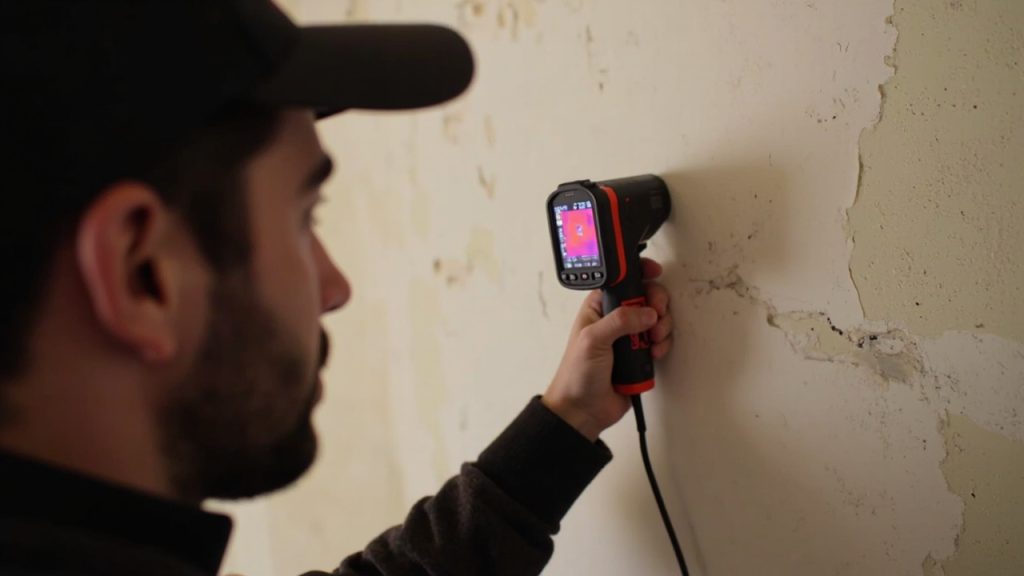
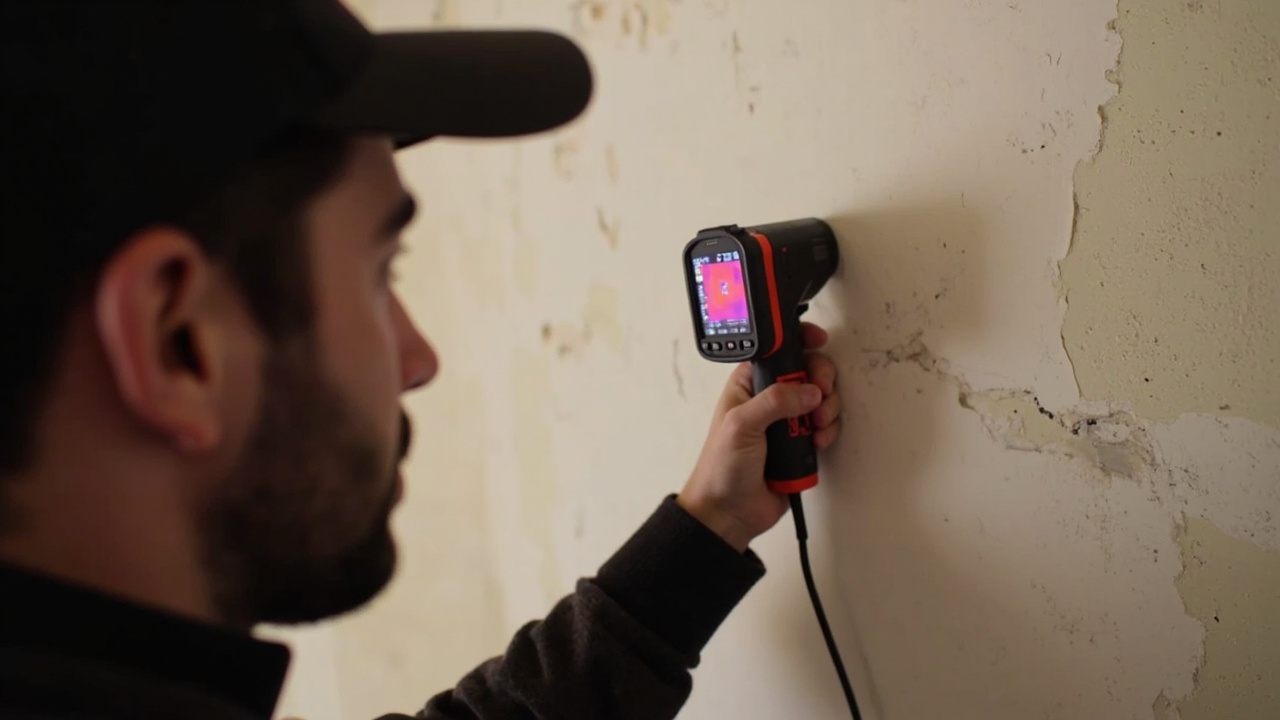
We also use thermal imaging cameras to see where the water is hidden. Water cools the surface of the wall as it evaporates. This shows up as dark purple or blue on an infrared camera. This technology allows us to target our equipment exactly where it is needed. We do not have to guess where the wet spots are. We can see them clearly. This is essential for University Circle homes where the plaster might be backed by brick or stone, creating multiple layers of moisture traps.
Steps to take immediately after a major leak in University Circle
If you discover a leak in your historic home, you must act within the first few hours. The longer the water sits, the more the wood lath swells. Once the wood lath expands beyond a certain point, it will crack the plaster. Follow these steps to maximize the chances of saving your walls.
- Shut off the main water valve immediately to stop the flow.
- Call a professional restoration service that understands historic materials.
- Do not use high heat to dry the walls as this can cause the plaster to crack and pull away.
- Remove area rugs and furniture from the affected area to reduce secondary humidity.
- Keep the air conditioning running if the outdoor air is humid to help with initial dehumidification.
If the leak has affected your lower levels or basement, the situation is even more critical. Groundwater or sewage can introduce contaminants that make the drying process more complex. If you have a flooded basement, you should look at getting help now for flooded basements in Lakewood and restore your property fast. While Lakewood is west of University Circle, the techniques for managing heavy water volume remain consistent throughout Cuyahoga County.
Restoration equipment used for historic University Circle properties
The tools we use in 2026 are significantly more efficient than those used just a few years ago. We focus on non-invasive drying. We want to avoid drilling holes in your beautiful plaster if possible. Sometimes we use floor mats that are actually designed to pull moisture out of hardwood and walls using suction. Other times we use specialized injections of warm, dry air into the wall cavities through existing openings like electrical outlets or baseboard gaps.
| Equipment Name | Specific Function in Plaster Drying | Why it is Better than DIY |
|---|---|---|
| LGR Dehumidifier | Removes water at low humidity levels | Standard fans only move wet air around |
| Axial Air Movers | Directs high-velocity air across wall surfaces | Creates the necessary evaporation rate |
| Penetrating Moisture Meter | Measures moisture deep inside the lath | You cannot tell if a wall is dry just by touching it |
| HEPA Air Scrubber | Filters out mold spores and dust during drying | Protects indoor air quality in occupied homes |
The dangers of trapped moisture and hidden mold
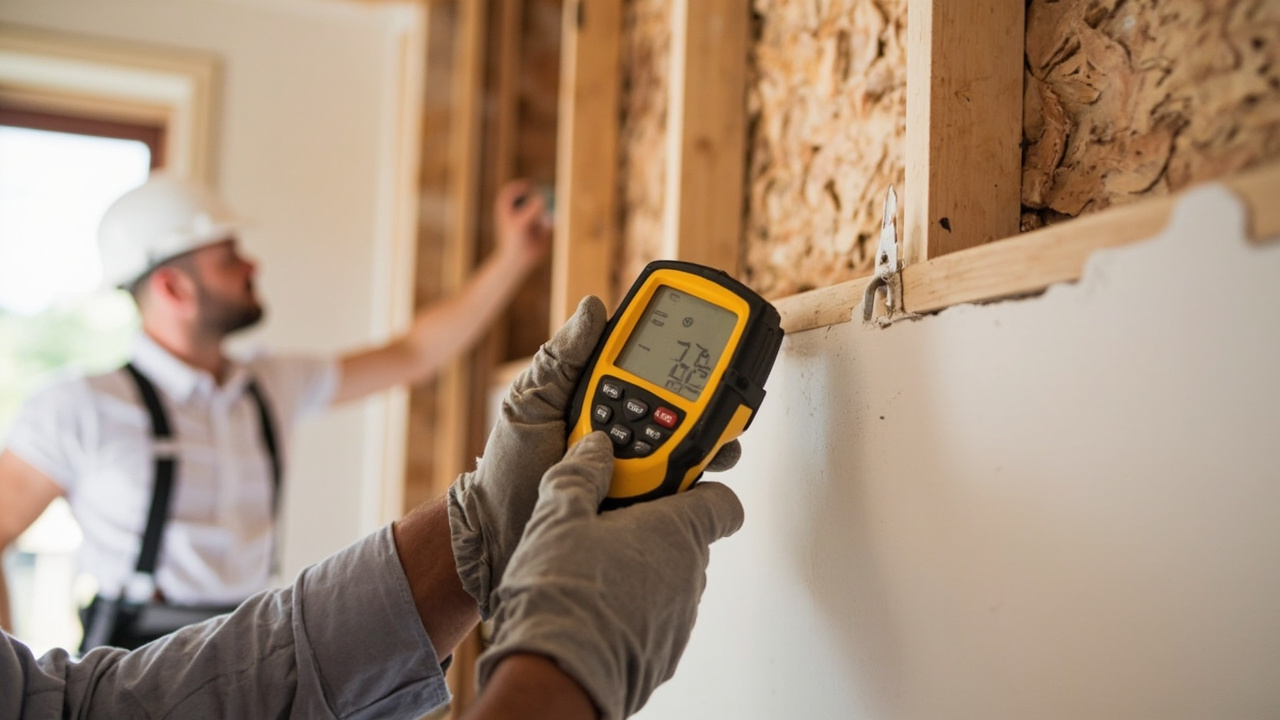
Plaster can feel bone dry to the touch while the wood lath behind it is still at 25 percent moisture content. This is a recipe for disaster. Mold thrives in the dark, damp space between the plaster and the exterior siding or brick. This is especially true in Cleveland during the summer when Lake Erie humidity keeps the air thick. If you do not dry the wall completely, the mold will eventually eat the wood lath and cause the plaster to fall off the wall months later. According to the Environmental Protection Agency, moisture control is the key to mold control. This is why we use scientific drying standards like the IICRC S500 standard for professional water damage restoration.
Sometimes the water comes from a sewage backup rather than a clean water pipe. This changes the entire restoration plan. If you are dealing with a sewer issue, you need to follow the emergency steps when your sewer backs up in Parma. Sewage contains pathogens that can soak into the plaster. In these cases, we often have to remove the material for safety reasons. However, for clean water leaks from a bathroom or kitchen in University Circle, saving the plaster is our primary goal.
Selecting the right restoration team for historic homes
Not every restoration company in Cleveland knows how to handle historic plaster. Many prefer the easy route of tearing everything out and replacing it with drywall. This destroys the historical value of your home. You need a team that respects the architecture of Northeast Ohio. When you are looking for help, you should research finding the best water damage restoration pros in Cleveland. Look for companies that mention technical drying and have experience with lath and plaster systems.
In 2026, the best companies use real-time monitoring. We place sensors in the home that send data to our phones. We can see the progress of the drying without even stepping inside your house every day. This ensures we do not leave the equipment running longer than necessary, which can save you money and reduce the disruption to your life. We monitor the relative humidity and temperature to ensure we stay within the optimal drying zone for gypsum-based materials.
Historic plaster walls are a treasure. They offer a level of quality that modern construction cannot match. If your University Circle home has suffered a leak, do not panic. Most plaster can be saved if you act fast and use the right technology. We have the experience and the tools to dry your walls and protect your home’s history. Contact a local expert today to begin the scientific drying process and keep your historic property intact for years to come.