Understanding the dangerous health risks of sewage backup versus clean water damage in Valley View homes
Every Valley View homeowner eventually deals with water in the wrong place. Maybe a supply line to your refrigerator pops or the Cuyahoga River pushes back into your basement drainage system. You might think water is just water, but the source of that liquid changes everything about how you must respond. In the restoration industry, we classify water into three distinct categories based on its level of contamination. Understanding these categories is the only way to protect your health and your property value in 2026.
When you find a puddle in your home, your first instinct is to grab a mop. If that water came from a burst pipe in the wall, a mop might be fine. If that water came from a floor drain during a heavy storm, that same mop could spread dangerous pathogens throughout your entire living space. The industry standards set by the IICRC dictate specific protocols for each type of flood. Ignoring these rules leads to long-term health issues and structural rot that homeowners insurance might not cover if the remediation was performed incorrectly.
Valley View sits in a unique geographic position. Our proximity to the river and the low elevation of many residential streets means our local infrastructure faces immense pressure during the spring thaw. The clay-heavy soil around Cuyahoga County does not absorb water quickly, leading to rapid runoff and frequent hydrostatic pressure against basement foundations. This environmental reality makes it even more important for you to know exactly what kind of water you are facing before you step into it.
The three categories of water damage in residential properties
Restoration professionals use a grading system to determine the level of personal protective equipment and sanitization required for a job. This system is not about the amount of water, but rather what is floating in it. Even a small amount of highly contaminated water is more dangerous than a massive flood of clean water.
Category 1 Clean water damage
Category 1 water comes from a sanitary source. This is usually the result of a failed supply line, a leaking faucet, or a bathtub overflow. This water does not pose a substantial threat to humans if it is addressed immediately. However, if Category 1 water sits for more than 48 hours, it can degrade into Category 2 or 3 as it reacts with dust, debris, and structural materials. For residents in Westlake, an emergency Westlake burst pipe repair often falls into this category if the response is fast.
Category 2 Gray water damage
Category 2 water contains significant contamination and has the potential to cause discomfort or sickness if consumed or touched. This often includes discharge from dishwashers, washing machines, or overflows from toilet bowls that contain some urine but no feces. Gray water carries microorganisms and nutrients that can support the growth of mold and bacteria. If you find gray water in your home, you must use antimicrobial treatments during the drying process to ensure the space remains safe for your family.
Category 3 Black water damage
Category 3 water is grossly contaminated and contains pathogenic, toxigenic, or other harmful agents. This is what we call black water. It includes sewage, rising water from rivers or streams, and ground surface water flowing into the home. In Valley View, when the canal overflows or the sewer mains back up, you are dealing with Category 3 water. This liquid contains E. coli, Salmonella, Hepatitis, and various parasites. You should never attempt to clean black water without professional training and full body protection.
| Feature | Category 1 (Clean) | Category 2 (Gray) | Category 3 (Black) |
|---|---|---|---|
| Source | Sink, pipe, bathtub | Dishwasher, shower drain | Sewer, river, toilet overflow |
| Pathogen Risk | Low to None | Medium | High (Biohazard) |
| Porous Materials | Often salvageable | Selective replacement | Usually require disposal |
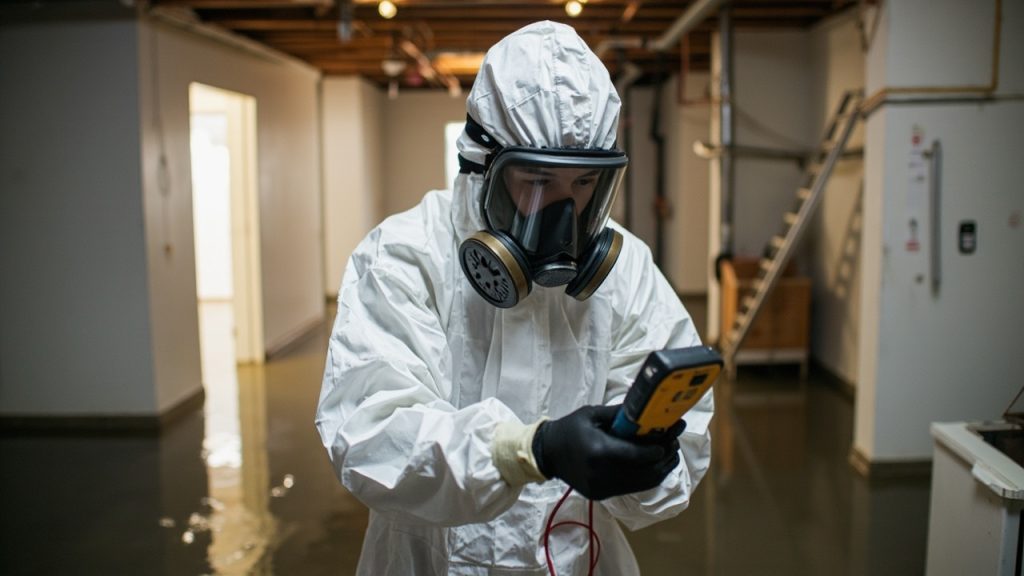
| Required PPE | Gloves, boots | Gloves, N95 mask, boots | Full Tyvek suit, respirator |
| Sanitization | Light disinfection | Antimicrobial wash | Deep extraction and sterilization |
Why sewage cleanup requires a specialized restoration approach
Cleaning up a sewage backup is not the same as drying out a wet carpet. When raw sewage enters your home, it brings millions of microscopic biohazards that settle into the pores of your wood framing, the backing of your carpet, and the gypsum of your drywall. Standard cleaning agents like bleach are often insufficient because they do not penetrate deep enough into these materials to kill every pathogen. Professionals use industrial-strength biocides that are registered with the EPA to ensure the environment is truly sterile.
If you live in a community with older infrastructure, you are at a higher risk for these types of backups. Many Valley View homes are connected to systems that can become overwhelmed during the flash floods common in the 2026 climate. When the city mains cannot handle the volume, the pressure forces the waste back up through your lowest drains. This is why having a sump pump with a battery backup is vital, but even then, a mechanical failure can lead to a disaster. If you are dealing with a sewer issue in a neighboring area, you should check out these emergency steps when your sewer backs up in Parma to limit the spread of contamination.
Health risks associated with raw sewage in the home
The primary reason we treat sewage differently than clean water is the immediate risk to human health. Coming into contact with black water can lead to skin infections, respiratory distress, and severe gastrointestinal illness. The risk is not just from physical contact. As the water begins to evaporate, some bacteria can become airborne, especially if you use high-speed fans before the area is properly sanitized. This is a common mistake made by DIY homeowners that leads to cross-contamination throughout the entire HVAC system.
- Bacteria such as E. coli and Salmonella that cause severe digestive issues.
- Viruses including Hepatitis A and Rotavirus.
- Parasites like Giardia and Cryptosporidium that survive in wet environments for long periods.
- Secondary mold growth that triggers asthma and allergic reactions.
- Chemical contaminants from road runoff and industrial sites near the Cuyahoga River.
If your home has a history of moisture issues or previous flooding, you might already have underlying problems. For those in historic areas, professional mold remediation for Shaker Heights homeowners is a great example of how specialized care is needed for different property types. Valley View homes are no different, and the combination of sewage and humidity can ruin a basement in less than three days.
Valley View geography and local flooding risks
Valley View is a beautiful village, but its topography creates specific challenges for water management. The village sits in a valley, which means gravity is always working to send water toward your foundation. The Ohio and Erie Canal and the Cuyahoga River are defining features of our landscape, yet they are also the primary sources of Category 3 flood water. During heavy rains, the groundwater table in our area rises rapidly. This creates hydrostatic pressure that can crack basement floors and push contaminated water through the cove joint where the wall meets the floor.
When this happens, it is rarely clean water. It has picked up fertilizers from local lawns, oils from the roads, and bacteria from the soil. This qualifies it as Category 3 water immediately. If you have a finished basement with drywall and carpeting, these materials act like a sponge for those contaminants. In most cases, the bottom two feet of drywall must be removed to ensure no pathogens are trapped behind the walls. If you are struggling with water entry, reading about how to get help now for flooded basements in Lakewood can provide insights into the extraction and drying techniques used in our local region.
Insurance implications and water backup endorsements
A major point of confusion for homeowners is their insurance coverage. A standard homeowners policy usually covers sudden and accidental water damage from internal sources like a burst pipe. However, many policies specifically exclude water that enters the home through a sewer or drain backup unless you have a specific endorsement. This is often called a Water Backup and Sump Pump Overflow rider.
In 2026, many insurance carriers are more strict about these claims. If you cannot prove that the restoration was handled by a certified professional, they may deny secondary claims for mold or structural damage later. This is why documenting the category of water is so important. A professional restoration company will provide a detailed report including moisture readings, sanitization logs, and equipment tallies that your insurance adjuster needs to process your claim fairly. For advice on selecting the right team, look at finding the best water damage restoration pros in Cleveland to ensure your contractor understands the local requirements.
| Equipment Type | Purpose | Water Category Suitability |
|---|---|---|
| LGR Dehumidifiers | Removing moisture from the air to prevent mold | Categories 1, 2, and 3 |
| Centrifugal Air Movers | Evaporating water from structural materials | Category 1 (only after sanitization for 2 and 3) |
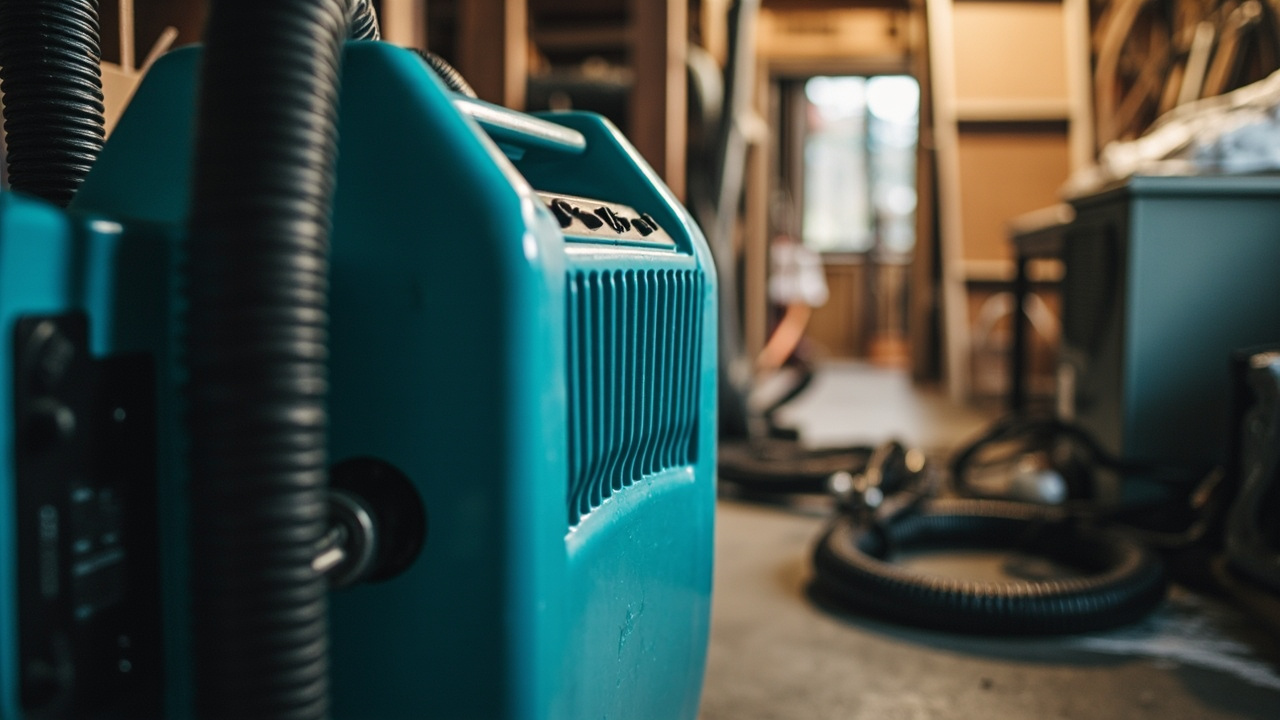
| HEPA Air Scrubbers | Removing airborne pathogens and spores | Essential for Category 2 and 3 |
| Sub-Surface Extractors | Pulling water from deep within carpet pads | Category 1 (never use on Category 3) |
| Thermal Imaging Cameras | Locating hidden pockets of water behind walls | Categories 1, 2, and 3 |
The professional restoration process for sewage backups
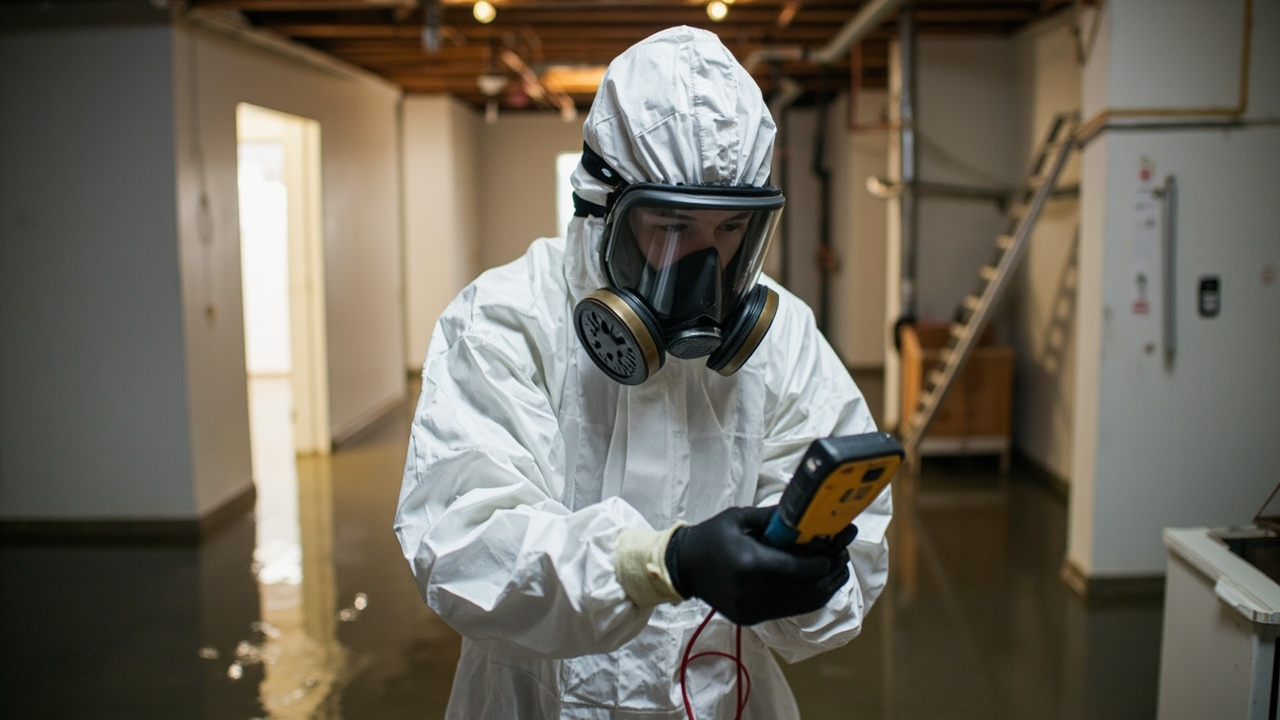
The restoration process for a sewage backup is much more intensive than a standard drying job. First, we establish containment. This involves using plastic sheeting and air scrubbers to create negative air pressure, ensuring that odors and bacteria do not move into the upper floors of your home. Once the area is secure, we begin the physical removal of the waste. This is not a job for a shop vacuum. We use truck-mounted extraction units that safely transport the waste into a holding tank for proper disposal according to local health regulations.
After extraction, all non-salvageable materials are removed. In a Category 3 situation, this almost always includes the carpet pad and often the carpet itself. We then apply a heavy-duty antimicrobial agent to all affected surfaces. This step is critical because it kills the bacteria on contact. Only after the area is sanitized do we bring in the air movers and dehumidifiers to finish the drying process. We monitor the moisture levels in your studs and subflooring every day until they reach the dry standard for our Cleveland climate. This prevents the wood from warping and ensures mold does not have the moisture it needs to grow.
Protecting your Valley View home from the dangers of contaminated water requires quick action and the right knowledge. If you see water coming up from your drains, keep your family away from the area and call for professional help immediately. The difference between a simple dry-out and a major health hazard is often just a few hours. By understanding the categories of water and the risks they carry, you can make the best decisions for your property and your loved ones in 2026.