Homeowners in Highland Heights often face confusion when water enters their property. Whether it is a failed sump pump during a 2026 spring storm or a pipe failure in a stately home near the North Chagrin Reservation, the path to recovery involves two distinct phases. Many people use the terms restoration and reconstruction interchangeably, yet they represent different skill sets, equipment, and goals. Understanding these differences helps you make better decisions for your property and ensures your insurance claim progresses smoothly.
Defining the Scope of Water Damage Restoration
Water damage restoration focuses on the immediate physical and chemical stabilization of your home. Think of this as the emergency medical response for your property. In Highland Heights, where basement foundations often deal with heavy clay soil and hydrostatic pressure, this phase is critical. Professional restoration involves removing standing water and drying out the structural elements before permanent damage or mold growth takes hold.
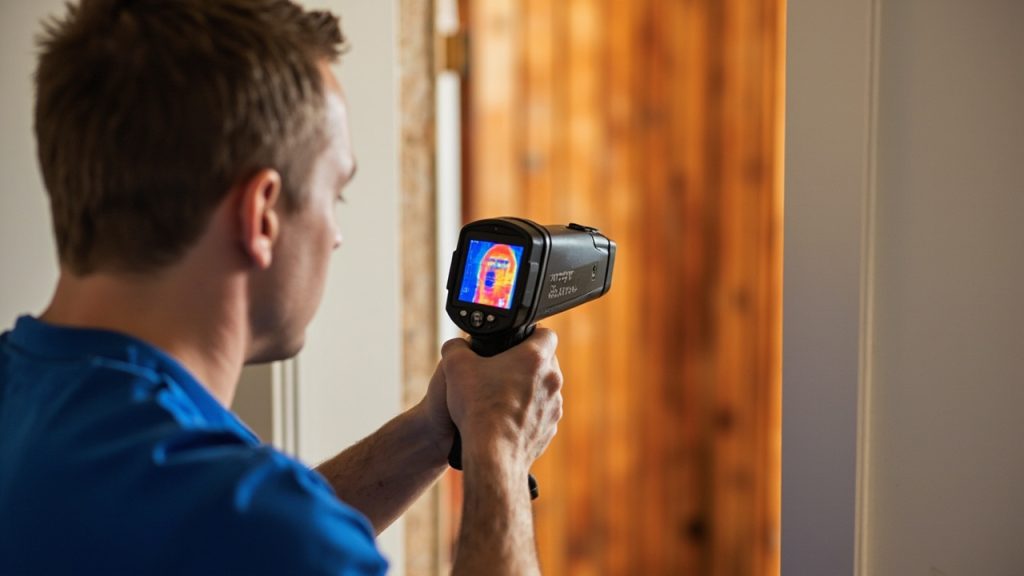
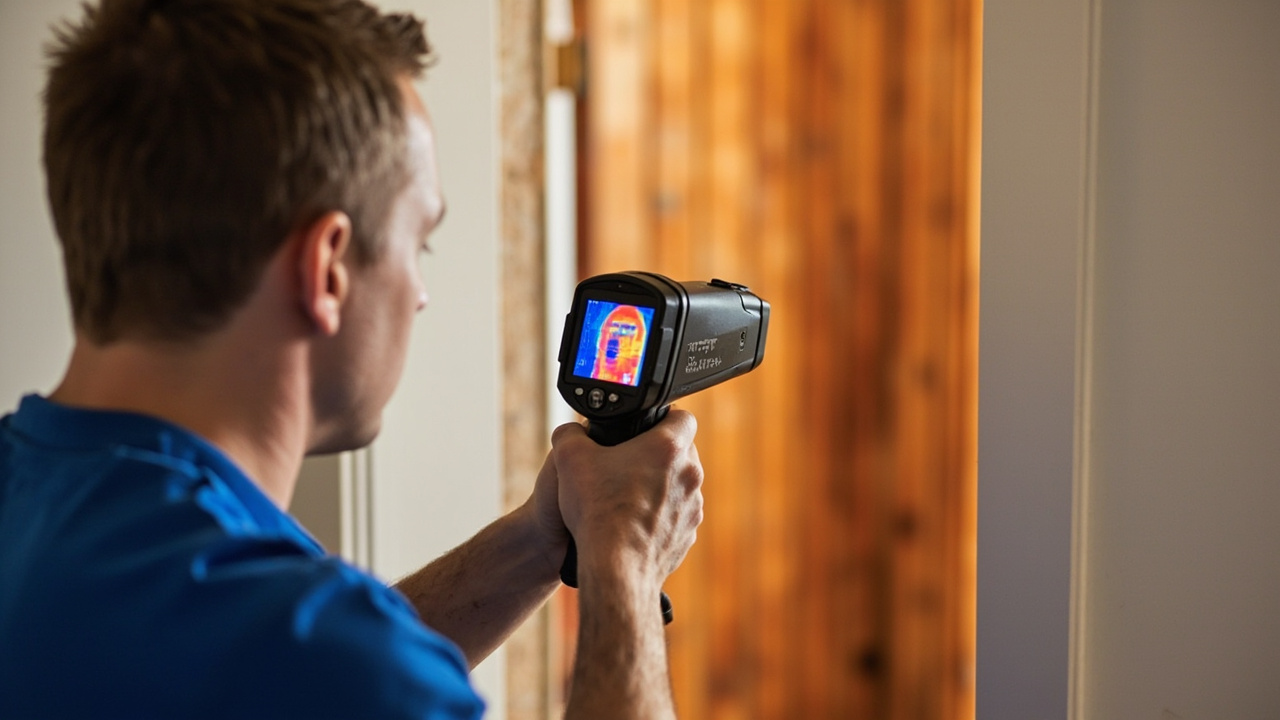
The technical term for this phase is mitigation. Certified technicians use advanced moisture mapping technology to find hidden pockets of water behind drywall or under hardwood floors. We use high-grade tools like thermal imaging cameras and moisture meters to track progress. This is not about building something new. It is about saving what you already have. When you are finding the best water damage restoration pros in Cleveland, you should look for those who prioritize drying over demolition whenever possible.
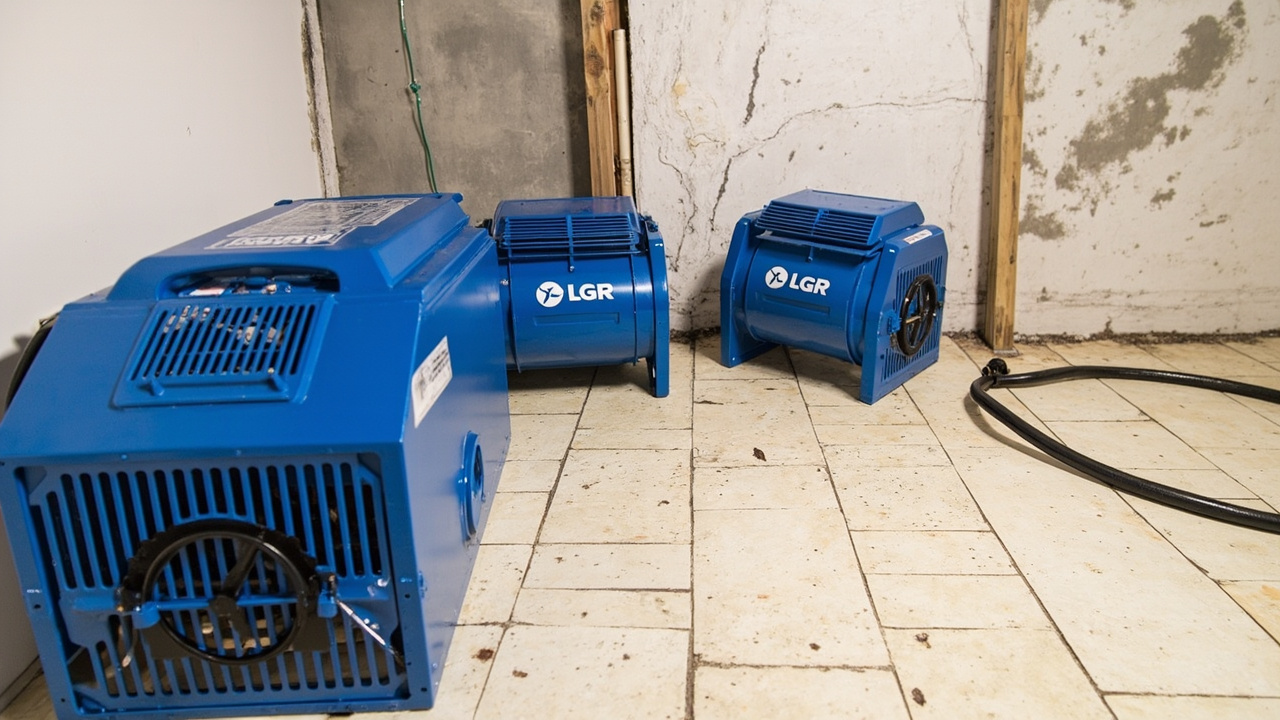
Restoration includes the use of industrial air movers and Low Grain Refrigerant (LGR) dehumidifiers. These machines are designed to pull moisture out of the air and the materials themselves. In the humid 2026 Cleveland summer, standard residential fans will not work. You need professional equipment to drop the relative humidity low enough to pull deep-seated moisture from wall studs and subfloors. If this phase is handled correctly, you may avoid the need for expensive reconstruction entirely.
The Rebuild Phase and When Reconstruction Becomes Necessary
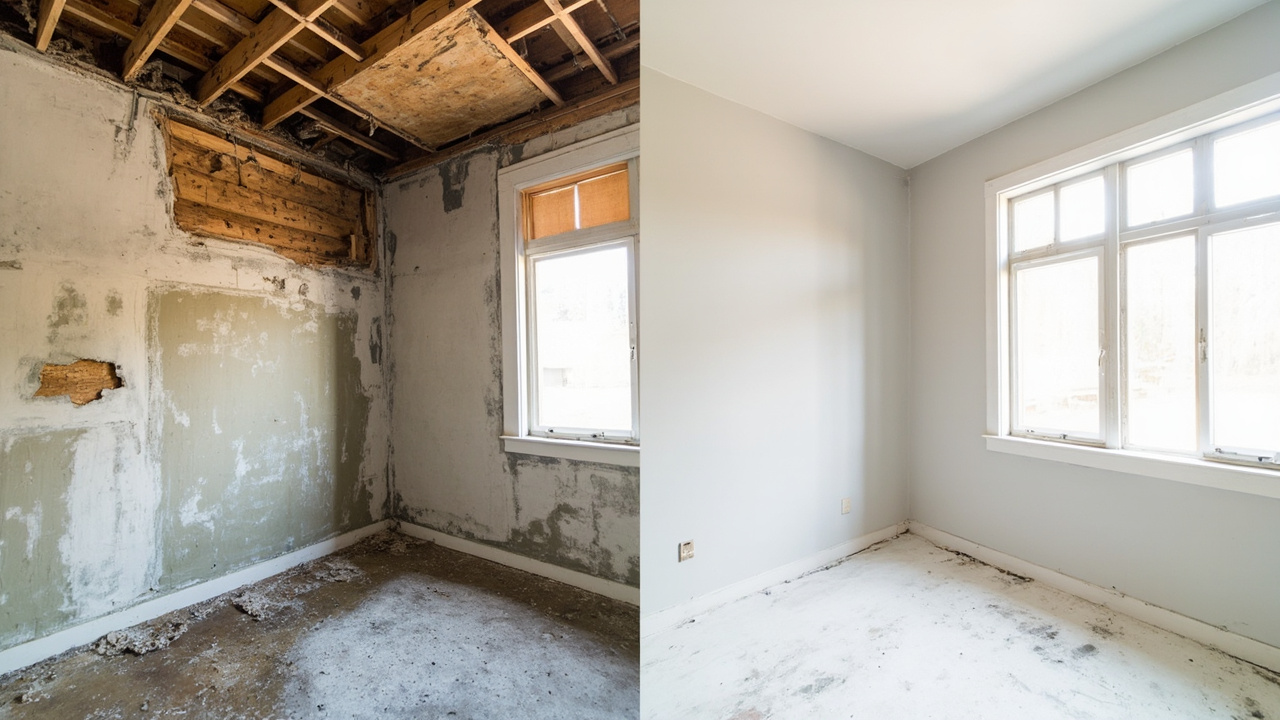
Reconstruction is the second half of the recovery process. This phase involves actual carpentry, masonry, and finishing work. While restoration is about drying and cleaning, reconstruction is about replacing and rebuilding. If your Highland Heights home has sustained structural damage that cannot be dried safely, or if the water was highly contaminated, reconstruction is the only path forward.
In many local cases, reconstruction is triggered by the type of water involved. The IICRC (Institute of Inspection, Cleaning and Restoration Certification) classifies water into categories. Category 1 is clean water from a broken supply line. Category 3 is black water, which includes sewage or floodwaters from outdoors. If a basement in Highland Heights floods with Category 3 water, materials like drywall, insulation, and carpeting cannot be restored. They must be removed and replaced. This is where the transition to reconstruction happens.
Reconstruction tasks in a Cleveland home typically include hanging new drywall, installing new flooring, painting, and sometimes structural repairs to the floor joists or wall plates. If you have a historic home in the area, reconstruction might also involve sourcing specialized trim or molding to match the original architecture. This phase requires building permits from the Cuyahoga County building department and adherence to current 2026 building codes.
Key Differences in Goals and Timelines
The goals of these two phases are entirely different. Restoration is fast-paced and urgent. It starts the moment a technician arrives on-site. Reconstruction is more deliberate and involves design choices and material selections. The following table highlights the primary differences you will encounter during a typical 2026 property loss in Highland Heights.
| Feature | Water Damage Restoration | Structural Reconstruction |
|---|---|---|
| Primary Goal | Stabilize, dry, and sanitize the property | Replace materials and return aesthetics |
| Average Duration | 3 to 5 days | 2 to 6 weeks or longer |
| Typical Equipment | Air movers, LGR dehumidifiers, HEPA scrubbers | Saws, drills, nail guns, painting tools |
| Permit Needs | Rarely required for emergency drying | Often required by Cuyahoga County |
| Insurance Focus | Loss mitigation and prevention of secondary damage | Restoring the home to pre-loss condition |
The Grey Area Where Restoration and Reconstruction Overlap
There is often a period during a project where the two services overlap. This usually occurs during the controlled demolition phase of restoration. To dry a wall effectively, a restoration technician might need to remove the baseboards and drill small holes in the drywall to allow air to circulate. This is technically restoration because it is done to facilitate drying, but it creates a need for reconstruction later.
In Highland Heights, many residents have finished basements with high-end features. If a sewer backup occurs, the cleanup is much more involved. You can find detailed emergency steps when your sewer backs up in Parma or Highland Heights that emphasize the need for immediate professional intervention. In these cases, the restoration team must remove the bottom two feet of drywall (a flood cut) to ensure no pathogens remain behind the walls. Once the area is sanitized and dried, the reconstruction team takes over to patch the drywall and finish the space.
Professional firms in Cleveland often handle both phases, providing a seamless transition. This is beneficial because the reconstruction team knows exactly what was done during the drying phase. They understand the moisture readings and the antimicrobial treatments applied, which ensures that no new materials are installed over damp or contaminated surfaces. This continuity is essential for preventing mold growth in the 2026 climate.
Why Cleveland Homeowners Face Unique Restoration Challenges
Living in Northeast Ohio presents specific challenges for property owners. The climate in 2026 has shown significant fluctuations in humidity and temperature. These factors directly influence how we approach restoration and reconstruction. In Highland Heights, the soil composition and the proximity to the lake create a unique environment for moisture management.
- High clay content in the soil leads to poor drainage around foundations, increasing the risk of basement seepage.
- Cold winters create a high risk of burst pipes in exterior walls if insulation is insufficient.
- Summer humidity levels often exceed 70 percent, making industrial-grade dehumidification mandatory for indoor drying.
- Older housing stock requires careful testing for lead or asbestos before any reconstruction begins.
If you are dealing with a frozen pipe issue, you might need emergency Westlake burst pipe repair or local Highland Heights services quickly. The freeze-thaw cycles in Cleveland can cause pipes to expand and contract, leading to hairline fractures that eventually fail. When these failures occur, the restoration process must address not just the water but also the potential for pipe replacement within the reconstruction phase.
Comparison of Restoration Equipment for Highland Heights Properties
Not all drying equipment is the same. The choice of tools depends on the material being dried and the current atmospheric conditions. A professional restoration plan in 2026 uses a combination of these technologies to ensure structural integrity is maintained.
| Equipment Type | Function in Restoration | When it prevents Reconstruction |
|---|---|---|
| LGR Dehumidifier | Removes water vapor from the air | Prevents hardwood floor cupping and drywall swelling | Creates high-velocity airflow across surfaces | Speeds up evaporation to save structural studs |
| Injection Dryers | Forces air into wall cavities or under cabinets | Saves expensive cabinetry and built-in furniture |
| HEPA Air Scrubbers | Filters airborne particulates and mold spores | Prevents cross-contamination and health issues |
Insurance Implications for Restoration and Rebuilds
Navigating insurance claims in 2026 requires a clear understanding of your policy. Most homeowners insurance policies cover both restoration and reconstruction, but they are often categorized under different parts of the claim. Restoration is usually filed under emergency services or mitigation. This is because insurance companies have a vested interest in stopping the damage from getting worse. They want you to hire a professional to dry the home immediately so they do not have to pay for a full rebuild.
The Ohio Department of Insurance provides guidelines on how claims should be handled in the state. For Highland Heights residents, it is important to document every step of the restoration. Professionals will provide moisture logs and drying charts that prove the house is stable. This documentation is vital when it comes time to pay for reconstruction. If the insurance adjuster can see that the restoration was done according to IICRC standards, they are much more likely to approve the costs for new drywall, flooring, and paint.
Sometimes, reconstruction involves upgrades. If your older Highland Heights home needs a new floor after a flood, you might want to switch from carpet to LVP (Luxury Vinyl Plank). Insurance typically only covers the cost to return the home to its pre-loss state. Any upgrades are usually an out of pocket expense for the homeowner. However, a skilled reconstruction team can work with your adjuster to ensure you get the maximum value from your claim.
Protecting the Value of Your Highland Heights Property
The goal of both restoration and reconstruction is to protect your investment. Highland Heights is known for its beautiful residential neighborhoods and high property values. A poorly managed water loss can lead to long-term issues like mold or structural rot, which will significantly decrease the value of your home. This is especially true for those who might need professional mold remediation for Shaker Heights homeowners or Highland Heights residents who have older, historic properties.
By choosing a company that understands the science of drying, you reduce the time your home is under construction. Fast restoration means less demolition. Less demolition means a faster return to normal life. If you find yourself standing in a flooded basement in Lakewood or Highland Heights, remember that the first 24 hours are the most important. The decisions you make in those first few hours will determine whether you need a simple drying project or a major structural reconstruction.
Always verify that your restoration contractor uses 2026 technology and follows the S500 standard for professional water damage restoration. Ask for their moisture mapping data and ensure they are monitoring the project daily. This level of detail is what separates a basic cleanup from a professional restoration that saves your home. Whether you need the urgent response of restoration or the detailed craftsmanship of reconstruction, understanding these roles ensures your Highland Heights home remains the safe haven it was meant to be.