Immediate Actions for Wet Drywall in Lyndhurst Homes
When you find water creeping up the walls of your Lyndhurst home, every hour counts. Whether a pipe burst in your second-floor bathroom or a heavy Cleveland rainstorm sent water through your foundation, the gypsum board in your walls acts like a giant sponge. You must act within the first twenty-four to forty-eight hours of 2026 to prevent permanent structural damage. The first step involves identifying the water source and stopping it immediately. If you have a massive leak near Mayfield Road or Richmond Road, turn off your main water valve before you even think about the walls.
Safety remains the priority when dealing with wet building materials. Water and electricity do not mix. If water has reached the height of your electrical outlets, do not touch the walls or enter the area until a professional turns off the power at the breaker. Many homes in the older sections of Lyndhurst still have older wiring systems that are especially vulnerable to moisture. Once the area is safe, you can start the assessment process to see if the drywall can be saved or if it requires a flood cut.
Understanding the Composition of Your Lyndhurst Walls
Drywall consists of a gypsum core sandwiched between two layers of heavy paper. Gypsum is naturally porous. When it gets wet, it loses its structural integrity. The paper backing is an organic material that serves as a perfect food source for mold spores. In the humid environment of a Cleveland summer in 2026, mold can begin to colonize wet paper in as little as twenty-four hours. This is why a quick decision is necessary.
You also need to consider what sits behind the drywall. Many Lyndhurst homes feature fiberglass or cellulose insulation. If the insulation behind the wall is wet, the drywall almost always needs to come out. Wet insulation holds moisture against the back of the drywall and the wooden studs, preventing the wall from ever drying naturally. This trapped moisture leads to wood rot and hidden mold growth that you might not see until the problem is severe. If you are struggling with a complex situation, you might need help finding the best water damage restoration pros in Cleveland to provide a professional moisture map.

Technical Standards for Salvaging Drywall
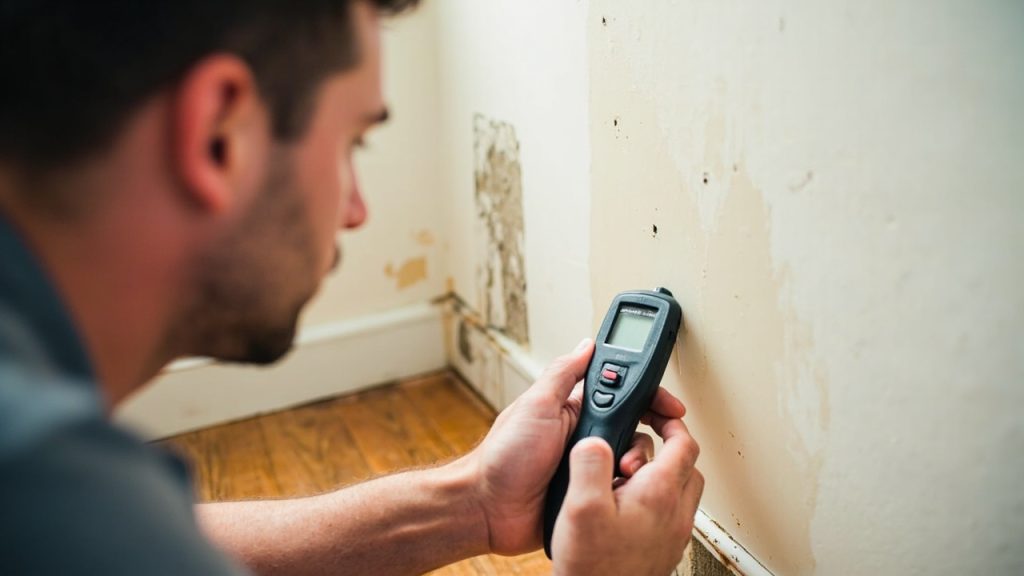
We use the IICRC S500 standards to determine if a material is restorable. These are the gold standard for the restoration industry in 2026. The most important factor is the category of water that caused the damage. Category 1 water comes from a clean source, like a broken supply line or a leaking faucet. If the water is Category 1 and the drywall is not sagging or falling apart, we can often save it using high-speed air movers and industrial dehumidifiers. We monitor the moisture content using penetrating and non-penetrating moisture meters until the levels return to the dry standard for Cuyahoga County.
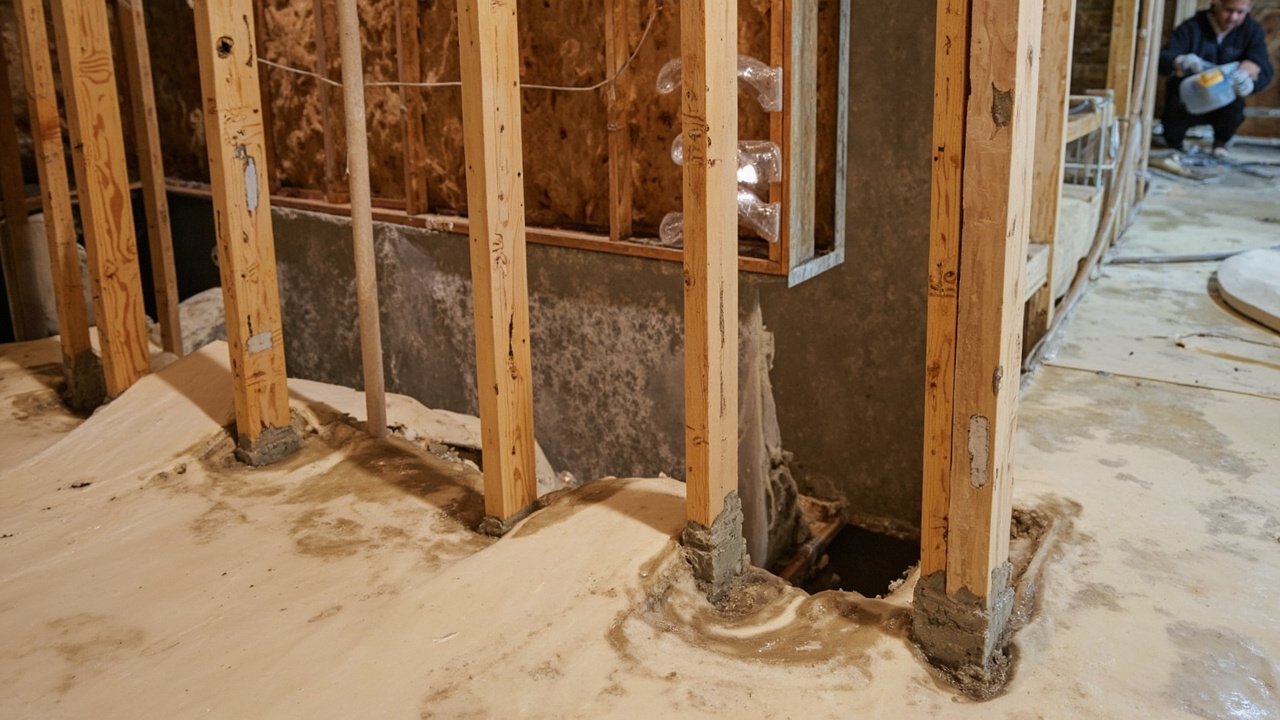
Category 2 and Category 3 water are different stories. Category 2 water, often called gray water, contains significant contamination, such as discharge from a washing machine or a dishwasher. Category 3 water, or black water, is highly contaminated and contains pathogens. This includes sewage backups or rising floodwater from the ground. If your home has suffered from emergency steps when your sewer backs up in Parma or Lyndhurst, the drywall is not salvageable. The porous nature of the gypsum absorbs the contaminants, making it impossible to clean. In these cases, we perform a flood cut at least twelve to twenty-four inches above the highest water line.
| Water Category | Source Example | Salvage Potential | Primary Action Required |
|---|---|---|---|
| Category 1 | Broken water pipe | High if caught early | Professional drying and monitoring |
| Category 2 | Washing machine leak | Low to Moderate | Sanitization or partial removal |
| Category 3 | Sewer backup or storm surge | Zero | Immediate removal and disposal |
The Physics of Drying Drywall in the Cleveland Climate
Drying drywall in Lyndhurst during 2026 requires more than just opening a window. The high outdoor humidity levels in the Great Lakes region often prevent natural evaporation. We use a process called psychrometrics to manipulate the environment. By controlling the temperature and the relative humidity, we create a vapor pressure differential that pulls moisture out of the gypsum board and into the air. From there, our LGR (Low Grain Refrigerant) dehumidifiers remove the water from the air and pump it away.
If you have multiple layers of drywall or if the wall has been painted with high-gloss or vapor-barrier paint, drying becomes much harder. Vinyl wallpaper also acts as a vapor barrier, trapping moisture inside the wall. In these instances, we often have to remove the baseboards and drill small holes near the floor to allow air to circulate behind the wall. If these methods fail to show progress on our moisture meters within forty-eight hours, the material must be removed to protect the rest of the structure. For those in historic areas, you may want to look into professional mold remediation for Shaker Heights homeowners protecting your historic property for similar tips on older building materials.
Signs Your Drywall Must Be Replaced Immediately
Sometimes the decision is made for you by the physical condition of the wall. Look for these specific indicators that the drywall has reached its limit. If you see any of these signs in your Lyndhurst property, stop trying to dry the wall and start the removal process.
- The drywall feels soft or mushy when pressed with a finger.
- The tape joints are bubbling or peeling away from the corners.
- You see visible dark spots or fuzz growing on the surface of the wall.
- The wall is bulging or sagging away from the studs.
- There is a persistent musty odor that does not go away with ventilation.
- Water has wicked up the wall more than twenty-four inches from the floor.
If you are dealing with a localized issue like an emergency Westlake burst pipe repair and professional water cleanup services case, you might be able to replace just a small section. However, if the water came from a ceiling leak, the weight of the water inside the gypsum often makes the entire sheet a safety hazard. A heavy, wet piece of drywall can fall without warning, causing injury or further property damage.
The Cost of Replacement vs the Cost of Drying
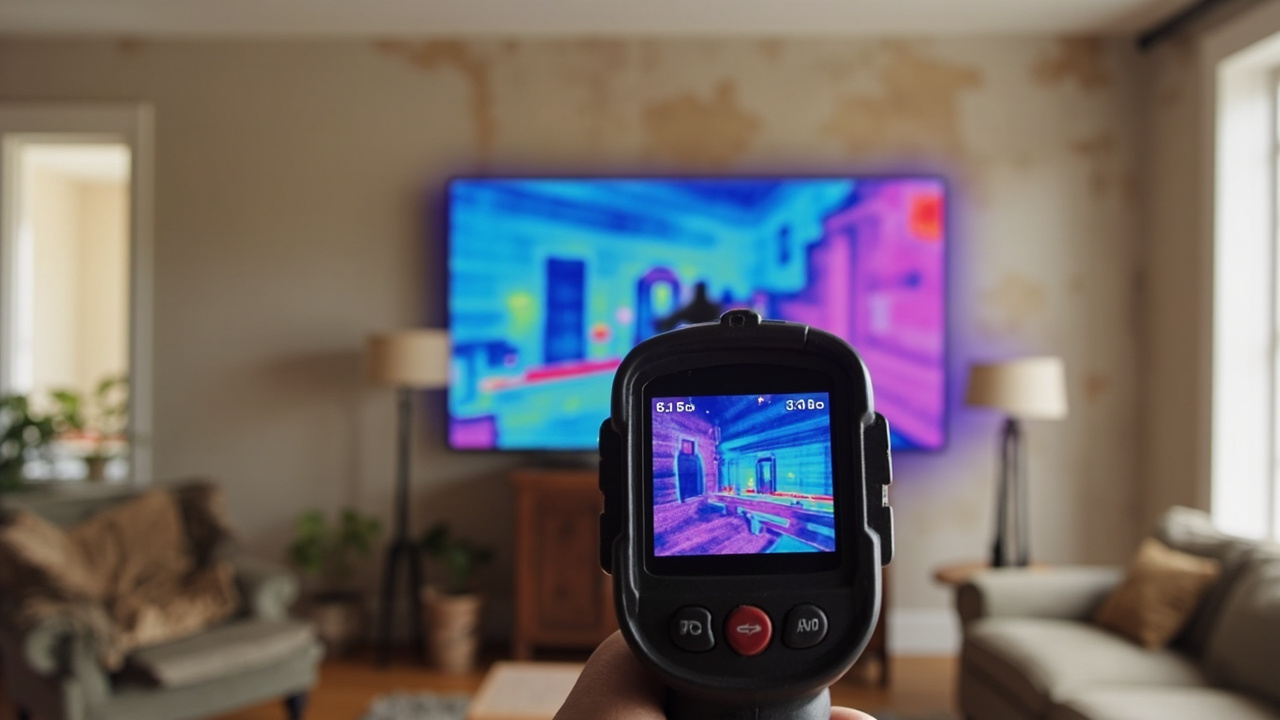
Homeowners in Lyndhurst often worry about the expense of replacement. While drying the wall may seem cheaper, it is only cost-effective if it works. If you spend money on professional drying equipment only to find mold behind the wall two weeks later, you have paid for the same job twice. This is why we perform a thorough inspection using thermal imaging cameras. These cameras allow us to see the temperature differences caused by moisture behind the wall without cutting any holes. This data helps us give you an honest recommendation on whether to save or scrap the material.
Replacing drywall involves several stages of labor. You have the demolition, the disposal of heavy debris, the hanging of new sheets, taping, mudding, sanding, and finally painting. In 2026, labor costs for skilled trades in the Cleveland area remain steady, but the speed of professional restoration can save you money in the long run by preventing a total house gut job. We always provide detailed documentation for your insurance company to help your claim move faster. Most homeowners insurance policies in Ohio cover the cost of professional drying and the replacement of damaged materials if the cause was a sudden and accidental water discharge.
| Action Item | Estimated Timeframe | Complexity Level | Success Probability |
|---|---|---|---|
| Structural Drying | 3 to 5 Days | Moderate | 70 percent for Category 1 |
| Flood Cut and Removal | 1 to 2 Days | High | 100 percent for mold prevention |
| Full Replacement | 7 to 14 Days | Very High | 100 percent for structural renewal |
Working with Local Insurance Adjusters in Cuyahoga County
The insurance process for water damage in 2026 requires precise data. Adjusters want to see moisture readings, photos of the damage, and a clear explanation of why certain materials were removed. When we work on a home near Legacy Village or the Acacia Reservation area, we document the entire process from start to finish. We use specialized software to create a digital twin of the damage, showing exactly where the moisture was concentrated. This level of detail makes it very difficult for an insurance company to deny a necessary drywall replacement.
If your basement has flooded, which is common in the clay soils of Lyndhurst, you should check your policy for a sump pump failure rider. Many standard policies do not cover ground water seepage or sump pump failure unless you have specifically added that coverage. If you are dealing with a wet basement in a neighboring area, you might find useful tips on get help now for flooded basements in Lakewood and restore your property fast. The geological conditions across the Cleveland metro area mean that foundation pressure is a constant threat to your drywall and finished basement spaces.
How to Prevent Future Drywall Damage in Lyndhurst
Once your walls are dry or replaced, you should take steps to ensure it does not happen again. Maintaining your gutters and downspouts is the most effective way to keep water away from your foundation. In the 2026 climate, we are seeing more intense bursts of rain that can overwhelm older gutter systems. Ensure your downspouts extend at least six to ten feet away from your home. This simple fix can prevent thousands of dollars in future drywall repairs.
You should also consider installing a leak detection system. Modern smart home technology in 2026 allows you to place sensors near water heaters, under sinks, and behind washing machines. These sensors can send an alert to your phone the moment they detect moisture, allowing you to shut off the water before the drywall ever gets soaked. If you live in an older Lyndhurst home, replacing aging shut off valves with modern quarter turn ball valves can also provide peace of mind. According to the IICRC, early intervention is the single most important factor in whether or not building materials can be salvaged after a water loss.
Professional Support for Your Restoration Project
Deciding whether to rip out your walls is a stressful experience. You want to save your home, but you also want to ensure your family is safe from the respiratory issues caused by mold. Our team has spent over fifteen years working in the Cleveland area, and we understand the specific challenges of Lyndhurst architecture and weather. We do not guess when it comes to your home. We use science and data to make the right call.
If you have moisture in your walls right now, do not wait for the smell to start. Reach out to a professional who can provide a comprehensive moisture inspection. Getting an expert opinion today can prevent a much larger reconstruction project tomorrow. We are here to help you navigate the restoration process and get your home back to normal as quickly as possible. You can find more information about the standards we follow at the EPA website regarding mold and moisture. Let us help you make the right choice for your property and your health in 2026.