When a pipe bursts in your Westlake kitchen or the basement floods after a heavy storm off Lake Erie, your first instinct is to grab every fan in the house. You might line up box fans from the hardware store and point them at the wet carpet. While this feels like progress, it often creates a false sense of security. In the 2026 Cleveland climate, where humidity levels frequently climb above seventy percent, moving air is not the same as drying a structure. Professional structural drying involves a scientific approach to moisture management that standard fans cannot replicate.
The Science of Moisture and Vapor Pressure
To understand why household fans fail, you must understand psychrometry. This is the study of air, moisture, and temperature. When water enters your home, it does not just sit on the surface. It penetrates deep into drywall, wooden studs, and subfloors. Standard fans only address the water they can reach on the surface. They create high velocity air that encourages evaporation, but they do nothing to manage the moisture now suspended in the air. If you do not remove that moisture, the air becomes saturated. Once the air is full of water, evaporation stops. The water then settles back into your walls, leading to secondary damage.
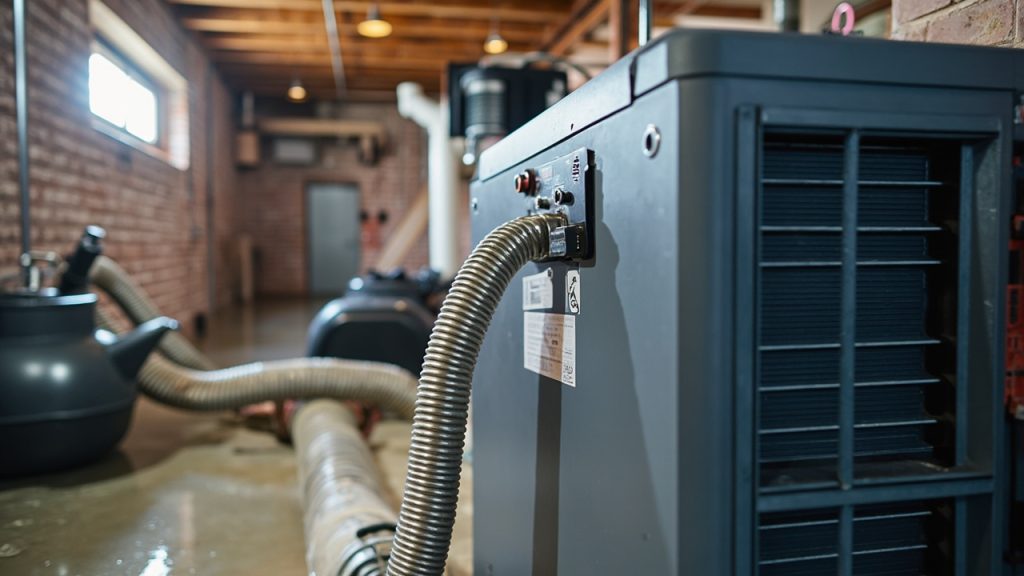
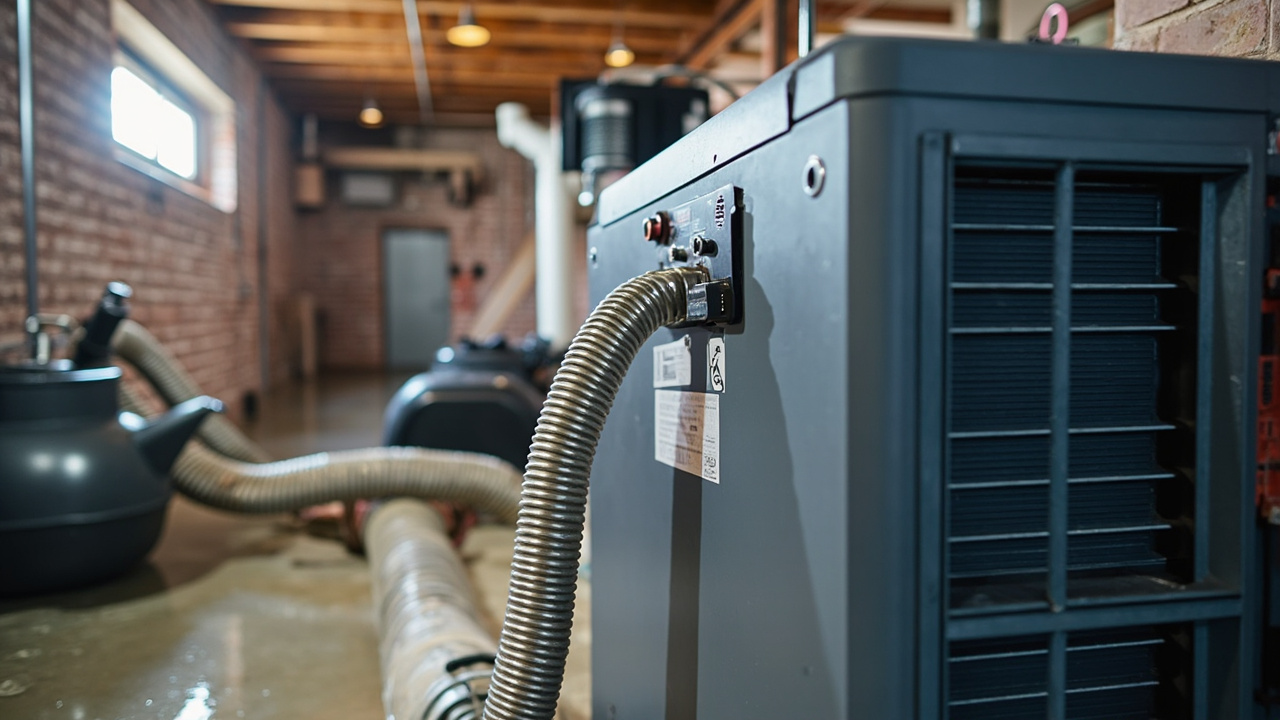
Professional restorers look at the Grains Per Pound (GPP). This measurement tells us exactly how much water vapor is in the air. A standard box fan cannot lower the GPP. It just swirls the wet air around the room. In a city like Cleveland, where moisture levels are naturally high, this is a recipe for disaster. Professional structural drying uses Low Grain Refrigerant (LGR) dehumidifiers. These machines are designed to pull water out of the air even when the humidity is low, ensuring the environment stays thirsty enough to pull moisture out of your structural materials.
Comparing Home Fans and Professional Air Movers
The difference between a household fan and an industrial air mover is significant. A box fan might move three hundred cubic feet of air per minute. An industrial centrifugal air mover moves thousands. More importantly, professional equipment is designed to push air across the floor and up the walls at high pressure. This pressure breaks the boundary layer of saturated air sitting against wet surfaces. Without breaking this layer, drying takes days instead of hours. When you are dealing with emergency Westlake burst pipe repair, every hour counts to prevent permanent warping.
| Feature | Standard Household Fan | Industrial Air Mover | LGR Dehumidifier |
|---|---|---|---|
| Primary Function | Circulate surface air | High velocity evaporation | Moisture extraction |
| Airflow Volume | Low (200 to 500 CFM) | High (2,000 to 3,500 CFM) | Controlled circulation |
| Power Consumption | Minimal | High (Continuous run) | High (Continuous run) |
| Moisture Removal | Zero | Zero | Up to 150+ pints per day |
The Danger of Secondary Damage in Cleveland Basements
Secondary damage occurs when the humidity in a room rises so high that previously dry materials start absorbing moisture. If you have a flooded basement in Lakewood, you might think the concrete floor is the only concern. However, the moisture from that floor will evaporate into the air. If you are only using fans, that moisture will find your wooden ceiling joists, your stored belongings, and the drywall upstairs. This causes mold to grow in areas that were never even touched by the floodwater.
Cleveland homes often feature older building materials. In neighborhoods like Shaker Heights, you are dealing with plaster walls and thick timber framing. These materials are incredibly porous. They act like sponges. If you do not use professional dehumidification to lower the relative humidity below forty percent, these materials will stay damp for weeks. According to current EPA guidelines on mold, mold can begin to colonize in as little as twenty four to forty eight hours. Standard fans simply cannot dry dense materials fast enough to beat this window.
Thermal Imaging and Moisture Mapping
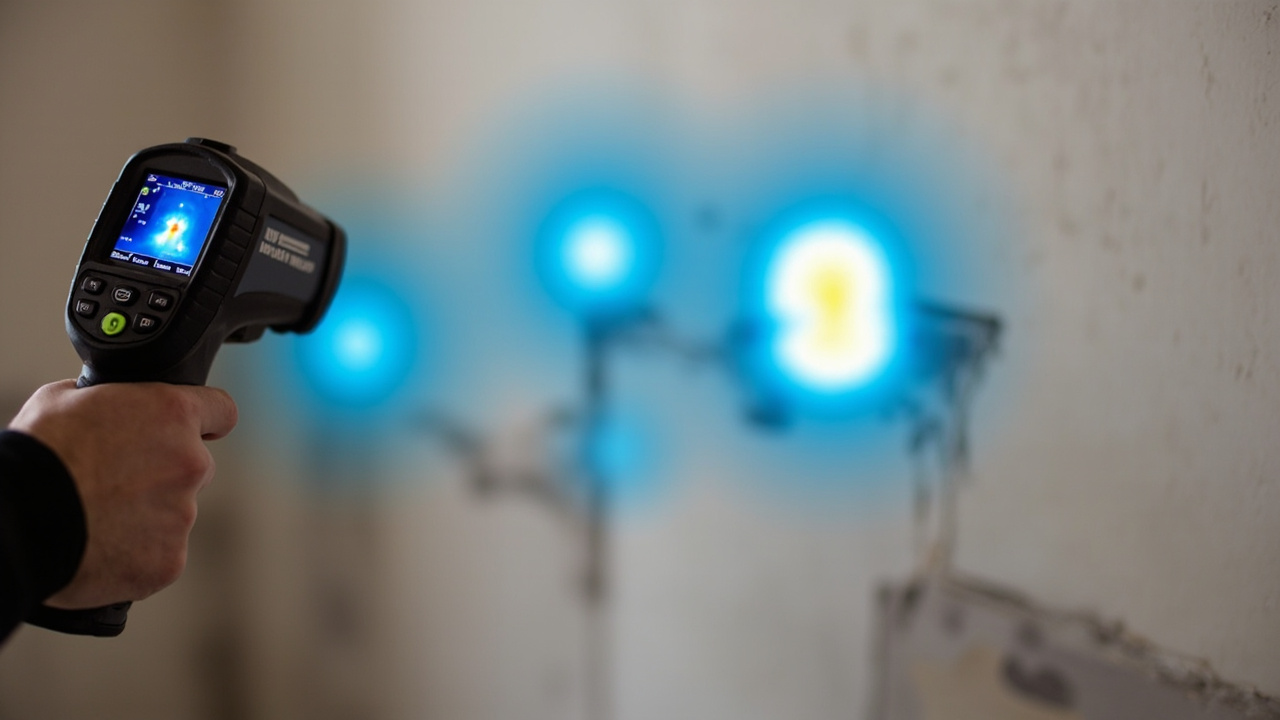
One of the biggest advantages of professional structural drying is the ability to see what is happening inside the walls. You cannot tell if a wall is dry just by touching it. Moisture often hides behind baseboards or inside wall cavities. When you hire water damage restoration pros in Cleveland, they use thermal imaging cameras and moisture meters. These tools detect temperature differences caused by evaporation. Wet spots appear colder on the camera, even if the surface feels dry to your hand.
Restoration experts create a moisture map. They take daily readings of the air temperature, relative humidity, and the moisture content of the materials. They compare these readings against a dry standard, which is a measurement of an unaffected part of your home. The equipment stays in place until every material reaches its pre loss condition. If you just use fans, you are guessing. Guessing leads to wood rot and structural instability down the road.
The High Cost of Incomplete Drying
Homeowners often worry about the cost of professional equipment. However, the cost of incomplete drying is much higher. When water sits in a subfloor, it causes the wood fibers to swell. This leads to cupping or crowning in hardwood floors. In many cases, if you start professional drying immediately, you can save the wood. If you wait and use standard fans, the wood will likely need to be ripped out and replaced. This is especially true for historic properties in Shaker Heights where original materials are irreplaceable.
| Material Type | Drying Time (Fans Only) | Drying Time (Professional) | Risk of Failure |
|---|---|---|---|
| Drywall | 5 to 7 Days | 2 to 3 Days | High (Mold Growth) |
| Hardwood Floor | Often Impossible | 3 to 5 Days | Very High (Warping) |
| Carpet and Pad | 3 to 4 Days | 1 to 2 Days | High (Odors/Bacteria) |
| Structural Studs | 10+ Days | 3 to 4 Days | Medium (Rot) |
Signs Your Home Needs More Than Just Fans
If you are unsure whether you need professional help, look for these specific signs. These indicators suggest that water has moved beyond the surface and into the structure of your home. If you notice any of these, stop relying on household fans and call a professional immediately.
- A musty or earthy smell that gets stronger when the fans are running.
- Baseboards that are starting to pull away from the wall or look swollen.
- Peeling paint or wallpaper that feels damp to the touch.
- Condensation on windows or mirrors in rooms that were not flooded.
- Visible staining on the ceiling below the area where the water leak occurred.
- The floor feels soft or has a bounce that was not there before.
If you are dealing with an emergency sewer backup in Parma, the situation is even more critical. Fans should never be used on contaminated water without professional air scrubbing. Blowing air across raw sewage can aerosolize pathogens and spread bacteria throughout your entire home. In these cases, structural drying must be combined with industrial grade sanitation and HEPA filtration.
The Role of IICRC Standards in Restoration
Professional restoration is governed by the IICRC S500 standard. This document outlines the specific procedures for drying a home based on the category of water and the class of the intrusion. For example, a basement flood that affects the entire floor and wicks up the walls is a Class 3 water loss. This requires a specific ratio of air movers to dehumidifiers based on the square footage and the volume of the space. Professional technicians calculate the exact number of machines needed to maintain the drying environment. Homeowners using box fans often underpower the room, leading to a stalled drying process.
Effective Airflow Placement
Even with professional equipment, placement matters. Restorers use a technique called vortex drying. This involves placing air movers at specific angles to create a continuous circular flow of air around the room. This ensures that every square inch of the wall and floor receives consistent airflow. Standard fans are usually placed randomly. This leaves dead air pockets where moisture can accumulate. These pockets are where mold usually starts. By using high static pressure air movers, pros can even push dry air into wall cavities through small holes, avoiding the need to tear down the entire wall.
Environmental Control and Temperature
Drying happens faster when the temperature is controlled. Most people think turning up the heat will help. While warm air holds more moisture, if you do not have a dehumidifier to remove that moisture, you are just creating a greenhouse for mold. Professional setups often include high capacity heaters or specialized air conditioners to keep the room in the ideal drying range, which is usually between seventy and ninety degrees Fahrenheit. This balance of heat and dehumidification is what makes structural drying so effective. In Cleveland, where outdoor temperatures can swing wildly, maintaining this internal environment is a full time job for the restoration team.
The Final Inspection and Documentation
The drying process is not finished when the carpet feels dry. It is finished when the moisture meters show that the structural materials have reached their dry goal. Professionals provide a final report that includes all the moisture readings taken during the project. This documentation is vital for insurance claims and for the future resale of your home. It proves that the home was dried correctly and that there is no hidden mold or rot. If you only use fans, you have no proof that the job was done right. This can cause significant issues when a home inspector finds high moisture levels during a future sale.
Whether you are in Cuyahoga County or along the shores of the lake, protecting your property requires the right tools. Standard fans have their place for keeping you cool in the summer, but they are not a solution for water damage. Structural drying is a complex process that combines physics, specialized machinery, and constant monitoring. Do not risk the integrity of your home on a few box fans from the garage. Ensure your property is dried thoroughly and safely by using professional methods that focus on total moisture removal.
If your Cleveland home has recently suffered water damage, do not wait for mold to appear. Contact local experts who understand the unique challenges of the Northeast Ohio climate and the importance of scientific structural drying.